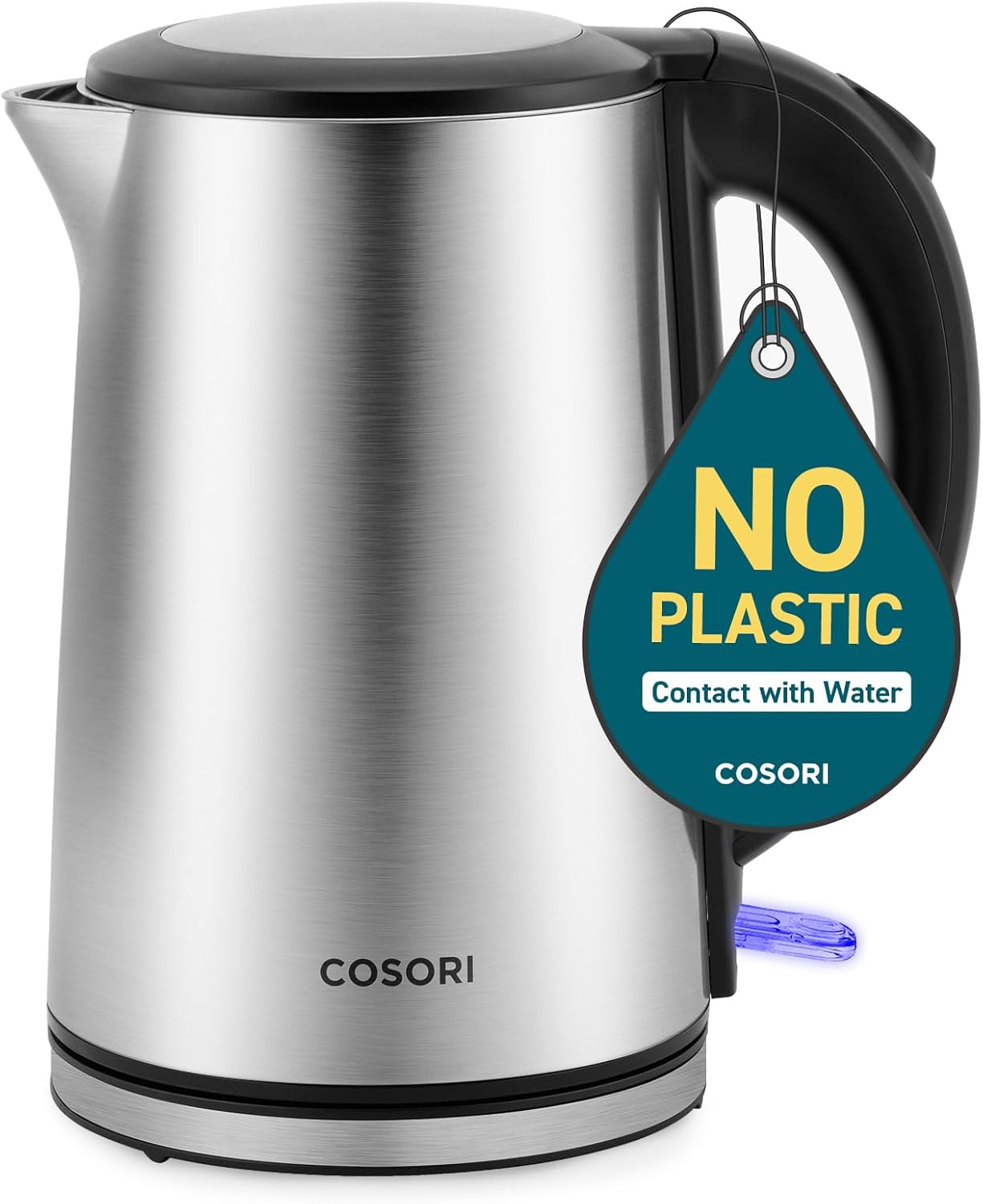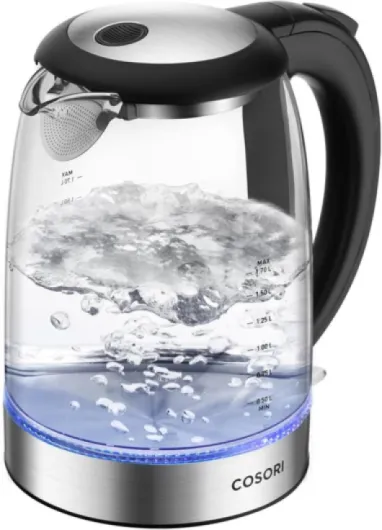

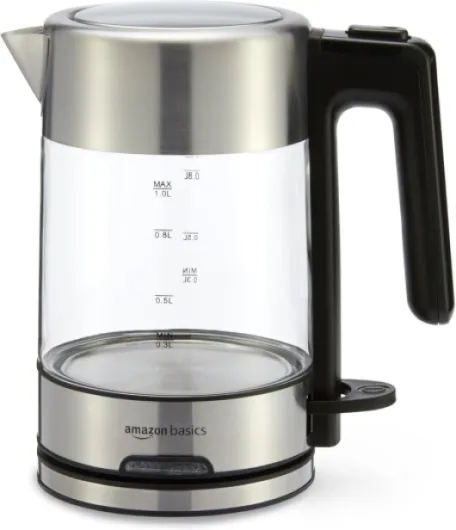
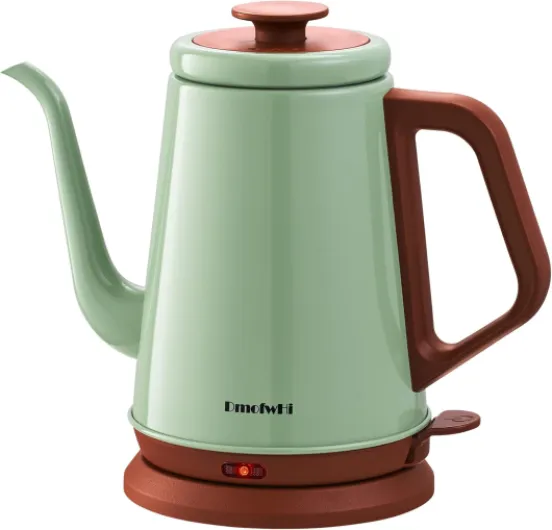

Understanding what makes an electric kettle non toxic
What Does "Non Toxic" Mean for Your Electric Kettle?
When shopping for an electric kettle, many people are concerned about the materials that come into contact with their water. The term "non toxic" means the kettle is made from materials that do not leach harmful chemicals or heavy metals into your hot water, even after repeated use. This is especially important for those who use their kettle daily for tea, coffee, or simply to fill up a water bottle.
Why Material Matters in Your Kettle
Electric kettles are made from a variety of materials, including stainless steel, glass, and plastic. Each material has its pros and cons when it comes to safety and taste. For example, stainless steel kettles are durable and often labeled as food grade, but not all steel is created equal. Glass kettles, especially those made from borosilicate glass, are praised for being BPA free and not affecting the flavor of your tea or water. Plastic kettles, on the other hand, can sometimes contain BPA or other chemicals that may migrate into your drink, especially when exposed to heat.
How to Identify Safer Kettle Options
- Look for labels such as "BPA free," "food grade stainless steel," or "borosilicate glass."
- Check if the product mentions being free from phthalates or other common toxins.
- Read the product description to see if any plastic parts come into contact with boiling water.
- Consider electric kettles with auto shut off and temperature control features, as these can help prevent overheating and potential leaching of materials.
Beyond Materials: Design and Function
Non toxic electric kettles are not just about the materials. The design also matters. For example, some kettles have a stainless steel or glass body but use plastic for the lid or water level window. Even small plastic parts can affect the overall safety of the product. Look for options where water only touches stainless steel or glass surfaces. Features like a whistling tea function, loose leaf tea infuser, or stove top compatibility can also influence your choice, depending on your tea or hot water needs.
For more tips on choosing the right accessories for your kettle, such as a milk pitcher for tea or coffee, check out this guide on how to choose the right milk pitcher for your electric kettle needs.

Common toxins found in electric kettles
Hidden Dangers in Everyday Kettles
When shopping for a new electric kettle or tea maker, many people focus on price, style, or how quickly it boils water. But there’s a less obvious factor to consider: the potential presence of toxins in the materials used to make kettles. These substances can leach into your hot water, tea, or coffee, especially when exposed to high temperatures. Understanding these risks is essential for anyone who wants a safe, healthy cup of tea or coffee every day.
What Are the Most Common Toxins?
- BPA (Bisphenol A): This chemical is often found in plastic components of electric kettles, especially in cheaper models. BPA can migrate into hot water, raising health concerns. Opting for BPA free kettles is a safer choice.
- Phthalates: Used to make plastics flexible, phthalates can also leach into water. They are linked to hormone disruption and other health issues.
- Lead and Heavy Metals: Some low-quality stainless steel or painted kettles may contain traces of lead or other metals. These can contaminate water, particularly if the product is not food grade or lacks proper certification.
- Nickel: While stainless steel is generally safe, some people are sensitive to nickel, which can leach from certain steel tea kettles or electric kettles, especially if the steel is of lower quality.
- Plasticizers and Other Additives: These are sometimes used in the seals or handles of kettles. Over time, they may break down and enter your water, especially if the kettle is used on a stove top or exposed to high heat.
Why Material Matters
The material of your kettle—whether it’s stainless steel, borosilicate glass, or plastic—plays a big role in determining the risk of toxic exposure. Glass kettles, especially those made from borosilicate glass, are less likely to leach chemicals. Stainless steel kettles are a popular option, but always check for food grade certification. Plastic kettles, unless labeled BPA free, are best avoided for boiling water or making tea.
For those interested in unique designs, color can also be a factor. Some colored kettles use paints or coatings that may contain harmful substances. If you’re curious about style and safety, you might want to explore why a blue electric kettle could be a smart and safe choice.
How to Spot Safer Options
- Look for clear labels like "BPA free" or "food grade stainless steel" on the product or packaging.
- Choose electric kettles with minimal plastic parts, especially in areas that touch water.
- Consider glass or stainless steel tea kettles for a cleaner, more natural taste and fewer toxins.
- Check for certifications or independent testing, especially if you’re buying from a new or unfamiliar brand.
Being aware of these common toxins is a crucial step before you shop for your next electric kettle or tea pot. In the next section, we’ll break down the key features to look for when choosing a non toxic kettle, so you can enjoy your hot water, loose leaf tea, or coffee with peace of mind.
Key features to look for in a non toxic electric kettle
Essential Qualities for a Safe Electric Kettle
When shopping for a non toxic electric kettle, it’s important to focus on features that directly impact your health and the quality of your tea or hot water. Not all kettles are created equal, and the materials and design can make a big difference in safety and performance. Here’s what to keep in mind:
- Material Safety: Look for kettles made from food grade stainless steel, borosilicate glass, or ceramic. These materials are less likely to leach harmful substances into your water. Avoid kettles with plastic interiors or those that use low quality metals, as these can introduce toxins like BPA or heavy metals.
- BPA Free Components: If the kettle has any plastic parts, ensure they are clearly labeled as BPA free. This is especially important for the lid, water level window, and spout filter. BPA is a common toxin found in plastics and can contaminate your hot water.
- Heating Element Placement: A concealed heating element, ideally made from stainless steel, reduces the risk of rust and scale buildup. Exposed elements can react with water and degrade over time, potentially releasing unwanted substances.
- Auto Shut Off and Boil Dry Protection: These safety features prevent the kettle from overheating or operating without water, which can damage the product and increase the risk of toxins leaching from materials under high heat.
- Temperature Control: Some electric kettles offer variable temperature settings, which is useful for brewing different types of tea or coffee. This feature also helps preserve the integrity of the kettle’s materials by avoiding unnecessary high temperatures.
- Ease of Cleaning: A wide opening makes it easier to clean the kettle thoroughly, preventing scale and bacteria buildup. Removable filters and simple designs are best for regular maintenance.
Comparing Top Material Options
| Material | Pros | Cons |
|---|---|---|
| Stainless Steel | Durable, rust resistant, no plastic contact with water, easy to clean | Can get hot to touch, may impart metallic taste if not food grade |
| Borosilicate Glass | Non reactive, visually appealing, no taste alteration | Fragile, can show scale buildup, usually has some plastic parts |
| Ceramic | Does not leach chemicals, retains heat well, stylish designs | Heavier, more breakable, slower to heat |
When you shop for a new electric tea kettle, prioritize these features to ensure you’re getting a safe, long lasting product for your home. For a deeper dive into safe kettle options and what to avoid, check out this guide to choosing a safe and non toxic electric kettle for your tea.
Comparing popular non toxic electric kettle materials
Material Choices: What’s Inside Your Kettle Matters
When shopping for a non toxic electric kettle, the material is a top concern. The main options you’ll see are stainless steel, glass, and ceramic. Each has its own pros and cons, especially when it comes to safety, durability, and how your tea or water tastes. Here’s a breakdown to help you compare:
| Material | Pros | Cons | Best For |
|---|---|---|---|
| Stainless Steel |
|
|
Everyday use, boiling water for tea, coffee, and cooking |
| Glass (often borosilicate) |
|
|
Loose leaf tea lovers, those sensitive to taste changes |
| Ceramic |
|
|
Tea pots, stove top kettles, those who prefer classic looks |
Plastic: Proceed with Caution
Plastic is common in electric kettles, especially in handles, lids, or water level windows. If you want a truly non toxic product, look for BPA free labels and avoid models where water touches plastic. Some electric kettles use food grade plastic for small parts, but many consumers prefer options where only stainless steel or glass comes in contact with hot water.
Features That Matter Beyond Material
- Auto shut off and temperature control add safety and convenience, especially for tea makers who want precise brewing.
- Whistling tea kettles and stove top models are often all metal or ceramic, but always check for hidden plastic parts.
- Look for easy-to-clean designs, especially if you use your kettle for loose leaf tea or herbal infusions.
When you shop for a new electric kettle, consider your priorities: taste, durability, price, and how easy it is to keep your kettle clean and toxin free. The best options will list materials clearly and offer BPA free or food grade certifications. Whether you’re filling up for a quick cup or making a full pot for guests, the right kettle makes all the difference in your daily routine.
Maintenance tips for keeping your kettle safe and clean
Daily habits for a safer kettle
Keeping your electric kettle free from toxins and in top condition is not just about the product you buy, but also how you care for it. Whether you use a stainless steel, glass, or BPA free plastic kettle, regular maintenance helps prevent the buildup of minerals and contaminants that could affect your tea or hot water.
- Rinse after each use: After boiling water, empty the kettle and rinse it with clean water. This helps remove any loose mineral deposits or tea residue, especially if you use it as a tea maker for loose leaf blends.
- Descale regularly: Hard water can leave limescale inside your kettle. For stainless steel and borosilicate glass kettles, descale every few weeks using a mix of water and vinegar or a food grade descaler. Avoid harsh chemicals, especially with BPA free or plastic models.
- Wipe the exterior: Use a damp cloth to clean the outside of your kettle. For electric kettles with temperature control or auto shut features, avoid getting water near the base or controls.
- Check for damage: Inspect your kettle for cracks, especially if it’s glass, or any signs of rust on steel tea kettles. Replace any kettle that shows signs of wear to avoid toxic tea from leaching materials.
- Keep the lid and spout clean: Bacteria and mold can grow in these areas. Remove the lid and clean it thoroughly, and use a small brush for the spout if needed.
Storage and usage tips
- Don’t leave water sitting: Empty your kettle after each use. Stagnant water can lead to mineral buildup and affect the taste of your tea or water.
- Use filtered water: This reduces mineral deposits and helps your kettle last longer, especially for stove top and electric tea kettles.
- Follow manufacturer instructions: Each product may have specific cleaning guidelines, especially for electric kettles with advanced features like temperature control or auto shut off.
Quick reference table: Cleaning frequency
| Kettle Material | Rinse | Descale | Deep Clean |
|---|---|---|---|
| Stainless steel | After each use | Monthly | Every 2-3 months |
| Borosilicate glass | After each use | Monthly | Every 2-3 months |
| BPA free plastic | After each use | Every 2 months | Every 3-4 months |
By following these simple steps, you can keep your electric kettle, tea pot, or whistling tea kettle clean and safe for daily use. This ensures your tea, coffee, or hot water stays free from unwanted flavors and potential toxins, supporting a healthier lifestyle.
Frequently asked questions about non toxic electric kettles
Are all electric kettles free from toxins?
No, not all electric kettles are free from toxins. Many traditional kettles use materials like plastic or low-grade metals that can leach chemicals such as BPA or phthalates into your water, especially when exposed to high heat. To ensure your tea or hot water stays safe, look for products labeled as BPA free, food grade stainless steel, or borosilicate glass. Always check the manufacturer's specifications and certifications before you shop.
What materials are safest for a non toxic kettle?
The safest options for non toxic electric kettles are stainless steel (preferably 304 or 316 food grade), borosilicate glass, and ceramic. These materials do not react with water or tea, and they resist corrosion. Glass kettles are popular for their clean taste and easy monitoring of water levels, while stainless steel kettles are durable and often more affordable. Avoid kettles with plastic interiors or those that have plastic parts in contact with hot water.
Does BPA free mean the kettle is completely safe?
BPA free is a good start, but it doesn't guarantee the kettle is entirely non toxic. Some products replace BPA with other chemicals that may also pose health risks. It's best to choose a kettle with minimal plastic components, or one where plastic does not touch the water at all. Stainless steel and glass tea kettles are top choices for those seeking a truly non toxic product.
How do I know if a kettle is suitable for loose leaf tea?
Many electric kettles are designed for boiling water only, but some come with built-in tea infusers or temperature control settings for brewing loose leaf tea. Look for features like a removable infuser basket, precise temperature control, or a dedicated tea maker function. These options help you brew tea at the optimal temperature and prevent toxic tea flavors from developing due to overheating.
Is it better to use a stove top or electric kettle for safety?
Both stove top and electric kettles can be safe if made from high quality, non toxic materials. Electric kettles offer convenience, auto shut off, and temperature control, while stove top kettles are often simpler and have fewer plastic parts. Stainless steel and glass are reliable choices for both types. Always check the product list for certifications and read reviews before you fill your cart.
What maintenance is needed to keep my kettle safe?
- Regularly descale your kettle to prevent mineral buildup, especially if you use hard water.
- Clean the interior with a mixture of vinegar and water, then rinse thoroughly.
- Avoid using abrasive cleaners that could scratch glass or stainless steel surfaces.
- Check seals and joints for signs of wear or plastic degradation.
- Follow the manufacturer's instructions for cleaning and storage to extend your kettle's life and keep your water free from contaminants.
Can I use my electric kettle for other beverages?
Yes, many electric kettles can be used to heat water for coffee, instant soups, or even to prepare hot chocolate. However, avoid boiling milk or sugary liquids in your kettle, as these can leave residues and damage the heating element. For tea lovers, kettles with temperature control are ideal for brewing different types of tea, from green to black, without risking toxic flavors or damaging delicate leaves.