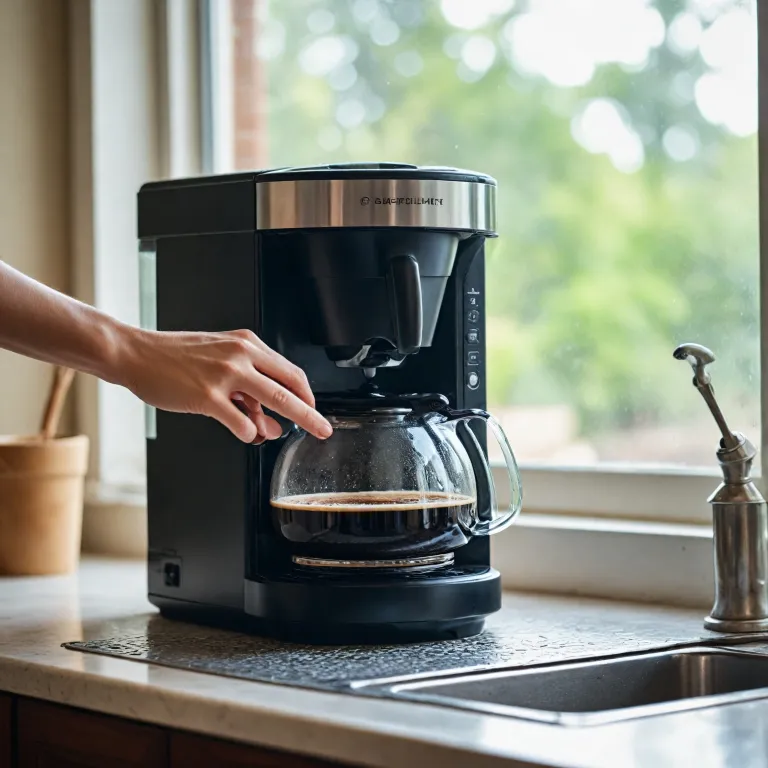
Why cleaning your Keurig with vinegar protects taste and safety
Understanding how to clean Keurig with vinegar starts with taste. When a coffee machine runs daily with coffee and hard water, mineral deposits and coffee oils slowly coat internal parts and the water reservoir. Over time, these residues affect brew temperature, flow, and taste, turning a fresh cup into something flat and bitter.
Using vinegar with fresh water helps dissolve limescale inside the machine with minimal effort. A regular cleaning routine keeps the water reservoir with fewer deposits, protects removable parts, and supports safer brewing cycles. This simple step by step habit also reduces bacteria growth in hidden parts that never fully dry between cups.
Many people clean a Keurig with only a quick rinse, but that rarely reaches internal tubes. To keep Keurig performance stable, you need deeper cleaning with vinegar that runs through several brew cycles. When you clean with a measured mix of vinegar and water, you help the machine with better flow, more consistent temperature, and a more reliable cup every time.
Think of your Keurig coffee machine as a compact electric kettle that repeatedly heats water under pressure. Any machine with hot water, coffee residue, and a large catch area like the drip tray will eventually build up grime. A structured cleaning step using vinegar and fresh water protects both taste and hygiene while extending the life of the machine with minimal cost.
Preparing your Keurig and workspace before using vinegar
Before you start learning how to clean Keurig with vinegar, preparation matters. First unplug the coffee machine, remove any pod, and let hot parts cool for several minutes. This pause protects your hands while you handle removable parts and prevents accidental brew cycles from starting.
Next, empty every area that can catch liquid, including the drip tray and any large catch container you normally keep under the spout. Take out removable parts such as the water reservoir, pod holder, and drip tray, then clean with mild soap and warm water. Rinse each piece thoroughly with fresh water so no detergent interferes with the taste of coffee later.
Place the machine with enough space around it to move a mug or jug easily. Keep a separate bowl ready for small parts, and position a stable cup under the spout to collect liquid during cleaning cycles. Having everything organized step by step reduces spills and helps you track which parts are already clean.
Fill the water reservoir with a mix of vinegar and water, usually equal parts unless your manufacturer suggests otherwise. Make sure the reservoir with its lid is firmly seated so the machine with sensors can detect the correct level. When you are ready to clean Keurig internals, you will run several brew cycles without coffee to push the vinegar solution through every channel.
Step by step descaling process using vinegar and water
The core of how to clean Keurig with vinegar is the descaling phase. Start by ensuring the water reservoir with the vinegar solution is properly attached and the drip tray is in place. Put a large cup on the tray to catch liquid, then power on the coffee machine without inserting any pod.
Select a medium brew size so the machine with its pump can move enough solution through internal lines. Run one or two brew cycles, then pour out the hot vinegar mixture from the cup and repeat until the reservoir is about halfway empty. This repeated cleaning with vinegar loosens mineral buildup that restricts flow and dulls coffee taste.
When the reservoir level drops, pause the process and let the machine sit minutes with the remaining vinegar solution inside. Allowing the solution to sit minutes gives vinegar more time to dissolve stubborn scale on heating elements and narrow channels. During this rest time, you can clean removable parts again, checking for trapped coffee grounds or film.
After the waiting time, resume brew cycles until the reservoir with vinegar is completely empty. Each cycle helps clean Keurig tubing and internal parts that never see a regular rinse. By the final cycle, the machine with its internal surfaces should be significantly clearer, ready for the crucial flushing phase with fresh water.
Rinsing, testing taste, and keeping your Keurig clean longer
Once descaling is complete, the next step in how to clean Keurig with vinegar is a thorough rinse. Refill the water reservoir with fresh water only, making sure the reservoir with its filter (if present) is correctly positioned. Run multiple brew cycles with no pod until the smell of vinegar fades and the water runs clear.
This flushing phase is essential to clean Keurig systems fully and protect coffee flavor. If you skip enough rinse cycles, traces of vinegar can linger in the coffee machine and affect the first several cups. Continue brewing cups of plain water until you are confident the machine with its internal lines carries only neutral tasting water.
When rinsing is complete, brew a test cup with coffee using your usual pod. Pay attention to taste, aroma, and temperature, comparing this fresh cup to what you experienced before cleaning with vinegar. Most users notice a better, brighter taste and more consistent flow, especially if they had scale buildup in the water reservoir.
To keep Keurig performance stable, schedule this full cleaning step every few months, adjusting for your water hardness and number of cups brewed. Between deep cleanings, wash removable parts regularly, empty the drip tray so it does not become a large catch for stale liquid, and occasionally run a quick cycle with fresh water. These habits help the machine with long term reliability and maintain a consistently pleasant taste.
Hygiene, safety, and the link with electric kettles
Understanding how to clean Keurig with vinegar also sheds light on electric kettle care. Both appliances heat water repeatedly, and both suffer when mineral rich water and coffee or tea residues accumulate on internal parts. Regular cleaning with a mild acid like vinegar protects heating elements, improves efficiency, and supports safer operation over time.
In a Keurig coffee machine, narrow tubes and the water reservoir with constant moisture can harbor biofilm if neglected. A structured cleaning step using vinegar, followed by a rinse with fresh water, disrupts this film and reduces microbial growth. Electric kettles face similar risks, especially when users leave water sitting for long periods between boil cycles.
For people interested in design and durability, traditional metal appliances can be appealing. Resources such as this guide on a vintage copper tea kettle show how material choice influences heat distribution and maintenance. Whether you use a modern coffee machine with plastic components or a classic kettle, the principle remains the same, because scale and residue always reduce performance.
Apply the same discipline you use to clean Keurig systems to any machine with heated water. Empty reservoirs, avoid letting liquid sit minutes or longer than necessary, and rinse after each day of heavy use. By treating your Keurig with the same respect as a quality kettle, you protect taste, safety, and the lifespan of every appliance that brews your daily cups.
Troubleshooting, maintenance frequency, and taste optimization
After you learn how to clean Keurig with vinegar, ongoing troubleshooting becomes easier. If the machine with its pump still produces weak flow after descaling, check the needle area and removable parts for trapped grounds. Cleaning with a small brush and running additional brew cycles with fresh water often restores normal performance.
When coffee tastes off even after a full cleaning step, consider your water quality and storage habits. Using filtered fresh water in the water reservoir with regular refills reduces mineral deposits and chlorine flavors that compete with coffee aromas. Avoid leaving water or coffee in the drip tray, because this large catch area can harbor odors that subtly influence perceived taste.
Maintenance frequency depends on how many cups you brew and your local water hardness. Heavy users who brew multiple cups daily should clean Keurig internals with vinegar every one to two months, while occasional users can extend the interval. Always watch for signs like slower brew cycles, more noise, or a less vibrant cup, which signal that the machine with its internal surfaces needs attention.
Over time, a disciplined routine of cleaning with vinegar, flushing with fresh water, and caring for removable parts will keep Keurig performance close to new. Treat each cleaning as an investment in better taste and more reliable mornings. By aligning your habits with how the machine with its design handles water, heat, and coffee, you ensure every cup reflects the care you put into maintenance.
Frequently asked questions about cleaning a Keurig with vinegar
How often should I clean a Keurig with vinegar ?
In the absence of specific dataset guidance, many owners align cleaning frequency with usage and water hardness. Heavy daily use with hard water usually requires descaling every one to two months. Lighter use with softer water can stretch the interval, as long as taste and brew cycles remain stable.
Can I use only water instead of vinegar for cleaning ?
Plain water helps rinse loose debris but does not dissolve mineral scale effectively. Vinegar or a dedicated descaling solution is needed to break down hardened deposits on heating elements and internal lines. Without an acid based cleaner, the machine gradually loses efficiency and coffee taste declines.
Will vinegar damage my Keurig coffee machine ?
When diluted correctly and used as directed, vinegar is generally safe for most Keurig models. Problems arise mainly from using overly strong solutions, skipping the rinse phase, or ignoring manufacturer specific instructions. Always check your manual and follow a balanced approach that includes thorough flushing with fresh water.
Why does my coffee still taste odd after cleaning with vinegar ?
Lingering vinegar in the water reservoir or internal lines can affect flavor if you do not run enough rinse cycles. Additionally, stale coffee, poor quality water, or dirty removable parts can introduce off notes. Repeating the rinse step and reviewing each component usually resolves persistent taste issues.
Is there a difference between cleaning and descaling a Keurig ?
Cleaning focuses on removing coffee oils, grounds, and surface grime from removable parts and external areas. Descaling targets mineral buildup inside the heating system and hidden channels using vinegar or another acidic solution. Both processes work together to maintain performance, protect taste, and extend the life of the machine.