Key features that separate basic kettles from premium models
On paper, every electric kettle simply heats water, yet real world use reveals big differences. Entry level kettles often just switch on and off, while higher quality home kettles add variable temperature presets, keep warm modes, and safety features like dry protection that prevent damage when the kettle is empty. These extra controls help you avoid repeatedly boiling water, which can flatten flavours in delicate coffee and tea infusions.
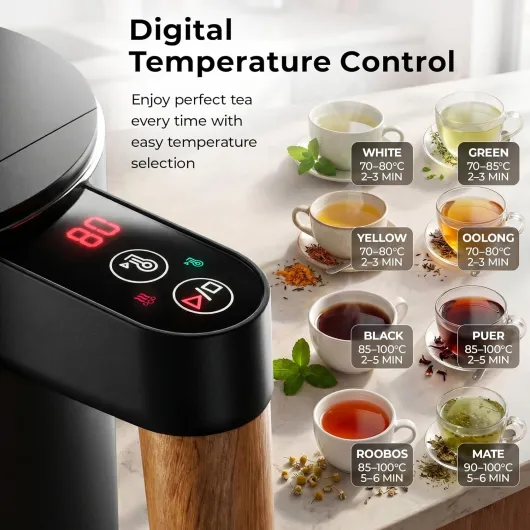
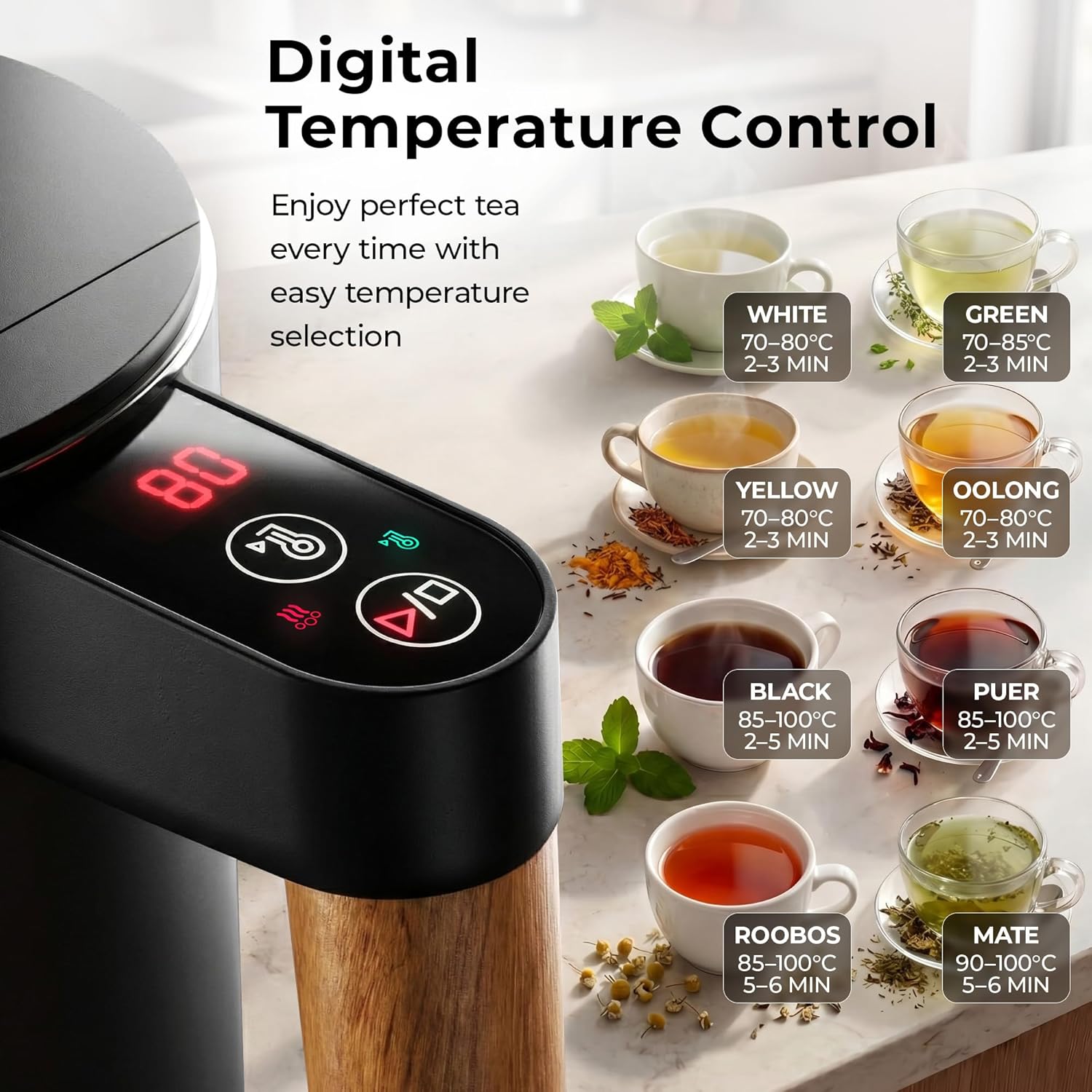
Variable temperature control is crucial if you drink both coffee and tea regularly. Green tea usually tastes better when brewed with water around 70 to 80 degrees Celsius, while pour over coffee methods like V60 or Chemex often shine between 92 and 96 degrees, and black tea tolerates fully boiling water without losing character. Kettles with degree increments, sometimes in 1 or 5 degree steps, allow you to fine tune each drink instead of guessing by eye.
Warm function settings and keep warm buttons maintain water at a chosen temperature for extended periods. This feature is especially useful in busy households where several people make hot drinks at different times, because it reduces repeated boiling cycles and saves energy. When comparing electric kettles, look for clear indicators, responsive buttons, and lids that open smoothly, since these small design touches strongly influence daily satisfaction.
Materials, build quality, and safety in electric kettles
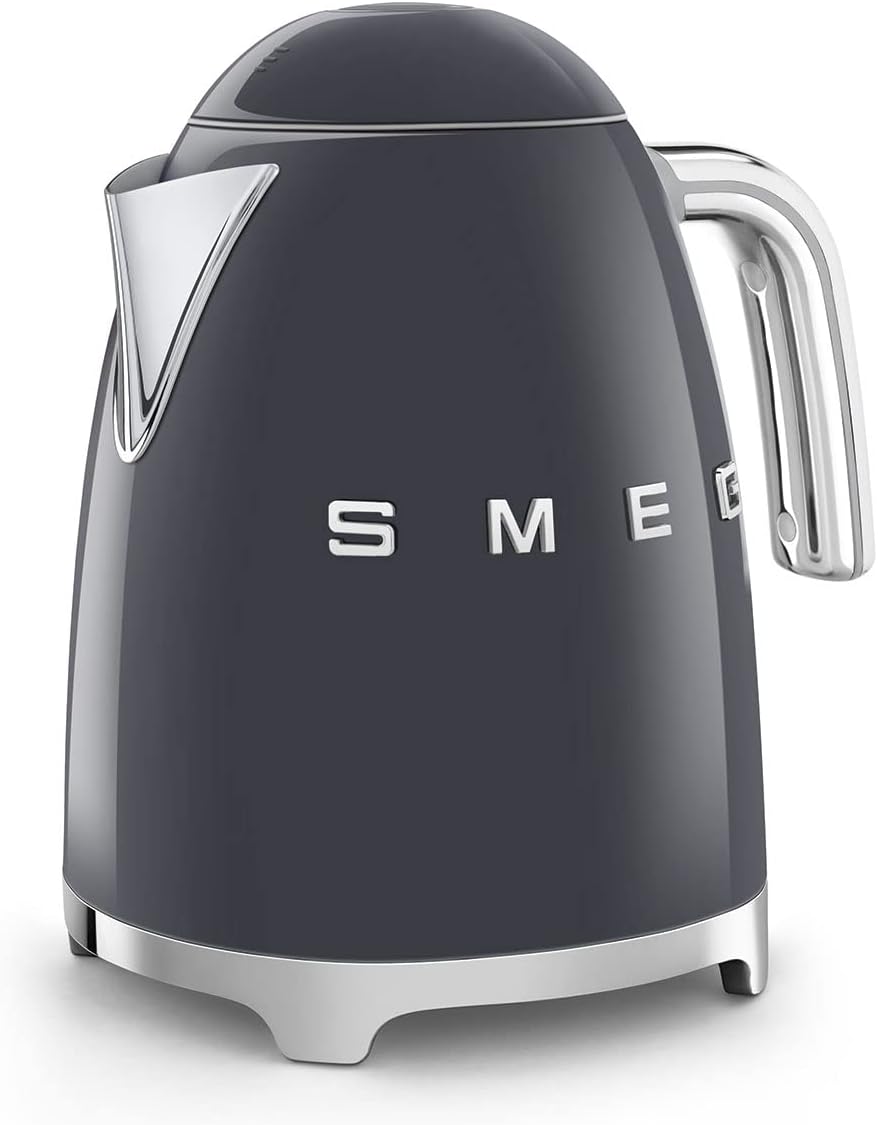
Most of the best electric kettles for home use stainless steel, glass, or a combination of both. A stainless steel interior resists rust and generally avoids imparting flavours to boiling water, while a glass body helps you visually confirm a rolling boil and monitor limescale buildup. Some kettles mix glass walls with steel bases, balancing aesthetics with robust heating elements.
When you compare stainless steel kettles with glass kettles, consider both durability and cleaning routines. Stainless steel hides minor stains but can show fingerprints, whereas glass highlights every mineral deposit yet lets you see exactly when boiling starts and stops, which helps when you want slightly cooler water for coffee and tea recipes. Double walled steel designs also improve insulation, keeping the exterior cooler and supporting more efficient keep warm and warm function features.
Safety features deserve close attention, especially in homes with children. Automatic shutoff when the water reaches boiling, combined with boil dry and dry protection sensors, prevents the electric kettle from overheating if accidentally switched on empty or left unattended. Non slip bases, secure lids, and handles that stay cool even when boiling water inside reaches maximum temperature all contribute to safer everyday use.
Gooseneck kettles, variable temperature, and brewing performance
For coffee enthusiasts, gooseneck kettles change everything about control and consistency. A gooseneck kettle has a long, narrow spout that lets you pour water slowly and precisely, which is essential for manual pour over methods that rely on even saturation of the grounds. Many of the best electric kettles for home now include gooseneck designs with built in temperature control, merging barista style precision with household convenience.
Models from brands like OXO and Cuisinart often combine variable temperature settings with ergonomic handles that make long pours comfortable. When you can set exact degree increments, you can repeat your favourite coffee recipe day after day, while still adjusting slightly for different beans or roast levels when needed. The same variable temperature flexibility benefits delicate tea infusions, where a few degrees too hot can create bitterness or astringency.
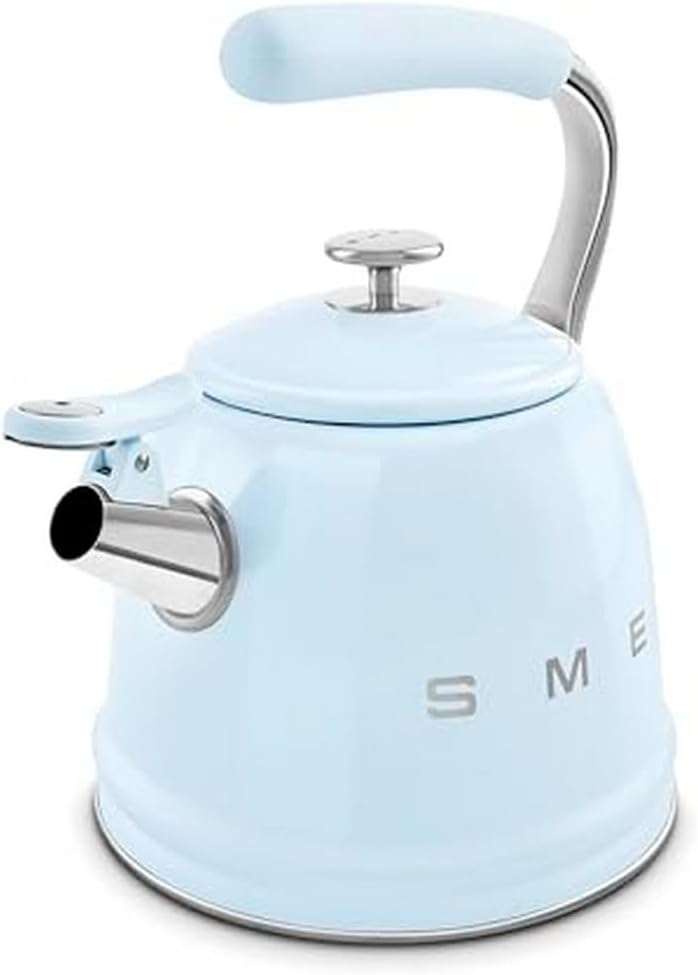
Not every household needs a gooseneck design, yet many people appreciate having both standard kettles and gooseneck kettles available. A traditional tea kettle shape boils larger volumes quickly for cooking and family drinks, while a smaller gooseneck kettle excels at single cup brewing and precise pour control. If counter space is limited, consider an electric kettle that pairs a compact footprint with a spout shape that balances everyday filling with enough finesse for occasional pour over coffee sessions.
Brand examples, tested performance, and real world usability
Several mainstream brands consistently appear in independent tested comparisons of the best electric kettles for home. Hamilton Beach often focuses on value oriented electric kettles that still include essentials like automatic shutoff and basic keep warm modes, while OXO emphasises ergonomics, smooth pour control, and refined temperature control interfaces. Cuisinart offers both classic tea kettle silhouettes and more modern electric kettle designs, including the popular Cuisinart models with stainless steel bodies and variable temperature presets.
When reading customer feedback on retailers such as Amazon, pay attention to comments about noise, lid mechanisms, and long term reliability. A kettle that boils water quickly but rattles loudly or splashes during the pour may feel less premium in daily use, even if laboratory tested results show strong performance. Look for repeated mentions of issues like plastic odours, unreliable warm function behaviour, or inconsistent temperature readings, because these patterns often reveal weaknesses not obvious from specifications alone.
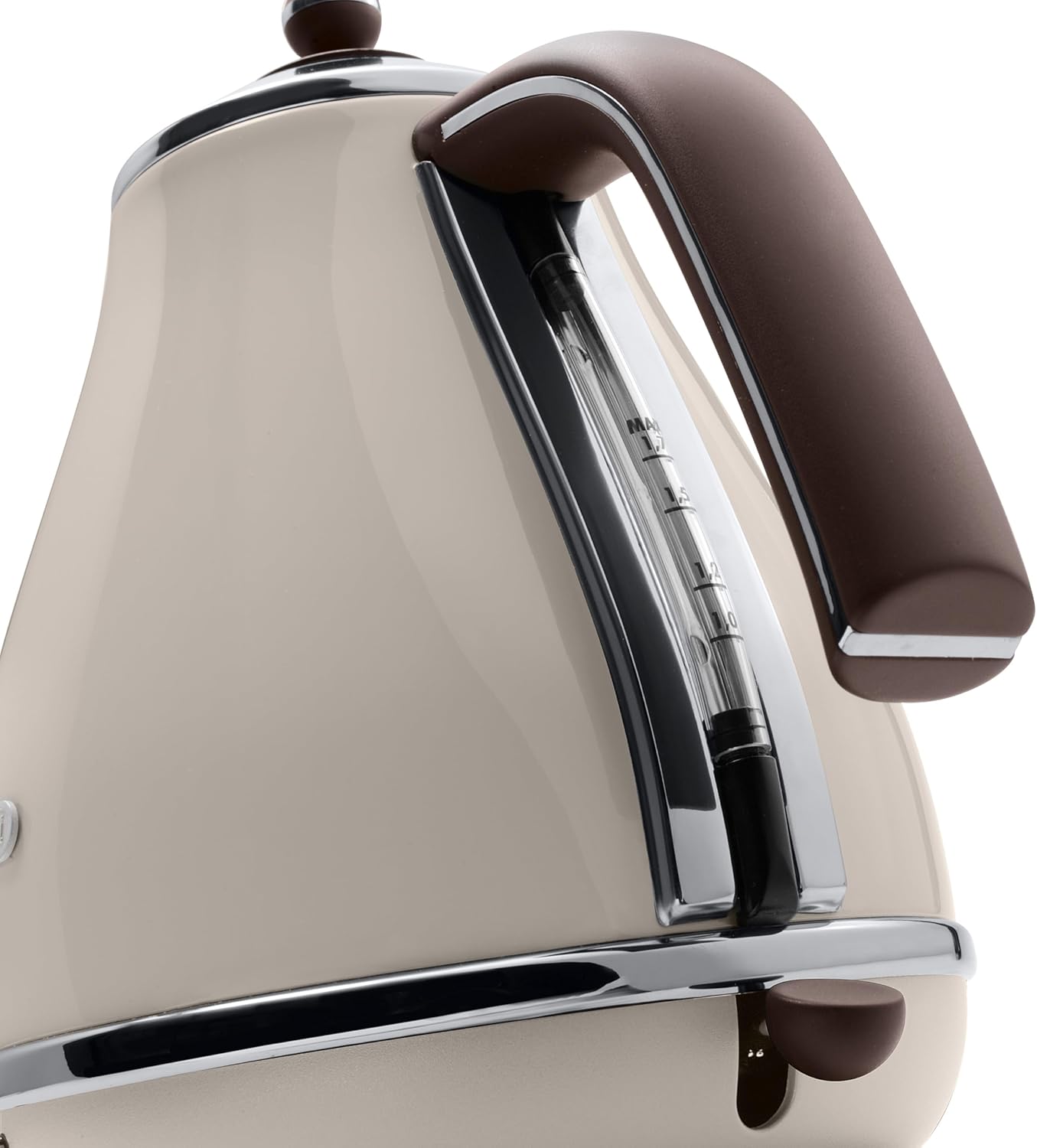
Real world usability also depends on how easily you can clean and descale the interior. Wide openings make it simpler to reach inside stainless steel or glass kettles, while concealed heating elements reduce limescale buildup on exposed metal surfaces, especially in hard water regions. Cord storage, clear water level markings, and intuitive switches all contribute to a smoother experience, turning a simple electric kettle into a quiet, dependable top pick for your kitchen.
Practical buying guide for the best electric kettles for home
Before choosing among the many electric kettles available, define your priorities clearly. If speed matters most, look for higher wattage models that can boil a full 1.7 litre capacity in under five minutes, while energy conscious buyers may prefer kettles with efficient insulation and responsive keep warm options. Households that brew both coffee and tea frequently should focus on variable temperature and precise temperature control, because these features directly influence flavour and consistency.
Next, match the kettle style to your brewing habits and counter space. A compact gooseneck kettle suits small kitchens and dedicated coffee stations, while a larger stainless steel or glass tea kettle works better as a shared appliance for cooking, instant meals, and multiple rounds of hot drink service. If you often host guests, a warm function that maintains near boiling water for refills can be more convenient than repeatedly restarting a full boil cycle.
Finally, weigh price against build quality and warranty coverage. Budget models from brands like Hamilton Beach can serve occasional users well, but heavy daily use often justifies investing in a sturdier stainless steel electric kettle with reliable boil dry and dry protection systems. For many households, a mid range variable temperature model with clear degree increments, comfortable pour control, and a proven track record on Amazon reviews becomes the most balanced and sensible top pick.
Key statistics about electric kettle usage and efficiency
- In many European households, electric kettles are present in more than 80 percent of kitchens, reflecting their role as a primary tool for boiling water efficiently compared with stovetop pots; this figure is based on aggregated survey data reported by several national energy agencies and summarised by groups such as the UK Energy Saving Trust and comparable organisations in Germany and the Netherlands, as described in public energy efficiency reports.
- Boiling 1 litre of water in an electric kettle typically uses around 0.1 kilowatt hours of electricity, which is often 30 to 50 percent more efficient than heating the same volume on an electric hob, according to comparative tests published by consumer energy advisory groups including the UK Energy Saving Trust and various national consumer magazines that benchmark household appliances.
- Variable temperature kettles can reduce unnecessary reheating by up to 20 percent, because users rely on keep warm functions instead of repeatedly boiling water from room temperature; this estimate comes from monitored household trials described in reports by European energy efficiency programmes that track real world usage patterns and appliance cycling behaviour.
- In regions with hard water, regular descaling can extend the lifespan of an electric kettle heating element by several years, significantly delaying replacement and reducing electronic waste, as noted in manufacturer maintenance guidelines and independent repair statistics from appliance service centres that document common failure causes.