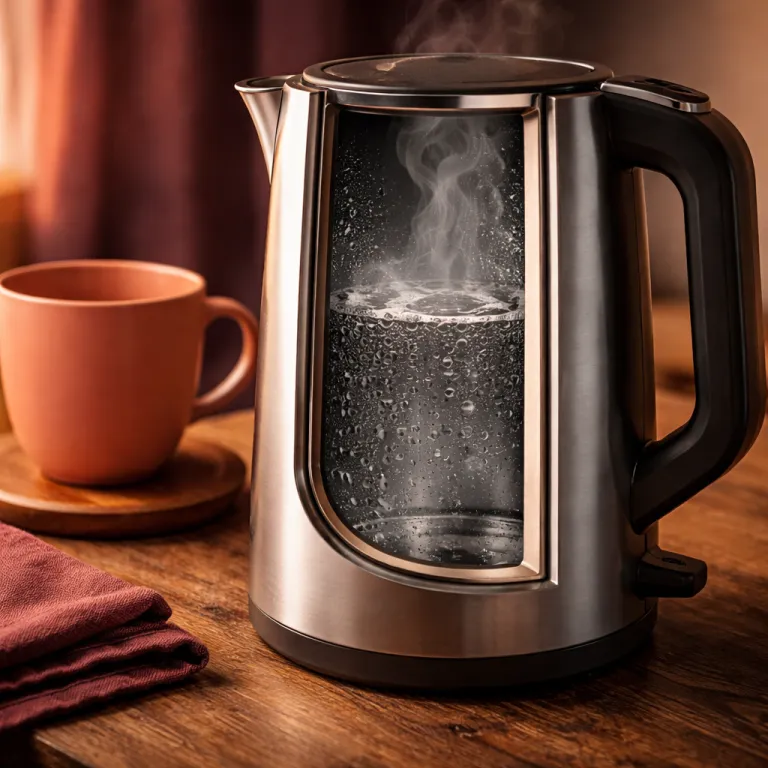
Why double wall electric kettles change daily tea and coffee routines
A double wall electric kettle looks ordinary on the counter, yet it behaves very differently once the water starts to boil. The inner shell holds the hot water while the outer insulated casing stays noticeably cooler, so your hand meets a safe surface instead of near metal scorch levels. For a household that boils the kettle 5 to 10 times a day, that double barrier quietly reduces burn risk, wasted heat and background noise.
In a typical single wall stainless steel kettle, the exterior can reach more than 80 °C according to small home-lab surface temperature checks with a contact thermometer on several 1.7 L models, which makes brushing it with a wrist or a child’s fingers a genuine hazard. A double wall stainless steel design wraps that inner stainless chamber in an insulating air gap or foam, so the outside of the electric kettle usually feels warm rather than painful, even when the hot water inside is rolling at a full boil. That cool-touch exterior is not a marketing flourish; it is the main reason parents and pet owners should read the specification sheet carefully before buying.
Insulation also changes how the kettle will use energy over time, because less heat leaks into the kitchen air between cycles. Bench tests on modern electric kettles, using repeated 1.0 L boils, a plug-in energy meter and room temperatures around 20 °C, show that a well built double wall product can cut standing heat loss by roughly a third compared with a bare steel shell, which translates into fewer reboils when you come back for a second mug. Over a year of boiling water for tea, instant coffee and cooking, those small savings add up more reliably than chasing the highest wattage heating element.
Inside the engineering: stainless steel, plastic shells and glass kettles
Most double wall electric kettles use a food grade stainless steel inner chamber, often labelled as 304 or 18/10 stainless, because it resists rust and does not flavour the water. Around that sits an outer wall made from brushed stainless, painted steel or thick plastic, and the choice of material affects weight, durability and how cool-touch the surface really feels. A brushed stainless outer shell looks premium and matches other steel appliances, but it runs warmer to the touch than a plastic housing with a small air gap.
Glass kettles complicate the picture, because a traditional electric glass kettle usually has only a single transparent wall, which shows the water level clearly but bleeds heat fast and gets very hot outside. Some newer hybrid designs add a plastic or steel shroud around a glass inner, yet they rarely insulate as well as a true double wall stainless steel kettle with a sealed cavity. If you like to watch water boil through glass, accept that you trade some insulation and cool-touch safety for that theatre, and you may want to prioritise a strong handle and a wide base instead.
Brands such as Hamilton Beach sit in the middle ground, offering both single wall glass models and double wall stainless designs at modest prices. A Hamilton Beach electric kettle with a double wall body usually hides the heating element under a flat steel plate, which makes limescale easier to wipe away than on exposed coils. If you are tempted by a retro style jug such as the SMEG inspired models reviewed in this 50s style jug kettle test, check whether the charming design also includes a proper insulated wall or just a thick single shell.
Safety, temperature control and real world performance
Safety features matter more when a kettle lives on a busy family counter, and double wall electric kettles quietly stack the odds in your favour. The cool-touch exterior reduces the chance that a distracted hand meets a near boiling surface, while a well tuned boil-dry protection circuit stops the heating element if you forget to add water. Look for clear markings of the minimum water level, because that tiny line determines whether the kettle will trigger its dry protection before the base overheats.
Many mid range electric kettles now add temperature control buttons, which let you heat water to 60, 80 or 90 °C instead of a full boil for green tea or coffee brewing. Variable temperature settings pair especially well with a double wall body, because the insulation helps the keep warm function hold that chosen temperature without cycling the element constantly. On models such as the Cuisinart CPK 17 or the Breville IQ series, the keep warm feature can maintain hot water for around 20 minutes in simple kitchen tests, yet the exterior still feels manageable to the touch.
Not every insulated product is perfect, and some highly rated online favourites hide flaws behind a five star average. We have seen double wall designs where the lid hinge traps steam, dripping condensed water down the handle, and others where the spout geometry makes a slow pour frustrating for coffee drinkers. Before you buy, read a mix of positive and critical reviews, then compare them with hands on tests such as the Dualit Lite dome kettle review, which highlights how a fast boil and a large handle feel in daily use.
Energy use, running costs and when insulation really pays off
Power ratings on the box can mislead, because a 3000 W electric kettle is not automatically cheaper to run than a 2200 W model. What matters is how efficiently that heating element turns electricity into hot water, and how much of that heat the double wall body keeps inside instead of leaking into the room. A well sealed double wall electric kettle can reduce heat loss by roughly 30 percent compared with a bare single wall shell in controlled tests, which means fewer reheats when you return for a second cup.
For a household that boils water ten times a day, even a small reduction in reboils trims the annual electricity bill by a noticeable amount. Insulation also means that the keep warm function, when present, can hold temperature with shorter bursts of power, rather than long cycles that stress the element and the thermostat. Over time, that gentler duty can extend the life of the product, because the kettle will experience fewer extreme temperature swings at the base.
There are trade offs, and you feel them when you lift a full 1.7 L double wall stainless steel kettle compared with a lighter single wall glass model. The extra material adds weight and can slow the pour slightly, which matters if you like a precise gooseneck style flow for manual coffee brewing. If you mostly make tea, instant coffee or hot water for cooking, the energy savings and safety of a double wall design usually outweigh the heavier feel, especially once you factor in the long term cost of boiling water day after day.
Choosing the right double wall kettle for your kitchen
Start with capacity, because the 1.7 L figure on many product boxes rarely equals a comfortable four mug pour once you respect the maximum water level. For a couple who share tea rounds and use hot water for cooking, a 1.5 to 1.7 L double wall electric kettle hits a good balance between size and weight. Larger families or heavy coffee drinkers may prefer a full 1.7 L stainless steel body, accepting the extra heft for fewer refill cycles.
Next, decide how much you care about temperature control and display detail, because those features push the price above basic models. If you mostly boil water for black tea and instant drinks, a simple on off switch with strong boil-dry protection is usually enough, and you can focus on build quality, cool-touch performance and a clear water level window. If you brew green tea, filter coffee or baby formula, a temperature control panel and a reliable keep warm mode become more valuable than a flashy star rating on an online listing.
Material contact is another quiet but important choice, especially if you want a kettle that is effectively BPA free at the water line. Many better double wall designs keep plastic out of the hot water path entirely, using stainless steel for the interior and lid underside, while reserving plastic for the outer wall and handle. Parents preparing bottles may even consider pairing a well insulated kettle with a dedicated prep machine, as explored in this perfect prep machine review, to control both water temperature and filtration more precisely.
FAQ
Are double wall electric kettles really safer than single wall models?
Double wall electric kettles are generally safer because the insulated outer wall stays significantly cooler than the inner stainless steel chamber. That cool-touch surface reduces the risk of burns if someone brushes the kettle while it is full of hot water. You still need proper boil-dry protection and a stable base, but the double wall design adds a strong extra layer of safety.
Do double wall kettles use less electricity than other electric kettles?
A double wall electric kettle does not use less power while it is actively heating, because the heating element still needs similar energy to bring water to a boil. The savings come from better insulation, which keeps hot water warm for longer and reduces how often you need to reboil water. Over time, especially in homes that boil water many times a day, that reduced reheating can lower overall electricity use.
Is stainless steel better than glass for a double wall kettle?
For double wall designs, stainless steel is usually more effective than glass because it pairs well with an insulating cavity and hides limescale marks. A glass kettle makes it easy to see the water level and the boil, but most glass models are single wall and run hotter on the outside. If you prioritise safety and heat retention, a stainless steel double wall body is typically the better choice.
What features should I prioritise when buying a double wall electric kettle?
Focus first on build quality, a reliable automatic shut off and clear water level markings, because these affect safety every day. Then decide whether you need temperature control, a keep warm function and a fully stainless interior with minimal plastic contact. Extras such as lighting, unusual design or a high star rating on an online marketplace matter less than how the kettle will perform after hundreds of boils.
Are double wall kettles harder to clean or descale?
Cleaning a double wall electric kettle is similar to cleaning a single wall model, because you still descale the inner stainless steel chamber with a vinegar or citric acid solution. The outer wall usually needs only a wipe with a damp cloth, since it does not contact hot water or limescale. What matters more is whether the lid opens wide enough to reach inside and whether the concealed heating element sits under a flat base that is easy to scrub.