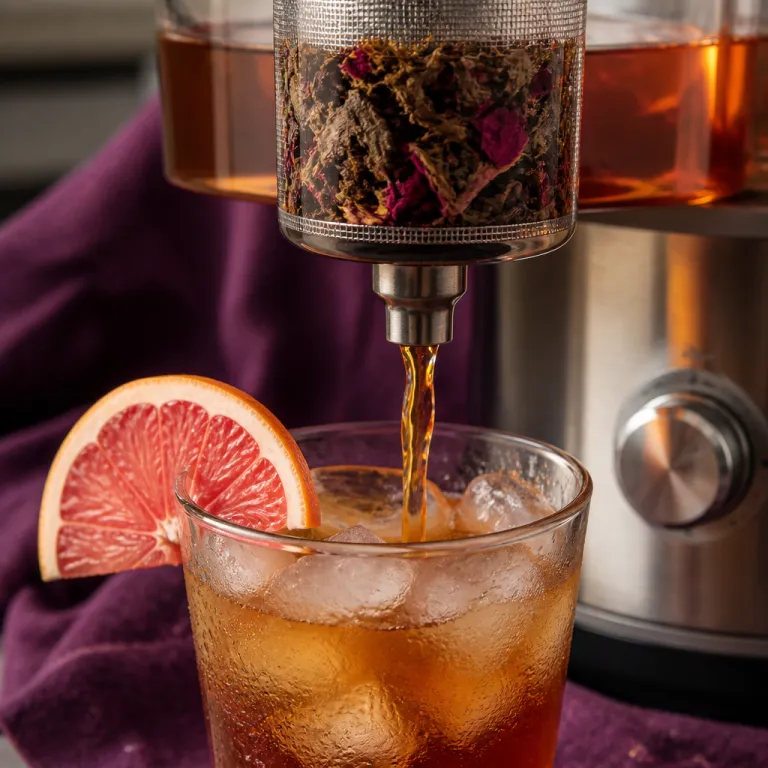
Why iced tea makers matter for electric kettle users
Electric kettle owners often look for a simple way to extend their hot tea routine into refreshing iced tea. A dedicated iced tea maker or a versatile electric kettle with a compatible tea infuser lets you control brewing strength precisely, then cool the drink quickly over ice for a clean, balanced flavour. When you understand how water temperature, brew strength, and contact time interact, you can move confidently between hot tea, iced tea, and even iced coffee without wasting leaves, beans, or energy.
Many people already use their kettle for coffee or instant drinks, yet overlook how well it can support cold brew and flash chill methods. By pairing a kettle with a glass pitcher or a purpose built tea pitcher that includes a removable filter basket, you can brew hot, then chill iced tea safely in the refrigerator while reducing cloudiness and bitterness. This approach turns a basic machine into a flexible iced tea maker that handles loose tea, tea bags, and even fruit infusions with equal ease.
For households that value privacy and minimal countertop clutter, combining an electric kettle with compact iced tea makers avoids buying a bulky standalone machine. You simply heat water in the kettle, pour it over tea in a reusable filter inside a glass pitcher, then add ice to reach the perfect iced strength. This modular setup is easy to clean, often dishwasher safe, and lets you upgrade individual parts such as the filter or pitcher without replacing the entire maker.
Choosing the right tea infusers and strainers for iced tea makers
The heart of any reliable iced tea maker is its filter system, especially when you brew loose tea rather than only using tea bags. A fine mesh tea infuser or permanent filter prevents leaves from slipping into the glass pitcher while still allowing full flavour extraction during brewing. When you pair a high quality infuser with correctly heated water from an electric kettle, you gain consistent brew strength and fewer bitter notes in both hot and iced tea.
Look for infusers that are easy to open, removable, and fully dishwasher safe, because residue from fruit, coffee, or herbal blends can quickly build up. A reusable filter made from stainless steel or durable plastic reduces waste compared with disposable paper filters, and it works well for both cold brew and flash chill methods. If you often prepare large batches in a tall tea pitcher, choose a long filter basket that reaches deep into the water so every scoop of loose tea is immersed evenly.
Some iced tea makers, including models inspired by the Takeya Flash style of brewing, use a slim permanent filter that locks into the lid of a glass pitcher. This design allows vigorous shaking to chill iced tea quickly without leaks, while the removable water tight seal protects your refrigerator from spills. To refine your technique and understand how infusers interact with kettle heated water, you can study general guides on enhancing your brewing experience with a tea infuser, then apply the same principles to iced tea makers at home.
From hot kettle to cold carafe: methods for brewing iced tea
There are three main ways electric kettle users turn hot water into iced tea at home. The first is the classic hot brew method, where you steep tea in a tea maker or pitcher, then pour the concentrate over ice to reach the desired strength. The second is cold brew, which uses room temperature or cold water in a glass pitcher with a reusable filter, while the third is flash chill brewing that resembles the Takeya Flash approach.
With hot brewing, you heat water in the kettle, pour it over loose tea or tea bags in a filter basket, then steep for a short time before diluting with ice. For example, brew 4 teaspoons of black tea in 500 ml of water at about 95°C for 3–4 minutes, then pour over a glass full of ice to make roughly 1 litre of chilled tea. This technique works well for black tea and herbal blends, and it can also produce a strong base for iced coffee when you swap leaves for medium ground coffee in a compatible machine.
Cold brew takes longer, often 6–12 hours in the refrigerator, but it yields a smoother taste with lower perceived bitterness and a naturally sweet profile that many people prefer in perfect iced drinks. Flash chill brewing sits between these two methods, using hot water from the kettle for extraction, then rapidly cooling the brew in a chill iced environment with plenty of ice cubes. Some iced tea makers and Capresso iced style machines include a dedicated water tank and removable water reservoir to manage this process safely.
Balancing flavour, strength, and capacity in iced tea makers
People who already own an electric kettle often underestimate how much control they have over brew strength in iced tea makers. The ratio of tea to water, the temperature you choose on the kettle, and the time you leave the leaves in the filter all shape the final flavour. As a starting point, use about 1 teaspoon of loose tea per 120 ml of water for hot tea, then increase the amount of tea by 50–100 percent when you plan to dilute the brew with ice.
Many modern tea maker designs include adjustable brew strength settings or simple markings on the glass pitcher to guide leaf quantities. A permanent filter or reusable filter basket helps maintain consistent extraction, because the mesh size and depth remain the same from batch to batch. If you use fruit slices, herbs, or even a little coffee in experimental blends, keep them in a separate removable filter so they do not overpower the main tea profile.
Capacity also matters, especially for families who drink iced tea daily and want a perfect iced supply ready in the refrigerator. A large tea pitcher with a sturdy handle and a secure lid protects both flavour and privacy when guests open the fridge, while a compact water tank on the kettle keeps refilling easy. When you evaluate options on retail platforms such as Amazon, compare not only the size of the glass pitcher but also whether the parts are dishwasher safe and how easily the removable water reservoir can be cleaned between tea and iced coffee sessions.
Cleaning, maintenance, and safety for kettles and iced tea gear
Hygiene is critical when you move between hot tea, iced tea, and cold brew in the same kitchen equipment. Residues from loose tea, tea bags, fruit, and coffee oils can cling to the filter basket, permanent filter, and water tank, gradually dulling flavours. Regular cleaning also protects the glass pitcher from staining and prevents odours that could compromise your sense of privacy about what you store in the refrigerator.
Electric kettles accumulate mineral scale from water, which affects heating efficiency and can alter brewing strength over time. A practical routine is to descale the kettle monthly using a vinegar solution or a manufacturer approved descaling product, following the appliance instructions for contact time and rinsing. Apply similar care to iced tea makers by rinsing the reusable filter after every brew, washing the glass pitcher with mild detergent, and checking that any removable water reservoir dries fully between uses.
Safety considerations extend beyond cleaning, especially when you pour boiling water from a kettle into a cold glass container. Always pre rinse the glass pitcher with warm water to reduce thermal shock, and avoid filling it completely before adding ice to chill iced drinks. Food safety recommendations from public health agencies generally advise refrigerating brewed tea promptly and discarding it within a day, so choose iced tea makers and tea pitchers with tight fitting lids and inspect the machine housing, cords, and lids regularly so your brewing setup remains reliable for both hot and cold beverages.
How electric kettle users can compare popular iced tea maker features
When you compare iced tea makers as an electric kettle owner, focus on how each model complements your existing routine. Some machines include a built in water tank and heating element, while others assume you will boil water separately and pour it into a tea pitcher or glass carafe. If you already trust your kettle for precise temperatures, a simpler iced tea maker with a high quality filter and dishwasher safe parts may be the smarter choice.
Pay attention to whether the design supports both iced tea and iced coffee, because this flexibility can replace a separate cold brew coffee maker on your counter. Models inspired by Takeya Flash concepts often highlight their ability to flash chill iced drinks quickly, using a permanent filter and a tight sealing lid for vigorous shaking. Capresso iced style machines, by contrast, may emphasize programmable brew strength, a removable water reservoir, and a filter basket optimized for either loose tea or tea bags.
Retail listings on Amazon and other platforms sometimes overwhelm shoppers with technical language about reusable filters, removable water tanks, and machine capacities. To cut through the noise, match each feature to a real habit, such as preparing fruit infused cold brew on weekends or keeping a perfect iced pitcher ready for family dinners. Over time, the best iced tea makers are the ones whose glass pitchers, filters, and accessories integrate so smoothly with your electric kettle that brewing becomes almost effortless.
Key statistics on iced tea, kettles, and home brewing
- Industry groups that track tea consumption in the United States report that iced tea represents a large majority of overall tea servings, which helps explain the rapid growth of home iced tea makers and compatible electric kettle accessories.
- Market research firms estimate that the global electric kettle market reached well over a billion U.S. dollars in annual revenue in the early 2020s, with a significant share driven by consumers who also prepare coffee and tea based cold drinks at home.
- Surveys from coffee trade organizations indicate that cold brew and iced coffee consumption has risen sharply over the past decade, encouraging manufacturers to design machines and glass pitchers that handle both coffee and tea with reusable filters.
- Consumer testing by independent organizations has shown that models with permanent filters and dishwasher safe glass pitchers can reduce long term ownership costs compared with machines that rely on disposable paper filters.
- Food safety guidance from public health agencies generally recommends refrigerating brewed tea soon after preparation and discarding it within about 24 hours, which makes the capacity and sealing quality of a tea pitcher or water tank crucial for home users.
FAQ about iced tea makers and electric kettles
Can I use any electric kettle with an iced tea maker
Most iced tea makers that rely on manual filling work well with standard electric kettles, as long as the kettle can heat water to the recommended temperature for the tea you use. Check that your glass pitcher or tea pitcher is heat resistant before pouring boiling water. If the iced tea machine has its own water tank and heating element, follow the manufacturer’s instructions instead of using external hot water.
What type of tea works best for iced tea
Black tea remains the classic choice for iced tea because it holds its flavour when diluted with ice or cold water. Green tea, oolong, and herbal blends also perform well, especially when you adjust brew strength and steeping time. For cold brew methods, choose high quality loose tea or large tea bags designed for longer extraction.
How do I prevent cloudy iced tea in my pitcher
Cloudiness often comes from rapid cooling or hard water minerals precipitating out of solution. To reduce this, let hot brewed tea cool slightly before adding large amounts of ice, or use a flash chill method that is designed for quick but controlled cooling. Using filtered water in your kettle and cleaning the reusable filter and glass pitcher regularly also helps maintain clarity.
Is a reusable filter better than disposable tea bags
A reusable filter or permanent filter is usually more economical and environmentally friendly than disposable paper filters or single use tea bags. It allows you to brew loose tea, which often offers better quality and more variety at a lower cost per cup. However, reusable filters require thorough cleaning to avoid flavour carryover between tea, coffee, and fruit infusions.
Can I brew iced coffee in an iced tea maker
Many iced tea makers can also handle iced coffee or cold brew coffee if the manufacturer confirms compatibility. Use a separate reusable filter or clean the existing filter basket carefully to prevent coffee oils from affecting later tea batches. Adjust grind size, brew strength, and steeping time according to coffee specific guidelines, since coffee extracts differently from tea.