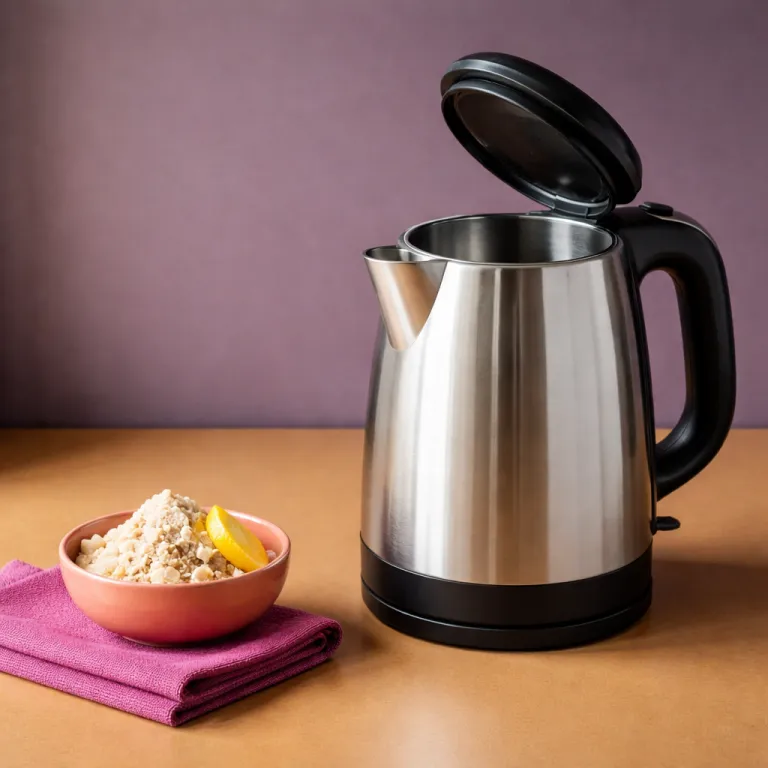
How to clean your electric kettle safely this spring
Why spring is the right time to clean your electric kettle
By early spring, most households have boiled kettle water several times a day. After months of heavy use with hard water, mineral deposits cling to the concealed element and creep up the walls of any electric kettle. That chalky ring is not just ugly, it slows the boil and can leave off flavours in tea and coffee.
A proper spring reset means more than a quick rinse to clean kettle interiors. It is a structured cleaning method that tackles limescale, checks the base and power cord, and restores safe performance for the next season of use. Think of it as a service for your kettle, the same way you would service a boiler or a coffee machine after a long winter.
The first sign that you need to clean electric appliances is usually noise or time. If your Fellow Stagg EKG or Breville IQ takes longer to boil or crackles loudly, hard water scale is already insulating the element. When you see flakes in kettle water or a dusty line around the spout, that is your cue to start a full clean electric kettle spring routine. Always read the user manual for your specific model before you begin, because some manufacturers advise against boiling vinegar, using strong acids, or soaking certain kettle types for long periods.
Step by step spring descaling: vinegar, citric acid and lemon
For a standard spring descale, fill kettle chambers with equal parts white vinegar and plain water, usually a 1:1 ratio such as 500 ml vinegar to 500 ml water in a one litre jug. This vinegar water mix should cover the mineral deposits on the base and reach just below the maximum line of the electric kettle. Switch the electric power on, let the solution heat or boil once if your manual confirms this is safe, then leave the hot liquid to sit for at least twenty minutes and no longer than one hour.
The acetic acid in kettle vinegar solutions dissolves limescale from hard water reasonably well. If the buildup is heavy, repeat the boil and leave cycle, or move to a stronger method using citric acid powder dissolved in warm water at roughly one tablespoon per half litre. For extreme crust on older Cuisinart CPK-17 models or similar stainless steel kettles, an overnight soak with citric acid and a lower amount of plain water can help remove stubborn scale without scrubbing the concealed element, provided the manufacturer does not warn against extended soaking or concentrated solutions.
Some people prefer a more natural scent and use lemon juice instead of vinegar water for their spring cleaning. You can slice a remaining lemon, add it to the jug, then fill kettle bodies with filtered water before you boil the mixture or heat it to just below boiling if the manual recommends gentler treatment. The citric compounds in lemon and the mild acid in bottled water based solutions are gentler, but they may need two or three cycles to clean kettle interiors that have seen years of hard water.
Deep clean checklist: filter, base, cord and exterior care
Once the interior scale is loose, start on the parts that actually keep the electric kettle safe. Remove the mesh filter at the spout, rinse it under running water, and use a soft cloth to wipe away any remaining mineral deposits. If the mesh is warped, torn or clogged even after cleaning, that is a sign you should replace it rather than trying another method.
Next, unplug the kettle and inspect the 360 degree base and power cord for corrosion or heat marks. Any greenish residue on the contacts, a cracked plastic base, or a frayed cord means the spring project shifts from clean electric maintenance to replacement planning. For most households, a sound base and cord will last many years, but heavy daily boiling in a damp kitchen can shorten that duration.
Exterior care depends on the finish, and this is where many people scratch their appliances. For brushed steel, use a damp cloth first, then follow with a microfiber cloth to wipe exterior surfaces in the direction of the grain. Painted kettles need only a soft damp cloth and gentle cleaning, while glass models benefit from filtered water rinses and a final dry with a clean microfiber cloth to avoid streaks. Never immerse the base or submerge the entire electric kettle in water, and follow any finish-specific advice in the manufacturer’s care instructions.
Rinsing, refilling and preventing future build up
After any acid based descale, you must flush the kettle thoroughly. Empty the vinegar water or citric acid solution, then fill kettle interiors with fresh tap water, boil, and discard at least twice. This step removes traces of white vinegar, lemon juice and any lingering odours so your next tea does not taste like salad dressing.
For households in hard water regions, prevention is the only realistic long term strategy. Using filtered water or even bottled water for your daily kettle water can dramatically lower amount of new scale that forms on the element. It will not eliminate mineral deposits entirely, but it stretches the time between deep cleaning sessions and keeps the spout from clogging as quickly.
As you reset your kitchen for spring, pair this routine with a wider hot drink audit. If you use a separate teapot with infuser for loose leaf tea, align its care with your kettle schedule and follow guidance from the original manufacturer’s cleaning instructions for that teapot. In the end, what matters is not the wattage on the box, but the tenth kettle of limescale you never let form because you clean, inspect and maintain the whole system regularly, always within the limits set out in the original user manual and any relevant consumer safety advice.
FAQ
How often should I clean my electric kettle in hard water areas ?
If you live with hard water, aim to clean kettle interiors every four to six weeks. A quick visual check of mineral deposits on the base is a reliable sign that it is time. Heavy tea and coffee drinkers who boil several times a day may need a full clean electric kettle spring style routine at least twice a year, or as often as the manufacturer’s maintenance schedule suggests.
Is vinegar or citric acid better for deep descaling ?
White vinegar mixed with equal parts water works well for light to moderate scale. Citric acid powder dissolved in warm water is usually more effective for thick, crusted deposits that resist a single vinegar water cycle. If the smell of kettle vinegar bothers you, lemon juice and citric acid offer a neutral scent while still using acid to remove limescale, but always check that these agents are approved for your kettle’s interior material in the care guide.
Can I use baking soda inside my kettle ?
Baking soda can help with odour, but it does not dissolve hard water scale as effectively as white vinegar or citric acid. If you use soda, apply it only after the main acid based cleaning method, then rinse thoroughly. Never boil a thick soda paste directly on the element, because it can leave residue and interfere with the thermostat, and avoid any abrasive scrubbing that could damage non-stick linings.
How do I clean the exterior without damaging the finish ?
Always start with a soft damp cloth and avoid abrasive pads on any electric kettle. For stainless steel, follow with a microfiber cloth to wipe exterior panels dry and prevent streaks. Painted or plastic bodies only need gentle cleaning, while glass kettles benefit from filtered water rinses and careful drying to keep them clear.
When should I replace the base or power cord instead of cleaning ?
If you see burn marks, melted plastic, loose contacts or a frayed cord, cleaning is no longer enough. Those are safety critical signs that the base or cord of the electric kettle should be replaced, or the whole unit retired. During a spring reset, always unplug first, inspect the underside of the base, and treat any structural damage as a reason to stop using the appliance immediately and consult a qualified repair service, a certified electrician, or the manufacturer’s support line.