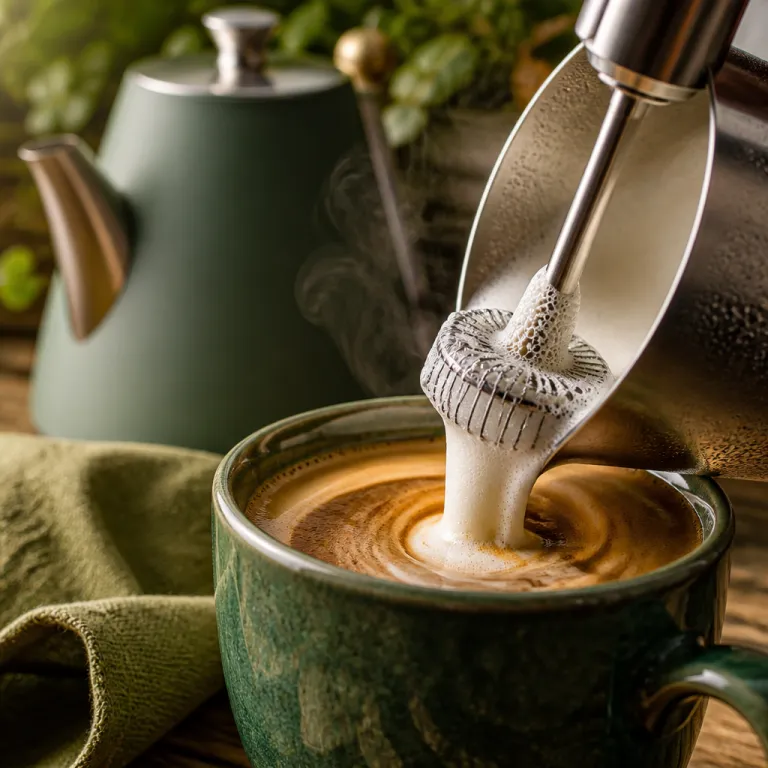
What is a milk frother and how does it work ?
A milk frother is a compact kitchen appliance that whips milk into light, airy foam. By rapidly agitating the liquid with a spinning whisk, magnetic disk, or steam wand, the frother traps tiny air bubbles and changes both texture and mouthfeel. This process of aerating and emulsifying milk turns a simple cup of coffee into a creamy latte, cappuccino, or flat white style drink.
When people ask what is a milk frother, they usually want to know what it does beyond making milk hot. A typical electric milk frother will both foam milk and warm it, while manual frothers and handheld wand frothers focus mainly on creating froth and rely on a separate heat source. All types of milk frothers aim to produce stable milk foam that sits on top of espresso or strong coffee and supports basic latte art or simple patterns.
Inside an automatic milk frother, a small whisk or magnetic rotor rotates quickly to create foam from hot or cold milk. Some models let you choose between hot cold settings, so you can froth cold milk for iced coffee or prepare hot milk for a classic latte or hot chocolate. The result is frothed milk with a silky microfoam texture that pairs well with espresso from either standalone espresso machines or a compact espresso machine built into a countertop unit.
Types of milk frothers and the role of electric kettles and tea accessories
There are three main types of milk frothers that most customer guides mention. Handheld wand frothers are battery powered tools that you dip into a cup of milk to froth milk directly, while jug style electric frothers heat and froth milk in a small pitcher. Manual pump frothers use a plunger to force air through the milk and create foam without electricity, making them popular for travel or minimalist kitchens.
Each type of milk frother handles different types milk with varying success, and that matters if you enjoy both dairy and oat milk. Automatic jug frothers usually manage hot milk and cold milk programs, giving you preset frothing milk options for cappuccino style foam or smoother latte texture. Handheld frothers are flexible and inexpensive, but they rely on a separate way to make milk hot, such as an electric kettle used alongside tea infusers and strainers for brewing tea or herbal blends.
People who already own an electric kettle and use a dedicated tea infuser for loose leaf tea often add a compact frother to expand their hot drink routine. In that setup, the kettle heats water for tea while the milk frother prepares frothed milk for coffee or chai lattes. This combination of kettle, tea accessories, and milk frothers creates a versatile home beverage station that rivals many cafés and supports both coffee and tea drinkers.
Milk, foam, and texture: choosing the right type of milk
The quality of foam from any frother depends strongly on the type of milk you pour into the jug. Whole milk usually produces rich foam with a dense texture, while skim milk creates larger bubbles and a lighter froth that feels less creamy. When people ask what milk works best, baristas often recommend trying several types milk to match your taste and your espresso based drinks, including 2% milk for a balance of sweetness and structure.
Plant based options behave differently in a milk frother, especially popular choices like oat milk. Many brands now sell barista style oat milk that is formulated to froth milk more reliably and hold foam on top of espresso or filter coffee. These products help home users achieve frothed milk that supports simple latte art even without professional espresso machines or a commercial steam wand, and they often list recommended frothing temperatures on the carton.
Temperature also shapes the final milk froth, whether you use dairy or cold milk alternatives. Most electric milk frothers heat milk hot enough for comfort but below boiling, typically around 60–70 °C (140–158 °F), which protects sweetness and prevents a cooked flavour. If you prefer iced drinks, choose a product with a cold frothing mode so you can create foam from cold milk and pour it over chilled espresso or strong brewed coffee from a kettle cleaned regularly with a dedicated metal milk jug and descaling routine.
From espresso to latte art: how frothers fit into your coffee setup
A milk frother becomes most useful when paired with a reliable source of espresso or strong coffee. If you own an espresso machine with a built in steam wand, you can steam and froth milk directly, but many compact espresso machines have limited steam power. In those cases, a separate frother will create more consistent foam while the espresso machine focuses on pulling shots with good crema and balanced extraction.
People who brew coffee with pour over cones, French presses, or electric kettles often rely entirely on standalone milk frothers. They heat water in the kettle, brew coffee, then use a wand frother or jug frother milk device to prepare frothed milk for homemade lattes. This setup allows you to experiment with latte art at home, even without a traditional steam wand, as long as the foam has the right texture and microfoam quality for pouring hearts or simple rosettas.
To keep flavours clean, it helps to maintain both your coffee gear and your kettle with regular cleaning. For example, using a white vinegar coffee maker cleaner method, as explained in a detailed guide on how to use white vinegar coffee maker cleaner, prevents mineral buildup that can affect water taste. The same principle applies to milk frothers, where an easy clean design and quick rinsing after each use will protect both the product and the flavour of your espresso based drinks.
Practical buying advice: price, features, and customer priorities
When evaluating what is a milk frother worth in your kitchen, start with your daily habits. If you drink one latte per day, a simple handheld frother with no heating function might suit you, especially when you already use an electric kettle to make milk hot. For households that prepare several coffees, an automatic milk frother with hot cold programs and a larger capacity will save time and reduce waiting between drinks.
Price varies widely between basic wand frothers and premium jug style milk frothers that match high end espresso machines. A budget product may offer only one frothing milk speed, while mid range models include multiple foam density settings and an easy clean nonstick interior. Higher price options sometimes integrate temperature control, letting you choose whether to froth milk for cappuccino, heat hot milk for hot chocolate, or prepare cold foam for iced coffee at the touch of a button.
Customer reviews often highlight reliability, noise level, and how well the frother milk device handles different types milk. Pay attention to comments about whether the frother can create stable foam from oat milk and other alternatives, since some units struggle with plant based options. A clear warranty, accessible spare parts, and responsive support will also influence long term satisfaction with any milk frother purchase, especially if you use it daily.
Care, cleaning, and integrating frothers with electric kettles and tea tools
Proper maintenance extends the life of both milk frothers and electric kettles, while also protecting drink quality. Many jug style frothers feature removable whisks and nonstick coatings that make them easy clean appliances, but they still require gentle hand washing. Leaving dried milk inside any frother will damage the surface and affect the flavour of future coffee drinks, and it can also shorten the life of the heating element.
For handheld wand frothers, rinse the whisk immediately after frothing milk, then briefly run it in clean hot water. This quick habit prevents residue from hardening and keeps the wand ready to create foam from either hot milk or cold milk whenever you want a latte. Pairing a well maintained frother with a descaled kettle and clean tea infusers and strainers ensures that both coffee and tea taste fresh and that no off flavours creep into delicate drinks.
Organising your counter so that the kettle, tea accessories, espresso machine, and milk frother sit together will streamline your routine. You can boil water for tea, pull espresso shots, and froth milk in sequence without moving between rooms or searching for tools. Over time, this integrated setup turns simple questions like what is a milk frother into practical experience, as you learn exactly how different frothers, types milk, and temperatures shape the final milk froth in your cup.
Key statistics about milk frothers, coffee habits, and electric kettles
- Market researchers report that global sales of milk frothers exceeded several hundred million euros in recent years, reflecting strong demand for café style coffee at home; for example, multiple small appliance reports show steady year on year growth in this category.
- Surveys from major coffee chains indicate that more than half of specialty coffee drinks sold include some form of frothed milk, which explains why home users increasingly ask what is a milk frother and how it can replicate those textures with simple countertop devices.
- Consumer studies on electric kettles and tea accessories show that households owning both a kettle and a dedicated coffee maker are significantly more likely to purchase standalone frothers, because they already prepare hot drinks daily and want to upgrade them.
- Energy efficiency comparisons suggest that using an electric kettle to heat water and a compact frother to heat milk can consume less electricity than running a large espresso machine with a powerful steam wand for every drink, especially in small households.
FAQ: common questions about milk frothers
What is a milk frother used for in everyday coffee ?
A milk frother is used to whip milk into foam so you can prepare drinks like lattes, cappuccinos, and flat whites at home. It changes the texture of both dairy and plant based milk, making coffee taste creamier and more indulgent. Many people pair a frother with an electric kettle and simple coffee maker instead of buying a full espresso machine.
Can a milk frother work with oat milk and other alternatives ?
Most modern milk frothers can handle oat milk, soy milk, and other alternatives, but the foam quality varies. Barista style versions of these drinks are formulated to froth milk more easily and hold foam on top of espresso. If you mainly use plant based options, check customer reviews to see how well a specific product manages different types milk and whether it can create fine, stable microfoam.
Do I need an espresso machine if I already own a milk frother ?
You do not strictly need an espresso machine to benefit from a milk frother. Many people brew strong coffee with a moka pot, AeroPress, or pour over kettle, then add frothed milk for a latte like drink. An espresso machine with a steam wand offers more control, but a separate frother still improves texture even with basic coffee makers and compact drip machines.
How should I clean a milk frother to keep it safe and hygienic ?
Cleaning routines depend on the design, but most jug style frothers should be rinsed immediately and then washed with mild detergent once they cool. Handheld wand frothers usually need only a quick spin in hot water followed by drying. Choosing an easy clean model and avoiding abrasive tools will protect the coating and keep milk residues from affecting flavour or causing unpleasant odours.
What features justify a higher price for a milk frother ?
Higher price frothers often include precise temperature control, multiple foam density settings, and better build quality. Some models offer separate hot cold programs, allowing you to create both hot milk foam for cappuccinos and cold foam for iced coffee. Quieter operation, sturdier whisks, and longer warranties also contribute to the overall value of a premium milk frother and can make daily use more enjoyable.