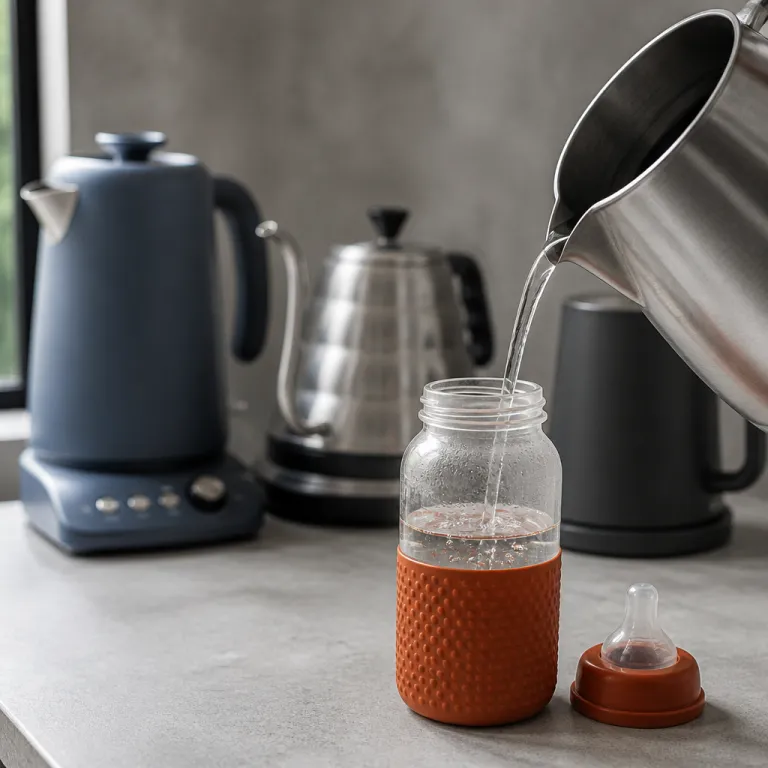
Why kettle baby formula temperature matters more than the marketing
Safe feeding for a baby starts with understanding water, heat and time. When you prepare baby formula, the temperature of the water is not a minor detail but the core safety control that protects babies from bacteria in powdered formula. A modern electric kettle that heats water precisely can turn a chaotic night feed into a predictable, repeatable routine.
Health authorities such as the World Health Organization (WHO) and the UK National Health Service (NHS) advise that you boil water fresh from the tap, then let that boiling water cool so it stays at no lower than 70 °C before you add infant formula powder. That specific temperature range matters because powdered formula and its dry content are not sterile, and harmful bacteria such as Cronobacter sakazakii and Salmonella can survive in warm but not sufficiently hot water. If you only use warm tap water or a generic bottle warmer that never reaches 70 °C, you may keep the feed baby comfortable but you do not reliably kill those bacteria.
For parents in the United States and elsewhere, the confusing part is that many baby products talk about “body temperature” feeds without explaining how to get there safely. The safest sequence is simple but strict, and it always starts with boiling water in a kettle, cooling it briefly, then mixing the baby formula and finally chilling the feeding bottle under cold running tap water. Once you understand that kettle baby formula temperature rule, you can judge every electric kettle, bottle warmer and other baby essentials by one question: does this product help me hit that 70 °C point quickly, accurately and repeatably.
How to hit the right temperature step by step, every single feed
Think of each feed as a short, repeatable lab experiment rather than a rushed guess. You start with cold tap water in the electric kettle, bring it to a rolling boil, then let that boiling water sit for no longer than 30 minutes so the temperature stays above 70 °C. Instead of relying on rough estimates about how fast 1 litre or 250 ml cools, use a food safe thermometer or a built in temperature probe to confirm that the hot water has dropped into the 70–80 °C range before you add powdered formula.
Pour the hot water into a clean feeding bottle, add the powdered formula following the manufacturer instructions exactly, then swirl until the content is fully dissolved. At this stage the formula water is too hot for babies, so you cool the bottle under running tap water or in a clean bowl of cold water until it feels warm, not hot, on the inside of your wrist. Parents who try to shortcut this by using pre boiled water that has been left at room temperature for many hours, or by topping up a bottle with hot water from a store bought thermos, lose the safety benefit of that initial boil and the 70 °C contact time.
Electric kettles with a keep warm or hold feature make this routine easier during the night, because the kettle heats water once then keeps it near the right temperature instead of forcing you to boil water from scratch for every feed. You still need to start with a full boil at least once, but a good electric kettle then heats water back to a preset point quickly, which means less waiting while a baby cries. If you also warm expressed breast milk or ready to feed baby formula in a bottle warmer, remember that the warmer heats only the prepared bottle and never replaces the need to boil water for powdered formula.
Parents who enjoy tea or coffee will already know that different drinks taste better at different temperatures, and the same logic applies when you prepare water formula for an infant. A kettle that can hold 70 °C for half an hour gives you enough time to sterilise a feeding bottle, measure the product and feed baby without rushing. If you care about the rest of your hot drink ritual too, a separate guide on choosing the right tea set for your electric kettle experience at this detailed tea set guide shows how one reliable kettle can serve both adults and babies safely.
Quick checklist for every bottle
- Boil fresh tap water in the electric kettle until it reaches a rolling boil.
- Let the boiled water cool briefly, then confirm it is still at or above 70 °C with a thermometer or probe.
- Pour the hot water into a clean feeding bottle and add the exact amount of powdered infant formula.
- Mix thoroughly, then cool the bottle in cold water until the feed feels comfortably warm on your wrist.
- Use the prepared formula within two hours at room temperature or store it in the fridge and use within 24 hours.
Which electric kettles actually work for baby formula, not just tea
Most kettles are designed for tea drinkers, not sleep deprived parents trying to manage kettle baby formula temperature at 03:00. Variable temperature models such as the Cuisinart PerfecTemp, the Breville IQ and the Cuisinart CPK 17 give you presets around 70–80 °C, plus a keep warm function that holds that temperature for about 30 minutes. That combination means the kettle heats water to a safe level for powdered formula, then keeps it there long enough to prepare more than one feeding bottle in a row, though the exact hold temperature can drift a few degrees depending on room conditions and how often you lift the jug.
The Cuisinart PerfecTemp has a 70 °C preset that aligns neatly with guidance for preparing infant formula, and its concealed element and 360 degree base make it easy to lift and pour while holding a baby. The Breville IQ does not offer a 70 °C button but its 79 °C (175 °F) preset still gives you hot water that is well above the safety threshold, and its hold feature keeps that temperature stable without re boiling to a full rolling boil every time. Budget electric kettle models with a simple adjustable dial can also work, but you should test them with a separate thermometer or a dedicated temperature probe, as explained in this guide on the importance of temperature probes in electric kettles at this temperature probe explainer.
Speed matters when you feed baby several times a night, so look for an electric kettle rated at 2 000 watts or more, which usually heats 500–750 ml of water from cold tap water to around 70 °C in under two minutes. Larger volumes or lower wattage elements will take longer, so compare power ratings with the capacity you actually plan to boil. Ignore vague online claims from some products on Amazon that a generic bottle warmer heats water faster; in practice, a good kettle plus a simple bottle warmer for breast milk or ready made baby formula is a more flexible and reliable combination.
Parents in the United States often ask whether they can rely on a single hot water dispenser or instant formula water machine instead of a separate electric kettle. These machines promise that the warmer heats water to the perfect baby formula temperature automatically, but you still need to check that the product can reach at least 70 °C and that it follows strict manufacturer instructions for cleaning. If you cannot verify that, a straightforward electric kettle and a clear routine remain the top baby friendly option.
Safety, storage and what not to do with formula water
Once you have the right kettle baby formula temperature routine, the next risk is how long you keep prepared feeds. Prepared formula water in a feeding bottle is a rich food for bacteria, so it should be used within two hours at room temperature or stored in the fridge and used within 24 hours if you must prepare in advance. These time limits are consistent with WHO and NHS advice on safe handling of made up infant formula. Leaving a bottle on a bedside table for a week or even overnight is not safe, no matter how carefully you boiled the water at the start.
Never reheat mixed formula in an electric kettle or on the hob, because that uneven heat can damage nutrients and create hot spots that burn a baby’s mouth. If you need to warm a refrigerated bottle of infant formula or expressed breast milk, use a dedicated bottle warmer or a jug of hot water from the kettle, and always swirl and test the temperature on your wrist before you feed baby. The warmer heats the outside of the feeding bottle gently, while the hot water from the kettle stays separate from the formula content inside.
Storage rules also apply to the dry baby formula itself, which you should keep in a cool, dry place and close tightly after each use. Do not store the tin above a cooker where hot water steam can enter, and always follow the manufacturer instructions on how long an opened product remains safe. Buying multiple large tins from Amazon or another store may look economical, but if you cannot use that powdered formula before its expiry date, you are paying for baby essentials that you will throw away.
Parents sometimes ask whether repeatedly re boiling water in an electric kettle is harmful for babies, because of minerals or other content in tap water. For most households using safe municipal tap water, re boiling is more of a limescale issue for the kettle than a health issue for babies, though you should still empty and refill the kettle at least once a day. The real danger is using water that has been boiled once then left at room temperature for many hours, because that formula water is no longer hot enough to kill bacteria when you finally add the powdered formula.
Accessories, thermometers and making the routine work at 03:00
Even with a good electric kettle, a cheap digital thermometer or a built in temperature probe can remove the last guesswork from kettle baby formula temperature. If your kettle lacks a 70 °C preset, you can boil water, let it cool for a set number of minutes, then check the temperature directly before you add powdered formula. Over a week of feeds you will learn how long your specific kettle and kitchen take to cool from boiling water to safe but still hot water.
Some parents like to keep a small insulated flask of hot water on the bedside table, filled from the kettle after a full boil, then use a separate bottle of cooled boiled water to adjust the final temperature in the feeding bottle. That method can work if you are disciplined about discarding unused hot water after a few hours and never letting the warmer heats water sit all day, but it is still more complex than using a variable temperature electric kettle with a keep warm feature. Whatever method you choose, the goal is the same: hot water above 70 °C for safety, then a quick cool down so the baby formula reaches a comfortable feeding temperature.
Do not overlook simple baby essentials such as a clear measuring jug, a timer and a safe place to store clean bottles between feeds. A tidy feeding station near the kettle reduces the chance that you will mix the wrong amount of water formula or forget to tighten a bottle lid in the dark. When you are half awake, the best safety feature is not a fancy product but a routine that is so simple you can follow it without thinking.
Parents who enjoy well made kitchen tools often care about aesthetics too, and there is nothing wrong with choosing an electric kettle that looks good next to a vintage copper tea kettle, as explored in this article on why a vintage copper tea kettle is still a charming choice for your kitchen at this vintage copper kettle guide. Just remember that for baby formula, performance always outruns style, and the only beauty that matters is water at the right temperature in a clean feeding bottle. In the end, what keeps babies safe is not the wattage on the box but the tenth kettle of limescale you bothered to descale before the next night feed.
FAQ
What is the safest kettle baby formula temperature for powdered formula
The safest kettle baby formula temperature for powdered formula is water that has been brought to a full boil and then cooled to no lower than 70 °C before you add the powder. This temperature is hot enough to kill bacteria that may be present in non sterile baby formula, including Cronobacter, while still cool enough that the prepared feed can be brought down to drinking temperature quickly under cold running tap water. Always follow the manufacturer instructions on the tin as well as national health guidance for infant feeding.
Can I use room temperature tap water in a feeding bottle
Room temperature tap water should not be used directly in a feeding bottle with powdered formula, because it has not been boiled and is not hot enough to kill bacteria in the powder. You should always boil water first in an electric kettle, then let that boiling water cool briefly so it remains above 70 °C when you mix the formula. Once the formula water is prepared, you can cool the bottle to a comfortable temperature before you feed baby.
Is a bottle warmer enough, or do I still need an electric kettle
A bottle warmer is useful for bringing chilled breast milk or ready made baby formula up to feeding temperature, but it does not replace an electric kettle for powdered formula. To prepare powdered infant formula safely, you must start with boiling water from a kettle and then cool it to the correct range before mixing. The warmer heats only the finished bottle, while the kettle provides the hot water needed to make the formula safe in the first place.
How long can I store prepared baby formula safely
Prepared baby formula should be used within two hours if kept at room temperature, or within 24 hours if cooled quickly and stored in the fridge. These storage times match WHO and NHS guidance that made up formula should not be left at room temperature for extended periods because bacteria multiply quickly in the nutrient rich content. If a feed has been left out too long, it is safer to discard it and prepare a fresh bottle with newly boiled water.
Does re boiling water in the kettle make it unsafe for babies
Re boiling water in the kettle is usually not harmful for babies when you use safe municipal tap water, though it can increase limescale build up inside the kettle over time. The bigger risk is using water that was boiled once, left to cool completely and then reused later for powdered formula, because it will no longer be hot enough to kill bacteria in the powder. For each feed, it is best to boil fresh water, cool it to the correct kettle baby formula temperature and then prepare the bottle.