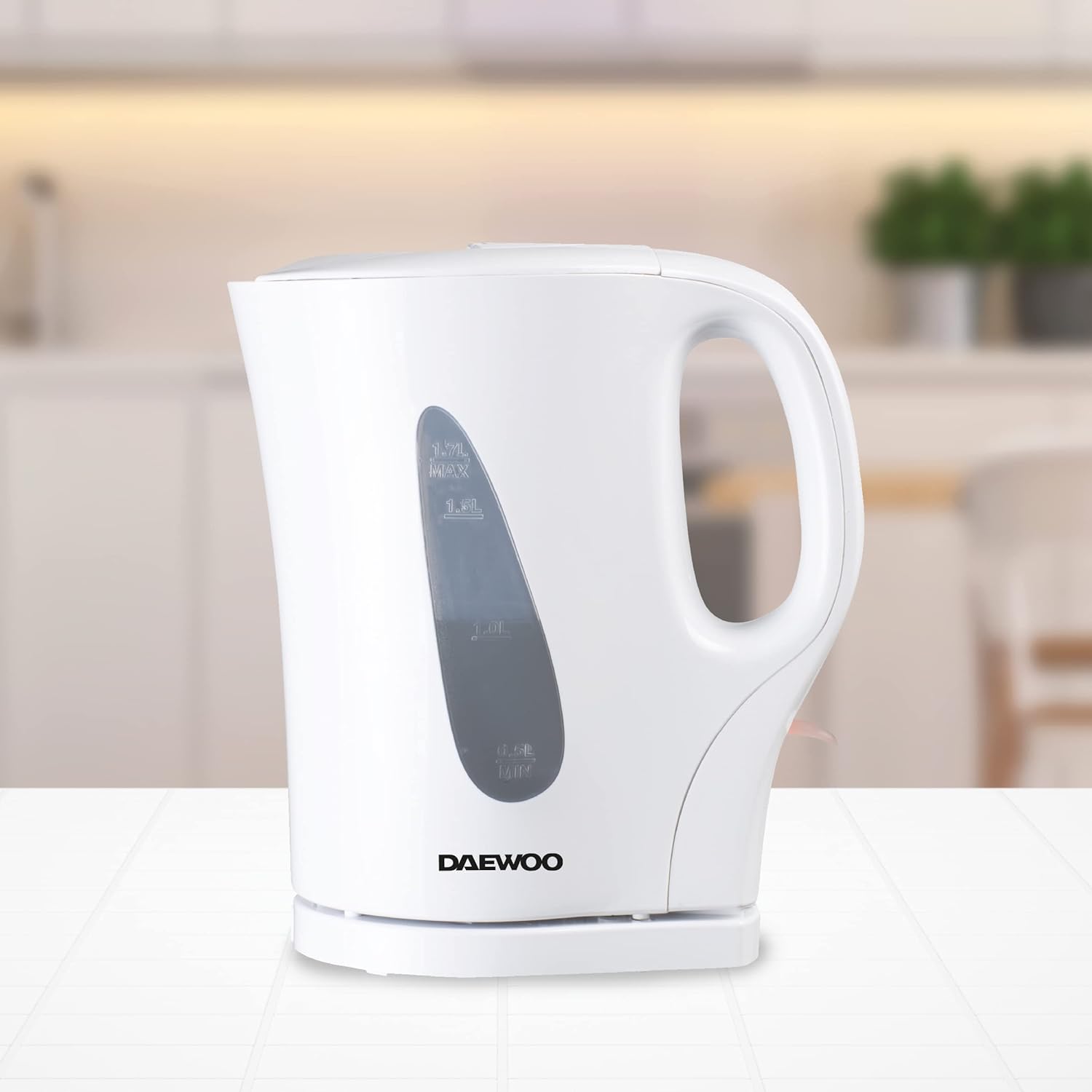
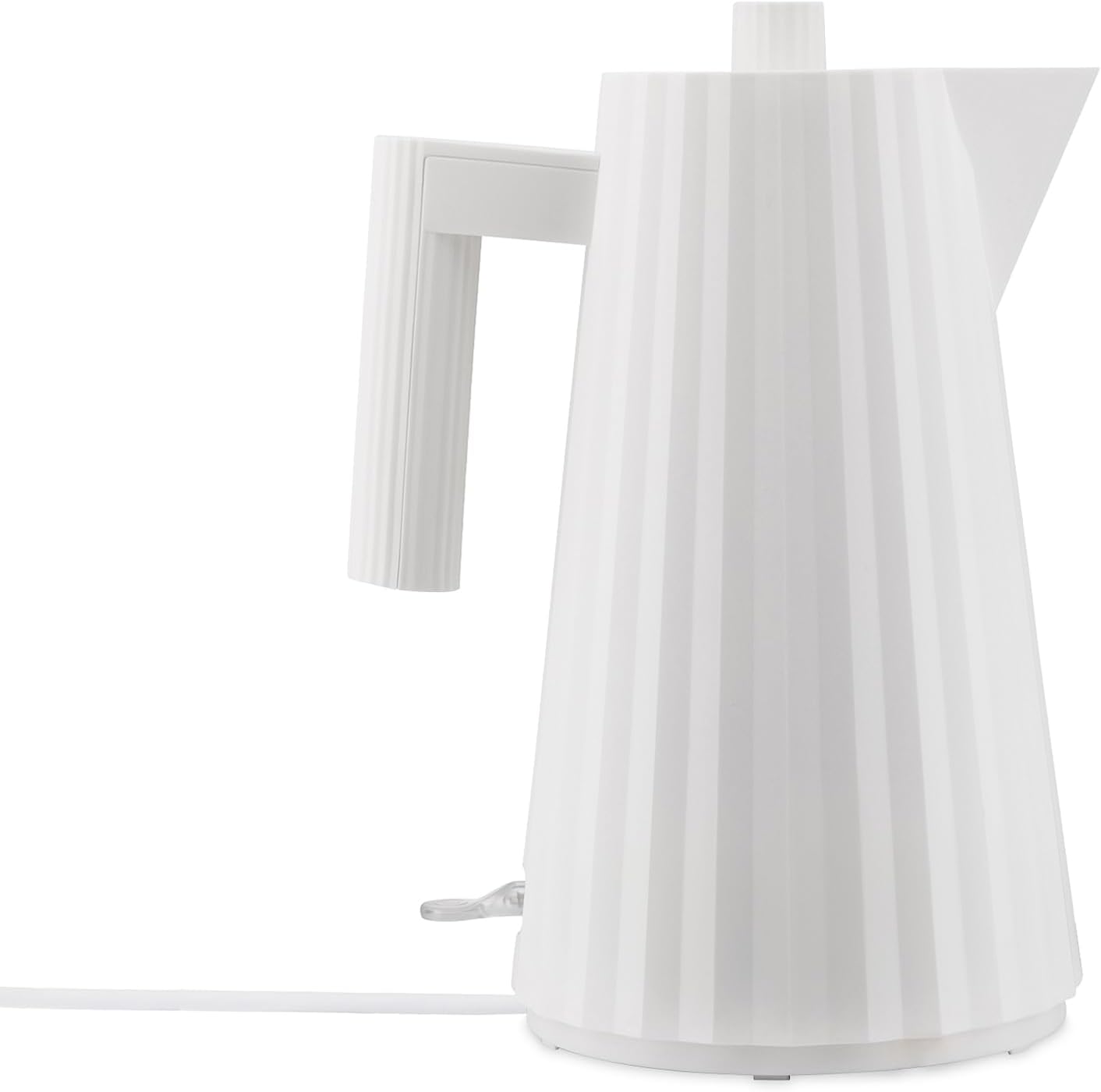
Safety, materials and plastic contact with boiling water
Safety is the main concern people raise about plastic electric kettles and boiling water. Modern designs often combine a plastic shell with a stainless steel interior so the water only touches stainless steel while the outer plastic stays cool and easy to handle. When a kettle is advertised as BPA free or plastic free inside, it usually means the inner chamber and spout are stainless steel or glass rather than kettle plastic, and that the polymers used in any remaining parts meet recognised food contact standards.
Look carefully at how the lid, spout and filter are built because these parts may still involve plastic contact with hot water or steam. Some of the best plastic electric kettles use a stainless steel spout and mesh filter, while others rely on high grade plastic that is certified BPA free but still not entirely plastic free. If you are highly sensitive about materials, consider hybrid models where the electric kettle body is plastic for insulation but the inner wall is glass or stainless steel, and confirm this in the manufacturer’s specification sheet or user manual.
Safety also includes electrical and thermal protections that prevent accidents. A reliable water boiler must offer boil dry protection and automatic shut off so the heating element stops when there is no water left. Many Hamilton Beach and Cuisinart electric kettles include a keep warm function, but they still rely on auto shut mechanisms to avoid overheating the plastic handle or base and to comply with household appliance safety standards.
For readers focused specifically on safer materials, a detailed comparison of top BPA free plastic electric kettles can help narrow the field. For instance, the Cuisinart CPK-17 (1.7 litre, 1500 watt) uses a stainless steel interior with a plastic handle, while the Hamilton Beach 41020 (1.7 litre, 1500 watt) combines a stainless steel inner wall with a BPA free plastic lid and base; both minimise plastic contact while keeping the benefits of a lightweight electric design and make descaling straightforward.
Temperature control, keep warm functions and brewing performance
Temperature control separates a basic plastic electric kettle from a serious brewing tool. Green tea, herbal tea and specialty coffee often require water below full boiling, so a variable temperature electric kettle gives you more precision. Models like the Cuisinart CPK series or advanced Hamilton Beach electric kettles let you choose specific temperature presets for different tea kettles and coffee methods, such as 70 °C for delicate green tea or around 90 to 96 °C for pour over coffee.
A keep warm function can hold hot water at a chosen temperature for a set time, typically 30 to 60 minutes according to many manufacturer specifications. This feature is useful when several people share one kettle and prepare tea or coffee in stages rather than all at once. Look for clear controls and an easy to read display so you know whether the water is at 70, 80 or 100 degrees Celsius before you pour, and check that indicator lights show when the heating element is active.
Gooseneck kettle designs, often seen in pour over coffee, are now available in plastic electric kettles with stainless steel spouts. A gooseneck kettle gives you slow, controlled pouring, which is ideal for manual coffee brewing and delicate electric tea infusions. When the outer body is plastic and the inner channel is stainless steel, you get both precise flow and reduced heat on the handle, which improves comfort during longer brewing sessions.
Some premium models, including certain Cuisinart CPK electric kettles, combine variable temperature, keep warm and strong boil dry protection in one package. Independent tests of 1.7 litre cordless kettles with 3 kilowatt concealed elements often report boil times of about 3 minutes for 1 litre of water, compared with roughly 4.5 minutes for 2.2 kilowatt versions, and these performance focused designs usually pair textured plastic shells with stainless steel interiors for durability.
Design, ergonomics and ease of use in plastic kettles
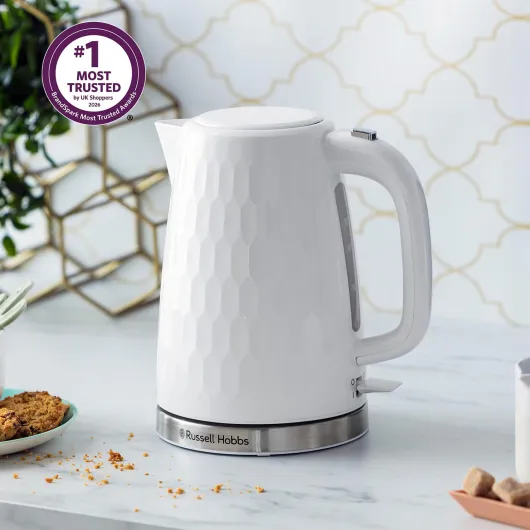
Design is not only about looks when you compare the best plastic electric kettles. A well shaped handle, balanced weight and smooth lid mechanism make daily use safer and more pleasant. Plastic offers advantages here because a plastic handle stays cooler than exposed stainless steel when the electric kettle is full of boiling water, and textured finishes can improve grip for wet hands.
Check how the lid opens and whether steam escapes toward your hand or away from it. Some kettles use a push button lid that flips open slowly, while others rely on a pull off lid that you remove completely before filling at the tap. The best electric kettles combine an easy lid with a wide opening so you can clean the stainless steel or glass interior without struggling and reach limescale deposits around the base.
Cordless bases and 360 degree rotation are now standard on most electric kettles. This design lets you place the kettle back on the base from any angle, which is especially helpful when the plastic body is large and full of hot water. Look for tidy cord storage under the base so the water boiler does not clutter your worktop and can be positioned close to a wall socket without trailing cables.
Some buyers also care about how a plastic electric kettle looks next to ceramic or glass appliances. If aesthetics matter, you might compare plastic models with ceramic electric kettles that are beautiful on the worktop but involve compromises in weight and durability. Plastic kettles often win on practicality, while stainless steel and glass tea kettles appeal to those who prioritise a more traditional appearance and the ability to see the water level at a glance.
Comparing plastic, stainless steel and glass electric kettles
Material choice defines how an electric kettle behaves over time. Plastic electric kettles are light, affordable and quiet, but they raise questions about plastic contact with boiling water and long term odours. Stainless steel electric kettles feel more robust and usually keep water hotter for longer, while glass kettles let you see the boiling water but can be heavier and more fragile if knocked against a sink or tap.
Many of the best plastic electric kettles use a hybrid construction where the inner wall is stainless steel and the outer shell is plastic. This approach reduces direct plastic contact with hot water while keeping the handle cool and the body lighter than full stainless steel. Some Hamilton Beach and Cuisinart models follow this pattern, combining a stainless steel interior with a plastic base and lid and clearly labelling the materials in their product descriptions.
Glass electric kettles often appeal to people who want visual confirmation of boiling and limescale. However, a glass tea kettle with a plastic handle and lid still involves some plastic components near steam and hot water. When comparing glass, stainless steel and plastic free interiors, focus on which parts actually touch the water and how the auto shut and boil dry protection systems are implemented, especially if the kettle will be used several times a day.
For coffee enthusiasts, a stainless steel gooseneck kettle with an electric base may offer the best pouring control. Yet some plastic gooseneck kettles with stainless steel spouts provide similar performance at a lower price and with cooler handles. The right balance depends on whether you value durability, weight, visibility of the water level or the feel of the handle in daily use, so it can help to compare a small shortlist of models side by side.
Where to buy and what to check before ordering online
Online marketplaces have made it easier to compare the best plastic electric kettles in detail. On Amazon and similar platforms, you can filter by capacity, temperature control, BPA free claims and customer ratings. Pay attention to photos of the interior to see whether the water touches stainless steel, glass or exposed kettle plastic, and read the specification table for the exact wattage and volume.
Brand reputation still matters when you choose an electric kettle that will be used many times a day. Names like Cuisinart, Hamilton Beach and other established manufacturers usually offer better quality control, clearer safety certifications and more reliable auto shut systems. Read reviews that mention how long the water boiler lasted, whether the lid mechanism stayed easy to use and if any plastic odour appeared over time or faded after a few boils.
Check the warranty length and availability of replacement filters or lids before you commit. A tea kettle or electric tea model with a removable filter is easier to descale, which keeps boiling time short and protects the stainless steel interior. If you often prepare both tea and coffee, consider owning two kettles or at least cleaning the electric kettle regularly so flavours do not mix in the hot water and leave lingering tastes.
Finally, compare the noise level and cord length, details that many buyers overlook. Some plastic electric kettles are quieter than stainless steel models because the plastic shell dampens sound from the boiling water. A slightly longer cord can also make placement on the worktop easier, especially when several appliances share the same outlet or when sockets are hidden behind cabinets.
Key figures about plastic electric kettles and household use
- In many European households, electric kettles are used several times per day, which makes boil dry protection and auto shut features critical for long term safety and for preventing damage to the heating element.
- Typical power ratings for plastic electric kettles range from 1.5 to 3 kilowatts, and higher wattage models can reduce boiling time by roughly one third compared with older low power kettles when heating 1 litre of water from room temperature.
- Surveys of kitchen appliance buyers show that BPA free claims and reduced plastic contact with boiling water are now among the top decision factors, alongside price and capacity, especially for parents and frequent tea drinkers.
- Variable temperature and keep warm functions, once limited to premium stainless steel models, now appear in a growing share of mid range plastic electric kettles aimed at tea and coffee enthusiasts who want more control over brewing.