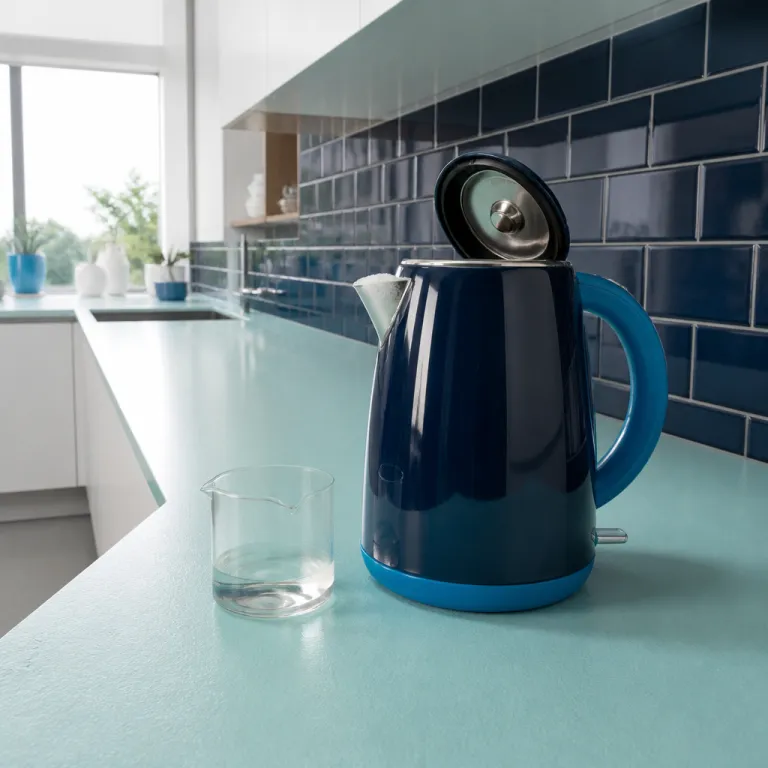
Why kettle safety standards matter in a busy kitchen
Most people assume any electric kettle on a shelf is automatically safe. In a kitchen where water, steam and high temperature meet thin plastic and hidden wiring, that assumption can be dangerously optimistic. When you boil water five or ten times a day, small flaws in kettle safety features turn into real risks over time.
Every modern electric kettle combines a powerful heating element, live electric connections and a sealed body that traps steam, so design mistakes can cause scalds, short circuits or even fires. The core safety features in these products are not marketing extras but engineered barriers between boiling water and your hands, between hot metal and your worktop, between an empty kettle and a glowing element. Good electric kettles treat safety as a system, not a sticker on the box, and that system is shaped by formal kettle safety standards such as BS EN 60335-2-15, which is aligned with IEC 60335-2-15 and referenced in UK and EU product safety regulations.
Think about how you actually use a water kettle during a rushed morning or family dinner. You fill it half way, turn the kettle electric on, walk away to make tea or prepare food, maybe forget it while helping a child or answering a call. Safe kettles are built for that reality, with auto shutoff, boil-dry protection, cool touch surfaces and stable bases that forgive human distraction rather than punish it. A quick pre-purchase checklist helps: look for a visible safety standard reference, a clear rating plate, and at least one independent certification mark before you ever plug the appliance in.
BS EN 60335-2-15 and what those safety marks really guarantee
BS EN 60335-2-15 is the key European and UK kettle safety standard that defines how household kettles must behave under normal and abnormal use. It sets strict limits on how quickly an electric kettle is required to switch off once boiling conditions are reached, how hot external plastic or stainless steel surfaces may become and how steam vents are positioned relative to the handle. For example, the standard specifies that automatic shutoff must occur within a short interval after boiling is detected and that accessible surfaces stay below defined temperature rises during type testing. When a kettle is designed and tested against this standard, it has been assessed using procedures that simulate years of daily boiling, splashing and rough handling in a typical kitchen.
On the box you will usually see CE or UKCA marks, which signal that the product claims to comply with BS EN 60335-2-15 and related rules under the relevant conformity assessment process. CE marking in the EU and UKCA marking in Great Britain are based on a manufacturer’s declaration that the appliance meets essential safety requirements, so neither mark alone proves that an independent lab has tortured the kettle with repeated boil water cycles, blocked steam vents or low water tests. For extra assurance, look for third party marks such as the BSI Kitemark or Intertek ETL, which indicate that accredited engineers have verified the safety features against the underlying kettle safety standard rather than just reading a checklist, often by running endurance tests that include hundreds of automatic switch-off cycles.
Online listings for cheap electric kettles and glass kettles often show only flattering lifestyle photos and a vague CE logo, with no close up of the rating plate or model number. That is a red flag, because missing identification makes it harder to trace recalls, such as the widely reported Zwilling Enfinigy handle issue documented in official recall notices from market surveillance authorities in the EU and UK. When you cannot see a clear model code, voltage, wattage and certification marks on the base or underside, you should treat that water kettle as an unknown risk, no matter how attractive the glass or stainless finish looks. A good product page will show a readable rating label; for example, an image with alt text such as “kettle rating plate showing 220–240 V, 50–60 Hz, 3000 W, CE and UKCA marks” gives you enough detail to verify what you are buying.
Auto shutoff, boil-dry protection and how they actually work
Auto shutoff is the headline safety feature in any electric kettle, yet most buyers never ask how it functions. In many stainless steel and plastic kettles, a small bimetallic strip sits near the steam path and bends when hot steam hits it, tripping the switch that cuts power to the heating element. In compliance tests based on BS EN 60335-2-15, this mechanism must operate reliably over many cycles and within a defined time window after boiling, so that the kettle does not continue to heat once water reaches 100 °C at normal pressure. Electronic designs in higher end electric kettles use temperature sensors on the base or inside the water chamber, which can be more precise but add complexity and cost.
Boil-dry protection is the second critical layer, stopping the kettle from heating when there is too little water to cover the element. In older stovetop kettles you simply heard the whistle fade when the water ran out, but in a modern kettle electric model the thermostat must sense rising metal temperature without the cooling effect of boiling water and shut down fast. BS EN 60335-2-15 requires that this happens before the element or surrounding materials reach unsafe levels under specified test conditions, yet some ultra cheap products still omit this protection or implement it with unreliable parts. Market surveillance reports from European authorities have documented non-compliant kettles where inadequate thermal cut-outs allowed components to overheat, leading to recall notices and sales bans.
Failures often show up only after months of limescale build up, when steam channels clog and the bimetallic strip no longer sees true boiling water conditions. That is why regular descaling and checking for delayed switch off are part of real world kettle safety features, not just maintenance chores. A simple home test is to fill the kettle to the minimum mark, bring it to the boil and time how quickly it shuts off; if it continues to boil vigorously for more than a brief interval, or if the base smells hot afterwards, the protection system may be degrading. For a deeper look at how internal wiring and plug design affect safety, especially around repeated high current draws, this guide on the role of plug connectors in electric kettles explains why a solid connection matters as much as a good thermostat.
Safe materials, cool touch design and everyday handling risks
Material choice in kettles is not only about style or taste but also about safety and food contact. Stainless steel bodies are tough and handle repeated boiling water well, yet they can become very hot to the touch unless the handle and lid are carefully insulated. Glass kettles made from borosilicate glass let you see the water level and boiling action, but they rely on robust seals between the glass and base to keep hot water away from electric parts.
Plastic electric kettles are lighter and often cheaper, so they dominate many family kitchens, but you should look for clearly labelled BPA free and food grade plastics in any product that touches water. When boiling water sits against low quality plastic over time, especially at high temperature, there is a risk of unwanted substances leaching into tea, coffee or cooking water. A well designed tea kettle or water kettle will combine stainless steel or borosilicate glass in the interior with limited, carefully chosen plastic parts, while keeping external handles and lids cool touch for safe pouring. Independent test reports sometimes measure surface temperatures around the handle area; designs that stay comfortably below the limits in BS EN 60335-2-15 during continuous use are less likely to cause accidental burns.
Real world handling matters as much as lab tests, because a safe kettle must tolerate wet hands, crowded worktops and distracted users. Wide, stable bases and balanced handles reduce the chance of tipping when you turn the kettle or move it between sockets, while well placed steam vents keep hot steam away from fingers and cupboard doors. For a sense of how thoughtful design can improve both pouring control and safety, look at detailed reviews of fast boil models such as the Inspire 1,7 litre cordless kettle, where testers examine spout shape, lid action and switch feel in depth on this fast boil kettle test page. A quick visual check before each use—confirming the base is dry, the lid is fully closed and the cord is not trapped—adds a practical layer of everyday risk reduction.
Buying safer kettles online and what to check before you boil
Shopping for electric kettles online can feel like wading through a sea of identical stainless steel and glass designs, all promising fast boiling and quiet operation. To separate the kettle best suited to your kitchen from the risky outliers, start with the basics on the product page and zoom in on every photo of the base, rating plate and plug. You want to see a clear model number, voltage, wattage, CE or UKCA mark and ideally an extra certification logo such as the BSI Kitemark, not just lifestyle shots of tea and hot water. A concise buying checklist helps: verify the stated power rating matches your mains supply, confirm that BS EN 60335-2-15 or an equivalent standard is mentioned, and check that the seller lists a physical address and traceable customer service contact.
Read user reviews with a sceptical eye, paying special attention to repeated complaints about late auto shutoff, exposed steam, plastic smells or handles that loosen over time. When several people mention that they had to turn the kettle off manually because it kept boiling, or that the cool touch claim does not match reality, treat that as a serious warning rather than a minor annoyance. Be wary of sellers with no physical address in the UK or EU, because returning a faulty electric kettle or tracing a recall becomes much harder when the company sits behind a marketplace storefront. Official recall databases from national market surveillance authorities regularly list unsafe kettles, and having a clear brand name and model code on your appliance makes it far easier to check whether yours is affected.
Once the kettle arrives, run two or three full boil water cycles and listen closely to how and when it switches off, then check the exterior temperature around the handle and lid. If the auto shutoff hesitates long after vigorous boiling, or if steam vents towards your fingers, send the product back rather than hoping it will improve with time. In the end, everyday safety comes less from a spec sheet and more from how a kettle behaves on its tenth boil of the morning, when you are tired, in a hurry and counting on it to do the right thing without drama. Including clear photos of the rating plate and certification marks in your own records also makes it easier to check future safety alerts, and adding descriptive alt text such as “underside of electric kettle base showing model number and safety marks” improves both accessibility and trust if you later share those images online.
FAQ
What is BS EN 60335-2-15 and why should I care ?
BS EN 60335-2-15 is the European and UK kettle safety standard that applies specifically to household kettles and similar kitchen appliances. It defines tests for auto shutoff timing, surface temperature, steam vent placement and resistance to faults such as blocked vents or low water levels. When a kettle complies with this standard, it has been designed to handle realistic everyday risks rather than just ideal lab conditions, and its performance has been checked against documented pass/fail criteria rather than informal in-house rules.
How can I tell if my electric kettle has boil dry protection ?
Boil-dry protection is usually mentioned in the manual or on the box, but you can also infer it from how the kettle behaves when nearly empty. A protected kettle will shut off quickly if you accidentally switch it on with too little water, often with a distinct click and no visible glowing of the heating element. If your kettle keeps heating, smells hot or shows discolouration when run empty, it may lack proper protection and should be replaced, especially if it is an older or unbranded model that predates current BS EN 60335-2-15 requirements.
Are plastic kettles safe for boiling water and making tea ?
Plastic kettles can be safe when they use clearly labelled BPA free and food grade materials for all parts that touch water. Look for models where the interior is mostly stainless steel or borosilicate glass, with plastic limited to handles and external trim that never contact boiling water. If you notice persistent plastic odours or tastes after several cleaning boils, consider switching to a different material or a design that has been independently tested for migration of substances under hot water conditions.
Do I really need variable temperature control for everyday use ?
Variable temperature control is useful if you regularly brew green tea, herbal infusions or coffee that benefit from water below a full rolling boil. For simple black tea, instant coffee or cooking, a basic auto shutoff kettle is usually sufficient as long as its safety features are solid. Paying extra makes sense only if you will actually use the lower temperature settings rather than leaving the kettle on full boil every time, and you should still check that the appliance meets the same core safety requirements as a standard on/off model.
What are the main red flags when buying a kettle online ?
Major warning signs include missing or blurry photos of the rating plate, no visible CE or UKCA mark, no model number and a seller based outside your region with limited contact details. Repeated user reports of late auto shutoff, overheating handles or steam burns are also serious concerns. When in doubt, choose a kettle from a brand that clearly states compliance with BS EN 60335-2-15 and offers traceable support channels, and keep a record of the model code so you can check any future recall notices from market surveillance authorities.