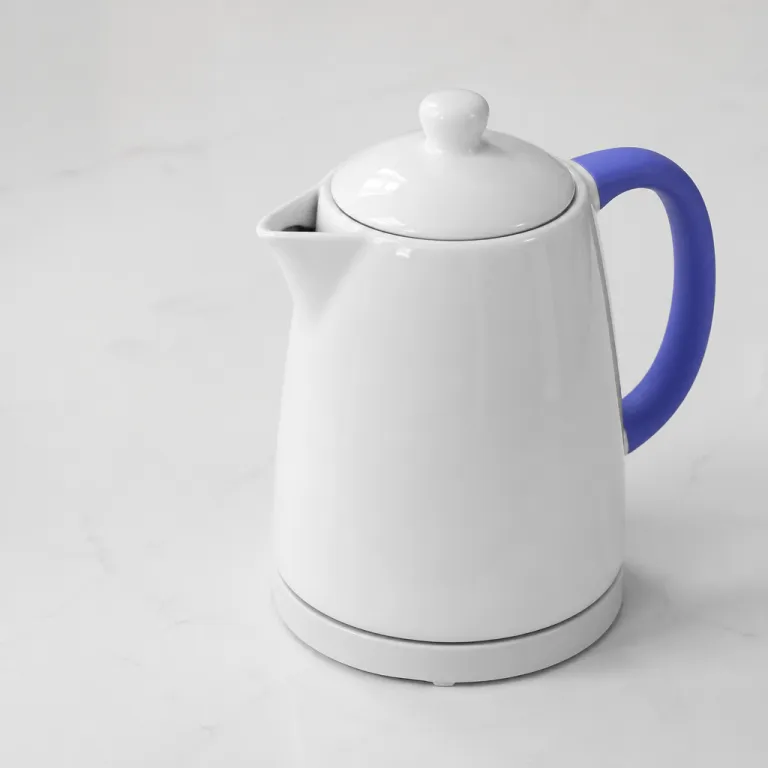
Why ceramic electric kettles tempt taste purists
A ceramic electric kettle appeals first to your palate, not your eyes. For many tea and coffee drinkers who care about flavour clarity, the promise is simple and powerful, because a fully ceramic body with a concealed element keeps hot water away from plastic and reduces any metallic hint. When you compare different kettles in the same kitchen, you can taste how a neutral material lets delicate green tea or light roast coffee shine.
In a typical stainless steel electric kettle, the interior often combines stainless steel walls with plastic lids, spouts, or water level windows. Those plastic parts can be technically BPA free, yet they still sit in constant contact with near boiling water and steam, which worries some users who read every safety review before they add a kettle to their cart. A fully ceramic electric design, or an electric ceramic hybrid with a ceramic liner and steel base, keeps the water boiler chamber taste neutral and reassures anyone who wants minimal material contact.
For tea specialists, the argument goes further than health and into ritual. A ceramic tea kettle or ceramic tea pot has a long history in Asian and European tea culture, where clay and porcelain are chosen for how they interact with water and tea leaves. Translating that heritage into a modern electric tea kettle or electric tea model means you get the speed of electric kettles with the familiar feel of a ceramic tea vessel on the worktop.
There is also a psychological effect when you pour hot water from a ceramic electric kettle. The thicker walls and softer shapes feel closer to a traditional water kettle or stovetop tea pot than to a hard edged stainless steel jug, which can make the daily coffee or electric tea routine feel slower and more intentional. That matters if you brew pour over coffee or oolong tea and care about every step, from the time you boil to the way the spout handles a controlled pour.
However, the same ceramic body that keeps flavours clean also changes performance. Ceramic insulates heat away from the element, so a ceramic electric or electric ceramic kettle usually takes about ten to fifteen percent longer to boil the same volume of water than a comparable stainless steel model, which you will notice if you often boil a full litre for several mugs of tea or coffee. Independent lab style tests on 1500–1800 watt kettles commonly report around three minutes thirty seconds to four minutes for one litre in thin walled stainless steel versus roughly four to four minutes thirty seconds for similar capacity ceramic designs, which aligns with the slower time to boil described by many long form user reviews and by manufacturer boil time charts for models such as the Bella 1.2L Ceramic Electric Kettle and the Russell Hobbs 1.5L Addison.
Design, weight and fragility in everyday kitchen use
On a worktop, a ceramic electric kettle looks like a piece of kitchen decor first and an appliance second. Many ceramic kettles come in retro pastels, artisanal glazes, or minimalist white and black finishes that sit comfortably beside a Mackenzie Childs patterned tea pot or a high end espresso machine. If you care how your kitchen photographs, ceramic beats brushed steel or glossy plastic every time.
The trade off is weight and fragility, which you feel the moment you lift a full ceramic electric kettle to pour hot water into a French press or over a pour over dripper. Ceramic bodies are typically thirty to fifty percent heavier than equivalent stainless steel kettles, so a one litre fill can feel surprisingly demanding on the wrist, especially if you are used to a lighter stainless steel electric kettle with a thin shell. For anyone with limited grip strength or a busy family kitchen where multiple people handle the kettle, that extra mass matters more than the advertised capacity or price.
Fragility is the other side of the design story. A stainless steel water kettle can usually survive a knock against the sink or a clumsy bump on the hob, while a ceramic electric kettle risks chips or cracks from the same impact, and a chipped rim can quickly turn into a hairline fracture that compromises safety. If your kitchen is chaotic, with children reaching for snacks or flatmates rushing to make coffee before work, a heavy ceramic body on a 360 degree electric base may not be the most forgiving choice.
Handle and lid design also change how a ceramic electric kettle behaves in daily use. Because ceramic does not flex like steel, manufacturers often build thicker handles and wider lids, which can make it harder to see the water level at a glance or to clean inside the water boiler chamber. Some models add a small glass water level window framed in steel or plastic, which partly undermines the pure ceramic promise but helps you avoid overfilling and triggering the boil dry protection too often.
If you are considering a ceramic electric kettle as a gift, think about who will use it and how. A design focused model that looks perfect beside a Mackenzie Childs canister set might delight a careful tea drinker who brews one pot of ceramic tea each evening, yet frustrate someone who wants a fast, light electric kettle for constant coffee refills. For a more utilitarian option, a thermoplastic resin model such as the one examined in this detailed electric kettle test shows how lighter materials can still feel premium without the weight penalty of ceramic.
Heating performance, safety features and stainless steel comparisons
When you compare a ceramic electric kettle with a stainless steel electric kettle side by side, the first measurable difference is speed. Stainless steel conducts heat efficiently from the concealed element into the water, so a one litre fill in a mid range steel kettle often reaches a full boil in around three to four minutes, while a similar capacity ceramic electric kettle can take closer to four to five minutes. That ten to fifteen percent gap in time to boil becomes noticeable if you brew multiple rounds of tea or coffee in a row.
Safety features narrow the performance gap but do not erase it. Both ceramic and stainless steel electric kettles now include automatic shut off and boil dry protection, which cut power when the water level drops too low or once the water reaches boiling, yet the heavier ceramic shell retains heat longer and can feel hot to the touch for more time after the cycle ends. In a small kitchen where the kettle sits near other appliances or where children might brush against it, that longer residual heat is worth considering alongside the aesthetic appeal.
Inside many stainless steel kettles, the story is more complicated than the marketing suggests. A typical stainless steel electric kettle hides plastic components around the base, lid, and water level indicator, and even when those parts are labelled BPA free, they still raise questions for people who read every long form review about material safety. A detailed investigation into the plastic inside stainless steel kettles, such as the analysis in this hidden BPA free claims report, shows why some buyers move toward ceramic electric designs despite the slower boil.
From a safety engineering perspective, the boil dry and dry protection systems work similarly across materials. A thermostat or thermal fuse monitors the temperature near the element, and when the water boiler chamber runs empty or the water level falls below the minimum mark, the system cuts power to prevent damage, yet in a ceramic electric kettle the thicker walls can delay heat transfer to the sensor by a few seconds. That delay is usually within safety margins, but it explains why some users report a faint hot smell or slightly longer cooling time after an accidental dry run compared with a thin walled stainless steel model.
For taste focused users, the comparison still often favours ceramic. Stainless steel can sometimes impart a faint metallic note, especially in cheaper kettles where the steel quality is lower or where welds and seams trap limescale, while a glazed ceramic interior remains taste neutral as long as the glaze stays intact and free from cracks. If you are sensitive enough to notice when your filtered water tastes different after sitting in a steel travel mug, you will likely appreciate the cleaner profile from a well made ceramic electric kettle.
Buying ceramic electric kettles: prices, models and real world reviews
Shopping for a ceramic electric kettle today feels very different from browsing for a mainstream stainless steel model. Large brands such as Breville, Cuisinart, and Fellow dominate the stainless steel and gooseneck electric kettle space, while ceramic electric kettles often come from smaller boutique manufacturers and design focused labels that prioritise aesthetics over broad distribution. That means you will see more limited runs, varied glazes, and fewer identical kettles lined up in every high street store.
Online marketplaces such as Amazon and specialist coffee retailers carry a growing range of ceramic electric kettles at different price points. Entry level models start around the same price as a basic stainless steel kettle, but design led pieces with hand finished ceramic bodies, matching ceramic tea pots, and coordinated cups can cost significantly more, especially when you factor in international shipping or free shipping thresholds that encourage you to add more items to your cart. When you read user reviews on Amazon or on independent coffee forums, pay attention to comments about weight, handle comfort, and time to boil rather than just star ratings.
Because ceramic electric kettles are still a niche, individual model choice matters more than with mass market stainless steel kettles. Some ceramic kettles hide a small stainless steel plate at the spout or a steel mesh filter to catch limescale, which slightly compromises the pure ceramic story but improves pouring and filtration, while others keep every water contact surface ceramic and rely on a simple open spout that can drip if you pour too fast. Before you commit to a particular model, read at least one long form review that describes how the kettle behaves after months of use, not just on day one.
Variable temperature control, a favourite feature among specialty coffee drinkers, is still rare in ceramic electric kettles. Most ceramic models offer a simple on off switch with automatic shut off at boiling, while high end stainless steel electric kettles such as the Fellow Stagg EKG or Breville IQ provide precise temperature settings and a hold feature that keeps hot water at a chosen temperature for extended brewing sessions. If you brew green tea, oolong, or pour over coffee that benefits from water below boiling, you may need to compromise on material and choose a stainless steel tea kettle with advanced controls rather than a purely ceramic design.
For gift buyers or people upgrading their kitchen, it helps to think of a ceramic electric kettle as part appliance, part tableware. Matching a ceramic electric kettle with a ceramic tea pot and cups can create a cohesive look that stainless steel kettles cannot replicate, yet you should still weigh practical factors such as capacity, time to boil, and the availability of replacement parts. A kettle that looks perfect on the worktop but chips after one accidental knock or takes too long to heat water for morning coffee will quickly lose its charm, no matter how many glowing reviews it has online.
Care, maintenance and who ceramic kettles really suit
Living with a ceramic electric kettle for several years reveals its strengths and weaknesses more clearly than any spec sheet. The interior glaze resists limescale reasonably well, but tannins from tea and coffee can stain the ceramic surface over time, especially if you often leave a little hot water sitting in the kettle between boils. Regular descaling with citric acid or white vinegar keeps the water boiler chamber clean, yet abrasive pads or harsh powders can scratch the glaze and create dull patches that trap residue.
Cleaning routines differ slightly from those for stainless steel kettles. With a steel kettle, you can usually scrub more aggressively and rely on the metal to tolerate mild abrasion, while a ceramic electric kettle rewards gentler treatment with soft cloths and non abrasive cleaners that protect the glossy finish, and you should avoid sudden temperature shocks such as filling a very hot ceramic body with cold water straight from the tap. Over time, careful cleaning preserves both the taste neutrality and the visual appeal that justified choosing ceramic in the first place.
For safety, always respect the minimum and maximum water level markings. Overfilling a ceramic electric kettle can cause boiling water to surge through the spout, while underfilling risks triggering the boil dry protection too often, which stresses the thermostat and can shorten the life of the kettle, and repeated dry protection events are harder on ceramic because the thicker walls hold heat longer. If you routinely need only a single mug of hot water, a smaller capacity model may be better than constantly running a large kettle half empty.
In terms of user profile, ceramic electric kettles best suit careful, taste focused drinkers. If you brew multiple rounds of electric tea or coffee each day, value a quiet boil, and enjoy the feel of a ceramic tea vessel in your hands, the slower time to boil and extra weight will feel like acceptable compromises, especially when you know every water contact surface is BPA free and taste neutral. If your priority is speed, variable temperature control, and durability under rough handling, a well built stainless steel electric kettle remains the more practical choice.
For households that mix both types of drinkers, one pragmatic solution is to pair a fast stainless steel electric kettle for everyday boiling with a smaller ceramic electric kettle reserved for the most flavour sensitive brews. That way, you can keep a robust steel water kettle ready for pasta water or instant noodles while saving the ceramic tea kettle for matcha, delicate green tea, or high end pour over coffee sessions. When you plan a gift for a serious coffee enthusiast, guides such as this gooseneck and variable temperature kettle overview can help you decide whether to prioritise flow control and precision over the aesthetic charm of ceramic.
FAQ about ceramic electric kettles
Are ceramic electric kettles safer than stainless steel kettles?
A well made ceramic electric kettle can reduce contact between hot water and plastic parts, which appeals to users who prefer BPA free materials and worry about hidden plastics in stainless steel kettles. Safety also depends on build quality, reliable boil dry protection, and proper use, so a cheap ceramic model is not automatically safer than a high quality stainless steel electric kettle with robust thermostats. For most people, both materials are safe when used correctly, but ceramic offers extra reassurance for those who prioritise taste neutrality and minimal plastic contact.
Do ceramic electric kettles take longer to boil water?
Yes, ceramic electric kettles usually take slightly longer to boil the same volume of water than comparable stainless steel kettles. The ceramic body insulates heat away from the water boiler chamber, so a one litre fill might take four to five minutes instead of three to four minutes in a thin walled stainless steel electric kettle. The difference is typically around ten to fifteen percent in time to boil, which matters more if you brew many rounds of tea or coffee in quick succession.
How do you clean and descale a ceramic electric kettle?
To clean a ceramic electric kettle, fill it halfway with a mixture of water and white vinegar or citric acid, bring it to a boil, then let it sit before rinsing thoroughly. This removes limescale without scratching the interior glaze, which is important because abrasive pads or powders can damage ceramic surfaces and make future cleaning harder. For exterior stains or marks, use a soft cloth and mild detergent, avoiding sudden temperature changes that could stress the ceramic body.
Who should choose a ceramic electric kettle instead of stainless steel?
A ceramic electric kettle suits people who care deeply about flavour purity, kitchen aesthetics, and a quieter, more traditional feel when pouring hot water. It is a strong choice for tea enthusiasts and specialty coffee drinkers who brew carefully and do not mind a slightly longer time to boil or a heavier kettle. Busy households that prioritise speed, durability, and advanced features such as variable temperature control may be better served by a high quality stainless steel electric kettle.
Can ceramic electric kettles be used for both tea and coffee?
Yes, ceramic electric kettles work well for both tea and coffee, especially when you want neutral tasting hot water for delicate green tea or light roast pour over coffee. To avoid flavour transfer, it helps to rinse the kettle between brewing strongly flavoured teas and coffee, and to descale regularly so the interior glaze stays clean. Some users even keep one ceramic electric kettle for tea and another water kettle for coffee to maintain consistent flavours across different drinks.