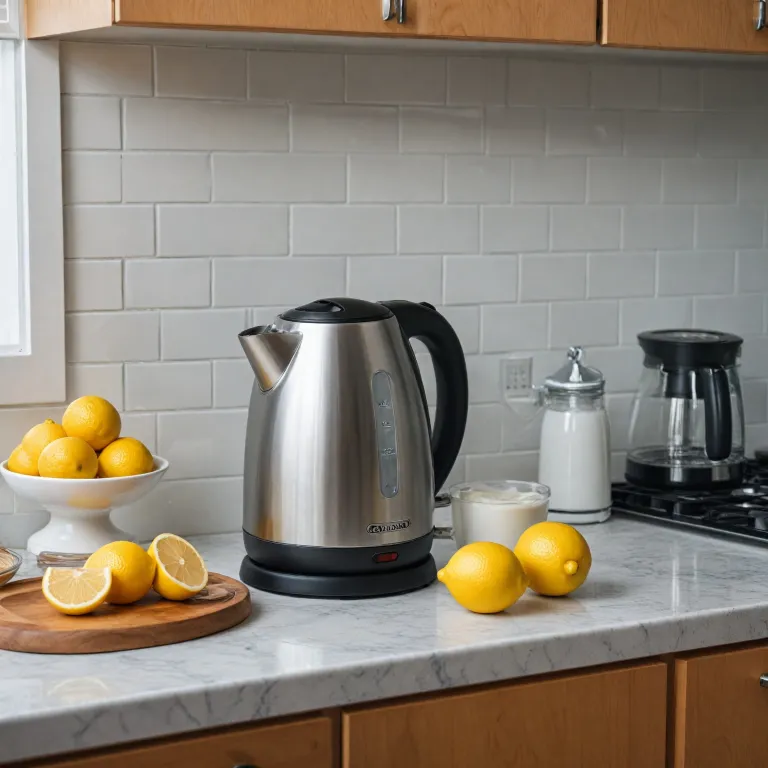
Understanding why descaling your kettle matters
Why Limescale Buildup is a Real Problem
If you use an electric kettle regularly, you might notice a white, chalky residue forming inside. This is limescale, a common result of minerals in hard water. Over time, these mineral deposits can build up and affect the performance of your kettle. Limescale not only makes your kettle look dirty, but it can also slow down the heating process and even impact the taste of your tea or coffee. Keeping your kettle clean is essential for both efficiency and the quality of your drinks.
Impact on Your Kettle and Your Drinks
Limescale buildup inside the kettle can reduce its lifespan and energy efficiency. When mineral deposits coat the heating element, your electric kettle has to work harder to boil water. This can lead to higher electricity bills and eventually damage the appliance. Plus, limescale flakes can end up in your kettle water, affecting the taste of tea, coffee, or any hot beverage you prepare. Regular cleaning and descaling help maintain the purity of your water and the performance of your kettle.
Health and Maintenance Considerations
While limescale itself isn’t considered harmful, it can harbor bacteria if left unchecked. A clean electric kettle is less likely to develop unpleasant odors or stains. Using solutions like white vinegar, citric acid, or lemon juice can effectively descale kettle interiors and keep them fresh. If you want to keep your appliance in top condition, regular descaling and proper cleaning are key. For more on keeping your kettle in peak shape, check out this guide on maintaining your electric kettle for optimal performance.
What Happens If You Skip Descaling?
Ignoring limescale buildup can lead to a range of issues. Your kettle may take longer to boil, use more energy, or even stop working altogether. The inside kettle surface can become rough and harder to clean, and your drinks might develop an off taste. Regular descaling with a vinegar water or citric acid solution helps prevent these problems, ensuring your kettle stays efficient and your drinks taste their best.
Signs your kettle needs descaling
Common Clues Your Kettle Needs Attention
Spotting limescale buildup in your electric kettle is not always obvious at first. However, there are several signs that indicate it’s time to descale your kettle and restore its performance. Recognizing these early can help you keep your kettle clean and your water tasting fresh.
- White or Chalky Residue: If you notice a white, powdery layer or hard mineral deposits inside your kettle, especially on the bottom or around the heating element, this is a clear sign of limescale buildup from minerals in hard water.
- Strange Taste or Odor: Water boiled in a kettle with limescale may taste off or have an unusual smell. This can affect the flavor of your tea or coffee, making it less enjoyable.
- Longer Boiling Times: Limescale acts as an insulator, making your electric kettle take longer to heat water. If you notice it’s slower than usual, it’s time for a cleaning.
- Noise or Crackling Sounds: Mineral deposits can cause your kettle to make popping or crackling noises as the water boils.
- Visible Flakes in Water: If you see floating particles or flakes in your kettle water or in your cup after pouring, these are likely bits of limescale breaking off from the inside kettle walls.
Ignoring these signs can lead to more stubborn buildup, which may eventually damage your electric kettle or affect its efficiency. Regular cleaning and descaling with solutions like white vinegar, citric acid, or a mixture of lemon juice and water can help prevent these issues. For more on related problems, such as rust inside your tea kettle, you can read about understanding rust in your tea kettle and how to address it.
Staying alert to these signs will help you keep your kettle clean and your hot drinks tasting their best.
Choosing the right descaling method
Comparing Popular Descaling Solutions
When it comes to keeping your electric kettle clean and free from limescale buildup, choosing the right descaling method is crucial. The best solution often depends on what you have at home, the level of mineral deposits, and your personal preferences for cleaning agents. Here’s a quick look at the most common options:
- White vinegar: A classic and effective choice for descaling. Its acetic acid content helps dissolve limescale and mineral deposits inside the kettle. Mix equal parts vinegar and water, fill the kettle, and let it soak before boiling. However, some users find the vinegar smell lingers, so thorough rinsing is essential.
- Citric acid: This food-safe acid is gentle on kettles but tough on limescale. Dissolve a tablespoon of citric acid powder in water, fill your kettle, and let the mixture boil. Citric acid is often preferred for its minimal odor and effective cleaning power.
- Lemon juice: Natural and readily available, lemon juice contains citric acid that can help descale your kettle. It’s a good alternative if you want a fresh scent, though it may be less potent than pure citric acid or vinegar.
- Baking soda: While not as strong against tough limescale, baking soda can be used for regular cleaning and to help neutralize odors. Combine it with vinegar or lemon juice for a more powerful effect.
- Commercial descaling solutions: These are specially formulated for electric kettles and are often recommended by manufacturers. Always follow the instructions on the packaging for best results and safety.
Factors to Consider When Choosing a Method
- Material of your kettle: Stainless steel, glass, and plastic kettles may react differently to acids. Always check your manufacturer’s guidelines before using strong acids like vinegar or citric acid.
- Frequency of use: If you use your kettle daily for tea or coffee, regular descaling with a gentle solution like citric acid or lemon juice can help maintain performance and taste.
- Water hardness: Hard water leads to more rapid limescale buildup. In these cases, a stronger acid solution or more frequent cleaning may be necessary.
- Odor sensitivity: If you’re sensitive to strong smells, citric acid or lemon juice may be preferable over vinegar.
For those who love making tea or iced tea, keeping your kettle clean ensures the best flavor. If you’re interested in brewing the perfect iced tea, check out this guide to crafting perfect iced tea with an electric kettle for more tips.
Step-by-step guide to descaling your kettle
Gathering Your Cleaning Supplies
Before you start to descale your electric kettle, make sure you have everything you need. For most kettles, you’ll need either white vinegar, citric acid, or lemon juice. These acids help break down mineral deposits and limescale buildup inside the kettle. You’ll also want a soft cloth for wiping, clean water for rinsing, and possibly some baking soda if you want to tackle stubborn spots.
Preparing the Descaling Solution
- White vinegar method: Mix equal parts vinegar and water. For a standard electric kettle, fill it halfway with this solution.
- Citric acid method: Dissolve 1-2 tablespoons of citric acid powder in a full kettle of water.
- Lemon juice method: Use the juice of 1-2 lemons, topped up with water to cover the affected area inside the kettle.
Descaling Process Step-by-Step
- Fill the kettle: Pour your chosen solution into the kettle, making sure it covers all areas with visible limescale or mineral buildup.
- Boil the mixture: Turn on the electric kettle and let the solution come to a full boil. This helps the acid break down the limescale inside the kettle.
- Let it sit: After boiling, unplug the kettle and let the solution sit for 20–30 minutes. This gives the acid time to dissolve stubborn mineral deposits.
- Empty and rinse: Pour out the solution. Rinse the inside of the kettle thoroughly with clean water to remove any remaining acid or vinegar smell.
- Wipe and inspect: Use a soft cloth to wipe the inside kettle walls. If you notice any remaining limescale, repeat the process or use a paste of baking soda and water to scrub gently.
- Final boil: Fill the kettle with fresh water, bring it to a boil, and discard the water. This ensures your kettle is clean and safe for making tea or coffee again.
Tips for a Thorough Clean
- Always check the manufacturer’s instructions before using any descaling solution.
- For kettles with a filter, remove and clean it separately to prevent limescale buildup.
- Regular cleaning helps maintain the taste of your kettle water and extends the life of your electric kettle.
How often should you descale your kettle?
How frequently should you descale your kettle?
The frequency of descaling your electric kettle depends on several factors, mainly the hardness of your water and how often you use the appliance. Hard water contains more minerals like calcium and magnesium, which can lead to faster limescale buildup inside the kettle. If you notice white or chalky deposits at the bottom or on the sides, it's a clear sign that mineral deposits are accumulating.
- Daily users with hard water: Descale your kettle every 2 to 4 weeks. Frequent boiling of water for tea or coffee means more minerals are left behind, increasing the need for regular cleaning.
- Moderate use or soft water: If you use your electric kettle less often or have soft water, descaling every 1 to 2 months is usually sufficient.
- Occasional use: For those who only use their kettle a few times a week, a thorough cleaning every 3 months should keep limescale under control.
Regular descaling not only keeps your kettle clean but also helps maintain its efficiency and extends its lifespan. If you notice your kettle taking longer to boil, making unusual noises, or if your tea or coffee tastes off, it may be time for a cleaning session. Using natural solutions like white vinegar, citric acid, or lemon juice can help dissolve mineral deposits and keep the inside of your kettle in top condition. Remember to rinse thoroughly after using any acid-based solution to avoid lingering odors or tastes in your kettle water.
Staying on top of descaling will help prevent stubborn limescale buildup, making future cleaning much easier and ensuring you always have fresh water for your favorite hot drinks.
Preventing future limescale buildup
Smart habits to keep limescale at bay
After you descale your electric kettle, it’s worth adopting a few simple habits to slow down future limescale buildup. Limescale forms when minerals in hard water settle on the inside of your kettle, so prevention is all about reducing those minerals and keeping the kettle clean.
- Use filtered water: If your tap water is hard, using filtered or bottled water can significantly reduce mineral deposits inside your kettle. This helps keep your kettle clean and extends the time between descaling sessions.
- Empty after use: Don’t let water sit in your kettle for long periods. After boiling, pour out any leftover kettle water and leave the lid open to let the inside dry. This simple step helps prevent minerals from settling and forming limescale.
- Regular quick rinses: Give your kettle a quick rinse and wipe with a soft cloth after each use. This removes any loose minerals before they can harden into stubborn buildup.
- Deep cleaning schedule: Even with good habits, some limescale will form over time. Stick to a regular cleaning routine using natural solutions like vinegar, citric acid, or lemon juice. These acids dissolve mineral deposits and keep your electric kettle in top shape.
- Don’t overfill: Only fill your kettle with the amount of water you need. Overfilling can cause more minerals to settle on the heating element and inside kettle walls.
Choosing the right cleaning solution
For ongoing maintenance, natural acids like white vinegar or citric acid are safe and effective for most kettles. A simple mixture of vinegar water or citric acid solution can be used for regular cleaning. Some people also use baking soda, but acids are generally more effective against limescale. Always check your kettle’s manual before using any cleaning solution to avoid damaging the appliance.
Extra tips for tea and coffee lovers
If you use your electric kettle frequently for tea or coffee, you might notice faster limescale buildup. Consider cleaning your kettle more often and wiping the inside with a damp cloth after each use. This keeps your tea kettle fresh and prevents mineral deposits from affecting the taste of your drinks.
