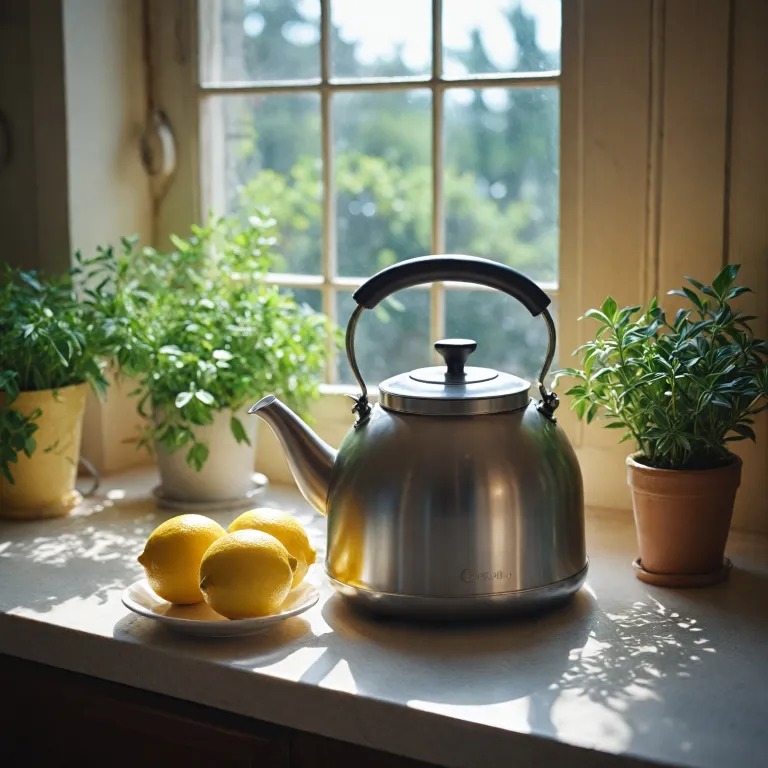
Understanding why cleaning your tea kettle matters
Why a Clean Kettle Makes a Difference
Keeping your kettle clean is more important than many realize. Each time you boil water, minerals like calcium and magnesium can settle inside, leading to limescale buildup. Over time, this buildup not only affects the taste of your water but can also slow down the boiling process, making your kettle less efficient. In some cases, a neglected kettle may even develop unpleasant odors or stains that are tough to remove.
Regular cleaning helps you get the best performance from your kettle. It ensures your water tastes fresh, protects the heating element, and extends the life of your appliance. If you use your kettle daily to cook or make tea, a clean kettle is essential for both flavor and safety. Plus, a well-maintained kettle saves you money by reducing the risk of damage and the need for early replacement.
Many people wonder about the best way to clean their kettle or how often they should do it. The answer depends on your water quality and how frequently you use your kettle. Hard water areas, for example, lead to faster limescale buildup, so more frequent cleaning is needed. Using simple ingredients like white vinegar, dish soap, or even a quick rinse with water can make a big difference. For a detailed guide on how to descale your tea kettle for better taste and longer life, check out this resource on descaling your tea kettle.
In the next steps, you'll learn how to spot when your kettle needs cleaning, choose the right cleaning method, and follow a step-by-step process to keep your kettle in top shape. Whether you are a chef or just want to enjoy a quick cup of tea, a clean kettle is the foundation for great results.
Identifying common signs your kettle needs cleaning
How to Spot When Your Kettle Needs Attention
Knowing when to clean your kettle is key to keeping your water fresh and your appliance working at its best. Over time, minerals from water, especially hard water, can leave behind limescale buildup. This not only affects the taste of your drinks but can also impact how efficiently your kettle heats water. Here are some quick ways to identify if your kettle needs a good clean:
- Visible limescale: White or chalky residue inside the kettle, especially around the heating element or spout, is a clear sign of mineral buildup.
- Strange taste or smell: If your water tastes off or has an odd odor, it could be due to limescale or leftover soap from previous cleaning attempts.
- Slower boiling: Limescale acts as an insulator, making your kettle take longer to heat water. If you notice it’s not as quick as before, it’s time for a cleaning step.
- Noise changes: A kettle with buildup may make more noise as it boils, due to uneven heating or trapped minerals.
- Flakes in water: If you see floating white bits when you pour, that’s likely limescale breaking off.
Regular cleaning is the best way to prevent these issues. Using white vinegar or a mix of vinegar and water can help dissolve stubborn minerals. For more details on how to descale your tea kettle for better taste and longer life, check out this helpful guide.
Remember, a clean kettle not only saves you time but also ensures your drinks taste their best. Whether you’re a chef, a tea lover, or just want to keep your kitchen appliances in top shape, staying alert to these signs will help you maintain your kettle for years to come.
Choosing the right cleaning method for your kettle
Matching the Cleaning Method to Your Kettle Type
Not all kettles are created equal, and choosing the best cleaning method depends on the material and design of your kettle. Whether you use your kettle to boil water for tea or cooking, selecting the right approach helps you avoid damage and ensures a thorough clean. Here’s how to decide what works best for your kettle:
- Stainless Steel Kettles: These are durable and can handle most cleaning agents. White vinegar is a popular choice for removing limescale buildup. Simply pour equal parts water and vinegar into the kettle, bring it to a boil, and let it sit for several minutes before rinsing. For stubborn spots, a soft dish sponge and a bit of dish soap can help.
- Glass Kettles: Glass is less prone to limescale sticking, but mineral deposits can still occur. Use a mixture of white vinegar and water, but avoid abrasive tools that could scratch the surface. A quick rinse with warm soapy water after each use can help maintain clarity.
- Electric Kettles with Exposed Heating Elements: These require extra care. Avoid submerging the base in water. Instead, use a damp cloth and a little dish soap for the exterior, and a vinegar solution for the interior. Always check the manufacturer’s instructions before cleaning.
- Plastic Kettles: Plastic can absorb odors, so avoid strong-smelling cleaners. Use mild dish soap and warm water, and rinse thoroughly. Vinegar can be used, but in smaller amounts and with a shorter sit time to prevent lingering smells.
Considering Limescale and Mineral Buildup
Limescale is a common issue, especially if you live in an area with hard water. It not only affects the taste of your water but can also reduce your kettle’s efficiency. For a deep clean, vinegar is often recommended, but there are other options like citric acid or specialized kettle cleaning products. If you’re looking for a detailed guide on tackling limescale, check out this effective limescale removal guide.
When to Use Soap, Vinegar, or Other Methods
For everyday cleaning, mild dish soap and warm water are usually enough. For periodic deep cleaning, white vinegar or a mix of vinegar and water can dissolve mineral deposits and limescale. Let the solution sit for several minutes before rinsing. If you prefer a quick clean, some chefs recommend using a slice of lemon or a dash of baking soda for a fresh scent and extra scrubbing power. Always rinse thoroughly to remove any cleaning residue before using your kettle again.
Step-by-step guide to cleaning your tea kettle
Gather Your Cleaning Supplies
Before you start, make sure you have all the essentials ready. You’ll need white vinegar, water, dish soap, a soft sponge or cloth, and a non-abrasive brush. If you’re dealing with stubborn limescale buildup, a plastic or wooden knife can help gently scrape it away without damaging your kettle. Always check your kettle’s manual for any specific cleaning instructions from the shop or manufacturer.
Empty and Rinse the Kettle
Pour out any remaining water from your kettle. Rinse it with fresh water to remove loose minerals or debris. This quick step helps you start with a clean base and makes the next steps more effective.
Descale with Vinegar Solution
Mix equal parts white vinegar and water. Fill your kettle halfway with this solution. Bring it to a boil, then turn off the kettle and let the mixture sit for about 15–20 minutes. This process helps dissolve limescale and mineral buildup. If your kettle has a lot of buildup, let it sit a bit longer. The vinegar’s acidity is one of the best ways to tackle tough deposits.
Scrub Away Remaining Buildup
After soaking, pour out the vinegar solution. Use a soft sponge or brush to gently scrub the inside. For persistent limescale, carefully use a plastic or wooden knife to loosen deposits. Avoid metal utensils, as they can scratch the surface and reduce your kettle’s lifespan. Rinse thoroughly with clean water to remove any vinegar smell or taste.
Wash with Dish Soap
Add a few drops of dish soap and warm water to the kettle. Swirl it around and use your sponge to clean the interior and spout. This step ensures any lingering vinegar or mineral residue is washed away. Rinse several times with clean water to make sure no soap remains.
Dry and Reassemble
Leave the lid open and let your clean kettle air dry completely. This helps prevent moisture buildup and keeps your kettle fresh for your next use. If your kettle has removable parts, dry them separately before putting everything back together. Regular cleaning can save you from more difficult buildup and keep your water tasting its best.
Maintaining your kettle after cleaning
Daily Habits to Keep Your Kettle Fresh
After you’ve given your kettle a thorough clean, it’s important to develop simple habits that help prevent limescale buildup and keep your water tasting fresh. Pour out any leftover water after each use. Letting water sit can encourage mineral deposits and even affect the taste of your next cup. Wipe the inside with a soft, dry cloth if you notice any moisture. This quick step can save you from extra cleaning sessions down the line.
Weekly Routines for a Clean Kettle
Once a week, give your kettle a quick rinse with warm water and a drop of dish soap. Swirl the soapy water around, then rinse thoroughly to remove any soap residue. This helps remove minor buildup before it becomes a problem. If you notice any stubborn spots, use a soft sponge or a non-abrasive brush. Avoid using a knife or anything sharp, as it can damage the interior and make future cleaning harder.
Preventing Limescale and Mineral Buildup
- Use filtered water if possible. This reduces the amount of minerals that cause limescale.
- Once a month, fill your kettle with a mixture of equal parts water and white vinegar. Let it sit for 15–20 minutes, then boil and pour it out. Rinse several times with clean water to remove any vinegar smell.
- If you use your kettle daily, consider this vinegar step more often, especially if you live in an area with hard water.
Storage and Handling Tips
Store your kettle with the lid open when not in use. This allows the inside to dry completely and helps prevent mold or musty odors. If you need to shop for a new kettle, look for models that are easy to clean and have wide openings. This makes regular maintenance much simpler and keeps your kettle in the best condition.
When to Deep Clean Again
Keep an eye out for signs like cloudy water, strange tastes, or visible limescale. These are your cues to repeat the deep cleaning process. Staying consistent with these steps will help your kettle last longer and deliver the best results every time you cook or make tea.
Troubleshooting common cleaning problems
What to Do When Stubborn Limescale Won’t Budge
Sometimes, even after following every step to clean your kettle, stubborn limescale buildup can remain. This is especially common in areas with hard water, where minerals accumulate quickly. If you notice white spots or chalky residue after a regular cleaning, don’t worry—there are a few ways to tackle these tough spots.
- Repeat the vinegar soak: Fill your kettle with a mixture of equal parts water and white vinegar. Let it sit for at least 30 minutes. For heavy buildup, let it sit up to an hour. Then, boil the solution, pour it out, and rinse thoroughly.
- Use a soft brush or non-metallic scrubber: After soaking, gently scrub the inside of the kettle. Avoid using a knife or anything sharp, as this can damage the surface and affect how well your kettle cooks water.
- Try a second cleaning cycle: If limescale persists, repeat the cleaning process. Sometimes, a second round is all it takes to get your clean kettle back to its best.
Addressing Lingering Odors and Soap Residue
If your kettle smells like vinegar or dish soap after cleaning, rinse it several times with fresh water. Boil a full kettle of water and pour it out to help remove any leftover scents. This quick step can save you from tasting cleaning products in your next cup of tea.
When Your Kettle Still Looks Dull
Even after removing limescale, mineral deposits can leave your kettle looking less shiny. Wipe the inside with a damp cloth after cleaning, or use a little dish soap and rinse well. For stainless steel models, a dedicated cleaner can help restore shine, but always check your manufacturer’s instructions before using any new product.
Preventing Future Cleaning Issues
To avoid frequent buildup, empty your kettle after each use and let it air dry. This simple habit can help reduce limescale and keep your kettle in top condition. If you shop for a new kettle, consider models with easy-to-clean features or built-in filters to catch minerals before they settle.
