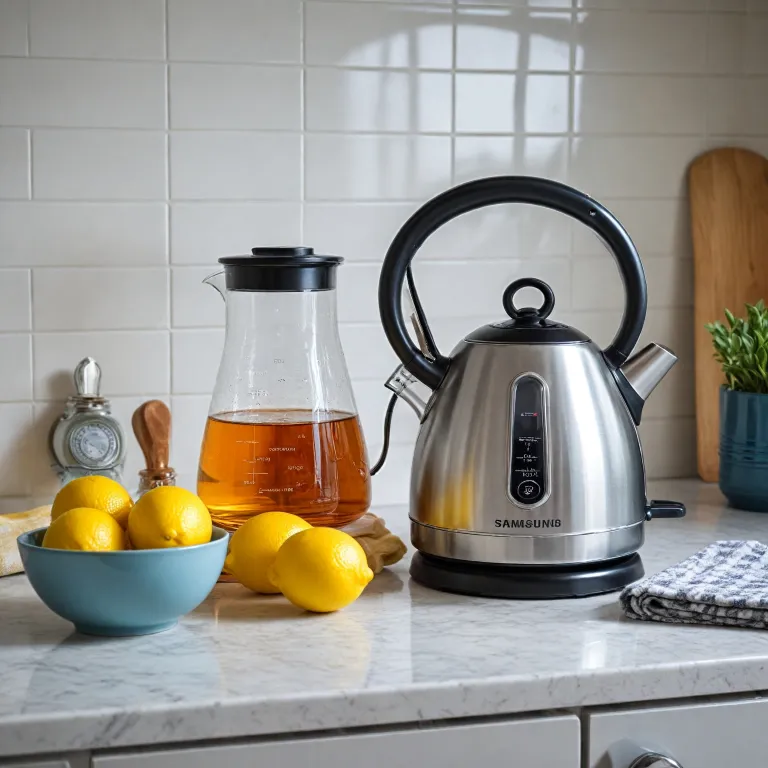
Why cleaning your electric kettle matters
Why a spotless kettle is more important than you think
Keeping your electric kettle clean is not just about looks. Over time, minerals from hard water can build up inside the kettle, forming a chalky layer known as mineral buildup or limescale. This buildup can affect how well your kettle heats water, and even change the taste of your drinks. If you use your kettle daily, especially with hard water, you might notice white spots or a rough texture inside the kettle. These are signs that it’s time for a cleaning session.
Mineral buildup isn’t just an eyesore. It can slow down boiling, make your kettle less energy efficient, and in some cases, shorten the lifespan of your appliance. Stainless steel kettles are not immune either. Even with regular rinsing, minerals can cling to the inside, making it harder to keep your kettle clean. That’s why using natural acids like vinegar, lemon juice, or citric acid is one of the best methods for dissolving these stubborn deposits.
Regular cleaning also helps prevent bacteria and mold from growing, especially if you leave water sitting in the kettle. A clean electric kettle ensures every cup of tea or coffee tastes fresh, without any odd flavors from old water or mineral residue. If you’re looking for a simple, effective method to descale your kettle, using vinegar is a proven solution. For more details on why vinegar works so well and step-by-step instructions, check out this guide to cleaning your kettle with vinegar.
In the next sections, you’ll learn how to spot when your kettle needs cleaning, what you’ll need for the job, and the best step-by-step method to keep your kettle in top shape.
Signs your electric kettle needs cleaning
Common Signs Your Kettle Needs Attention
It’s easy to overlook the inside of your electric kettle, but regular cleaning is important for both performance and taste. Here are some clear signs that your kettle could use a good clean with vinegar or another method:
- Visible mineral buildup: If you notice white or chalky deposits inside the kettle, especially around the heating element or bottom, that’s mineral buildup from hard water. This is a sign it’s time to descale your kettle. Learn more about descaling here.
- Strange taste or odor: Water boiled in a kettle with buildup can develop an off taste or smell. This is often due to minerals or leftover residue inside the kettle.
- Slower boiling: If your electric kettle takes longer than usual to boil water, mineral deposits may be affecting the heating efficiency.
- Flakes in your water: Sometimes, you might see small particles floating in the boiled water. These are often mineral flakes or bits of scale coming loose from inside the kettle.
- Discoloration or stains: Brown or white stains, especially in stainless steel kettles, are a clear sign that it’s time for a thorough cleaning with vinegar, lemon juice, or citric acid.
When you spot any of these signs, it’s best to clean your electric kettle soon. Using white vinegar, baking soda, or lemon juice can help remove mineral buildup and keep your kettle clean and working at its best. The next step will walk you through what you need to get started with the cleaning process.
What you need to clean your kettle with vinegar
Gathering the Right Supplies for a Thorough Clean
Before you start cleaning your electric kettle with vinegar, make sure you have everything you need. Using the right materials helps remove mineral buildup and keeps your kettle clean and safe for boiling water. Here’s a quick list of what works best for this method:
- White vinegar: The acid in vinegar is excellent for dissolving mineral deposits and limescale inside your kettle. It’s safe and effective for most electric kettles, including stainless steel models.
- Water: You’ll need clean water to mix with vinegar and to rinse the kettle after cleaning.
- Soft cloth or sponge: A non-abrasive cloth or sponge helps wipe away loosened buildup without scratching the inside of your kettle.
- Baking soda (optional): For stubborn stains or odors, a little baking soda can boost your cleaning power. It’s gentle and works well with vinegar.
- Lemon juice or citric acid (optional): If you prefer a natural scent or want to try a different acid, lemon juice or citric acid are good alternatives to vinegar. They’re also effective against hard water mineral buildup.
- Dish soap: A mild dish soap can help with the final rinse, especially if you want your kettle extra clean.
Having these items ready will make the cleaning process smoother and more effective. If you’re interested in learning more about how to use your electric kettle for different drinks after cleaning, check out this guide on mastering the art of making tea with an electric kettle.
Once you’ve gathered your supplies, you’re ready for the next step: actually cleaning your kettle with vinegar. This simple method works well for removing mineral buildup and keeping your electric kettle in top shape.
Step-by-step guide to cleaning with vinegar
Preparing Your Kettle for Cleaning
Before you start, make sure your electric kettle is unplugged and completely cool. Remove any leftover water from inside the kettle. If your kettle has a removable filter, take it out and set it aside for separate cleaning.Mixing the Vinegar Solution
Pour equal parts white vinegar and water into the kettle, filling it about halfway. This mixture helps dissolve mineral buildup and limescale thanks to the acid in vinegar. For a stronger clean, you can use a bit more vinegar if your kettle has heavy deposits inside.Heating and Soaking
Plug in your kettle and turn it on, letting the vinegar solution come to a boil. Once it boils, turn the kettle off and unplug it. Let the solution sit for at least 15 to 20 minutes. This step allows the acid to break down stubborn mineral buildup and stains inside the kettle.Scrubbing and Rinsing
After soaking, pour out the vinegar solution. Use a soft cloth or non-abrasive sponge to gently scrub the inside of the kettle. For tough spots, sprinkle a small amount of baking soda on the cloth before scrubbing. Baking soda works well with vinegar to lift stubborn residue without scratching stainless steel or other surfaces. Rinse the kettle thoroughly with clean water several times to remove any vinegar smell or taste. Make sure no residue is left inside the kettle.Optional: Freshening with Lemon or Citric Acid
If you want a fresher scent, fill the kettle with water and add a few tablespoons of lemon juice or a teaspoon of citric acid. Boil the mixture, let it sit for 15 minutes, then rinse well. This step helps neutralize any lingering vinegar odor and adds extra cleaning power.Cleaning the Exterior and Filter
Wipe the outside of your electric kettle with a damp cloth and a drop of dish soap if needed. Rinse and dry thoroughly. Clean the filter separately by soaking it in a vinegar solution, then scrubbing gently with a brush. Rinse before reinserting it into the kettle. Following these steps is the best method to keep your kettle clean and free from mineral buildup, especially if you have hard water. Regular cleaning helps your electric kettle last longer and ensures your water tastes fresh every time.How often should you clean your electric kettle
How frequently should you descale your kettle?
The best cleaning schedule for your electric kettle depends on how often you use it and the type of water in your area. If you use your kettle daily, especially with hard water, mineral buildup can happen quickly inside the kettle. This buildup not only affects the taste of your water but also reduces the efficiency of your appliance.
- Light use (a few times a week): Clean your kettle with vinegar or another acid-based method every 4 to 6 weeks.
- Heavy use (daily or multiple times a day): Aim to clean electric kettles every 2 to 3 weeks to prevent stubborn mineral deposits.
- Hard water areas: If you notice white spots or limescale inside the kettle, increase cleaning frequency. Mineral buildup from hard water can require cleaning every 1 to 2 weeks.
Regular cleaning with vinegar, lemon juice, or citric acid helps keep your kettle clean and running smoothly. If you see visible scale or your water tastes off, that’s a sign it’s time for a cleaning step. Don’t forget to wipe the outside with a damp cloth and use a bit of dish soap if needed. For stainless steel kettles, a gentle scrub with baking soda can help remove stubborn spots.
Letting the vinegar or acid solution sit minutes inside the kettle before rinsing is key for the best results. By sticking to a routine, you’ll keep your kettle clean, extend its life, and enjoy better-tasting water every time.
Tips to keep your electric kettle clean longer
Simple habits to prevent mineral buildup
Keeping your electric kettle clean for longer is all about a few easy habits. After each use, try to empty out any leftover water. This helps stop mineral buildup inside the kettle, especially if you have hard water. Wipe the inside with a soft cloth to remove any droplets that could lead to limescale.
Use filtered water when possible
If you can, use filtered or distilled water in your kettle. Tap water often contains minerals that cause buildup. By switching to filtered water, you’ll notice less residue and your kettle will stay cleaner between deep cleans with vinegar or other methods.
Let your kettle air dry
After cleaning, leave the lid open and let the inside of the kettle air dry. This reduces moisture, which can help prevent both mineral deposits and odors. It’s a simple step that makes a big difference.
Alternate cleaning methods for freshness
While vinegar is one of the best ways to descale your kettle, you can also use other natural acids like lemon juice or citric acid. Every few weeks, try a quick rinse with a mix of baking soda and water to neutralize odors and keep the inside fresh. Just remember to rinse thoroughly with water after using baking soda or lemon juice.
Don’t forget the exterior
Wipe the outside of your electric kettle with a damp cloth and a little dish soap. For stainless steel models, this keeps them looking shiny and new. Avoid abrasive cleaners that could scratch the surface.
- Empty leftover water after each use
- Use filtered water to reduce mineral buildup
- Let the kettle air dry with the lid open
- Alternate between vinegar, lemon juice, and baking soda for cleaning
- Wipe the exterior regularly with a soft cloth
By following these habits, you’ll keep your kettle clean, reduce mineral buildup, and make every cleaning step easier. Regular care means less scrubbing and a longer-lasting electric kettle.
