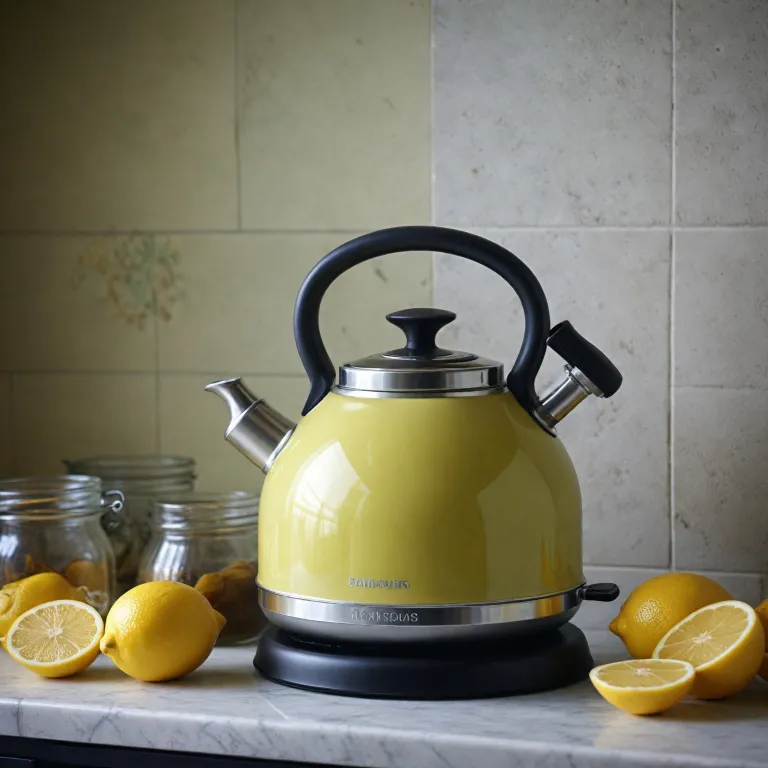
Understanding why limescale builds up in tea kettles
What causes limescale to form inside your kettle?
When you use your electric kettle or stovetop tea kettle to boil water, you might notice a chalky white buildup inside over time. This is called limescale, and it forms mainly due to the minerals found in tap water, especially calcium and magnesium. As water boils and evaporates, these minerals are left behind, sticking to the inside of your kettle. The harder your water, the faster this scaling happens.
How mineral deposits affect your tea and kettle
Limescale buildup doesn't just look unpleasant. It can actually impact the taste of your tea or coffee, making it less fresh and sometimes giving it a slightly metallic or flat flavor. Over time, thick scaling can also make your kettle less efficient, causing it to take longer to boil and use more energy. If you have a stainless steel or electric tea kettle, mineral deposits can even shorten its lifespan if not cleaned regularly.
Why regular cleaning matters
Keeping your kettle clean and free from limescale is important for both flavor and performance. Regular cleaning with solutions like vinegar, citric acid, or lemon juice helps dissolve mineral deposits and keeps your kettle working smoothly. If you want to learn more about the science behind scale and how it forms, check out this in-depth guide to scale removal.
Signs your tea kettle needs descaling
How to Spot Limescale and Mineral Deposits in Your Kettle
It’s not always obvious when your electric kettle or stovetop tea kettle needs a good descale. Limescale buildup happens gradually as water boils and evaporates, leaving behind calcium and magnesium minerals. Over time, these mineral deposits can impact the flavor of your tea or coffee and even shorten the life of your appliance.
- White or chalky residue: Look inside the kettle after boiling water. If you see a white, powdery, or crusty layer on the bottom or sides, that’s limescale.
- Cloudy water: When you fill your kettle and the water looks cloudy after boiling, it’s often due to scaling inside the kettle.
- Strange taste: If your tea or coffee tastes off or metallic, mineral buildup could be affecting the flavor.
- Longer boiling times: Limescale acts as an insulator, making your electric kettle take longer to boil water.
- Noisy operation: A popping or crackling sound while boiling can signal scaling on the heating element.
Regular cleaning and descaling are essential to keep your electric tea kettle working efficiently. If you notice any of these signs, it’s time to descale your kettle using a solution like vinegar, citric acid, or lemon juice. For more on how to protect your kettle and workspace, check out this guide on the role of a pot holder for electric kettles.
Stainless steel and glass kettles can both show limescale, but it’s often more visible in clear models. Whether you use a stovetop tea kettle or an electric kettle, keeping the inside clean helps preserve the flavor of your tea and extends the life of your appliance.
Simple methods to descale your tea kettle at home
Easy Steps to Remove Limescale at Home
Descaling your electric kettle or stovetop tea kettle is simpler than you might think. Over time, mineral deposits like calcium and magnesium from hard water can build up inside your kettle, affecting the flavor of your tea or coffee and even the efficiency of your appliance. Here are some tried-and-true methods to help you clean and descale your kettle for better-tasting drinks and a longer-lasting device.
- White Vinegar Solution: Fill your kettle halfway with equal parts water and white vinegar. Bring the solution to a boil, then turn off the kettle and let it sit for 20–30 minutes. This helps dissolve limescale buildup inside the kettle. Afterward, pour out the solution and rinse thoroughly with fresh water to remove any lingering vinegar smell.
- Lemon Juice or Citric Acid: For a more natural approach, fill the kettle with water and add a couple of tablespoons of lemon juice or a teaspoon of citric acid. Boil the mixture, let it sit for about 20 minutes, then rinse well. Lemon and citric acid are effective at breaking down mineral deposits and leave a fresh scent.
- Baking Soda Paste: If you notice stubborn scaling inside your stainless steel kettle, make a paste with baking soda and water. Apply it to the affected areas, let it sit for 10–15 minutes, then scrub gently with a soft brush or sponge. Rinse thoroughly to ensure no residue remains.
After cleaning, always fill your kettle with fresh water and boil it once or twice to ensure all cleaning agents are removed. This step is important for maintaining the pure flavor of your tea or coffee.
For those who want to fine-tune their tea experience after descaling, you might want to check out this guide on finding the perfect temperature for your tea. The right temperature can make a noticeable difference in flavor, especially when your kettle is clean and free of limescale.
Regular cleaning not only keeps your electric kettle looking good but also helps prevent future limescale buildup. This means better-tasting drinks and a longer life for your appliance.
How often should you descale your electric kettle?
How frequently should you descale your kettle?
The frequency of descaling your electric kettle depends on a few factors, mainly the hardness of your water and how often you use the kettle. Hard water contains higher levels of calcium and magnesium, which leads to more rapid limescale buildup inside the kettle. If you notice white mineral deposits, scaling, or a change in the flavor of your tea or coffee, it’s time to clean your kettle.
- Daily use with hard water: Descale every 2 to 4 weeks. Mineral deposits build up quickly when water boils and evaporates, especially if you use the kettle for tea or coffee multiple times a day.
- Daily use with soft water: Descale every 4 to 8 weeks. Soft water has fewer minerals, so limescale forms more slowly inside the kettle.
- Occasional use: If you only use your electric tea kettle a few times a week, check for scaling every couple of months and descale as needed.
Keep an eye on the inside of your kettle for signs of limescale buildup, such as a chalky white coating or reduced boiling efficiency. Regular cleaning with vinegar, citric acid, or lemon juice helps maintain the performance of your electric kettle and preserves the flavor of your tea. If you use a stainless steel or glass kettle, limescale may be more visible, making it easier to know when it’s time to descale.
Remember, a clean kettle not only extends the life of your appliance but also ensures your water boils efficiently and your tea or coffee tastes fresh. Adjust your cleaning schedule based on your water quality and usage habits for best results.
Preventing limescale buildup in the future
Daily habits to reduce limescale buildup
Keeping your electric kettle clean and free from limescale is easier when you adopt a few simple habits. After each use, try to empty any leftover water from inside the kettle. When water boils and then sits, minerals like calcium and magnesium can settle and form scaling on the inside. Wiping the inside with a soft cloth after use can also help prevent mineral deposits from sticking.
Choose the right water
The type of water you use plays a big role in limescale buildup. Hard water, which contains more calcium and magnesium, leads to more scaling inside your kettle. If you notice frequent buildup, consider using filtered or distilled water for boiling. This can help reduce the amount of limescale and keep your electric tea kettle cleaner for longer.
Regular cleaning routines
Even with preventive steps, some mineral deposits are inevitable. Make it a habit to descale your kettle regularly. Using natural solutions like white vinegar, citric acid, or lemon juice can help dissolve limescale. Fill your kettle with a solution of water and your chosen acid, let it sit, then boil and rinse thoroughly. For stainless steel kettles, gentle cleaning with baking soda can also help maintain shine and remove stubborn spots.
- Empty and dry your kettle after each use
- Use filtered water to reduce mineral deposits
- Descale every 1–3 months, depending on usage and water hardness
- Avoid leaving water to sit inside the kettle for long periods
Store your kettle properly
When not in use, store your electric kettle with the lid open. This allows the inside to dry completely, reducing the chance for limescale and mold to develop. Proper storage is especially important for both electric and stovetop tea kettles to keep them clean and ready for your next cup of tea or coffee.
Monitor for early signs
Stay alert for early signs of scaling, such as white spots, cloudy water, or a change in the flavor of your tea. Addressing these issues quickly with a cleaning or descaling routine can prevent more stubborn buildup and extend the life of your kettle.
Comparing commercial descaling products and home remedies
Home Remedies: What’s in Your Pantry?
Many people turn to everyday kitchen items to descale their electric kettle or stovetop tea kettle. Vinegar and lemon juice are two of the most popular choices. Both contain acid that helps dissolve limescale, which is mainly made up of calcium and magnesium mineral deposits left behind when water boils and evaporates inside the kettle.
- White vinegar: Mix equal parts vinegar and water, fill the kettle, and let it soak. After boiling, rinse thoroughly to avoid any lingering flavor that could affect your tea or coffee.
- Lemon juice: The citric acid in lemon juice works similarly. Fill the kettle with water and a few tablespoons of lemon juice, boil, and let it sit before rinsing.
- Baking soda: While not as strong as acid-based solutions, baking soda can help with cleaning and odor removal, but it’s less effective on tough scaling.
These methods are affordable and use ingredients you likely already have at home. However, they may require repeated treatments for heavy limescale buildup, especially inside stainless steel kettles or electric tea kettles used with hard water.
Commercial Descaling Products: Are They Worth It?
Commercial descaling solutions are designed specifically for removing mineral deposits from electric kettles and other appliances. They often contain stronger acids, such as citric acid or sulfamic acid, which can break down limescale more efficiently than home remedies. These products usually come with clear instructions, making the process straightforward and safe for your kettle’s interior.
- Effectiveness: Commercial products tend to work faster and require less scrubbing or repeated cleaning cycles.
- Safety: Most are formulated to be safe for food-contact surfaces, but always rinse thoroughly after use to protect the flavor of your tea or coffee.
- Cost: They are more expensive than vinegar or lemon juice, but can be a good investment if you have persistent limescale buildup or want a hassle-free solution.
Which Solution Should You Choose?
| Method | Pros | Cons |
|---|---|---|
| Vinegar / Lemon Juice | Cheap, natural, easy to find | May leave odors, less effective on heavy scaling |
| Baking Soda | Good for cleaning, safe | Not strong enough for limescale |
| Commercial Descaler | Fast, highly effective, easy to use | Higher cost, requires purchase |
For regular cleaning and mild scaling, home remedies like vinegar or lemon juice are usually enough to keep your kettle clean and your tea tasting fresh. For stubborn mineral deposits or if you want a quick, powerful solution, a commercial descaler is a reliable choice. Remember, whichever method you choose, always rinse your kettle thoroughly to ensure no cleaning solution remains inside, preserving the flavor of your tea and the longevity of your electric kettle.
