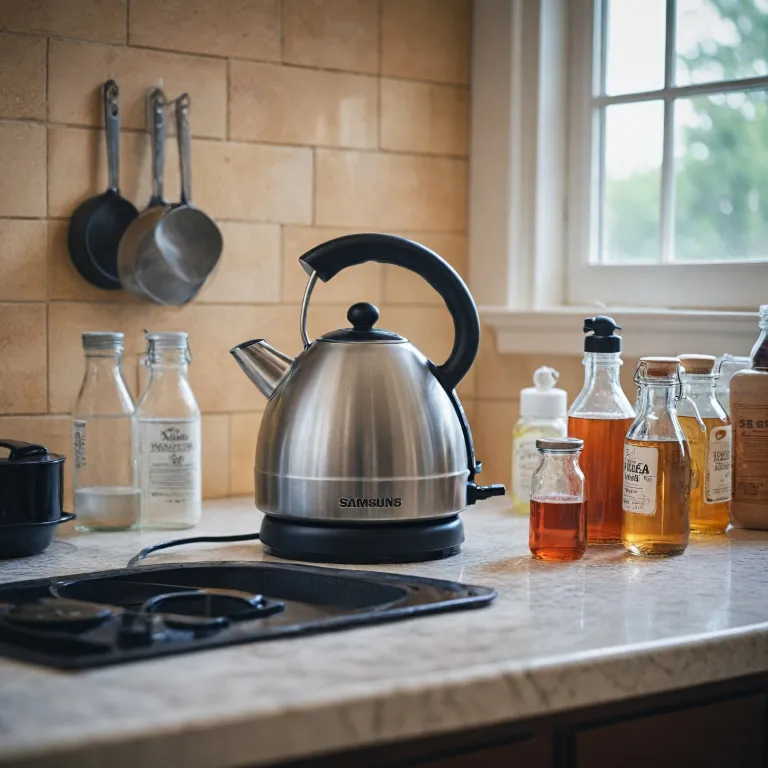
Why limescale builds up in electric kettles
Understanding the Source of Limescale in Your Electric Kettle
Limescale buildup is a common issue inside electric kettles, especially if you use hard water. When water is heated, minerals like calcium and magnesium separate from the water and stick to the inside of your kettle. Over time, these minerals form a chalky, white deposit known as limescale. This buildup not only affects the appearance of your kettle but can also impact its performance and lifespan.
- Hard water contains higher levels of minerals, making limescale buildup more likely.
- Limescale can make your kettle take longer to boil water and use more energy.
- It may even affect the taste of your tea or coffee, leaving a residue in your kettle water.
Regular cleaning and descaling are essential to keep your electric kettle working efficiently. Using natural cleaning solutions like vinegar, citric acid, or lemon juice can help dissolve these mineral deposits. For a detailed guide on keeping your kettle clean and free from limescale, check out these simple steps to effectively clean your electric kettle.
In the next section, we'll explore why vinegar is such an effective solution for tackling limescale and how it works inside your kettle.
How vinegar helps in cleaning your kettle
Why vinegar works as a natural descaler
Vinegar is a popular choice for cleaning electric kettles because it contains acetic acid, which is effective at breaking down limescale buildup inside your kettle. Limescale forms when minerals in kettle water, like calcium and magnesium, are left behind after boiling. Over time, these minerals stick to the inside of your electric kettle, making it less efficient and sometimes affecting the taste of your water or tea.
The science behind vinegar and limescale
When you use white vinegar as a cleaning solution, the acid reacts with the mineral deposits, dissolving them so they can be easily rinsed away. This process is gentle on most stainless steel and plastic kettles, and it’s a natural cleaning method that doesn’t rely on harsh chemicals. Compared to other acids like citric acid or lemon juice, vinegar is widely available and affordable, making it a go-to option for many households looking to descale their kettle.
Benefits of using vinegar for kettle cleaning
- Natural and safe: Vinegar is food-safe and leaves no toxic residue inside your kettle.
- Effective: The acid in vinegar quickly dissolves stubborn limescale buildup.
- Versatile: Works well for both electric and stovetop tea kettles.
- Easy to use: Simply fill your kettle with a vinegar solution, boil, and wipe with a soft or damp cloth.
For a more detailed look at natural cleaning methods and tips on keeping your kettle clean, you can check out this guide on simple steps to effectively clean your tea kettle.
Step-by-step guide to cleaning your kettle with vinegar
Simple Steps for a Thorough Vinegar Clean
- Empty and Rinse the Kettle
Start by unplugging your electric kettle and making sure it’s cool. Pour out any leftover kettle water and rinse the inside kettle with fresh water to remove loose debris or tea stains. - Prepare the Vinegar Solution
Mix equal parts of white vinegar and water. For most kettles, filling halfway with this solution is enough. The acid in vinegar is a natural cleaning agent that helps break down limescale buildup inside the kettle. - Boil the Solution
Plug in your electric kettle and bring the vinegar solution to a boil. Once it reaches boiling, turn off the kettle and unplug it. Let the hot solution sit inside for 20 to 30 minutes. This step allows the acid to dissolve stubborn limescale. - Discard and Rinse Thoroughly
Carefully pour out the vinegar solution. Rinse the inside kettle several times with clean water to remove any lingering vinegar smell or taste. You may need to fill and boil fresh water once or twice, then discard, to ensure your kettle keep its fresh taste. - Wipe Down the Exterior and Interior
Use a soft cloth or a damp cloth to wipe the outside and inside of the kettle. For stainless steel models, a gentle wipe helps maintain shine. If any limescale remains, gently scrub with a soft cloth or a non-abrasive sponge. - Dry and Reassemble
Let your clean electric kettle air dry with the lid open. This prevents moisture buildup and keeps your kettle clean for longer.
For persistent limescale buildup, you can repeat the cleaning process or try natural cleaning alternatives like lemon juice or citric acid. For more detailed advice on how to eliminate limescale from your electric kettle, check out this helpful guide.
- Never immerse the electric base in water.
- Always use white vinegar for best results.
- Regular cleaning helps descale kettle and prolongs its life.
Safety precautions when using vinegar in your kettle
Handle Vinegar with Care
When using vinegar to clean your electric kettle, it’s important to remember that vinegar is an acid. While it’s a natural cleaning solution, direct contact with your skin or eyes can cause irritation. Always pour vinegar carefully and avoid splashing. If you accidentally spill vinegar on your hands, rinse them with water right away.
Protect the Kettle’s Exterior and Components
Keep vinegar and any acidic solution away from the outside of your kettle, especially if it’s made of stainless steel or has decorative finishes. Prolonged contact can dull or damage the surface. Use a damp cloth or soft cloth to wipe the outside, and never submerge the electric base or any electrical parts in water or vinegar.
Rinse Thoroughly After Cleaning
After you descale your kettle with vinegar, make sure to rinse the inside kettle thoroughly. Fill the kettle with fresh water, boil, and discard the water at least once or twice. This step helps remove any lingering vinegar smell or taste, ensuring your kettle water is clean for your next use.
Avoid Mixing Cleaning Agents
Do not mix vinegar with other cleaning agents like baking soda or citric acid during the same cleaning session. Mixing acids and bases can cause unwanted reactions or excessive foaming inside the kettle. Stick to one cleaning method at a time for safety and effectiveness.
Check Manufacturer’s Instructions
Before using vinegar or any acid-based solution, check your electric kettle’s manual. Some models, especially those with certain coatings or materials, may have specific recommendations or warnings about using vinegar or lemon juice. Following these guidelines helps keep your kettle in good condition and maintains your warranty.
Alternative methods for descaling your kettle
Other Ways to Remove Limescale from Your Kettle
While vinegar is a popular and effective solution for cleaning electric kettles, there are several alternative methods you can try if you prefer a different approach or want to avoid the strong smell of vinegar. Each method uses common household items and natural cleaning agents to help descale your kettle and keep it in top shape.
- Lemon Juice: The citric acid in lemon juice works similarly to vinegar for breaking down limescale buildup inside your kettle. Simply fill the kettle with water, add a few tablespoons of lemon juice, and boil. Let the solution sit for about 30 minutes before rinsing thoroughly. This method leaves a fresh scent and is gentle on stainless steel surfaces.
- Citric Acid Powder: Citric acid is a natural cleaning agent that can be very effective for descaling. Dissolve one to two tablespoons of citric acid powder in water, fill your electric kettle, and bring it to a boil. Allow the solution to sit for 15 to 20 minutes, then pour it out and rinse the inside kettle with clean water. Wipe with a soft cloth or damp cloth to remove any remaining residue.
- Baking Soda: Baking soda is another household staple that can help clean electric kettles. Mix a tablespoon of baking soda with water, fill the kettle, and boil. After boiling, let the solution cool, then scrub the inside with a soft cloth or non-abrasive sponge. Rinse thoroughly to ensure no baking soda remains.
For all these methods, always make sure to wipe the inside of the kettle with a clean, damp cloth after cleaning to remove any leftover solution or limescale. Regular cleaning helps prevent limescale buildup and keeps your kettle water tasting fresh. If you use your tea kettle frequently, these natural cleaning options can help maintain your appliance and extend its lifespan.
How often should you clean your electric kettle
How Regular Cleaning Maintains Your Kettle’s Performance
Keeping your electric kettle clean is not just about looks—it’s about performance and safety. Limescale buildup inside the kettle can affect how quickly your water boils and even change the taste of your drinks. Regular cleaning with vinegar or other natural cleaning solutions helps prevent this buildup and keeps your kettle working efficiently.
- Frequency: For most households, it’s best to descale your kettle every 4 to 6 weeks. If you notice white deposits or your water tastes different, it’s time for a cleaning session.
- Hard Water Areas: If you live in a region with hard water, limescale can form faster. In these cases, cleaning your electric kettle every 2 to 3 weeks is recommended.
- Light Use: If you only use your kettle occasionally, you can clean it less often, but don’t let it go more than two months without a good descale.
Using vinegar, citric acid, or lemon juice as a cleaning solution helps break down mineral deposits. After each cleaning, rinse thoroughly and wipe the inside with a soft or damp cloth to remove any acid residue. For stainless steel kettles, a gentle wipe with a soft cloth keeps the exterior looking new.
Regular maintenance not only keeps your kettle clean but also extends its lifespan and ensures your kettle water stays fresh. Whether you use kettle vinegar, baking soda, or lemon juice, sticking to a cleaning routine is key to keeping your electric kettle in top shape.
