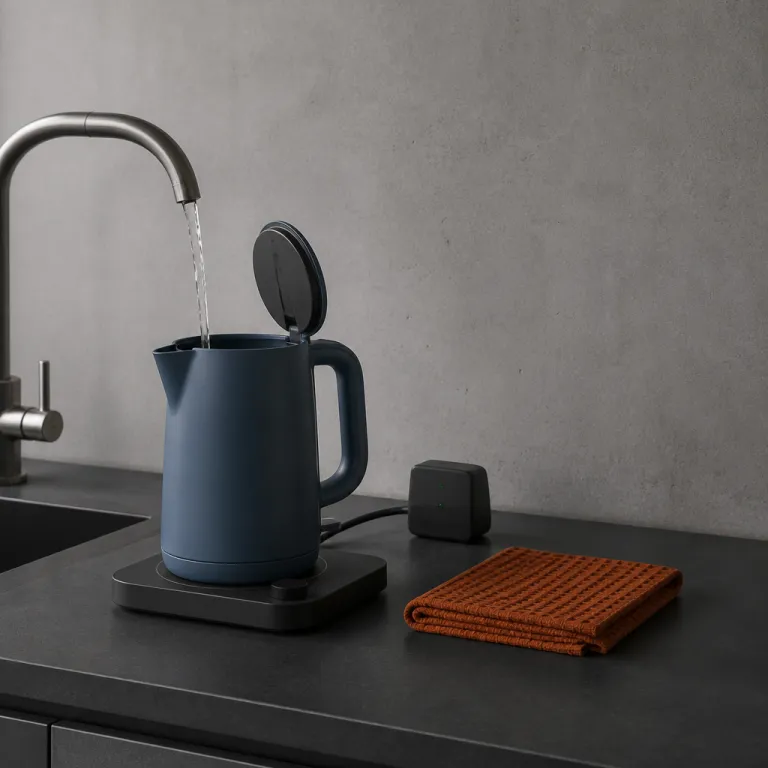
Why electric kettles matter in an efficient kitchen
Among all energy efficient kitchen appliances, the humble electric kettle often works hardest. In many homes this single appliance heats water several times a day, so its energy consumption quietly shapes both utility bills and carbon emissions. When you treat the kettle as part of a wider system of efficient appliances, you start to see how small daily choices can reduce energy costs by a meaningful percent.
Boiling only the water you need is usually the best energy saving habit, because every extra millilitre demands more heat and more time from the heating element. A typical 2 000 watt kettle can bring 1 litre of water to the boil in under four minutes, which is significantly more efficient than most stovetop models that waste heat into the surrounding air. That difference in energy efficiency becomes striking over thousands of boils, especially in a busy kitchen where tea, coffee, instant meals and baby bottles all rely on fast hot water.
Electric kettles also sit at the crossroads of smart design and practical safety in modern kitchen appliances. Many newer models integrate precise thermostats, insulated walls and automatic shut off systems that help reduce unnecessary energy consumption while protecting users from dry boil accidents. When you evaluate energy efficient products for an efficient kitchen, it makes sense to start with the kettle because it combines frequent use, clear performance metrics and relatively low purchase prices compared with other appliances.
How to read kettle power, capacity and efficiency claims
Power ratings on electric kettles can be confusing, because higher wattage sounds less efficient even though it often shortens boiling time and can save energy. A 3 000 watt appliance that heats 1 litre of water in two minutes may use similar or even less energy than a 2 000 watt appliance that needs three minutes, since total energy consumption equals power multiplied by time. The most efficient models balance wattage, element design and insulation so that they convert as much electrical energy as possible into useful heat in the water rather than wasted heat in the air.
Capacity matters just as much as power when you compare efficient appliances for an eco friendly lifestyle. Oversized kettles in a small household encourage people to boil more water than they need, which can increase energy costs by several percent over a year of daily use. Guidance on getting kettle capacity right to save energy and time shows that matching volume to real habits is often the best energy decision you can make in the kitchen.
Marketing labels sometimes reference energy efficient design without using formal energy star or star certified language, because small countertop appliances are not always covered by those schemes. Instead of chasing badges, focus on clear specifications about insulation, keep warm functions, automatic shut off and measured boil times for different water volumes. These details help you judge real world energy efficiency and identify efficient models that will genuinely help reduce utility bills in a modern luxury kitchen or a compact student flat.
Boiling speed versus energy saving: finding the right balance
Fast boiling is one of the main reasons people upgrade electric kettles, yet speed and energy saving do not always move in the same direction. A very powerful appliance can heat water quickly but may tempt users to boil full capacity every time, which raises total energy consumption and undermines the promise of efficient kitchen habits. The most energy efficient kitchen appliances strike a balance, pairing adequate power with clear water level markings and audible cues that nudge you to heat only what you need.
From a technical perspective, the energy required to raise water temperature is fixed by physics, but design choices determine how much extra heat escapes into the air. Wide spouts, uninsulated walls and leaky lids allow hot air to carry away energy, while double wall construction and tight seals keep more heat in the appliance where it belongs. Over several years of daily use, that difference can translate into a noticeable percent energy saving, especially when you compare premium products with cheaper models that lack thoughtful engineering.
Cost over time is where the kettle becomes a textbook case for energy efficiency in small appliances. Independent five year cost comparisons that track purchase price, measured electricity use per boil and replacement frequency show how frequent failures, limescale buildup and wasted heat can outweigh the initial discount on a budget model. A simple example illustrates the stakes: if boiling 1 litre uses about 0.1 kilowatt hours, a household that boils a full kettle twice a day instead of only what it needs could waste roughly 70 to 80 kilowatt hours per year, which adds up on the bill. When you view the kettle alongside water heaters, heat pumps and other heating cooling systems in the home, it becomes clear that paying slightly more for efficient models is often the best energy investment for both your wallet and the planet.
Smart features that genuinely help reduce energy costs
Smart kettles promise convenience, but only some features genuinely improve energy efficiency and help reduce utility bills. App based controls and voice assistants can be useful, yet the most important functions remain precise temperature selection, rapid shut off and well designed insulation that keeps heat in the water. When these elements work together, the appliance behaves like a highly efficient electric water heater for your mug, transferring energy into the liquid instead of wasting it into the surrounding air.
Variable temperature settings are especially valuable for tea and coffee drinkers who rarely need a full rolling boil, because heating water to 80 or 90 degrees Celsius uses less energy than reaching 100 degrees. In practice, that can cut energy consumption by several percent per boil while also protecting delicate tea leaves and specialty coffee from scalding. Over hundreds of uses, this small adjustment turns a standard kettle into one of the most efficient appliances in the kitchen, rivaling larger energy efficient kitchen appliances in terms of proportional savings.
Safety technology also intersects with energy saving in important ways. Automatic shut off, boil dry protection and stable bases reduce the risk of overheating, which protects both the appliance and the household from accidents that waste energy and sometimes cause harm. Recent recalls of unsafe portable kettles, documented in investigations into how to spot unsafe online kettle buys, underline why professional testing and robust design matter as much as headline efficiency claims.
Comparing kettles with other energy efficient kitchen appliances
When you map your whole kitchen, the electric kettle sits alongside induction hobs, convection ovens and modern water heaters as part of a broader energy strategy. Induction cooking and heat pumps for domestic hot water often carry formal energy star or star certified labels, while kettles rely more on design transparency and independent testing. Yet all these products share the same goal, which is to save energy, reduce energy costs and cut emissions without sacrificing comfort or performance.
In a luxury kitchen, it is common to see premium ovens, smart fridges and integrated heat pumps for heating cooling, but the kettle still handles most small scale water heating. Choosing efficient models with insulated walls, clear water markings and rapid shut off can deliver a surprisingly high percent energy saving compared with older appliances that leak heat. When you combine those gains with efficient kitchen lighting, eco friendly dishwashers and careful use of other kitchen appliances, the cumulative reduction in energy consumption becomes substantial.
For many households, the best energy strategy is to tackle frequent, low level uses before investing in major infrastructure upgrades. That means focusing on the kettle, the microwave, the coffee machine and other countertop appliances that cycle on and off all day. By treating each appliance as part of a coordinated system of energy efficient products, you create a kitchen where every boil, bake and brew quietly supports lower utility bills and a smaller environmental footprint.
Practical buying guide for an efficient electric kettle
Choosing an electric kettle with strong energy efficiency starts with a simple checklist that anyone can apply in a shop or online. Look for clear water level markings, a capacity that matches your real habits and a power rating that balances speed with control rather than chasing the highest wattage. These factors ensure that the appliance uses just enough energy to heat the water you need, without wasting heat into the air or encouraging oversized boils.
Next, examine build quality and insulation, because these details separate truly energy efficient kitchen appliances from generic products. Double wall stainless steel or well engineered plastic bodies keep heat inside the appliance, while thin single wall designs lose energy quickly and can feel dangerously hot to the touch. A well insulated kettle often stays warm for several minutes after boiling, which can save energy when you top up a second cup without reheating from cold.
Finally, consider how the kettle fits into your broader plan for efficient appliances and eco friendly living. If you already rely on heat pumps, efficient water heaters and other energy star or star certified systems, the kettle becomes the last link in a chain of efficient models that support lower energy consumption across the home. Treating this small appliance with the same professional attention you give to larger kitchen appliances helps you save money, reduce waste and enjoy a luxury kitchen that performs beautifully without inflating your utility bills.
Key figures on kettle efficiency and household energy
- Boiling 1 litre of water in an electric kettle typically uses around 0.1 kilowatt hours of energy, which is roughly half the energy required by a traditional stovetop kettle on a resistive hob according to tests by the UK Energy Saving Trust (Electricity Use in the Home, 2013, based on laboratory measurements of time to boil and metered electricity consumption).
- Studies by the UK Department for Business, Energy and Industrial Strategy (BEIS, Energy Consumption in the UK, 2017 kitchen appliance annex, using monitored household electricity data) have shown that overfilling kettles can waste up to 30 percent of the energy used for boiling, mainly because people routinely heat more water than they actually consume.
- In many European households, small kitchen appliances including kettles, toasters and coffee machines account for around 10 percent of residential electricity use, based on analyses by the International Energy Agency (Energy Efficiency 2019, end use breakdown derived from national load surveys and appliance stock models).
- Variable temperature kettles that allow users to heat water to 80 or 90 degrees Celsius instead of boiling can reduce energy use per cycle by 10 to 20 percent, depending on starting water temperature and volume, as reported in comparative product testing by consumer organisations such as Which? (UK, 2020 kettle test series using plug in energy meters and repeated 1 litre boils).
- Insulated or double wall kettles can retain usable heat for 20 to 30 minutes longer than single wall models, which reduces the need for reheating and can cut total kettle related electricity use by several kilowatt hours per year in heavy use households, according to field trials summarised by the UK Energy Saving Trust (Efficient Electric Kettles briefing note, 2012, based on monitored kitchen plug loads).
FAQ: energy efficient electric kettles
Does a higher wattage kettle always use more energy
A higher wattage kettle does not always use more energy, because total energy depends on both power and time. If a 3 000 watt kettle boils water significantly faster than a 2 000 watt model, the overall energy consumption for the same volume can be similar or even lower. What matters most is how much water you heat and how often you use the appliance.
Is it cheaper to boil water in a kettle or on the hob
For most households using standard electric hobs, an electric kettle is cheaper and more efficient for boiling water. Kettles transfer a larger share of their energy directly into the water, while hobs lose more heat into the surrounding air and cookware. Induction hobs narrow this gap, but a good kettle remains highly efficient for small volumes.
What kettle size is best for saving energy
The best kettle size is the smallest capacity that still matches your typical use, because it discourages overfilling and unnecessary boiling. For one or two people, a 1 to 1.2 litre kettle is usually sufficient, while larger families may benefit from 1.5 to 1.7 litre models. The key is to fill only to the level you actually need for each boil.
Do keep warm functions waste electricity
Keep warm functions can waste electricity if they hold water at high temperatures for long periods, especially when nobody is drinking. Short keep warm cycles at moderate temperatures can be efficient when several people take drinks in quick succession. If you live alone or make drinks infrequently, it is usually better to switch the kettle off after each boil.
How long should an efficient electric kettle last
A well built efficient electric kettle should last at least five years with normal household use, and often longer if you descale it regularly. Limescale buildup forces the heating element to work harder, which increases energy use and shortens the appliance lifespan. Choosing a model with a removable filter and easy access for cleaning helps maintain both performance and efficiency over time.