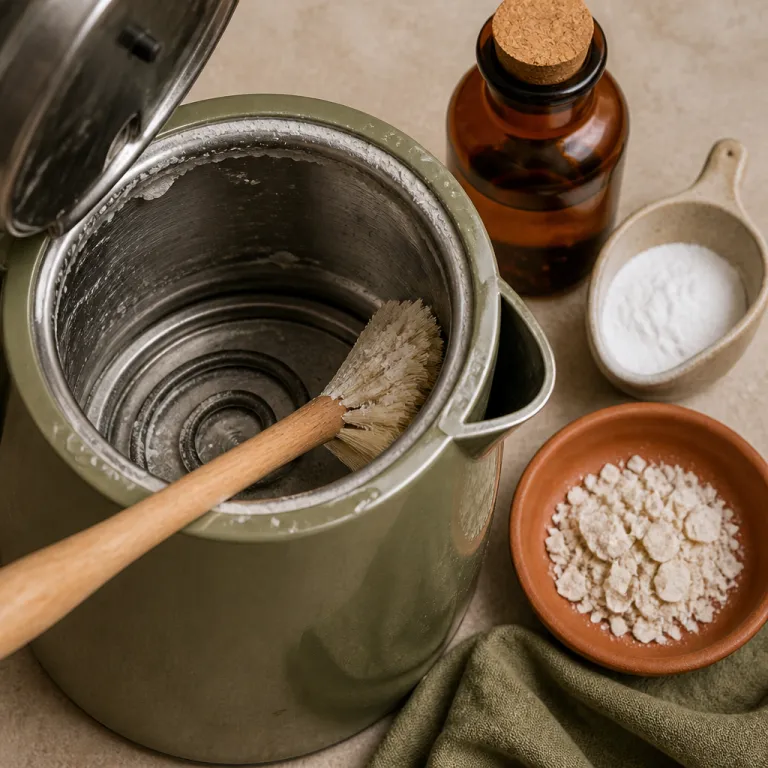
Why the inside of your kettle shapes every cup of tea
Learning how to clean inside of kettle chambers starts with understanding what actually coats those walls. Each time you heat water in an electric kettle or on a stovetop electric model, minerals in the water leave a thin limescale film inside the metal or glass. Over time that limescale buildup hardens, traps mineral deposits in layers, and slowly changes how quickly the kettle can boil water and how your tea water tastes.
When limescale and other residue cling to the inside kettle surface, they create hot spots that make the electric element work harder and waste energy. The same buildup can flake into your cup tea, leaving white particles floating in the drink and dulling delicate tea aromas. Keeping kettles clean inside with a simple solution of food-safe acid and fresh water is not just about appearance, it is about performance, hygiene, and long term safety.
Hard water limescale forms faster in stainless steel kettles than many people expect, especially when the water boil cycle runs several times a day. Glass models show every streak, so any mineral buildup or tea stains on the inside stand out immediately. Whether you use a compact electric tea kettle at work or a large electric kettle for family breakfasts, regular cleaning protects both the appliance and the flavour of every clean tea infusion.

Step by step: using white vinegar to clean inside of kettle
The most reliable way to clean the inside of an electric kettle is a controlled white vinegar soak followed by a full rinse. Start by filling the kettle with a mixture of one part white vinegar to one part fresh water, aiming for about half to two thirds full so the solution covers the main area of limescale buildup around the water line. If you own several kettles, repeat this process one at a time so you can monitor each electric model carefully during the cleaning cycle.
Switch on the electric kettle and let the water boil once, then turn it off, unplug it, and leave the hot acid solution inside for at least twenty minutes but no longer than an hour unless the manufacturer advises otherwise. This contact time allows the mild acetic acid in the vinegar to soften mineral buildup and loosen water limescale deposits from both stainless steel and glass interiors. For a stovetop electric hybrid or a traditional tea kettle used on gas, heat the same vinegar solution until steaming, then remove it from the hob and allow it to sit undisturbed.
When the soaking time ends, pour the liquid away and inspect the inside kettle surface for remaining white patches or rough areas. Use a soft sponge or soft cloth to gently wipe the inside, focusing on stubborn limescale buildup around the spout and base where tea water often sits. To finish, refill with fresh water, bring it to a full water boil, discard that rinse, and repeat once more so no trace of white vinegar remains before you prepare your next cup tea.
For readers living in hard water regions, building a routine around this kind of hard water descaling process can significantly extend the life of any electric tea kettle. Regular descaling keeps the heating element efficient and reduces the risk of overheating caused by thick mineral layers. It also means less frequent deep cleaning sessions, because light deposits never get the chance to become rock hard.
Quick checklist: how to descale a kettle with vinegar
- Check the manufacturer’s instructions for any warnings about vinegar or other acids.
- Fill the kettle halfway to two thirds with equal parts white vinegar and fresh water.
- Bring the solution to a boil once, then switch off and unplug the appliance.
- Let the mixture sit for 20–60 minutes so limescale softens.
- Empty the kettle, gently wipe the interior with a soft sponge or cloth, and rinse.
- Boil a full kettle of clean water twice, discarding each batch before making tea or coffee.
Lemon juice and baking soda: gentler options for sensitive kettles
Some people dislike the smell of vinegar, so they ask how to clean inside of kettle chambers without it. A practical alternative is lemon juice, which contains citric acid that dissolves limescale while leaving a fresh scent inside the appliance. This method works especially well for glass kettles and polished stainless steel models where you want to avoid harsh odours and keep the inside looking clear.
To use lemon juice, squeeze enough fresh fruit to obtain a small amount of liquid, then dilute it with fresh water until the kettle is half full. Bring this mixture to a gentle water boil in your electric kettle or tea kettle, then switch off the power, unplug the base, and let the solution rest for twenty to thirty minutes. The citric acid will attack mineral buildup and water limescale deposits, softening them so a soft sponge can remove the residue without scratching.
Baking soda plays a different role in cleaning because it is mildly abrasive and helps neutralise acid after descaling. Once you have emptied the lemon solution, sprinkle a small amount of baking soda on a damp soft cloth and carefully wipe the inside kettle walls. Rinse thoroughly with fresh water, boil again, and discard the tea water so no powder remains before you brew clean tea or coffee.
In very hard water areas, it is worth checking regional guidance, such as a local hard water map or utility advice, to decide how often to repeat these gentle methods. People in high mineral zones may need to descale every two weeks, while softer water households can often wait a month. Matching your routine to local conditions keeps both electric kettles and stovetop electric models in better shape for longer.
Daily habits that keep the inside of your kettle cleaner
Knowing how to clean inside of kettle surfaces is only half the story, because daily habits decide how quickly limescale returns. The simplest protective step is to empty remaining water after each use so mineral buildup does not form a ring where tea water sits for hours. Leaving a kettle half full overnight gives water limescale more time to harden and cling to stainless steel or glass walls.
Another effective habit is to avoid overfilling, since boiling more water than you need wastes energy and increases the area exposed to deposits. Fill your electric kettle only to the level required for a cup tea or a pot, then let the water boil once without repeated reheating cycles. Every extra boil encourages more limescale buildup, especially in compact electric tea kettles that run many short cycles each day.
After the final pour, leave the lid open so steam can escape and the inside kettle dries faster. When moisture lingers, it encourages both mineral streaks and faint tea stains that later require more aggressive cleaning. A quick wipe with a soft cloth or a soft sponge around the rim and spout takes seconds and keeps the inside noticeably cleaner between full descaling sessions.
For people who care deeply about flavour, pairing these habits with a temperature controlled model can also help. A well maintained appliance, such as those described in guides on how a temperature controlled kettle transforms everyday tea and coffee rituals, lets you heat only what you need and avoid unnecessary boiling. Less heat stress on the element means fewer micro cracks where limescale can anchor, which indirectly keeps kettles cleaner inside.
Cleaning different kettle materials: stainless steel, glass, and electric elements
Not every kettle responds the same way to cleaning, so understanding the material inside your appliance matters as much as knowing how to clean inside of kettle chambers in general. Stainless steel kettles are durable and tolerate repeated exposure to white vinegar or lemon juice, but they still need gentle handling with a soft sponge to avoid fine scratches. Glass models reveal every streak, so they benefit from a softer approach using a non abrasive cloth and careful rinsing with fresh water.
When dealing with an electric kettle, never immerse the base or electric element in water, because this risks permanent damage and safety hazards. Instead, focus on filling only the interior with your chosen solution, letting the water boil once, and then allowing the acid to work on limescale buildup while the appliance is unplugged. For stubborn mineral buildup around the concealed element, a second cycle with white vinegar or lemon juice is safer than scraping with metal tools.
Traditional tea kettles used on gas or induction hobs can usually withstand more vigorous scrubbing on the outside, but the inside still deserves care. Avoid steel wool, which can leave deep marks where water limescale and rust may later form, and choose a soft cloth or sponge instead. If tea stains persist, a paste made from baking soda and a small amount of water can be applied, left briefly, then wiped away before a final rinse and water boil.
Owners of compact electric tea kettles should pay special attention to narrow spouts and mesh filters, where limescale buildup can restrict flow. Remove any detachable parts and soak them in a diluted white vinegar solution, then rinse thoroughly and wipe dry before reassembly. Keeping these components clean ensures a smooth pour for every cup tea and prevents flakes from breaking loose into your clean tea.
Safety, taste, and when to replace a heavily scaled kettle
Regular maintenance does more than keep the inside of your kettle looking presentable, it also protects taste and safety. When limescale buildup becomes very thick, it can cause uneven heating that stresses the electric element or base of a stovetop electric model. In extreme cases, this mineral buildup may even trigger overheating protection more often, shortening the life of the appliance and making every water boil less efficient.
From a flavour perspective, heavy deposits inside kettle walls can give tea water a flat or chalky character, especially in delicate green teas. Even if you clean tea stains from the spout, residue hidden around the base can still release tiny particles into each cup tea. If repeated cycles with white vinegar, lemon juice, and baking soda no longer remove the rough texture, it may be time to consider a replacement electric kettle.
Before reaching that point, though, a disciplined routine of cleaning and wiping can usually restore performance. Aim to descale with an acid based solution at least once a month in moderate water areas, and more often where water limescale levels are high. Between deep cleans, empty unused water, leave the lid open, and give the rim a quick wipe with a soft cloth or soft sponge to keep the inside kettle surface smooth.
Safety notes and precautions
- Always unplug electric kettles and let them cool slightly before handling or wiping.
- Do not immerse the base, plug, or external electrics in water or cleaning solution.
- Use only food-safe acids such as white vinegar or lemon juice, and never mix them with bleach or chlorine-based products.
- Check the user manual for any restrictions on descaling agents, soak times, or maximum fill levels.
- Rinse thoroughly and boil fresh water at least once after descaling to remove any remaining odour or taste.
When you finally choose a new appliance, look for design features that simplify cleaning, such as wide lids, removable filters, and smooth stainless steel or glass interiors. These details make it easier to maintain what you have learned about how to clean inside of kettle chambers and keep future kettles in better condition. A clean interior rewards you every day with faster boiling, quieter operation, and a more consistent taste in every carefully prepared cup.
Key figures on kettle cleaning, limescale, and hard water
- In many hard water regions, tap water is commonly described by utilities as “hard” when it contains roughly 120–180 milligrams of calcium carbonate per litre or more, which noticeably accelerates limescale buildup inside kettles compared with soft water areas.
- Independent testing on electric kettles has reported that a heating element covered with around 1 millimetre of mineral buildup can reduce practical energy efficiency, leading to longer boiling times and higher electricity use for the same volume of water, although exact figures vary by model and test method.
- Consumer guidance from major appliance brands generally recommends regular descaling with white vinegar or citric acid every two to four weeks in hard water areas, and experience shows this kind of routine can help many electric kettles remain functional for longer than identical models that are rarely cleaned.
- Reports on beverage quality note that visible limescale particles in tea water are most common when kettles are descaled only a few times per year, while households that follow a monthly cleaning routine usually encounter fewer issues with off flavours or floating residue.
- In some European cities known for very hard water, local advice often suggests using filtered water for kettles to slow internal limescale buildup, which can substantially reduce the frequency and intensity of required cleaning sessions.
FAQ: how to clean inside of kettle safely and effectively
How often should I clean the inside of my kettle
Most households benefit from descaling the inside of a kettle every one to three months, depending on local water hardness and how often they boil water. In hard water areas where mineral buildup appears quickly, a monthly white vinegar or lemon juice treatment keeps limescale under control. Light users in soft water regions can usually stretch the interval, but they should still inspect the inside kettle regularly for early signs of water limescale.
Is it safe to use vinegar inside an electric kettle
Using diluted white vinegar is generally safe for electric kettles when you follow the manufacturer’s instructions and avoid immersing the base or external electrics. A typical method is to mix equal parts vinegar and fresh water, bring it to a brief water boil, then let it sit before rinsing thoroughly. Always run at least one full kettle of clean water afterward and discard that tea water so no vinegar taste reaches your next cup tea, and never mix vinegar or other acids with bleach or chlorine-based cleaners.
Can I clean a kettle with baking soda only
Baking soda alone will not dissolve heavy limescale buildup, because it is not an acid, but it works well as a gentle scrub after an acid soak. First use white vinegar or lemon juice to soften deposits inside the kettle, then apply a small amount of baking soda on a damp soft sponge or cloth. This combination removes remaining stains without scratching stainless steel or glass surfaces.
Does limescale inside a kettle affect my health
Limescale is mainly composed of calcium and magnesium salts, which are not harmful at the levels typically found in kettle deposits, but they can affect taste and appliance performance. Thick layers of mineral buildup can flake into drinks, leaving visible particles in tea water and coffee. Keeping kettles clean with regular descaling improves flavour, maintains efficient boiling, and avoids the unpleasant experience of gritty residue in a cup tea.
What is the best way to clean a glass tea kettle
A glass tea kettle shows every mark, so a gentle approach works best to keep the inside clear. Fill it with a solution of lemon juice or white vinegar and fresh water, bring it close to a boil, then let it sit before wiping with a soft cloth or soft sponge. Rinse thoroughly, boil clean water once, and discard it so the next clean tea infusion remains bright and free from any lingering odour.