Why thermal efficiency matters more than raw wattage
An energy efficient kettle is not about brute power alone. Thermal efficiency measures how much of the electrical energy actually reaches the water as heat, rather than leaking away through the stainless steel body, the plastic handle mounts, the lid, or the base. When regulators talk about an 85 percent thermal efficiency threshold at 1 litre, they are saying that at least 0.85 of every unit of energy must end up as hotter water, not wasted warmth in your kitchen air.
For a specialty tea drinker who boils water several times a day, that 15 percent loss gap between a sloppy electric kettle and a well engineered one becomes a visible line on the energy bill. UK households already feel every extra kilowatt hour, so an energy efficient kettle that reaches 90 percent thermal efficiency can trim costs without changing how often you drink tea or coffee. The same physics applies whether you use compact electric kettles, a classic hob kettle on gas, or a countertop water boiler that dispenses hot water all day.
Think about your routine rather than the marketing headline about fast boiling. If you usually heat only 500 millilitres for a single tea kettle brew, a 3 000 watt model that encourages you to fill 1.7 litres wastes both water and energy. A better shopping guide focuses on matching capacity, variable temperature control, and insulation to your actual boiling water habits, because energy efficiency is as much about behaviour as it is about coil geometry.
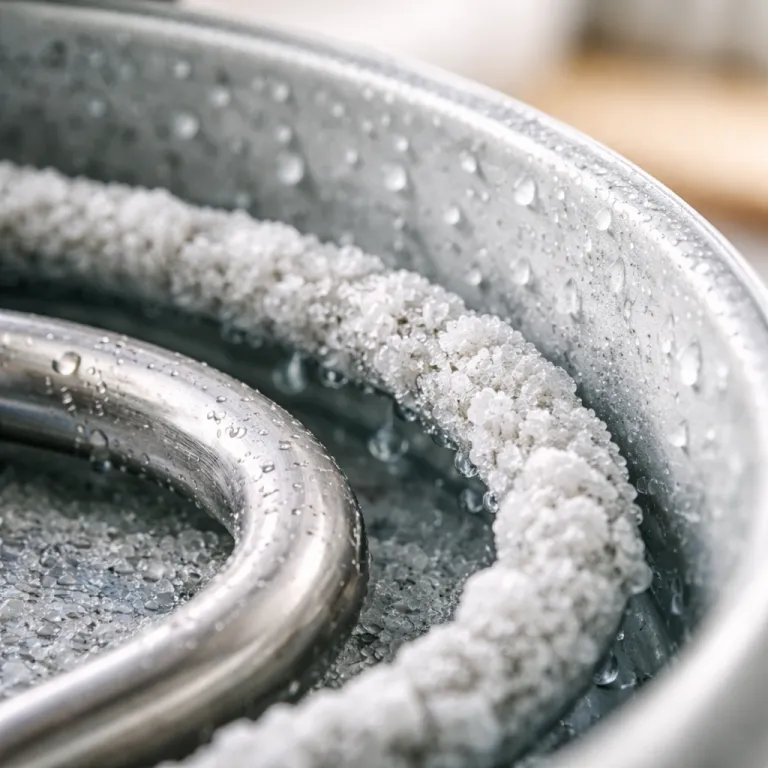
Thermal efficiency starts at the heating element. Modern electric kettles use concealed elements pressed tightly against the stainless steel base, reducing the air gap that used to bleed energy in older designs. Optimised coil geometry, where the element traces a dense spiral under the water, shortens the path for heat transfer and helps the kettle shut boil precisely when the water reaches the target temperature.
Insulation is the second pillar. Double walled stainless steel bodies or plastic outer shells around a stainless inner liner keep hot water hotter for longer, which matters if you brew multiple tea infusions or pour over coffee in stages. A well insulated energy efficient kettle can hold water within a few degrees of the set temperature for ten to twenty minutes without constantly reheating, which quietly protects both your energy budget and the element from unnecessary cycling.
Safety features interact with efficiency in subtle ways. A responsive boil dry sensor and reliable dry protection prevent the element from glowing uselessly when there is no water, which saves energy and avoids scorched metal. When you read reviews, look for comments about how quickly the kettle cuts off after boiling, whether the shut boil mechanism ever fails, and if the variable temperature presets overshoot and then cool back down, because that hunting behaviour wastes energy every time you heat water.
Boiling speed, capacity and the real cost of every mug
Fast boiling sells kettles, but the stopwatch can mislead. A 3 000 watt electric kettle that roars 1.7 litres of water to a rolling boil in under three minutes looks impressive on an amazon product page, yet that full volume rarely turns into four generous mugs in real life. The spec sheet capacity is measured to the brim, while most people sensibly keep the water level below the lid vents, so you end up reheating smaller batches and paying for energy you never use.
For a specialty coffee drinker using a gooseneck kettle, the equation changes again. You might only need 400 to 600 millilitres of hot water for a V60 or AeroPress, and a smaller 0.9 litre gooseneck electric kettle with 1 200 to 1 500 watts can reach the right temperature almost as quickly while consuming less total energy. When you compare fast boil electric kettles in any detailed shopping guide, focus on time to heat 500 millilitres and 1 litre, not the headline 1.7 litre figure, because that is the volume you actually pour most days.
Boiling speed also depends on starting temperature and limescale. Hard water in many UK regions leaves scale on the stainless steel base and around the concealed element, which acts as an insulating crust that slows heat transfer and drags down energy efficiency. If you see reviews mentioning flakes of scale in the first pour or a kettle that suddenly takes longer to boil, that is not just an aesthetic issue, it is wasted energy every time you heat water.
Variable temperature control is where boiling speed and flavour intersect. Green tea, oolong, and many specialty coffees taste better when brewed between 80 and 96 degrees Celsius, so an energy efficient kettle that stops at the right temperature avoids the pointless step of boiling water, then waiting while it cools. A good variable temperature tea kettle or gooseneck kettle will heat directly to your chosen setting, hold it with a gentle keep warm mode, and avoid repeated full power reheats that chew through energy.
Capacity should match your household, not your aspirations. A compact 1 litre electric kettle with a tight fitting lid and well designed spout can serve two people perfectly, while a larger 1.7 litre model suits families who regularly fill multiple mugs and a teapot. If you only ever heat enough hot water for one person, a smaller body reduces the surface area that leaks heat and often improves energy efficiency, especially when paired with a double walled stainless steel shell.
Speed is not everything, though. Some of the top fast boil electric kettles trade noise and durability for a few seconds of gain, using thinner stainless steel and lighter plastic handles that flex over time. When you read a detailed fast boil comparison, pay attention to comments about rattling lids, wobbling bases, and switches that feel cheap, because those are the failure points that turn a promising energy efficient kettle into e waste long before the element wears out.
How energy mandates reshape kettles for UK and European buyers
Regulation sounds abstract until it reaches your countertop. The US Department of Energy minimum performance standard that requires at least 85 percent thermal efficiency at 1 litre has forced manufacturers to redesign electric kettles from the inside out, starting with the heating element and the base. Because the same factories supply global brands, those engineering changes arrive in UK and European kettles within a product cycle, even though local rules differ.
Look under the base of a recent energy efficient kettle and you will often find a vacuum sealed layer between the heating plate and the outer shell. That vacuum sealed base reduces conductive heat loss into the worktop and helps the kettle retain heat between boils, which is especially useful for people who brew several rounds of tea or coffee in quick succession. According to market data, more than two thirds of newly launched kettles now use some combination of optimised coil geometry and improved insulation, which shows how quickly energy efficiency has become a design priority.
These mandates also push brands to refine control electronics. A precise thermostat that senses steam at the right point in the spout or lid channel allows the kettle to shut boil exactly when the water reaches the target temperature, rather than a few seconds later after unnecessary boiling. That sharper control not only saves energy but also protects delicate teas from scalding, especially when paired with a variable temperature interface that lets you choose 70, 80, 90, or 100 degrees Celsius with a single button.
There is a downside. Compliance costs can squeeze cheaper models out of the market, because adding a vacuum sealed base, better insulation, and more accurate thermostats is not free, and budget kettles have little margin to absorb those changes. Some low cost electric kettles respond by cutting corners elsewhere, using thinner stainless steel, more brittle plastic lids, or less robust boil dry protection, which can undermine both safety and durability.
For UK buyers, the smart move is to treat energy labels and efficiency claims as a starting point, not the whole story. Read independent analysis of how the 85 percent efficiency rule is reshaping kettles worldwide, then cross check that with long term user reviews that mention real world boiling behaviour, noise, and reliability. When a kettle meets the standard on paper but feels flimsy in the hand, you are likely trading years of service life for a small upfront saving, which is rarely an ethical or eco friendly choice.
Energy mandates have a broader effect beyond kettles. The same engineering teams that refine coil geometry and insulation for electric kettles apply those lessons to water boilers, coffee machines, and even hob kettle compatible induction bases, accelerating innovation faster than consumer demand alone would. In practice, that means a specialty tea drinker in London benefits from a rule written in Washington, because the shared supply chain quietly upgrades the everyday tools used to heat water.
Ethics, materials and safety in an energy efficient kettle
Efficiency without ethics is a half finished story. When you choose an energy efficient kettle, you are also choosing which materials touch your water, how long the appliance will last, and what kind of labour conditions produced it. Ethical ratings for small appliances are still patchy, but they increasingly consider human rights issues in supply chains, the recyclability of stainless steel and plastic components, and the repairability of electric kettles when switches or lids fail.
From a health perspective, the safest path is to keep boiling water away from questionable plastics. A well designed stainless steel interior, ideally with a food grade liner and minimal plastic inside the chamber, reduces the risk of off flavours and microplastic shedding, especially at high temperature. If a kettle uses plastic for the lid or water level window, look for clear statements about food grade materials and heat resistance, and favour designs where hot water does not rest against plastic surfaces for long periods.
Safety features deserve the same scrutiny as energy claims. Reliable boil dry protection is non negotiable, because an element that keeps heating without water wastes energy and can damage the kettle or even create a fire risk. When you read reviews, pay attention to any mention that the kettle failed to shut boil when empty, or that the dry protection clicked in late, because those are red flags that no amount of energy efficiency can offset.
Build quality is another ethical question disguised as a design choice. A sturdy stainless steel body, a solid handle, and a well hinged lid mean the kettle is more likely to last a decade rather than two years, which reduces waste and the energy footprint of manufacturing replacements. If you want a gooseneck kettle for pour over coffee, test how the spout pours at slow and fast speeds, because a well balanced flow reduces spills and keeps hot water where it belongs, in the brewer rather than on your worktop or hand.
Recalls highlight why safety engineering matters. When a major brand has to recall tens of thousands of kettles because of handle failures or faulty switches, it shows that even reputable manufacturers can misjudge stress points in daily use. Before you buy, it is worth checking recall notices and independent safety reports, especially if you are considering a model that has been on the market for only a short time.
Ethical shopping also means looking beyond the first page of amazon search results. Many top rated kettles there rise on the back of short term discounts and opaque review patterns, while quieter brands invest in thicker stainless steel, better thermostats, and more robust shut boil mechanisms that do not fail after a year. For a specialty tea or coffee enthusiast who cares about energy efficiency, material safety, and human rights, the best kettle is the one that heats water precisely, wastes little energy, and survives long enough that you never have to think about it again, because in the end the enemy is not the wattage, but the tenth kettle clogged with limescale and cracked plastic.
Key figures on energy efficient kettles and boiling behaviour
- In the UK, electric kettles account for an estimated 4 to 5 percent of household electricity use, according to national energy consumption surveys, which makes small efficiency gains meaningful over thousands of boils.
- Boiling 1 litre of water from 15 to 100 degrees Celsius in a typical 2 000 watt kettle consumes around 0.12 kilowatt hours, while an 85 percent efficient model can reduce that to roughly 0.10 kilowatt hours, saving about 15 to 20 percent of the energy per boil.
- Studies of user behaviour show that many households routinely overfill kettles by 30 to 50 percent compared with the water they actually use, which means that right sizing capacity and teaching people to fill only what they need can cut kettle related energy use almost as much as hardware upgrades.
- Hard water regions in the UK can see limescale layers of 1 millimetre forming on kettle elements within six months without descaling, and laboratory tests indicate that such scale can reduce heat transfer efficiency by more than 10 percent.
- Double walled kettles with insulated stainless steel or plastic shells can keep water within 5 degrees Celsius of the target temperature for up to 30 minutes, compared with 10 to 15 minutes for single walled models, which reduces the need for repeated reheating cycles.
- Market analyses of small appliances show that models with variable temperature control and keep warm features now represent a growing share of kettle sales among specialty coffee and tea drinkers, reflecting a shift from simple boiling water devices to more precise hot water tools.
Sources
- UK Department for Business, Energy & Industrial Strategy – household energy consumption statistics
- US Department of Energy – appliance minimum energy performance standards for water heating devices
- Consumer safety and product recall databases from UK and EU market surveillance authorities
