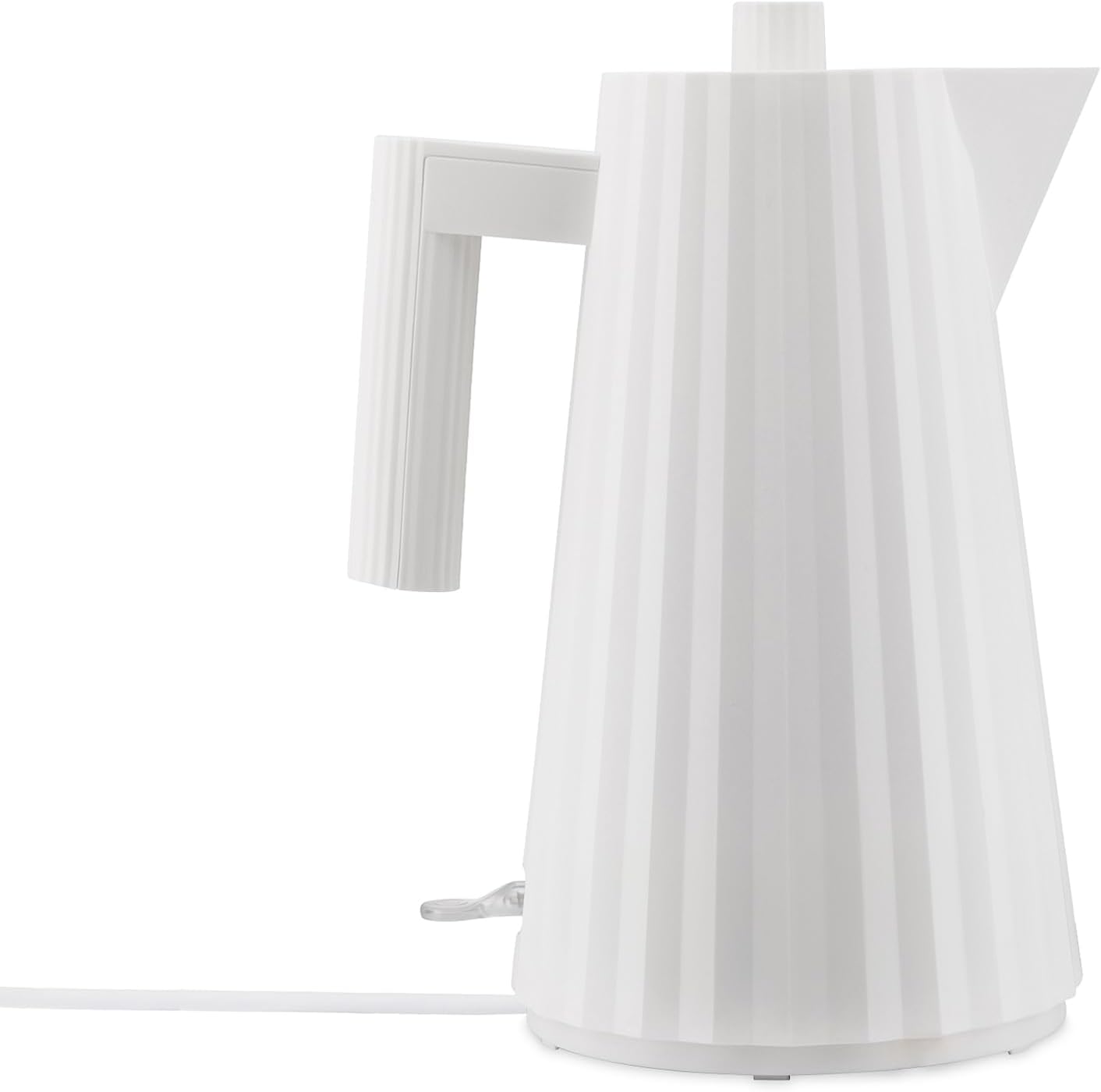
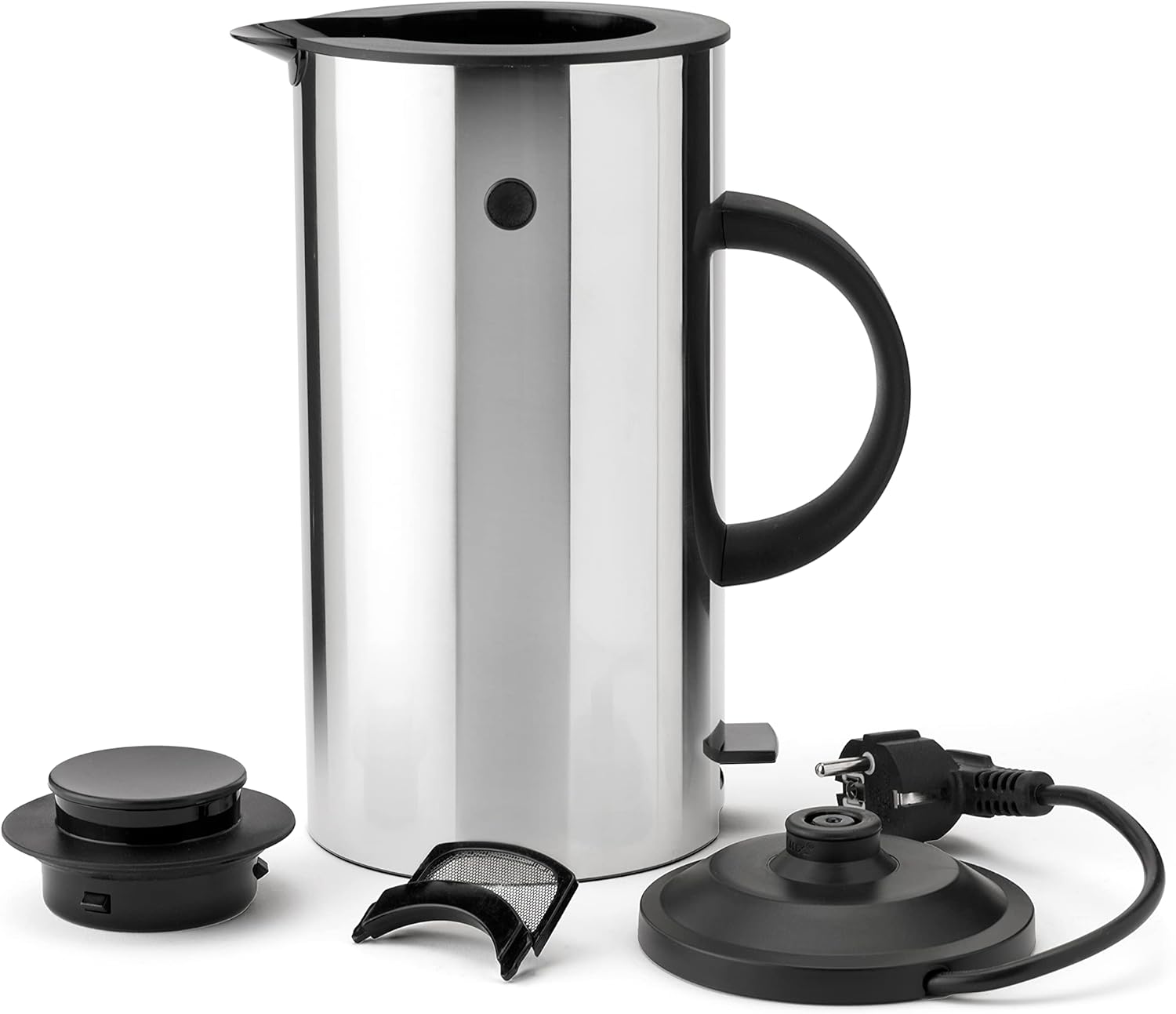
Key materials and build quality in minimalist kettle design
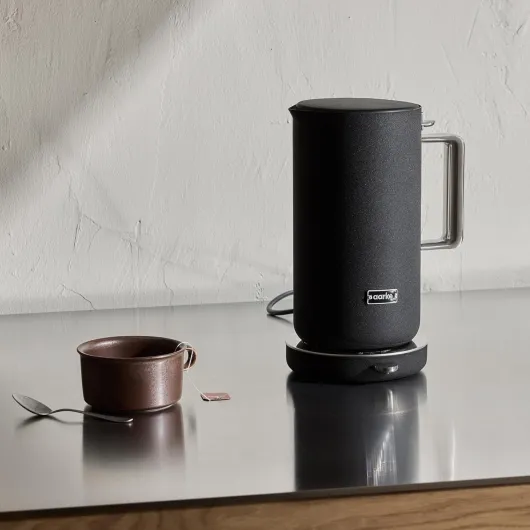
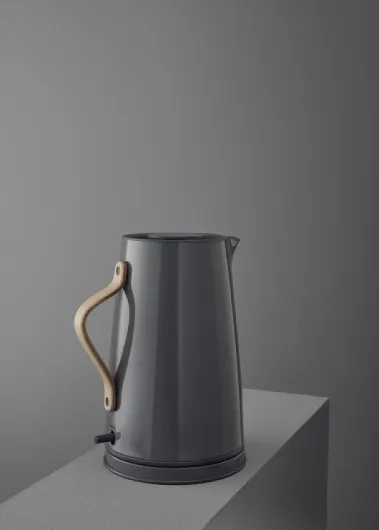
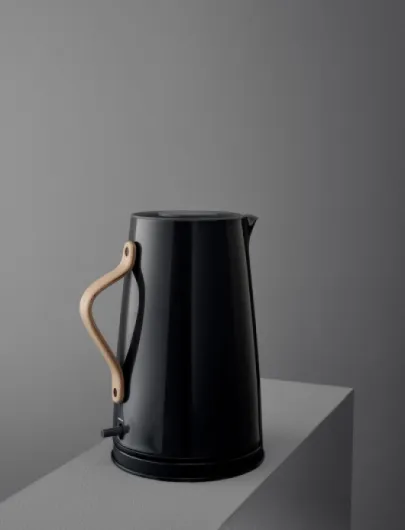
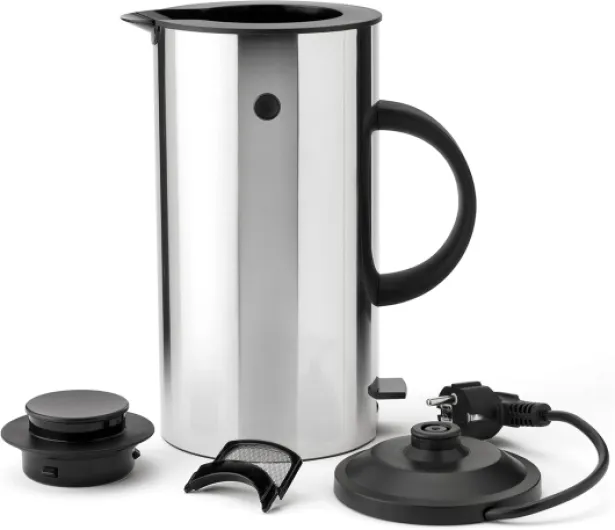
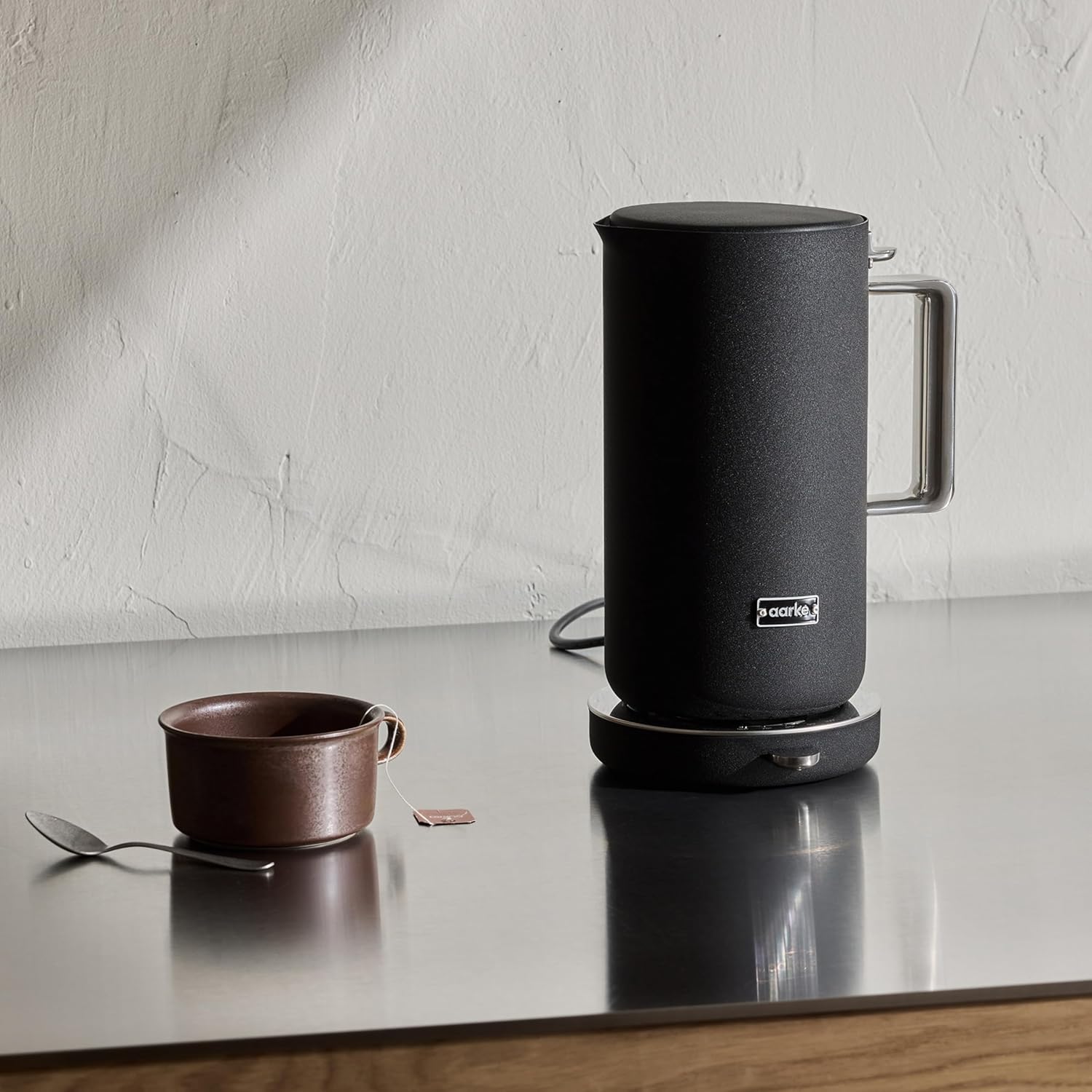
Material choice defines how a minimalist electric kettle looks, feels, and ages. Stainless steel bodies are common in the best minimalist electric kettles because stainless steel resists rust, cleans easily, and gives a calm matte or brushed finish that suits modern interiors. A well made steel kettle also protects the heating element, helping the electric kettle maintain consistent boil times over years of daily use.
Glass kettles appeal to people who like seeing water boil, and a transparent glass kettle can highlight the purity of filtered water while matching a minimalist aesthetic. Many glass electric kettles combine a borosilicate glass body with a stainless steel base and lid, reducing plastic contact with hot water and supporting a plastic free interior. When you compare glass versus steel electric designs, remember that glass kettles showcase scale buildup more clearly, which can be a subtle nudge to descale regularly and keep the tea kettle tasting neutral.
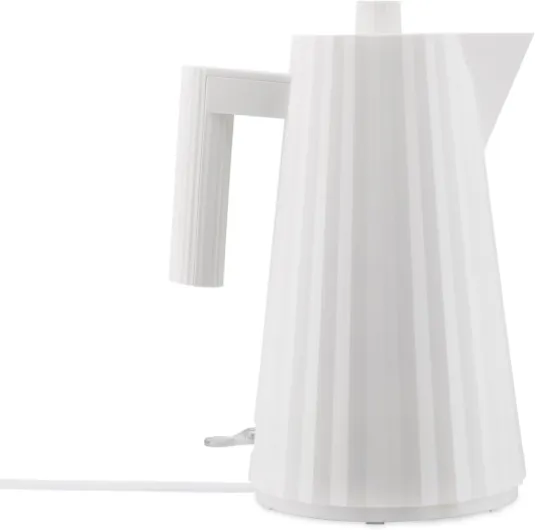
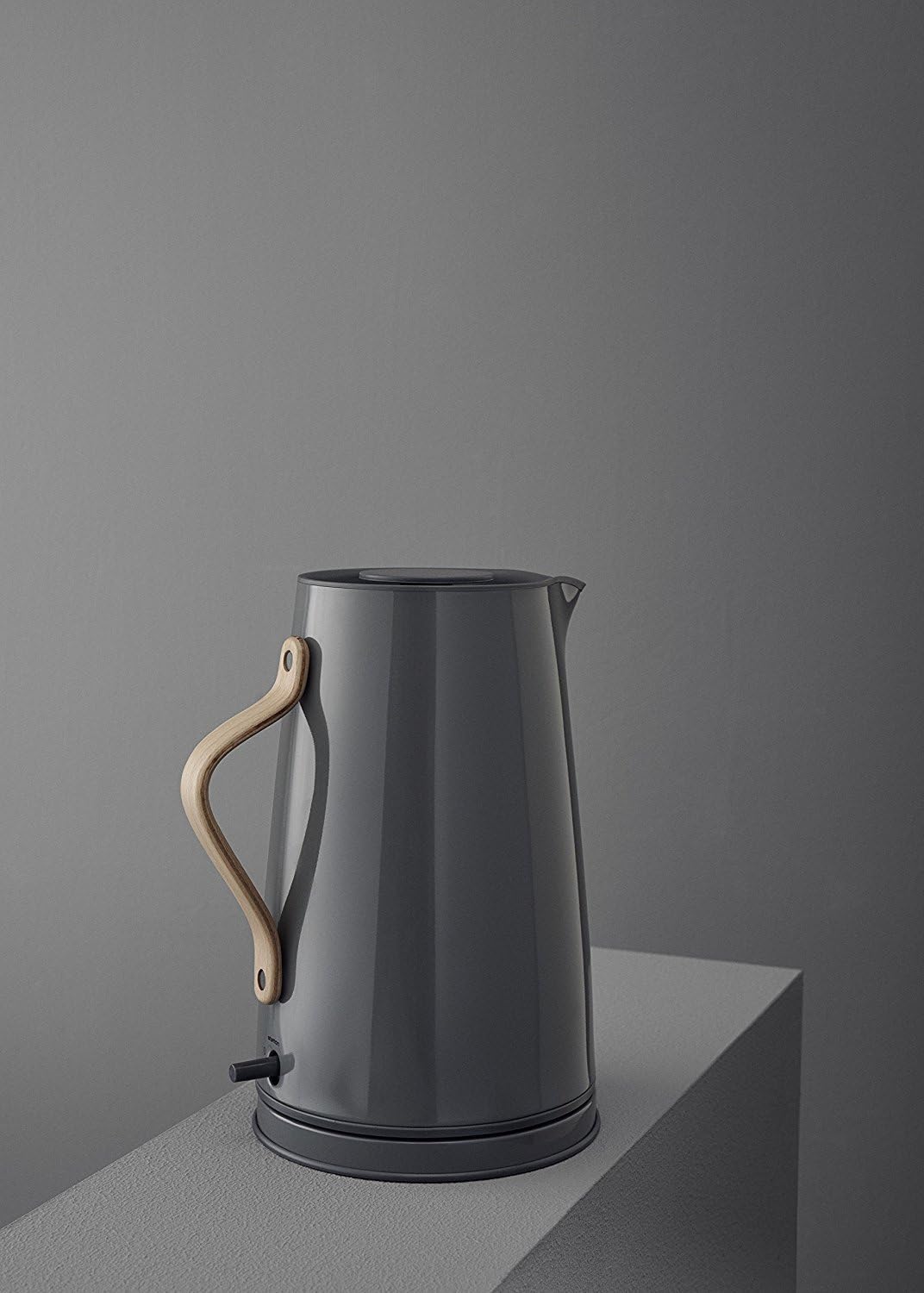
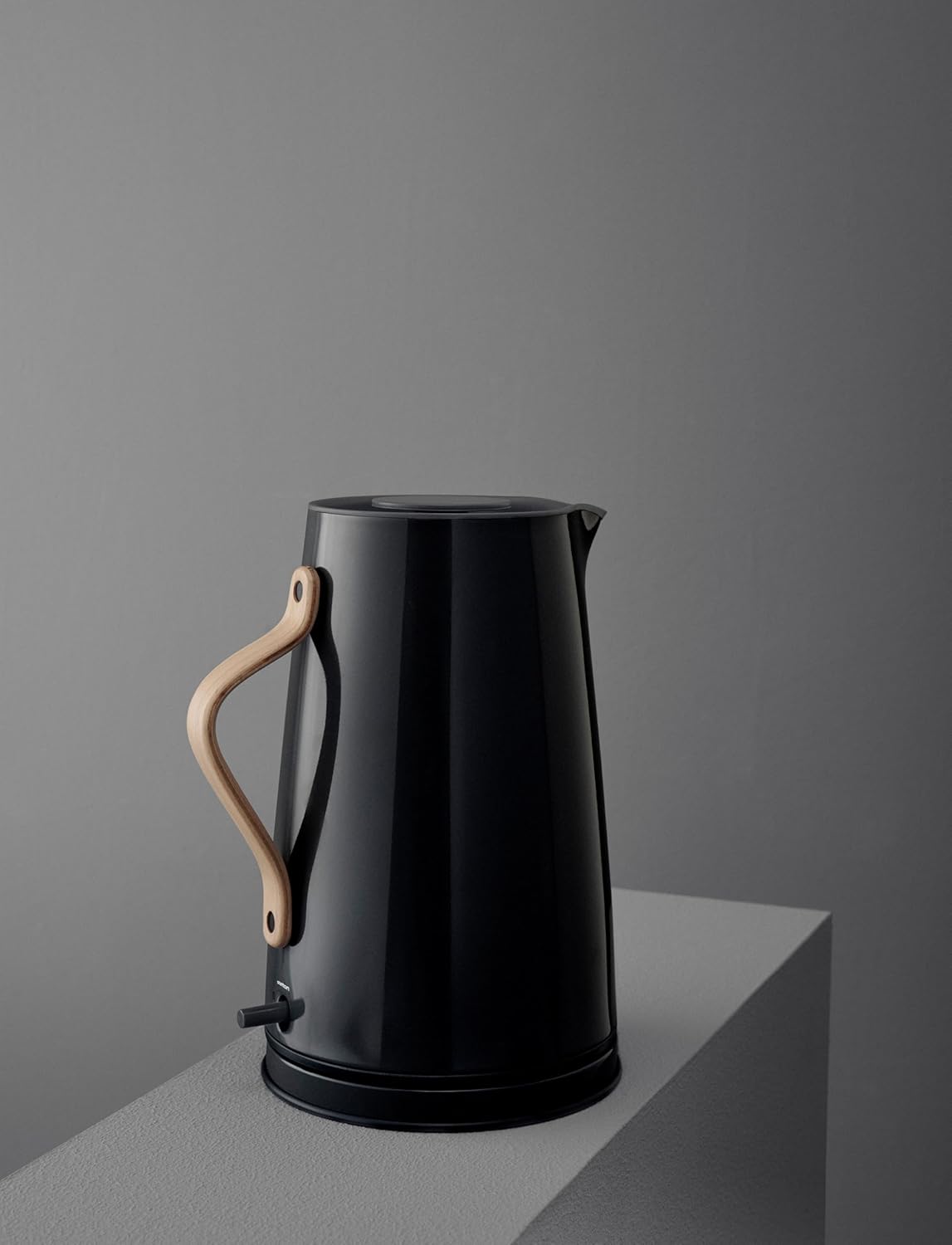
Some minimalist electric kettles still use limited plastic components, usually in the handle or cool touch outer shell. If you want a plastic free interior, look for phrases such as stainless steel interior, steel electric chamber, or glass kettle with steel lid, and check that boiling water only touches steel or glass. The best minimalist electric kettles also hide screws and seams, so the handle, spout, and lid align cleanly, giving you a tea kettle that feels like a single sculpted object rather than a collection of parts.
Temperature control, performance, and everyday usability
Performance separates a merely good kettle from the best minimalist electric kettles. A strong heating element should bring one litre of water to a full boil in around three to five minutes, while insulation and lid design help retain heat if you are not ready to pour immediately. For tea and coffee enthusiasts, variable temperature control is often the decisive feature that justifies upgrading from a basic kettle electric model.
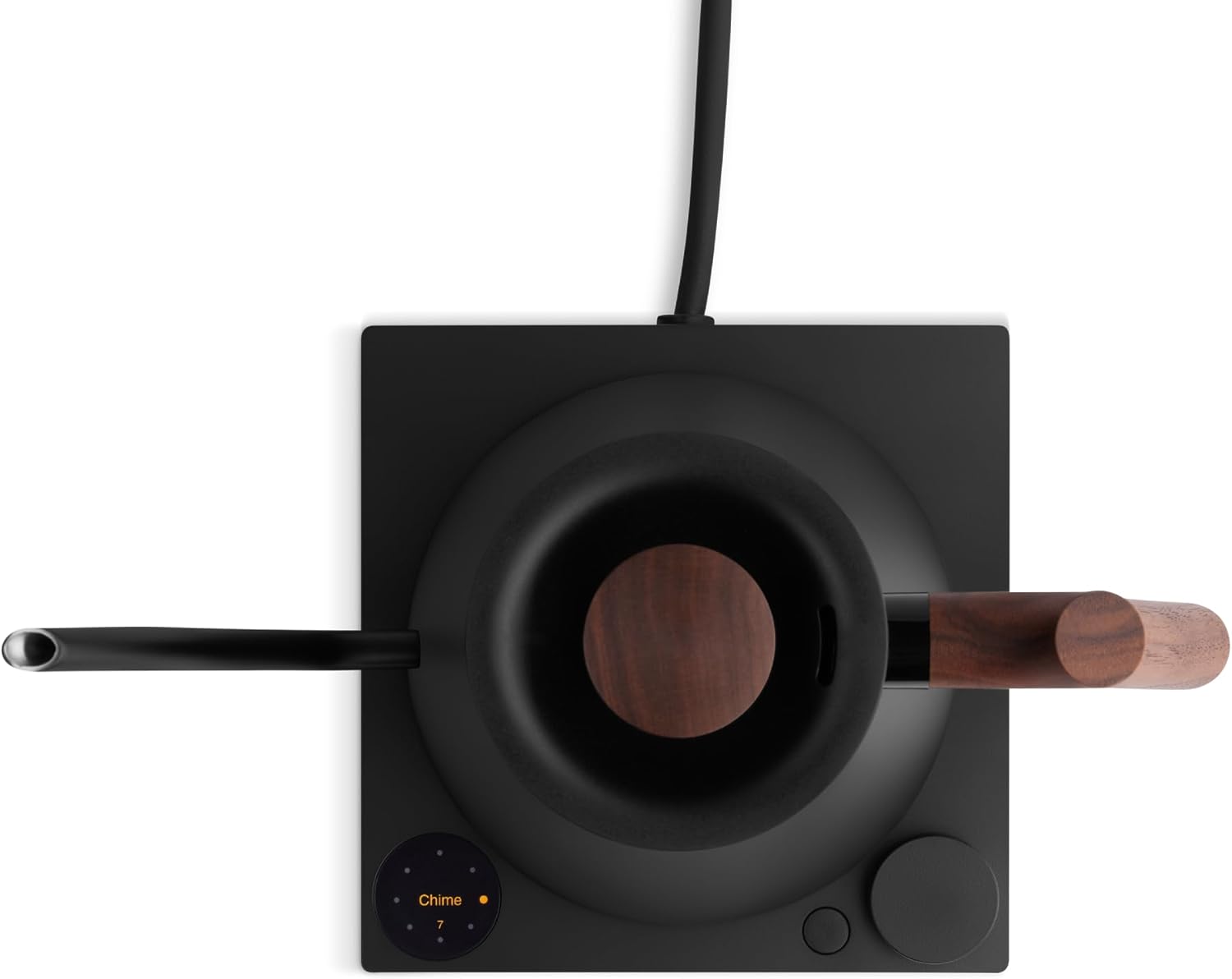
Variable temperature settings let you choose specific temperatures for green tea, black tea, herbal infusions, or pour over coffee, instead of always boiling water to one hundred degrees Celsius. High end minimalist electric kettles such as the Fellow Stagg EKG and the Fellow EKG Pro series offer precise temperature control in one degree increments, along with a hold function that keeps water at the chosen temperature for extended brewing sessions. Independent testing by consumer product reviewers and hands on comparisons has measured boil times for these kettles at roughly three to four minutes for 0.9 litres, with moderate noise and very accurate, splash free pouring, depending on starting water temperature and rated wattage, which aligns with the manufacturers’ published specifications.
Usability details matter just as much as raw power in an electric gooseneck or standard electric kettle. A comfortable handle with a secure cool touch surface, a lid that opens smoothly, and a spout that pours without splashing all contribute to a calmer brewing routine. The best minimalist electric kettles combine these features with clear, simple controls that you can operate almost by feel, so you focus on the aroma of tea or coffee rather than on fiddling with buttons. Many owners report that once they switch to a kettle with intuitive controls and stable temperature, they notice fewer brewing mistakes and less wasted water.
Iconic minimalist models: from Fellow Stagg EKG to Hamilton Beach
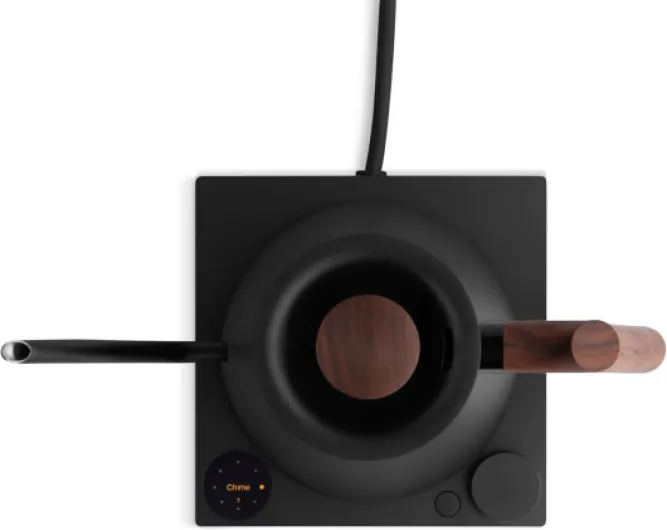
Certain models have become reference points for people seeking the best minimalist electric kettles. The Fellow Stagg EKG, for example, is a steel electric gooseneck kettle with a slender spout, a weighted handle, and a discreet base that offers precise temperature control without visual clutter. Its successor, the Fellow EKG Pro, refines those features with more advanced control options while keeping the same calm silhouette that many design focused kitchens now recognise instantly.
Not every person needs a premium tea kettle, and some prefer more accessible minimalist electric kettles from mainstream brands. Hamilton Beach offers several stainless steel electric kettles with simple on off switches, cool touch handles, and clear water windows, giving you reliable boiling performance without complex programming. For budget conscious buyers, Amazon Basics and Kettle Amazon listings often include straightforward stainless steel or glass kettle designs that prioritise safety features such as automatic shutoff and boil dry protection over advanced variable temperature functions.
Mid range options like the Cuisinart PerfecTemp line bridge the gap between basic kettles and high end electric gooseneck models. A Cuisinart PerfecTemp tea kettle typically offers multiple preset temperatures for different teas, a stainless steel interior, and a handle designed for comfortable, controlled pour performance. When you compare these kettles side by side with a Fellow electric kettle or a Hamilton Beach model, you can weigh pros such as advanced temperature control and refined design against cons like higher price or slightly slower boil times.
| Model |
Approx. capacity |
Typical wattage |
Temperature control |
Indicative price tier |
Key pros |
Notable cons |
| Fellow Stagg EKG |
0.9 L |
1 200 W |
Variable, 1 °C steps |
Premium |
Precise gooseneck pour, minimalist design, hold function |
Higher cost, smaller capacity than standard kettles |
| Fellow EKG Pro |
0.9 L |
1 200 W |
Advanced variable control |
Premium |
Refined interface, programmable features, stable temperature |
Premium pricing, more features than casual users need |
| Cuisinart PerfecTemp |
1.7 L |
1 500–1 800 W |
Multiple presets |
Mid range |
Larger capacity, tea focused presets, stainless interior |
Bulkier footprint, more visible controls |
| Hamilton Beach stainless kettle |
1.5–1.7 L |
1 500–1 800 W |
Boil only |
Budget to mid |
Fast boiling, simple switch, accessible pricing |
No fine temperature control, more conventional styling |
| Amazon Basics steel or glass kettle |
1.0–1.7 L |
1 500–2 200 W |
Boil only |
Budget |
Good value, automatic shutoff, boil dry protection |
Fewer premium finishes, limited design options |
How to choose the best minimalist electric kettles for your needs
Selecting the best minimalist electric kettles starts with clarifying how you actually use hot water. If you mainly prepare black tea or instant meals, a simple stainless steel kettle with fast boil performance and a cool touch handle may be enough. People who brew green tea, oolong, or pour over coffee regularly will benefit more from an electric gooseneck kettle with variable temperature control and a precise spout.
Capacity is another crucial factor when comparing minimalist electric kettles. A compact 0.6 litre gooseneck kettle suits single coffee drinkers, while families often prefer 1.5 litre kettles that can boil enough water for several mugs of tea at once. Check whether the electric kettle interior is plastic free, confirm that boiling water touches only stainless steel or glass, and examine the lid, handle, and base to ensure they feel solid rather than flimsy when you lift and pour.
Shopping on Amazon or similar marketplaces can make the process easier, but it also introduces a flood of similar looking kettles. When you browse Kettle Amazon listings, focus on verified reviews that mention long term durability, stable temperature control, and reliable automatic shutoff, instead of only looking at star ratings. The best minimalist electric kettles balance pros such as fast boil times, safe cool touch exteriors, and clean design against potential drawbacks like noise level, cord length, or limited colour options. A quick way to narrow choices is to decide your ideal capacity and budget first, then filter by temperature control and material.
Care, safety, and long term value of minimalist kettles
Taking care of a minimalist electric kettle protects both its appearance and its performance. Regular descaling with a mild acid solution keeps stainless steel and glass interiors free from mineral buildup, which helps water boil efficiently and preserves neutral taste for delicate tea. Wiping the exterior with a soft cloth maintains the clean lines that make the best minimalist electric kettles so visually appealing on your countertop.
Safety features deserve close attention, especially in homes with children or shared kitchens. Automatic shutoff and boil dry protection are now standard on most electric kettles, but a cool touch outer shell or insulated handle can add another layer of protection when you grab the kettle quickly. Some models, including several Hamilton Beach and Amazon Basics kettles, combine these protections with stable, low profile bases that reduce the risk of tipping when you pour hot water.
Over time, a well chosen steel kettle or glass kettle can offer better value than repeatedly replacing cheaper, poorly built kettles. A durable stainless steel electric kettle with reliable temperature control will support years of tea and coffee brewing, making the initial investment feel modest when spread across daily use. When you evaluate the best minimalist electric kettles, think about long term reliability, ease of cleaning, and how comfortably the handle fits your grip, because those quiet details shape your experience every single day. Many reviewers note that once they find a kettle that feels natural in the hand, they are far less tempted to upgrade again quickly.
Key statistics on electric kettle use and performance
- In many European households, electric kettles are present in more than 70 percent of kitchens, reflecting a strong preference for fast boiling compared with stovetop kettles, according to multiple market surveys and appliance ownership reports published over the past decade by national statistics offices and consumer research groups.
- Modern electric kettles typically use between 1 500 and 3 000 watts of power, which allows one litre of water to reach boiling in around three to five minutes, depending on insulation and element design, as confirmed by manufacturer specifications and independent lab tests from consumer product testing organisations.
- Studies on energy efficiency show that electric kettles can use up to 50 percent less energy than boiling the same volume of water on an electric stovetop, especially when users heat only the amount of water they need, a finding repeated in several national energy agency reports and household energy audits.
- Consumer testing organisations consistently report that stainless steel and borosilicate glass kettles outperform plastic models in long term durability, with fewer cases of cracking, staining, or lingering odours after extended use, based on multi year product comparison data and follow up surveys.
- Surveys of tea and coffee drinkers indicate that access to variable temperature control increases the likelihood of brewing at recommended temperatures, which can improve perceived flavour and reduce bitterness in delicate teas, particularly among people who drink green or white tea daily, according to questionnaire based studies by specialty beverage associations.