Summary
Editor's rating
Value: you’re paying for looks, not extra features
Design: clearly made to live on the countertop
Materials and build: solid feel with a few caveats
Durability: feels solid, but mixed signals from other users
Performance: does the job, but not a speed demon
What you actually get out of the box
Pros
- Very clean, minimalist design that looks good on the counter
- Relatively quiet and well insulated in daily use
- Compact 1.2L size is handy for 1–2 people and small kitchens
Cons
- High price for a basic on/off kettle with no extra features
- Small 1.2L capacity is limiting for families or frequent guests
- Mixed feedback on long-term durability for a premium product

Specifications
View full product page →| Brand | Stelton |
A designer kettle that actually gets used
I’ve been using the Stelton Emma 1.2L electric kettle in grey for a while now, and this is very much a “you buy it with your eyes first” type of product. I didn’t pick it because it’s the best spec for the price, I picked it because I was tired of ugly plastic kettles sitting on the counter. So I went for this one knowing full well there are cheaper and bigger options out there.
In day-to-day use, it behaves like a normal kettle with a nicer outfit. It boils water, it switches off by itself, and it has the usual safety stuff like dry-boil protection. Nothing magical happening here. If you just want hot water as fast and as cheap as possible, this is probably not for you. But if you care about how your kitchen looks and you don’t boil water for six people at once, it starts to make more sense.
What pushed me to try it was a mix of the Nordic look, the beech wood handle, and the more compact size. I make tea and coffee for one or two people most of the time, so a 1.2L capacity is actually fine for me. I was a bit worried about durability because some reviews mentioned failures after about a year, so I paid attention to how it feels, how the lid closes, how the base connects, and if anything seems flimsy.
Overall, my impression so far: it’s a good-looking kettle that does its job properly, but you’re clearly paying a design tax. If you’re okay with that, it can be a nice piece to keep on the counter. If you just want a workhorse for a family that drinks tea all day, I’d already say look elsewhere, because both the capacity and the price are not really aimed at that use.
Value: you’re paying for looks, not extra features
Let’s be honest: in terms of pure value for money, this kettle is not the strongest deal. For the same price, you can find kettles with bigger capacity, faster boil times, and extra features like temperature control, keep-warm, or even app control if you’re into that. The Stelton Emma is basically a nicely designed, 1.2L, on/off kettle with standard safety features. That’s it.
Where the money goes is the design and materials. If you care a lot about how your kitchen looks and you want a kettle that doesn’t scream “cheap appliance”, then the price starts to make more sense. Every time I walk into the kitchen, it looks good on the counter. For me, that matters a bit because this is one of the few things that’s always visible. If you shove your kettle in a cupboard when you’re not using it, this whole argument falls apart and you’re just overpaying.
The capacity is another point for value: 1.2L is fine for 1–2 people, but weak for a family. If you regularly make drinks for four or five people, you’ll either boil twice or wish you’d bought something bigger. So you’re paying more money for less volume and no bonus features. That’s not great on paper. Add in the mixed reviews about long-term durability, and it’s clear this isn’t a “smart buy” in the classic sense.
So my take on value is simple: if design matters to you and you like the Nordic look, you’ll probably accept the price and be happy enough. If you just want a solid kettle and don’t care what it looks like, you can get similar or better performance for much less. In that case, this one is basically a style tax you don’t need to pay.
Design: clearly made to live on the countertop
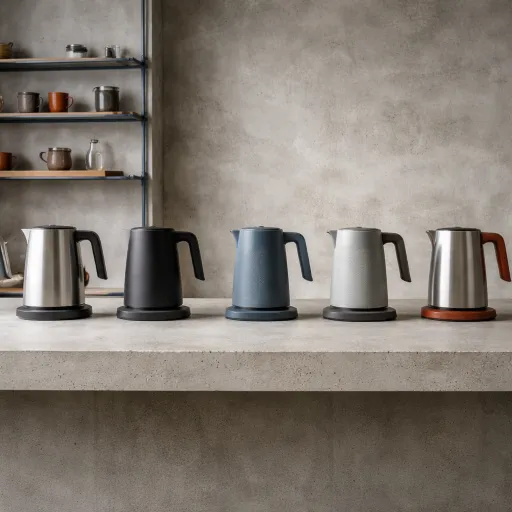
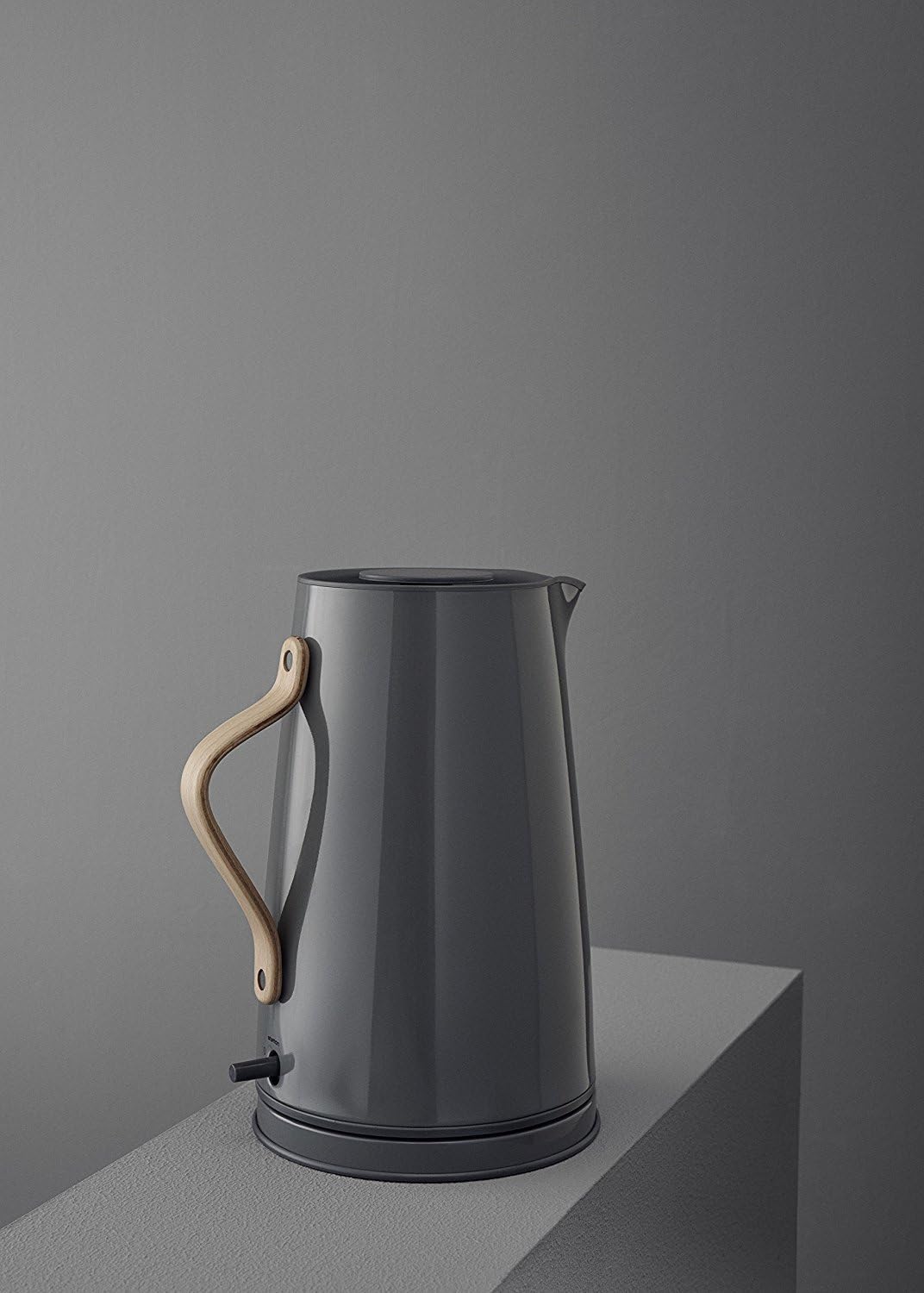
The whole point of this kettle is the design, and that’s obvious the second you take it out. It looks more like a coffee jug than a typical kettle. The grey steel body with the beech wood handle gives it a clean Nordic look that doesn’t scream “appliance”. On my counter, it actually blends in with neutral mugs and a wooden chopping board instead of standing out like a cheap chrome kettle.
The main thing I liked is that it’s compact and clean-looking. The lines are smooth, no weird curves or cheap shiny plastic everywhere. The base is small and simple, and the kettle sits on it without needing to aim too much. The power switch is straightforward, nothing fancy, and there aren’t ten labels and buttons all over it. For a minimalist kitchen or a “Skandi” vibe, it fits right in and doesn’t look out of place in photos or on open shelves.
Now, on the downside, the design also has some trade-offs. The handle, while nice in shape, doesn’t look as warm and woody as in some photos. Another reviewer mentioned it almost looks like plastic at a glance, and I get what they mean. You only really feel it’s wood when you touch it. Also, because they went for a jug-like look, the capacity is smaller than what the size suggests. If you just see it on the counter, you’d think it holds more than 1.2L, but it doesn’t.
Overall, I’d say the design is the main selling point and it does that job well. It’s not flashy, just clean. But you have to accept that you’re paying more for looks than for extra features. If you don’t care what your kettle looks like, then this whole design argument will feel like a waste of money to you.
Materials and build: solid feel with a few caveats
The body is stainless steel, the handle is beech wood, and the other bits are PP and ABS plastic. In the hand, the kettle feels pretty solid. The walls don’t flex, and the lid closes with a decent click, not a wobbly cheap feel. At about 1.5 kg empty, it has some weight to it, which makes it feel more serious than the ultra-light plastic kettles you get for a third of the price.
The beech wood handle is probably the thing most people look at first. In reality, it feels nice to hold, not slippery, and it stays cool enough to grab comfortably. But visually, I agree with the Amazon review that said it doesn’t quite match the product photos. In pictures it looks very warm and clearly wooden; in real life, depending on your lighting, it can look a bit flat and almost plastic-like until you touch it. It’s not a deal-breaker, but if you’re buying it mainly for that wood detail, lower your expectations a bit.
The plastics used for the lid and inside components feel sturdy, not flimsy. The concealed heating element is standard and keeps the inside easier to clean. The removable limescale filter is fine – it’s not some fancy engineering piece, just a simple filter that pops out and can be rinsed. After regular use, I didn’t notice any weird smells or tastes from the materials, which is always my first worry with cheaper kettles.
Where I’m a bit cautious is long-term durability. One verified buyer reported that theirs stopped working after a year. That doesn’t mean all of them will die early, but for the price, that kind of feedback is something to keep in mind. So far, mine feels well built with no loose parts or dodgy connections, but if you’re buying this expecting it to last ten years, I’d say that’s optimistic based on what I’ve read.
Durability: feels solid, but mixed signals from other users
Durability is the one area where I’m a bit cautious. In the hand, the Stelton Emma feels well put together: no rattles, no loose lid, and the base connection feels stable. The stainless steel body doesn’t scratch easily with normal use, and the handle still feels tight and safe when pouring. The finish hasn’t peeled or discoloured on mine so far, even with steam and daily wiping.
However, some Amazon reviews mention problems after about a year, including one verified buyer whose kettle just stopped working. That’s not a huge sample size, but for a premium-priced kettle, even a few early failures are worrying. With cheaper kettles, you sort of expect a 2–3 year lifespan. With something like this, you’d hope for more. So I’d say the build feels good, but the track record, based on the limited feedback, is not perfect.
From a day-to-day point of view, there are a few things that help or hurt durability. The fact that it has dry boil protection is good – it reduces the chance of cooking the element if you forget water. The concealed heating element is also a plus because it’s easier to descale and less exposed. On the other hand, the wooden handle might need a bit more care over time; I wouldn’t leave it soaking wet or place it right up against a hot stove.
If you’re the type who keeps kettles for ages and expects bulletproof reliability, I’d say this one is a bit of a gamble for the price. If you’re mainly buying for the design and you’re okay with the possibility it might not outlive a cheap brand by much, then it’s acceptable. Personally, I like how it feels now, but I wouldn’t call it bombproof based on what I’ve seen and read.
Performance: does the job, but not a speed demon
In terms of performance, it’s pretty straightforward: it boils water reliably, switches off on its own, and doesn’t make a crazy amount of noise. Compared to a standard 1.7L supermarket kettle I had before, this one feels a bit quieter and better insulated. When it boils, you still hear it of course, but it’s more of a low hum than a loud hiss. For early mornings or late nights, that’s actually nice.
Boiling time is decent but not special. With the smaller 1.2L capacity, it doesn’t take long to boil a full load, and for one or two mugs, it’s quick enough that I never stood there getting impatient. It’s not one of those high-powered kettles that feel instant, but it’s also not sluggish. There’s no temperature control or keep-warm function, so if you care about brewing at exact temperatures (like 80°C for green tea), this kettle doesn’t help you with that. You’ll be eyeballing or waiting a bit after the boil.
The auto shut-off and dry boil safety both seem to work as expected. It clicks off cleanly once boiling, no drama. I tried filling it to different levels and it still shut off properly every time. The cordless base is fine – you can put the jug back on from any angle, and it reconnects without having to fiddle. The pour is controlled enough; it doesn’t gush all over the place, and I didn’t get random drips running down the spout.
So in practice, performance is “good enough” rather than impressive. It’s not trying to be a high-tech kettle, and it doesn’t feel underpowered either. If you want extra features or ultra-fast boiling, you’ll have to look at other brands. If you just want reliable daily boiling with a bit less noise and some insulation, this one does the job without any surprises.
What you actually get out of the box
Out of the box, the Stelton Emma is pretty simple: you get the kettle itself, the power base, and a removable limescale filter already fitted inside the spout. No extra accessories, no fancy booklet, nothing special. It’s a 1.2L cordless kettle with concealed heating, auto shut-off when it boils, and dry boil protection. The whole thing weighs around 1.5 kg empty, so it’s not super light, but it doesn’t feel like a brick either.
The capacity is worth highlighting: 1.2L max. In practice, that’s enough for about 3–4 decent mugs or a small teapot. If you’re used to 1.7L kettles, this will feel small right away. For me, making drinks for one or two people, it’s fine. When I had three guests over, I had to boil twice for everyone’s tea, which was a bit annoying. So you really need to know how you’ll use it before buying.
The basic functions are all here: cordless jug that sits on a 360° base, automatic shut-off once boiling, and a dry boil safety switch so it doesn’t fry itself if you forget to add water. There’s a removable limescale filter at the spout that you can take out and rinse under the tap. It’s stainless steel with some PP and ABS plastic parts, and the handle is beech wood. No fancy temperature control, no keep-warm setting, just on/off boiling.
In short, the presentation matches the idea: a simple, design-focused kettle with standard safety features. If you’re expecting loads of features or smart functions for the price, you’ll be disappointed. If you just want a decent basic kettle that looks more like a jug than an appliance, this is what you’re getting.
Pros
- Very clean, minimalist design that looks good on the counter
- Relatively quiet and well insulated in daily use
- Compact 1.2L size is handy for 1–2 people and small kitchens
Cons
- High price for a basic on/off kettle with no extra features
- Small 1.2L capacity is limiting for families or frequent guests
- Mixed feedback on long-term durability for a premium product
Conclusion
Editor's rating
The Stelton Emma Electric Kettle is made for people who care what sits on their kitchen counter. It’s compact, looks clean and modern, and feels decent in the hand. It boils water reliably, isn’t too loud, and has the usual safety features like auto shut-off and dry boil protection. For a single person or a couple who like a minimalist or Nordic look, it fits that role pretty well and doesn’t feel like a cheap plastic gadget.
On the flip side, you’re clearly paying a premium for design, not features. The 1.2L capacity is on the small side, there’s no temperature control or extra functions, and some users have reported failures after about a year, which is not great for this price level. If you’ve got a family of tea drinkers or you just want the best performance per pound, there are better options from mainstream brands that cost less and hold more water.
So, who should get this? If you live in a smaller household, like a neat kitchen, and want a kettle that looks more like a stylish jug than an appliance, this will probably make you happy enough despite the price. Who should skip it? Anyone on a tight budget, anyone needing more than 1.2L regularly, or anyone who values features and durability stats over design. For me, it’s a nice-looking, decent-performing kettle, but definitely a style choice rather than a rational bargain.