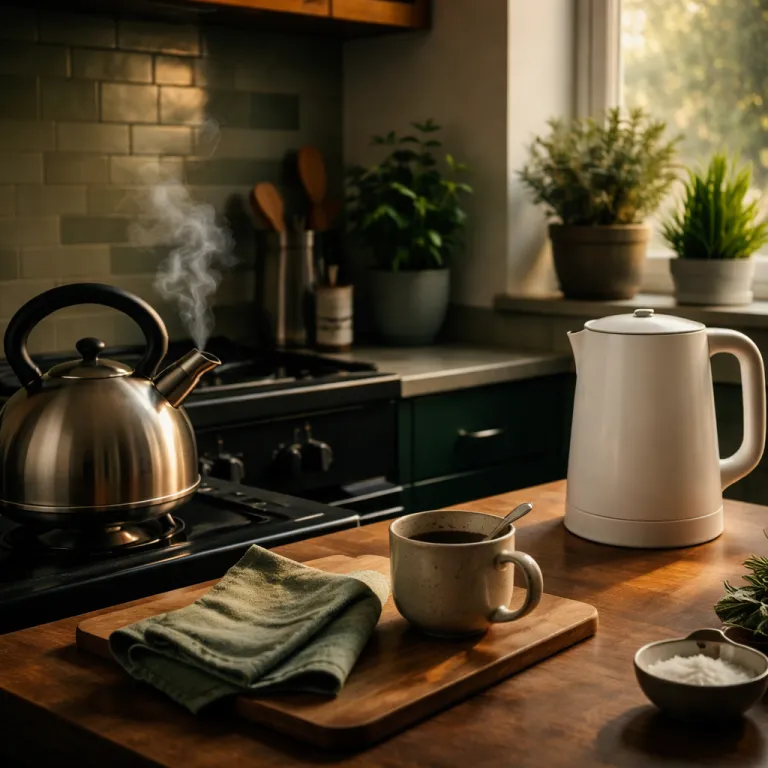
Why the whistling kettle remains a reassuring sound at home
A whistling kettle seems simple, yet it shapes daily rituals. When the water reaches a rolling boil and the whistle rises, it signals a pause, inviting you to slow down. In many kitchens, that familiar whistling sound still feels great, even beside sleek electric kettles.
Most classic kettles use a steel body, often upgraded to stainless steel for durability. This material spreads heat evenly on a gas or induction stovetop, so the water reaches boiling efficiently and safely. A well balanced tea kettle in stainless steel also resists rust, which matters when you boil water several times a day.
The iconic design of a stovetop kettle is not only nostalgic but also practical. A curved kettle handle with comfortable grip keeps your hand away from rising steam, allowing water to pour smoothly into cups. When the water is ready and the whistle sounds, you can lift the handle confidently without worrying about excessive heat.
For many tea drinkers, the whistling kettle bridges tradition and function. They appreciate how the whistle clearly indicates that the water reaches the right temperature for tea, coffee, or instant meals. In a busy kitchen, that audible cue can prevent kettles from boiling dry and protect the steel whistling spout from damage.
Today’s whistling kettles come in various dimensions and diameter options, from compact 1.5 quarts to generous 3 quarts. These different quarts capacities help households match their tea habits, whether brewing a single mug or a full pot. Thoughtful design means the kettle handle, spout, and lid work together, allowing water to flow safely while preserving heat.
Understanding how a whistling kettle works on the stovetop
Behind the charming whistle lies straightforward physics and careful design. As heat builds under the stovetop kettle, the water reaches boiling and turns to steam, which rushes through a narrow opening in the spout cap. This fast moving steam vibrates a small metal or plastic insert, creating the familiar whistling sound that signals water ready for tea.
Most whistling kettles use a layered base, sometimes called ply stainless construction. In these designs, a core of aluminum or other conductive metal sits between sheets of stainless steel, improving heat distribution. This ply stainless base helps the kettle reach a boil faster and reduces hot spots that could damage the stainless surface.
The choice of stainless steel for a tea kettle is not only aesthetic. Stainless resists staining from minerals in water, and it tolerates repeated heat cycles on a gas, ceramic, or induction stovetop. When combined with a strong kettle handle and a tight fitting lid, stainless steel construction supports both safety and long term reliability.
Handle design plays a crucial role in everyday comfort. A well shaped kettle handle offers a comfortable grip, allowing water to be poured steadily without wrist strain. Some tea kettles add silicone or resin accents on the handle to reduce heat transfer, which is especially helpful when the water reaches a vigorous boil.
For those who cherish ritual, a whistling tea kettle can be as meaningful as the tea itself. Many enthusiasts even pair a traditional whistling kettle with a decorative piece, such as a Mackenzie Childs tea kettle, to elevate the visual experience. In this way, the iconic design of whistling kettles turns a simple act of boiling water into a daily ceremony.
Materials, safety, and design details that matter
When comparing kettles, material quality should be your first checkpoint. High quality stainless steel offers a balance of durability, neutral taste, and easy cleaning, which is essential when boiling water repeatedly. Many buyers specifically seek stainless steel whistling kettles because they resist rust and maintain their shine in a busy kitchen.
Heat distribution is another critical factor for any stovetop kettle. A base with ply stainless layers spreads heat evenly, so the water reaches boiling without scorching the bottom. This design also works well on modern induction hobs, where a flat stainless steel base ensures efficient contact and stable performance.
Safety depends heavily on the kettle handle and spout mechanism. A sturdy kettle handle with a comfortable grip keeps your hand secure, allowing water to pour without wobbling or slipping. Look for a handle that stays relatively cool and a whistle cap that can be opened without placing fingers directly in the path of steam.
Thoughtful dimensions and diameter choices influence both stability and capacity. A wider base improves balance on the stovetop and helps the kettle reach a boil more quickly, while taller profiles suit smaller burners. Before you shop, measure your hob space and storage shelves, then match those dimensions to the quarts capacity you actually use.
Design also intersects with aesthetics and price. Some consumers gravitate toward an iconic design or even a designer kettle style, accepting a higher price for visual impact. Others prioritize straightforward stainless steel kettles with a clear whistle, valuing function, safety, and reliable boiling above decorative flourishes.
Comparing whistling kettles with electric kettles and other options
People often weigh a whistling kettle against an electric kettle when updating their kitchen. Electric models can heat water quickly and shut off automatically when the water reaches boiling, which adds convenience and safety. However, a stovetop whistling kettle offers a timeless presence on the hob and a clear audible signal that many users still prefer.
From a materials perspective, both electric and stovetop kettles frequently rely on stainless steel. Electric versions may hide their steel elements inside a plastic shell, while traditional whistling kettles proudly display stainless steel exteriors. For those sensitive to plastic contact with hot water, a fully steel whistling design can feel more reassuring.
Maintenance also differs between these options. Electric kettles require careful descaling and attention to internal heating elements, while a simple stainless tea kettle can be scrubbed and rinsed more vigorously. For mineral heavy regions, guidance on using vinegar for cleaning an electric kettle can also be applied, with adjustments, to many stainless stovetop kettles.
Noise and user experience play subtle roles in daily satisfaction. Some people enjoy the rising whistle that signals water ready, while others prefer the quiet click of an electric switch. If you value a sensory cue that carries across rooms, the whistle from a stovetop kettle may serve you better than a small indicator light.
Price comparisons show a wide range in both categories. Basic stainless steel whistling kettles can be very affordable, while premium electric models with temperature control and digital displays cost significantly more. Ultimately, the best choice depends on how you balance speed, ritual, design, and the tactile pleasure of lifting a kettle handle from the stovetop.
How to evaluate whistling kettle reviews before you shop
Online reviews can clarify how a whistling kettle performs beyond the product summary. When you read user feedback, focus on comments about how quickly the water reaches boiling and whether the whistle is loud enough in a typical home. Pay attention to repeated remarks about the kettle handle, since comfort and heat resistance affect daily use.
Look for detailed reviews that mention long term performance. If several people report that stainless steel surfaces stain or that the whistle mechanism fails, those patterns matter more than a single complaint. Balanced reviews often mention both strengths and weaknesses, which helps you judge whether a kettle’s iconic design compensates for minor flaws.
Capacity and dimensions diameter should also appear in thoughtful feedback. Some buyers underestimate how much 2 quarts or 3 quarts actually means in practice, leading to frustration when the kettle feels too heavy when full. Others may find that a compact stovetop kettle suits a small apartment kitchen better than a large family sized model.
When you shop, compare price against build quality and warranty terms. A slightly higher price for a high quality stainless steel body, a robust ply stainless base, and a secure kettle handle can pay off over years of use. Reviews that highlight comfortable grip and stable pouring are especially valuable, because they speak to safety as well as convenience.
Finally, consider how reviewers describe the overall experience of making tea. Comments about how the whistling sound fits into morning routines, how quickly the water reaches a boil, and how easy the spout is to control can be more revealing than star ratings alone. By reading carefully, you can select whistling kettles that align with your habits, your kitchen layout, and your expectations for daily comfort.
Practical buying tips for choosing the right whistling kettle
Before purchasing a whistling kettle, start by assessing your household’s habits. Count how many cups of tea or coffee you prepare at once, then translate that into quarts capacity, remembering that 1 quart equals roughly 0.95 liters. This simple step prevents you from buying kettles that are either too small for guests or unnecessarily heavy for solo use.
Next, match the kettle to your stovetop and kitchen space. Gas burners favor a wide base and sturdy stainless steel construction, while induction hobs require a magnetic steel or ply stainless bottom. Measure your hob grates and storage shelves so that the kettle’s dimensions and diameter fit comfortably without crowding other cookware.
Examine the handle and spout mechanism closely, whether in store or through detailed photos. A well designed kettle handle with a comfortable grip should feel secure, allowing water to pour steadily even when the kettle is nearly full. Check that the whistle cap opens easily and that steam vents away from fingers, reducing the risk of burns when the water is ready.
Consider the balance between iconic design and practical maintenance. Polished stainless steel looks great on the counter but may show fingerprints, while brushed finishes hide wear better over time. If you value low effort cleaning, choose a tea kettle with a wide lid opening so you can reach inside to scrub mineral deposits after the water reaches boiling.
Finally, evaluate the overall value, not just the headline price. Factor in build quality, warranty coverage, and any extras such as free shipping from the retailer. By weighing these elements carefully, you can select a high quality whistling kettle that enhances your daily tea ritual, complements your kitchen, and performs reliably every time the water reaches a boil.
Key statistics about kettle use and household habits
- Up to 70 % of households in many regions use some form of kettle daily for tea, coffee, or cooking.
- Stainless steel and other metal kettles typically last several years longer than comparable plastic models under similar use.
- Boiling only the water you need can reduce energy consumption for hot drinks by an estimated double digit percentage.
- Regular descaling, especially in hard water areas, can improve heating efficiency and extend kettle lifespan significantly.
Common questions about whistling kettles
Are whistling kettles safe to use on all stovetops ?
Most whistling kettles are safe on gas, electric, and ceramic hobs, but not all work on induction. Check whether the base contains magnetic stainless steel or another induction compatible material. Always follow the manufacturer’s guidance about maximum heat settings and burner size.
How loud should a whistling kettle be in a typical kitchen ?
A well designed whistle should be clearly audible from an adjacent room without being painfully loud. If you often move far from the kitchen, choose models known for a strong whistle. Very quiet whistles may fail to alert you when the water reaches boiling.
Does stainless steel affect the taste of tea or coffee ?
Food grade stainless steel is generally neutral in flavor and widely used for kettles. Off tastes usually come from mineral buildup or residual cleaning products rather than the metal itself. Rinsing thoroughly and descaling regularly helps maintain clean tasting water.
How often should I descale a whistling kettle ?
The ideal frequency depends on your local water hardness and how often you boil water. In hard water areas, many users descale every few weeks, while soft water regions may require less frequent cleaning. Visible limescale or slower boiling times are clear signs that descaling is due.
What capacity is best for a small household ?
For one or two people, a kettle between 1.5 and 2 quarts usually offers a good balance of capacity and weight. This size provides enough water for several mugs of tea without feeling cumbersome when full. Larger families or frequent hosts may prefer 2.5 to 3 quarts instead.