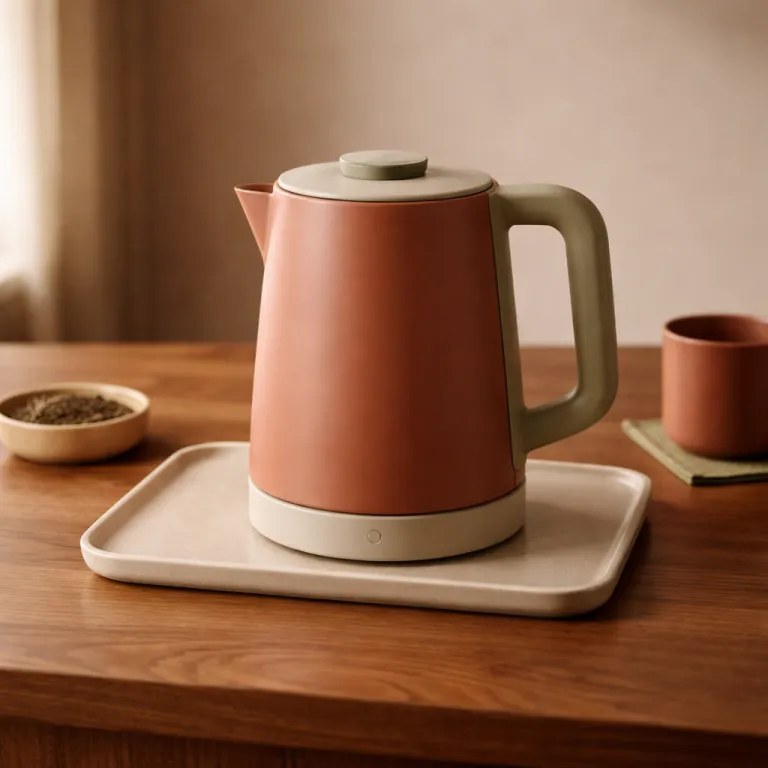
Why most kettles are loud and what “quiet boil” really means
A quiet boil kettle matters when you share walls, early mornings, and light sleep. Behind every noisy electric kettle sits the same physics of boiling water, where bubbles form violently on the heating element and create the familiar roar. That roar then resonates through the stainless steel or plastic shell, turning simple boiling into a small kitchen storm.
When water starts to boil, tiny vapour bubbles form on the hot metal surface in a process called nucleate boiling. The more concentrated the heat flux on the element, the more aggressively those bubbles collapse and the more noise you hear from the kettle body. A wide concealed element that spreads heat, paired with a double wall housing, softens that violence and makes a genuinely quiet electric boiling experience.
Housing materials matter as much as wattage for quiet boil performance. Bare stainless steel tends to ring like a bell, while a plastic outer shell or insulated double wall design damps vibration and keeps hot water warmer for longer. That is why many quiet boil kettles use a stainless steel inner chamber for durability, then wrap it in plastic or matte black insulation to tame noise.
Noise also comes from the lid, spout, and base, not just from boiling water itself. Loose lids rattle, hollow bases act as drums, and thin handles transmit vibration straight into your hand while you pour tea or coffee. A well engineered quiet boil kettle will feel solid when you tap it, with minimal rattle from any external items such as switches, water level windows, or removable filters.
Some buyers assume that any premium electric kettle is automatically quiet, but that is not true. Many fast boil models push high power through a small element, which shortens boiling time but increases noise. If you want a truly quiet electric tea routine, you must look beyond the headline fast boil claim and examine the design details that shape sound.
Engineering choices that make a kettle genuinely quiet
Engineers have three main levers when designing a quiet boil kettle. They can change the element layout, alter the housing structure, or add insulation such as a double wall to absorb noise from boiling water. The best quiet electric kettles combine all three, rather than relying on a marketing sticker that simply says quiet boil on the box.
A larger concealed element spreads heat over more surface area, which lowers the intensity of nucleate boiling at any single point. That means fewer violent bubble collapses, less vibration, and a softer sound profile from the stainless interior. You may see this described as a fast boil feature, but in practice the quietest electric kettles often trade a few extra seconds of boiling time for calmer operation.
Insulated bodies do double duty for both noise and safety. A double wall stainless steel and plastic shell traps sound while also keeping the outer surface cooler to touch, which matters when children reach for hot water. This same insulation keeps boiling water hot for longer, so you reboil less and reduce both energy use and wear on the heating element.
Look closely at the lid and spout when assessing quiet electric designs. A tight fitting lid with a silicone ring prevents steam from escaping noisily, while a well shaped spout reduces gurgling as water flows into your tea cup or coffee press. For buyers who care about visibility, some of the best quiet models also add a clear water level window, and you can compare those options in this guide to top electric kettles with a water level window.
Safety features also influence how quietly a kettle behaves over time. Reliable boil-dry protection switches off the element before it overheats, which prevents warping and the metallic pinging that can appear in neglected kettles. When combined with a robust 360 degree base and a solid handle, these details keep both noise and long term maintenance under control.
Quiet versus fast: how to balance speed, sound, and taste
Everyday buyers often face a simple but frustrating trade off between a quiet boil kettle and a fast boil powerhouse. High wattage electric kettles can bring one litre of water to the boil in well under three minutes, yet they usually sound like a small jet on your worktop. Quieter kettles stretch that time slightly, but they turn the early morning tea kettle routine into something less intrusive.
Speed is not the only performance metric that matters for tea and coffee. Variable temperature control lets you heat water to 80 °C for green tea, 92–96 °C for pour over coffee, or a full rolling boil for black tea and instant meals. Models such as the Fellow Stagg EKG show how a well tuned electric tea kettle can pair precise temperature control with a relatively quiet acoustic profile, though the price sits firmly in the premium bracket.
For most households, the difference between a fast boil and a slightly slower quiet boil is around 30–60 seconds per litre. That delay is often worth it if you boil the kettle five to ten times a day and want to reduce overall noise in a small flat. The key is to choose an electric kettle whose capacity, wattage, and insulation match your actual routine rather than an idealised spec sheet.
Coffee focused buyers should pay special attention to spout design and hold features. Gooseneck models like the Stagg EKG or similar matte black kettles give you fine control over flow rate, which matters for pour over extraction and consistent bloom. You can compare several such electric kettles in this overview of top electric kettles for coffee lovers, then weigh whether their quieter operation and temperature presets justify the higher price.
Noise also changes over the lifespan of a kettle. Limescale build up on the element makes boiling water noisier and less efficient, while loose internal items such as filters or screws can rattle. Regular descaling and occasional checks of the filter and lid keep both sound levels and flavour where they should be.
How to assess quietness, safety, and build before you buy
Retail packaging rarely lists decibel ratings, so judging a quiet boil kettle requires a bit of homework. Start by watching boil tests on video platforms, where you can hear real noise levels from different electric kettles in similar kitchens. Pay attention to microphone distance and background noise, because those details change how loud a particular model seems on screen.
Independent review sites sometimes measure sound with a meter placed one metre from the spout while heating 1 litre of water from room temperature. When you see a spread of 15–20 dB between models, remember that every 10 dB roughly doubles perceived loudness, so the quiet electric option can feel dramatically calmer. Expert Reviews in the United Kingdom, for example, has a dedicated category for quiet boil models and often highlights insulated double wall designs as the most effective.
Safety and materials deserve as much scrutiny as noise. A kettle made from high quality stainless steel with a BPA free plastic outer shell or handle keeps water contact surfaces inert while still offering insulation. Look for clear labelling of stainless steel grades, a reliable boil-dry protection system, and a secure lid that will not flip open when you pour hot water into a teapot or cafetière.
Delivery promises and price should come after you have narrowed down the shortlist on build and performance. Many retailers bundle quiet boil kettles with other kitchen items, but a low price on a noisy, thin walled model is rarely a bargain. If you travel frequently, read safety focused guides such as this analysis of portable car kettles flagged for scald risk before adding compact electric items to your basket.
Brand reputation still matters, though it is not a guarantee of silence. Well known names such as Russell Hobbs offer both quiet boil and standard fast boil ranges, so you must check the exact model rather than trusting the logo. A Russell Hobbs stainless steel kettle with a double wall body and clear temperature control presets will behave very differently from a basic Russell Hobbs jug with a thin steel shell.
Specific models, materials, and maintenance for a calmer kettle life
Once you understand the trade offs, choosing a quiet boil kettle becomes a question of matching features to habits. If you mainly drink black tea and instant coffee, a simple stainless steel electric kettle with a well insulated body and reliable boil-dry protection is usually enough. Households that brew green tea, herbal infusions, and pour over coffee benefit more from precise temperature control and a quieter gooseneck spout.
Premium models such as the Fellow Stagg EKG, Breville Smart Kettle, and Cuisinart CPK 17 show how different brands tackle the same problem. The Stagg EKG focuses on coffee with a narrow gooseneck, matte black finishes, and tight temperature control, while the Breville and Cuisinart options lean toward multi drink households with broader spouts and multiple presets. None are completely silent, yet their insulated bodies and refined elements make them noticeably quieter than many budget stainless designs.
Below is a quick comparison based on typical specifications from manufacturer data and independent tests that heat 1 litre of water from room temperature with a sound meter positioned 1 metre from the spout:
| Model | Approx. power (W) | Capacity (L) | Typical noise (dB) | Price band |
|---|---|---|---|---|
| Fellow Stagg EKG | ~1200 | 0.9 | ~55–60 | Premium |
| Breville Smart Kettle | ~2400 (UK) | 1.7 | ~60–65 | Mid–high |
| Cuisinart CPK 17 | ~1500 (US) | 1.7 | ~60–65 | Mid-range |
These figures are drawn from manufacturer technical sheets and third party lab style boil tests, so treat them as indicative rather than absolute. Individual kitchens, microphone placement, and water starting temperature can shift readings by a few decibels either way, but the relative ranking between models tends to remain consistent.
Material choice shapes both noise and longevity. A full stainless steel interior resists staining and flavour transfer, but it can transmit more noise unless paired with a plastic or silicone clad outer shell. Plastic bodied kettles often sound softer, yet buyers who prefer a BPA free water path may lean toward hybrid designs that keep boiling water in contact only with steel or glass.
Routine care keeps any quiet electric kettle performing as intended. Descale every four to eight weeks depending on water hardness, because scale flakes on the element increase boiling noise and can end up in your tea or coffee. Wipe the exterior with a soft cloth, check that the lid seal remains tight, and avoid overfilling past the maximum line to prevent noisy splashing and premature wear.
Small design touches also influence daily satisfaction. A well balanced handle, a smooth lid hinge, and a base that allows easy cord wrap make the everyday kettle experience feel calmer, even before you press the switch to boil. In the end, what you hear each morning is not just the wattage rating, but the sum of materials, engineering, and how you care for the tenth kettle of limescale.
FAQ
Are quiet boil kettles always slower than regular kettles ?
Quiet boil kettles are often slightly slower, but not dramatically so. Many insulated double wall designs add 30–60 seconds to bring one litre of water to a full boil compared with the very fastest models. For most households, that small delay is outweighed by the reduced noise and better heat retention.
Is stainless steel or plastic better for a quiet electric kettle ?
Stainless steel interiors are durable and neutral for taste, yet they can transmit more noise unless paired with an insulated outer shell. Plastic exteriors tend to damp sound more effectively, especially when used as part of a double wall construction. A good compromise is a stainless steel inner chamber with a BPA free plastic or silicone clad outer body.
Do I really need temperature control on my electric kettle ?
Temperature control is essential if you regularly brew green tea, speciality coffee, or delicate herbal infusions. These drinks taste better when brewed below a full rolling boil, usually between 80 °C and 96 °C depending on the beverage. If you mostly make black tea and instant coffee, a single temperature quiet boil kettle may be sufficient.
How can I tell if a kettle will be quiet before buying it ?
Because packaging rarely lists decibel levels, you need to rely on independent tests and real world demonstrations. Look for video boil tests, expert reviews that measure noise at a fixed distance, and buyer comments that specifically mention sound levels. Prioritise kettles with double wall insulation, solid lids, and reputable boil-dry protection systems, because these features usually correlate with quieter operation.
How often should I descale a quiet boil kettle to keep it performing well ?
Most households should descale their electric kettles every four to eight weeks, depending on local water hardness and how often they boil water. Regular descaling prevents limescale from building up on the element, which can otherwise increase noise, slow boiling, and affect taste. Follow the manufacturer’s instructions and avoid harsh abrasives that could damage stainless steel surfaces or seals.