
Understanding kitchen steamers and their benefits
Why Steaming is a Smart Choice for Home Cooking
Steaming is a gentle cooking method that uses boiling water to create steam, which cooks food without submerging it in liquid. This technique is especially popular for preparing vegetables, dumplings, and even rice, as it helps preserve nutrients, color, and natural flavors. Unlike boiling or frying, steaming doesn’t require added oils or fats, making it a healthier option for many households.
What Makes a Steamer Unique?
A steamer is typically made up of a pot or pan filled with water and one or more baskets or inserts that hold the food above the water level. As the water heats up, steam rises and cooks the food in the basket. There are several types of steamers, including stainless steel steamers, bamboo steamers, silicone steamers, and electric food steamers. Each type offers unique benefits, from the traditional feel of a bamboo steamer to the convenience of an electric model.
- Stainless steel steamers: Durable, dishwasher safe, and often compatible with a variety of pots. Many consumers prefer these for their easy clean surfaces and longevity.
- Bamboo steamers: Ideal for dumplings and Asian cuisine, they add a subtle flavor and are often used with a steel or universal steamer basket.
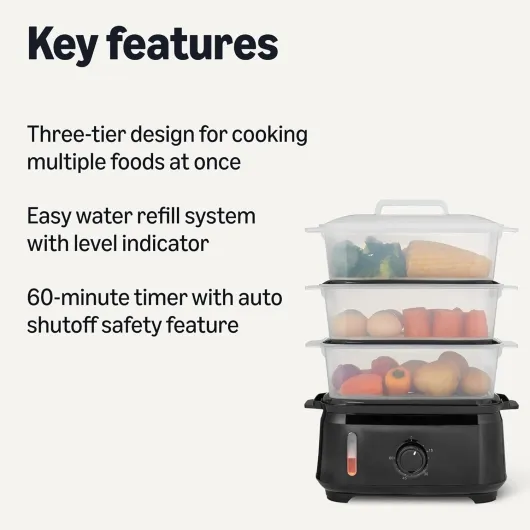
- Electric food steamers: Offer set-and-forget convenience, often with multiple baskets for cooking different foods at once.
- Silicone steamers: Flexible, easy to store, and can be used as a steamer insert in different pots.
Health and Practical Benefits of Steaming
Steaming is not just about vegetables. Many home cooks use steamers for fish, dumplings, and even desserts. The method is praised for its ability to retain more vitamins and minerals compared to boiling. Plus, it’s a time-saving technique—especially with electric steamers or rice cookers that let you set the timer and walk away. For those looking for the best steamer for home use, considering your cooking habits and kitchen space is key.
What to Expect from Modern Steamers
Today’s steamers come in a range of sizes, from compact 2-quart models to large multi-basket units. Many feature stainless steel construction for durability and easy cleaning, while others offer stackable baskets for cooking multiple foods at once. Some electric food steamers even include digital timers and automatic shut-off for added convenience. Whether you’re looking for a universal steamer basket to fit your existing pot or a dedicated electric model, there’s a solution for every kitchen.

Types of kitchen steamers available
Exploring the Main Types of Steamers for Home Cooking
When it comes to preparing healthy meals, steamers are a top choice for many kitchens. The variety of steamers available today means there’s an option for every cooking style and kitchen setup. Understanding the differences can help you pick the best steamer for your needs, whether you’re steaming vegetables, dumplings, or even rice.
Common Steamer Designs and Materials
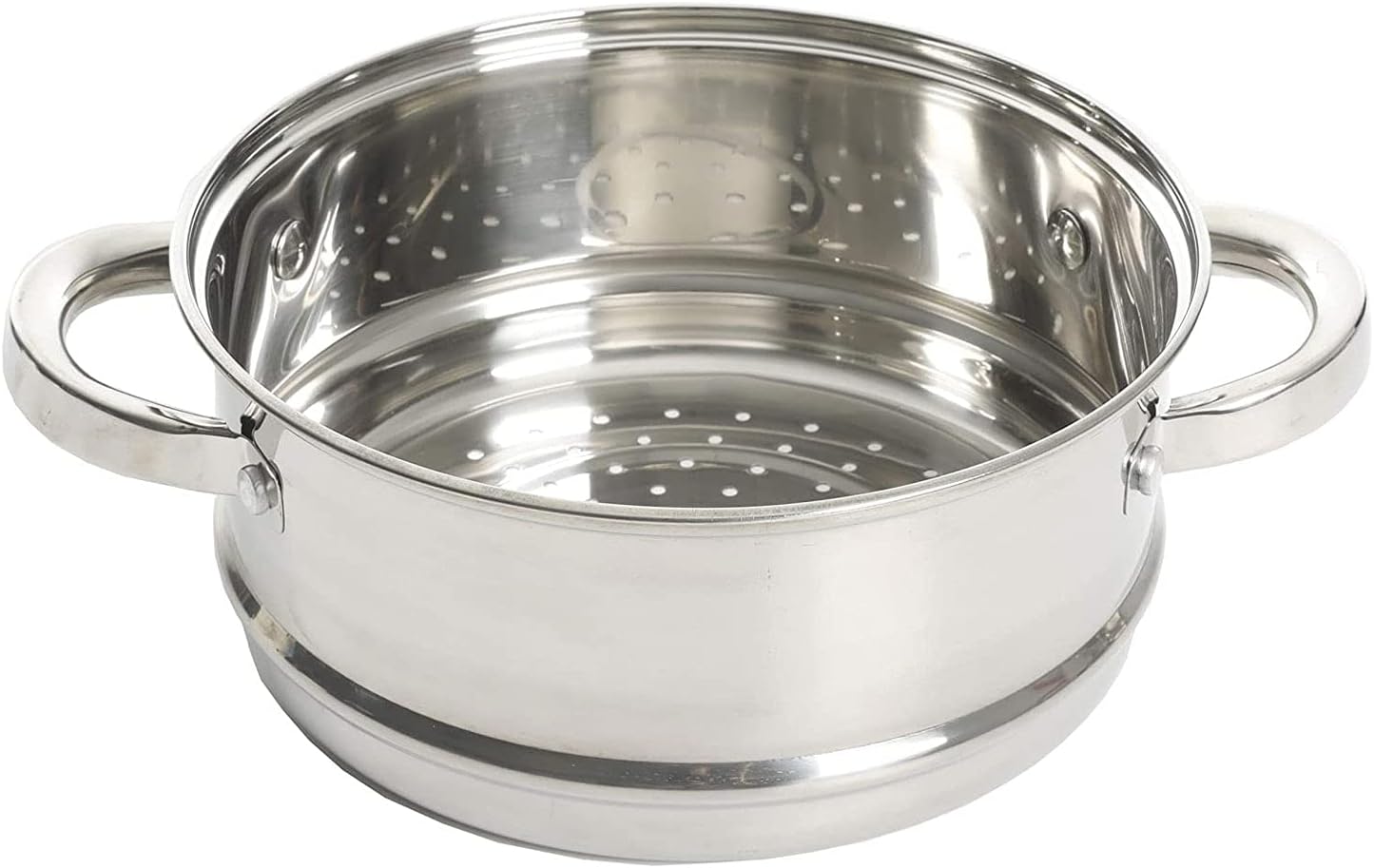
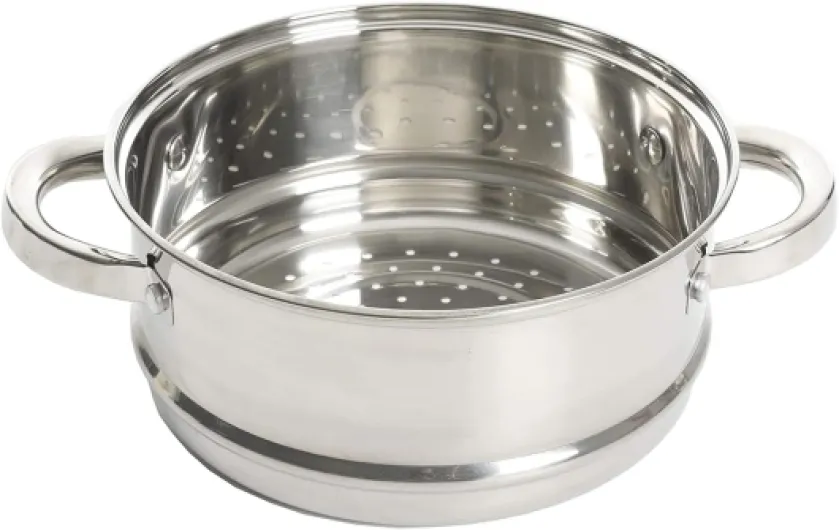
- Stovetop Steamers: These classic steamers often come as a stainless steel pot with one or more steamer baskets stacked above boiling water. They’re versatile and can be used on most cooktops. Many are dishwasher safe and easy to clean, making them a popular choice for everyday cooking.
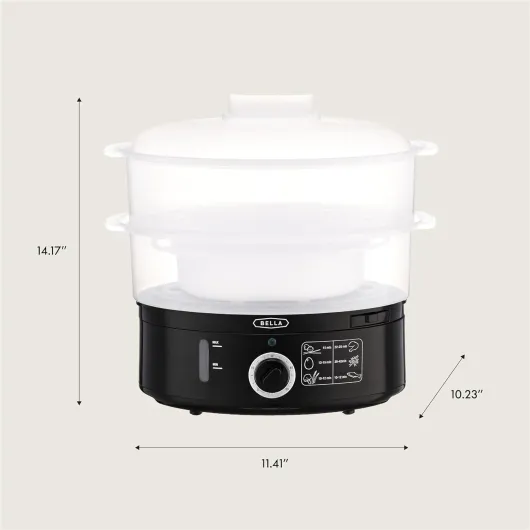
- Electric Food Steamers: Electric steamers are standalone appliances that use electricity to generate steam. They often feature multiple baskets, timers, and automatic shut-off for convenience. Some models, like those found on Amazon, are designed for easy clean-up and can handle a variety of foods, from vegetables to fish.
- Bamboo Steamers: Traditional bamboo steamers are perfect for steaming dumplings and buns. They sit above a pot of boiling water and allow steam to circulate through the bamboo baskets. While they require a bit more care, many cooks appreciate the gentle steaming and unique flavor they impart.
- Silicone Steamers: Flexible and easy to store, silicone steamer baskets fit inside most pots. They’re heat-resistant, dishwasher safe, and ideal for quick vegetable steaming. Silicone steamers are also less likely to scratch cookware compared to steel steamer inserts.
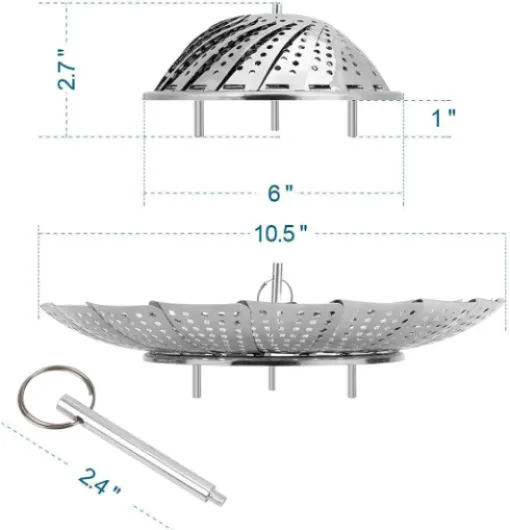
- Universal Steamer Inserts: These are designed to fit a range of pot sizes, making them a practical choice if you already own a good set of cookware. Universal inserts are usually made of stainless steel and can be used for both small and large batches of food.
- Multi-Cookers and Rice Cookers with Steaming Functions: Many modern rice cookers and pressure cookers include a steamer basket or tray, allowing you to steam food while cooking rice or other grains. This saves time and counter space, especially in smaller kitchens.
Choosing the Right Steamer for Your Kitchen
The best steamer for your home depends on your cooking habits, kitchen space, and the types of food you enjoy. For example, if you often prepare large batches of vegetables, a multi-tier electric food steamer or a large stainless steel steamer basket might be ideal. If you love making dumplings, a bamboo steamer could be your go-to tool.
For more insights into how stovetop options compare to electric models, check out this guide on why a stovetop kettle could be your perfect kitchen companion.
What to Consider When Comparing Steamers
- Material: Stainless steel steamers are durable and easy to clean, while bamboo offers a traditional touch. Silicone is lightweight and flexible.
- Capacity: Steamers are often measured in quarts. Consider how much food you typically cook at once.
- Ease of Cleaning: Dishwasher safe options can save time. Check if the baskets and inserts are easy to disassemble and wash.
- Versatility: Some steamers double as strainers or can be used in pressure cookers and rice cookers.
- Consumer Reports and Reviews: Look for feedback on Amazon or other trusted sources to find the best-rated models for durability and performance.
With so many choices, it’s worth taking the time to compare features and read reviews before deciding. The right steamer can make healthy cooking easier and more enjoyable for years to come.
Key features to look for in the best kitchen steamers
Essential Elements for Choosing a Quality Steamer
When searching for the best kitchen steamers, it’s important to focus on features that make steaming food efficient, safe, and convenient. The right combination of materials, design, and capacity can make a big difference in your cooking experience, whether you’re steaming vegetables, dumplings, or rice.
- Material Matters: Stainless steel steamers are highly recommended for durability and easy cleaning. They resist rust and don’t absorb food odors. Silicone steamers are flexible and dishwasher safe, making them easy to store and maintain. Bamboo steamers offer a traditional approach, especially for dumplings, but require more care and are not dishwasher safe.
- Basket Design and Capacity: Look for steamers with multiple baskets or tiers if you want to cook different foods at once. Steamer baskets should fit snugly in your pot or be compatible as a universal steamer insert. Consider the quart size—larger families may need a bigger capacity, while singles or couples might prefer a compact model.
- Compatibility: Some steamers are designed to fit inside standard pots, rice cookers, or pressure cookers. Check if the steamer basket or insert is compatible with your existing cookware. Electric food steamers are standalone appliances and offer preset cooking times for various foods.
- Ease of Use and Cleaning: Dishwasher safe baskets and pots save time on cleanup. Removable baskets and easy-to-access water reservoirs are helpful features. Transparent lids let you monitor the steaming process without lifting the cover and losing steam.
- Performance and Safety: Even steam distribution is key for consistent cooking. Look for models with well-placed steam vents and sturdy handles that stay cool. Some electric steamers have automatic shut-off or keep-warm functions for added safety and convenience.
| Feature | Why It Matters | Common Options |
|---|---|---|
| Material | Impacts durability and cleaning | Stainless steel, silicone, bamboo |
| Capacity | Determines how much food you can steam | 1-5 quart baskets, multi-tier |
| Compatibility | Fits with your existing cookware | Universal steamer, steamer insert |
| Cleaning | Ease of maintenance | Dishwasher safe, easy clean |
| Performance | Ensures even steaming and safety | Steam vents, cool handles, auto shut-off |
For those considering electric food steamers, features like variable temperature settings can be a game changer, especially if you want to steam delicate vegetables or experiment with different foods. If you’re interested in how temperature control can enhance your steaming and beverage routines, check out this guide on variable temperature electric kettles.
Consumer reports and user reviews on sites like Amazon can help you compare models for reliability and performance. Look for real-life photos and feedback about how easy the steamer is to use and clean, as well as how well it handles different types of food. Ultimately, the best steamer for your kitchen will balance capacity, material, and convenience to fit your cooking style.
Comparing popular kitchen steamer brands
Brand Performance and User Experience
When comparing popular kitchen steamers, it’s important to look at how each brand delivers on performance, durability, and ease of use. Many consumers turn to electric food steamers for their convenience, while others prefer traditional bamboo or stainless steel steamers for their classic approach to steaming vegetables, dumplings, and more. Here’s a closer look at what sets some of the best brands apart:- Electric Food Steamers: Brands like Hamilton Beach and Cuisinart are well-known for their electric steamers. These models often feature multiple baskets for steaming different foods at once, digital timers for precise cooking, and easy clean-up with dishwasher safe parts. They’re especially popular for those who want to steam rice, vegetables, and fish with minimal effort.
- Stainless Steel Steamers: Stainless steel steamer baskets and inserts from brands such as OXO and All-Clad are favored for their durability and compatibility with a variety of pots. These universal steamer baskets fit inside most quart-sized pots, making them a flexible choice for home cooks who already own a good stockpot or pressure cooker.
- Bamboo Steamers: For those interested in traditional steamer cooking, bamboo steamers from brands like Joyce Chen are a top pick. They’re ideal for steaming dumplings and vegetables, and their natural material is gentle on delicate foods. However, they require a pot of boiling water underneath and a bit more care to keep them in good condition.
- Silicone Steamers: Silicone steamer baskets are gaining popularity for their non-stick properties and easy clean-up. Brands such as KitchenAid offer silicone steamers that are dishwasher safe and flexible enough to fit various pot sizes.
What Consumers Say
Consumer reports and reviews on platforms like Amazon highlight a few key points:- Electric food steamers are praised for their set-and-forget convenience and consistent results, especially for busy families.
- Stainless steel steamer baskets are valued for their longevity and ability to handle high heat, making them a favorite for those who steam frequently.
- Bamboo steamers are appreciated for their ability to impart a subtle flavor to food, but users note they need to be dried thoroughly after use to prevent mold.
- Silicone steamers are often chosen for their easy clean-up and versatility, though some users mention they can be less sturdy than steel options.
Feature Comparison Table
| Type | Material | Best For | Ease of Cleaning | Dishwasher Safe |
|---|---|---|---|---|
| Electric Food Steamer | Plastic/Steel | Multi-basket cooking, rice, vegetables | Easy | Yes |
| Stainless Steel Steamer Basket | Stainless Steel | Vegetables, dumplings, universal fit | Moderate | Yes |
| Bamboo Steamer | Bamboo | Dumplings, gentle steaming | Hand wash | No |
| Silicone Steamer Basket | Silicone | Vegetables, easy clean | Very easy | Yes |
When choosing the best steamer for your kitchen, consider how you plan to use it, the types of food you’ll be steaming, and how much time you want to spend on maintenance. Whether you opt for an electric steamer, a classic stainless steel basket, or a bamboo or silicone model, each has its strengths for different cooking needs.
Tips for using your kitchen steamer effectively
Getting the Most from Your Steamer: Practical Advice
- Prep your food properly. Cut vegetables and proteins into uniform pieces so they cook evenly. For dumplings or delicate items, use parchment or a silicone steamer insert to prevent sticking.
- Don’t overfill the basket. Leave space for steam to circulate. Overcrowding the steamer basket can lead to uneven cooking, especially with a stainless steel or bamboo steamer.
- Use the right amount of water. Add enough water to your pot or electric food steamer, but make sure it doesn’t touch the bottom of the steamer basket. Boiling water should create steam, not submerge your food.
- Layering for efficiency. If your steamer has multiple baskets, place foods that take longer to cook (like potatoes or carrots) in the lower basket, closer to the steam source. Quicker-cooking items like leafy greens or fish go on top.
- Monitor cooking time. Steaming is generally faster than other methods, but it’s easy to overcook. Check your food regularly, especially when using an electric steamer or a universal steamer basket.
- Enhance flavor naturally. Add herbs, lemon slices, or spices to the water for subtle flavor infusions. This works well in both stainless steel and silicone steamers.
- Easy clean-up tips. Many steamer baskets and inserts are dishwasher safe, but always check the manufacturer’s instructions. For bamboo steamers, hand washing and thorough drying prevent mold.
Common Mistakes to Avoid
- Using too little water, which can cause the pot to burn or the steamer to shut off (in electric models).
- Letting food touch the boiling water, which results in boiling rather than steaming.
- Neglecting to preheat the steamer. Starting with hot steam ensures even cooking from the beginning.
Steaming Beyond Vegetables
While vegetable steamers are popular for greens and roots, don’t overlook their versatility. Use your food steamer for dumplings, fish, rice, and even reheating leftovers. Some electric food steamers and rice cookers offer dedicated steaming baskets for these purposes. According to consumer reports, multi-tier steamers and stainless steel vegetable steamers are especially valued for their flexibility and easy clean features.
Photo and Product Considerations
When shopping on Amazon or other retailers, look for clear product photos that show the basket design and capacity (in quarts). Stainless steel and silicone steamer baskets are often highlighted for their durability and dishwasher safe claims. If you use a pressure cooker, check for compatible steamer inserts to expand your cooking options.
Maintenance and care for long-lasting performance
Keeping Your Steamer in Top Shape
Proper care and maintenance are essential if you want your kitchen steamer to deliver the best results for years. Whether you use a stainless steel steamer basket, a bamboo steamer, or an electric food steamer, a few simple habits can make a big difference in performance and food safety.
- Clean after every use: Always wash your steamer baskets, pot, and any silicone steamer inserts with warm soapy water. Many stainless steel and silicone steamers are dishwasher safe, but check the manufacturer’s instructions first. For bamboo steamers, hand washing and air drying are best to prevent warping.
- Remove food residue: Bits of vegetables, dumplings, or rice can get stuck in the basket holes. Use a soft brush or sponge to gently scrub these areas. Avoid abrasive pads, especially on nonstick or bamboo surfaces.
- Descale regularly: If you use an electric food steamer or a universal steamer insert, mineral buildup from boiling water can affect steam flow. To descale, fill the water reservoir with a mix of vinegar and water, run a steaming cycle, then rinse thoroughly.
- Dry thoroughly: After cleaning, dry all parts completely before storing. This prevents rust on steel vegetable steamers and mold in bamboo steamers.
- Inspect for wear: Check for cracks in silicone steamer baskets, rust on steel, or loose handles on your pot. Replace damaged parts to keep steaming safe and efficient.
Storage and Longevity Tips
Proper storage helps your steamer last longer. Stack baskets carefully to avoid dents, and keep electric steamers unplugged and dry. If you have a photo guide or user manual, refer to it for specific care instructions. For those who use their steamer for a variety of foods—like vegetables, dumplings, or even as a rice cooker—regular maintenance ensures flavors stay fresh and cooking times remain consistent.
| Steamer Type | Cleaning Method | Dishwasher Safe | Special Care |
|---|---|---|---|
| Stainless Steel Steamer Basket | Warm soapy water or dishwasher | Yes (most models) | Dry thoroughly to prevent rust |
| Bamboo Steamer | Hand wash, air dry | No | Avoid soaking, store in dry place |
| Electric Food Steamer | Wipe base, wash baskets | Baskets often yes, base no | Descale water tank regularly |
| Silicone Steamer Basket | Dishwasher or hand wash | Yes | Check for tears or cracks |
Following these steps will help you get the most out of your steamer, whether you’re cooking vegetables, steaming dumplings, or preparing rice. Regular care keeps your kitchen tools ready for any meal, and ensures your food always tastes its best.