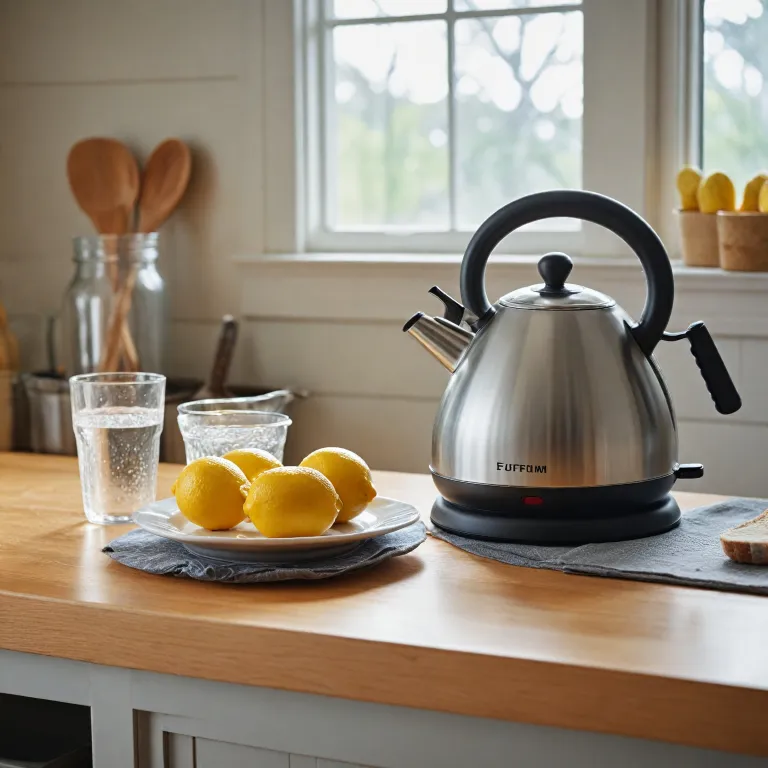
Understanding why cleaning your electric kettle matters
Why a Clean Kettle Matters for Your Health and Appliance
Keeping your electric kettle clean is more important than many realize. Over time, minerals from water—especially hard water—can build up inside the kettle. This limescale buildup not only affects the taste of your tea or coffee, but it can also impact the efficiency and lifespan of your appliance. If left unchecked, these deposits may even flake off into your drinks, which is far from ideal.
Regular cleaning helps prevent the accumulation of limescale and other residues. Acidic solutions like white vinegar or citric acid are often recommended for breaking down these stubborn minerals. Baking soda and dish soap are also useful for removing stains and keeping the inside and outside of your kettle looking its best. By following the right cleaning steps, you ensure that your water boils quickly and your kettle remains safe to use.
Neglecting to clean your electric kettle can lead to unpleasant odors, strange tastes in your boiled water, and even visible particles floating in your tea kettle. These are clear signs that it’s time to take action. For a detailed guide on using vinegar to tackle limescale and keep your kettle in top shape, check out this easy guide to cleaning your electric kettle with vinegar.
In the following sections, you’ll find practical cleaning tips, a list of essential supplies, and a step-by-step process to help you keep your water kettle clean and efficient. Regular maintenance not only improves the taste of your drinks but also extends the life of your electric kettle.
Signs your electric kettle needs cleaning
Common Indicators Your Kettle Needs Attention
It’s easy to overlook the need to clean your electric kettle, but a few clear signs can tell you when it’s time for a deep clean. Regular cleaning not only keeps your water tasting fresh but also helps your kettle last longer and work efficiently.
- Visible limescale buildup: White or chalky deposits inside the kettle, especially around the heating element or base, are a sign of minerals from hard water accumulating. This is a common issue in areas with high minerals in water.
- Strange taste or odor: If your tea or coffee starts to taste off, or you notice a metallic or musty smell, it could be due to limescale or residue inside the kettle.
- Cloudy water: When you fill your kettle and the water looks cloudy after boiling, it’s often a sign of mineral buildup inside.
- Slower boiling: If your electric kettle takes longer to bring water to a boil, limescale may be insulating the heating element, making it less efficient.
- Flakes in your drink: Small white or gray particles floating in your boiled water or settling at the bottom of your cup are a clear sign your kettle needs cleaning.
Ignoring these signs can lead to more stubborn buildup, making cleaning harder and potentially shortening the life of your appliance. If you’re noticing any of these issues, it’s time to take action. For a simple and effective method using vinegar, check out this guide on how to clean your electric kettle with vinegar. This step can help restore your kettle to its best condition and keep your water tasting clean.
Essential supplies for cleaning your electric kettle
Gathering the right cleaning tools
Before you start to clean your electric kettle, having the best supplies on hand will make the process easier and more effective. Using the right materials helps remove limescale buildup and keeps your kettle clean for longer, especially if you use it daily for tea or boiling water. Here’s what you’ll need:
- White vinegar: A natural acid that dissolves minerals water leaves behind. It’s one of the most effective and affordable ways to tackle limescale inside your kettle.
- Citric acid: This is another excellent option for breaking down stubborn buildup. It’s food-safe and works quickly when mixed with water.
- Baking soda: Useful for scrubbing and neutralizing odors. Baking soda can help clean the inside and remove any lingering smells.
- Dish soap: A gentle, non-abrasive soap is ideal for cleaning the exterior and any removable parts of your electric kettle.
- Microfiber cloth or soft sponge: These are perfect for wiping down the outside and reaching into corners without scratching the surface.
- Measuring cup: For accurately mixing vinegar, citric acid, or baking soda with water.
- Soft-bristled brush or bottle brush: Helpful for cleaning hard-to-reach areas, especially around the spout and lid.
- Clean water: You’ll need fresh water to rinse out the kettle after cleaning and to fill it for the cleaning process.
Always check your owner manual before using any cleaning solution, as some manufacturers recommend specific products or warn against certain acids. If you’re unsure about the best cleaning method for your model, look for guidance in the manual or on the manufacturer’s website.
For more tips on how to make the most of your electric kettle, including brewing the perfect cup of tea, check out this guide on mastering the art of making tea with an electric kettle.
Step-by-step guide to removing limescale
Removing stubborn limescale with natural acids
Limescale buildup inside your electric kettle is a common issue, especially if you use hard water. The minerals in water, mainly calcium and magnesium, leave a chalky residue that can affect the taste of your tea or coffee and reduce your kettle’s efficiency. Here’s the best way to clean electric kettles and remove limescale using safe, effective methods.
- Unplug and empty the kettle: Always start by unplugging your electric kettle and pouring out any remaining water. Let it cool if it’s been recently used.
- Prepare your cleaning mixture: For most kettles, white vinegar or citric acid works best. Fill the kettle halfway with equal parts water and white vinegar, or add 1-2 tablespoons of citric acid powder to half a kettle of water. If you prefer, you can use baking soda by dissolving a tablespoon in water, but acids are usually more effective for limescale.
- Bring to a boil: Place the kettle back on its base and bring the mixture to a boil. The acid will react with the minerals and help break down the limescale.
- Let it sit: After boiling, turn off the kettle and let the mixture sit for 15-30 minutes. This step allows the acid to dissolve stubborn buildup inside the kettle.
- Scrub if needed: For tough spots, use a non-abrasive sponge or a soft brush to gently scrub the inside. Avoid metal brushes, as they can damage the kettle’s surface.
- Rinse thoroughly: Pour out the cleaning mixture and rinse the kettle several times with fresh water to remove any vinegar or acid residue. Fill, boil, and discard the water once or twice to ensure your next cup of tea tastes fresh.
Alternative cleaning tips for persistent buildup
If you notice limescale remains after the first cleaning, repeat the process or try a combination of vinegar and baking soda. Always check your owner manual for any specific cleaning instructions, as some electric kettles may have unique requirements. For glass or stainless steel models, a microfiber cloth can help polish the inside and outside, keeping your kettle clean and shiny.
Regular cleaning not only keeps your water kettle in top shape but also extends its lifespan and ensures every cup of tea or coffee tastes its best.
How to clean the exterior and hard-to-reach areas
Cleaning the Outside and Tricky Spots
Once you’ve tackled the inside limescale buildup, don’t forget the exterior and those hard-to-reach areas of your electric kettle. Keeping the outside clean helps maintain the kettle’s appearance and prevents dirt or mineral water stains from transferring to your hands or kitchen surfaces.
- Unplug and cool down: Always unplug your electric kettle and let it cool before cleaning the exterior. Safety first.
- Wipe with a damp cloth: Use a soft, damp microfiber cloth to wipe the outside. For stubborn spots, add a drop of dish soap to the cloth, then gently scrub and wipe clean with water.
- Handle and lid: Pay attention to the handle, spout, and lid. These areas often collect fingerprints, tea stains, or water spots. A small brush or an old toothbrush can help reach into crevices and around the spout.
- Remove mineral spots: For any white vinegar or citric acid residue left from cleaning the inside, wipe the exterior with a clean, damp cloth. Avoid using harsh chemicals or abrasive sponges, as these can damage the finish.
- Dry thoroughly: After cleaning, dry the kettle with a soft towel to prevent water spots and keep the surface shiny.
Tips for Tricky Areas
- Spout and lid: Fill a small bowl with a mixture of white vinegar and water. Dip a cotton swab or small brush in the mixture and clean around the spout and lid. Rinse with clean water and dry.
- Base and electrical contacts: Never immerse the base or electrical parts in water. Instead, use a dry or slightly damp cloth to wipe these areas, following your owner manual’s advice.
- Odor removal: If your kettle retains any vinegar or acid smell after cleaning, fill it with fresh water, bring to a boil, and discard the water. Repeat if needed to keep your kettle clean and odor-free.
Regular attention to the exterior and hard-to-reach spots, along with the inside cleaning steps, will keep your electric kettle looking and working its best for every cup of tea or coffee.
Tips to keep your electric kettle clean longer
Smart habits for a cleaner kettle
- Use filtered water: Minerals in tap water speed up limescale buildup inside your electric kettle. Using filtered or distilled water helps keep the kettle clean longer and reduces the need for frequent deep cleaning.
- Empty after each use: Don’t let water sit in the kettle after boiling. Pour out leftover water and leave the lid open to air dry. This simple step helps prevent mineral deposits and keeps the inside fresh.
- Wipe the exterior regularly: After each use, wipe the outside of your kettle with a damp microfiber cloth. For stubborn spots, use a little dish soap and rinse with a clean, damp cloth. This keeps the exterior looking its best and prevents stains from tea or water splashes.
- Descale on a schedule: Even if you don’t see visible limescale, regular descaling is key. Every 1-2 months, run a cleaning cycle with white vinegar, citric acid, or baking soda. Fill the kettle with the cleaning mixture, bring to a boil, let it sit for 15-20 minutes, then rinse thoroughly. This prevents buildup before it becomes a problem.
- Dry hard-to-reach areas: After cleaning, use a microfiber cloth to dry the spout and lid. Leaving these areas damp can encourage mineral buildup and odors.
- Check your owner manual: Some electric kettles have specific cleaning instructions or warnings about which cleaning agents are safe. Always follow the manufacturer’s advice to avoid damaging your water kettle.
Extra cleaning tips for tea lovers
- Rinse after boiling tea: If you use your electric kettle for tea, rinse it out with water after each use. Tea can leave stains and residue that attract minerals.
- Alternate cleaning acids: If you notice persistent limescale, alternate between white vinegar and citric acid for cleaning. Both are effective, but switching can help tackle stubborn buildup.
- Don’t forget the filter: Many kettles have a removable filter near the spout. Clean this regularly with dish soap and a soft brush to keep water flow steady and prevent buildup.
By keeping up with these habits, you’ll enjoy cleaner water, better-tasting tea, and a longer-lasting electric kettle. Regular care makes every cleaning step easier and more effective.
