Key features to compare when buying an electric kettle with filter
When you compare the best electric kettles with removable filter, start with material and capacity. A glass kettle lets you see the rolling boil and the exact water level, while a stainless steel electric kettle usually insulates better and hides minor limescale marks. For most households a capacity between 1.5 and 1.7 litres balances speed, energy use and the space it occupies on a crowded worktop.
Temperature control is the next major decision because different drinks need different heat levels. Green electric tea tastes smoother around 70 to 80 °C, while black tea and French press coffee prefer water just off the boil, so an electric kettle with multiple presets and a keep warm function gives you that flexibility. Some premium electric kettles even show the current temperature on a digital display, which helps when you are timing a gooseneck kettle pour over or matching the recommendations on speciality coffee bags.
Safety and convenience features deserve as much attention as style or price. Look for auto shut systems that cut power once the water reaches boiling, and confirm that boil dry protection stops the kettle if you accidentally switch it on empty. If you shop on a large marketplace such as Amazon, filter by models that mention removable filters, clear water level windows and cool touch handles, then compare how many kettles tested mention reliable warm holding modes in long term reviews.
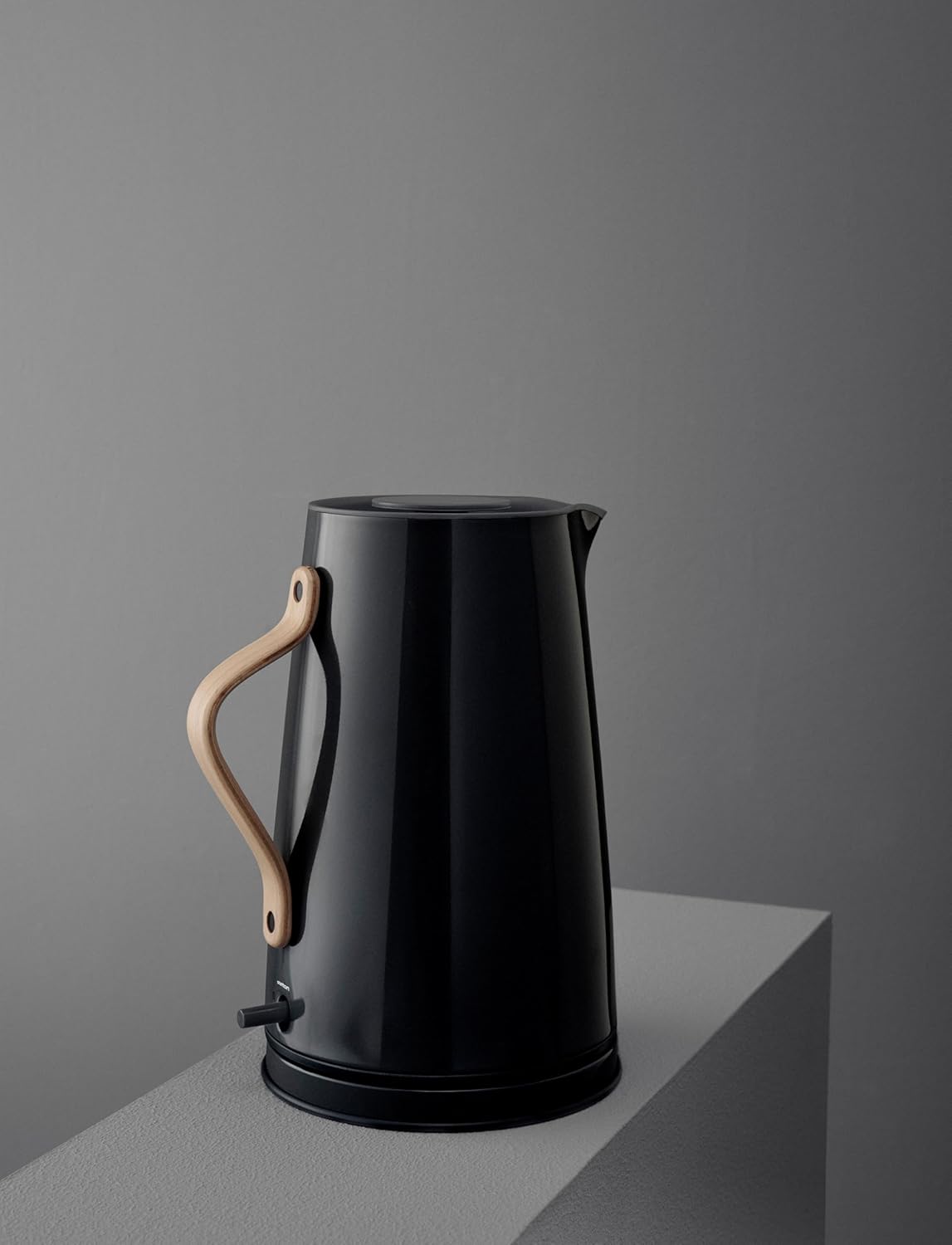
Modern design also plays a role, especially for readers who care about coordinated kitchens. Brands like Oxo and Fellow with the Stagg EKG gooseneck kettle line focus on minimalist silhouettes, while Hamilton Beach and other mass market makers offer chunkier but very practical electric kettles. For a broader sense of current design trends and how they integrate removable filters, you can review this guide to top modern electric kettles and compare it with your own needs.
How removable filters improve taste, hygiene and kettle lifespan
Every time you boil water in an electric kettle, minerals precipitate out and cling to hot surfaces. Over weeks that residue builds up around the spout, on the mesh filter and along the glass or steel interior, which slowly dulls flavours and can even affect how quickly the kettle reaches boiling temperature. A removable filter lets you interrupt that cycle, because you can clean the part that traps the most debris before it hardens.
From a hygiene perspective, a clean filter and clear water level window help you see when it is time to descale the whole kettle. Many stainless steel electric kettles hide early limescale, so users only react when flakes appear in tea or coffee, but a cloudy filter is an earlier warning sign. Regular rinsing, combined with occasional citric acid descaling, keeps both glass kettles and steel models efficient, which means they use less electricity to heat the same volume of water.
Removable filters also protect more advanced features such as keep warm modes and precise temperature control circuits. If limescale blocks the area around the thermostat, the auto shut function may misread the actual temperature and either cut off too early or allow a prolonged boil, which wastes energy and stresses components. By contrast, kettles tested in independent labs that maintain clean filters typically show more stable warm holding temperatures and longer service lives, especially when users avoid repeated boil dry incidents.
For households that brew several rounds of electric tea or pour over coffee each day, this maintenance advantage compounds quickly. A well maintained gooseneck kettle or standard tea kettle with a removable filter can last years longer than a neglected budget model, even if the initial price is similar. If you want a curated list of durable options for busy homes, this overview of top electric kettles for home is a useful benchmark against which to judge any kettle with a filter.
Comparing popular designs: glass, stainless steel and gooseneck models
Design affects how you use an electric kettle every single day. Glass kettles appeal to people who like to watch the water boil and check clarity at a glance, and they make it easy to see when the removable filter needs a quick scrub. Stainless steel electric kettles, by contrast, feel more robust, hide minor staining and often pair well with other steel appliances on the counter.
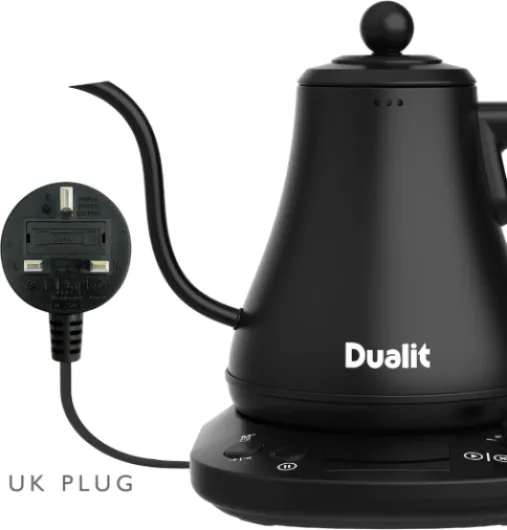
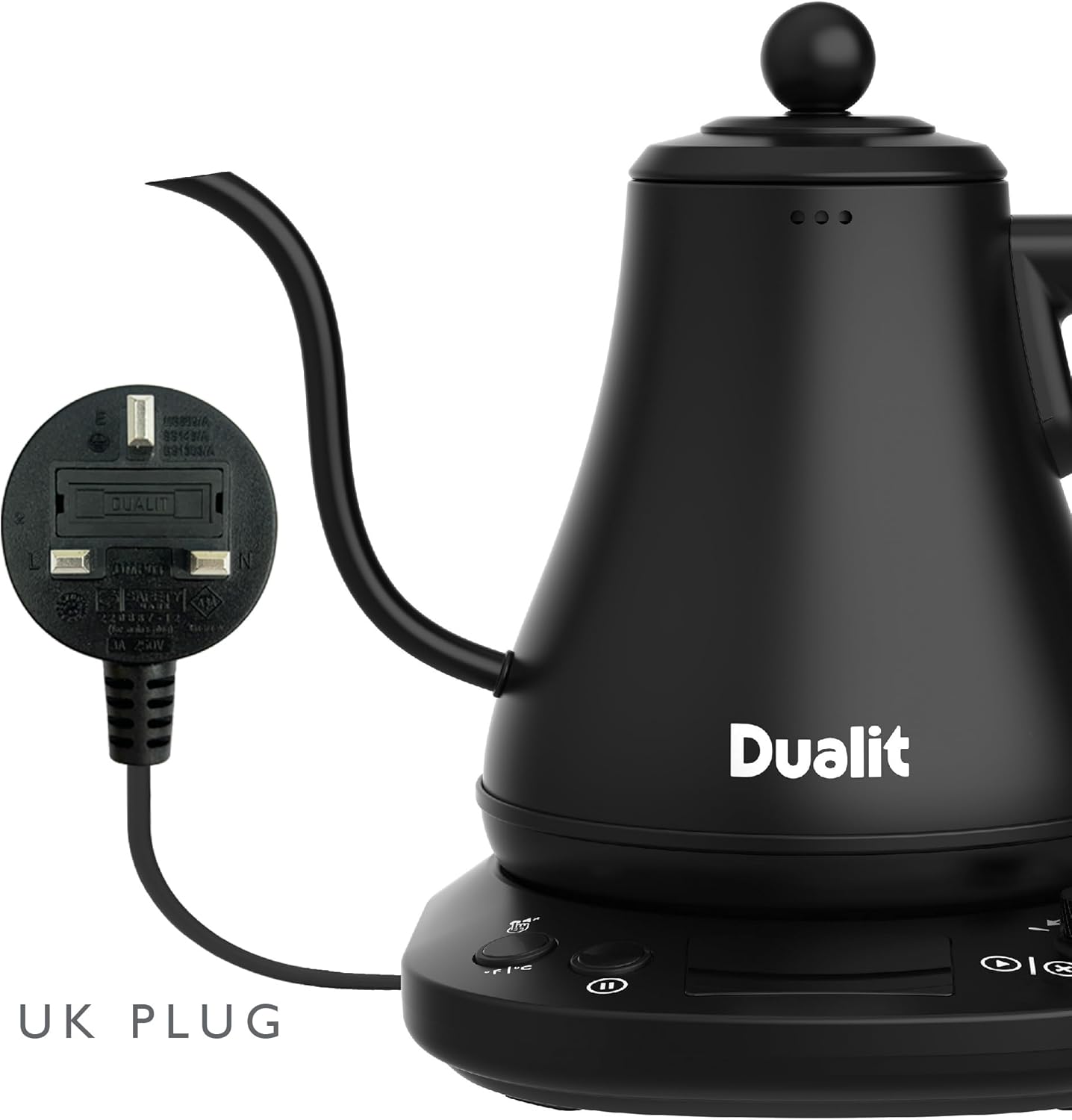
Gooseneck designs occupy a special niche among the best electric kettles with removable filter. A gooseneck kettle gives you precise control over flow rate, which matters when you pour coffee for a V60 or Chemex, and many models such as the Oxo Brew and Fellow Stagg EKG combine that spout with accurate temperature control. These kettles often include fine mesh filters at the spout base to stop particles from disrupting the smooth, narrow stream that coffee enthusiasts prize.
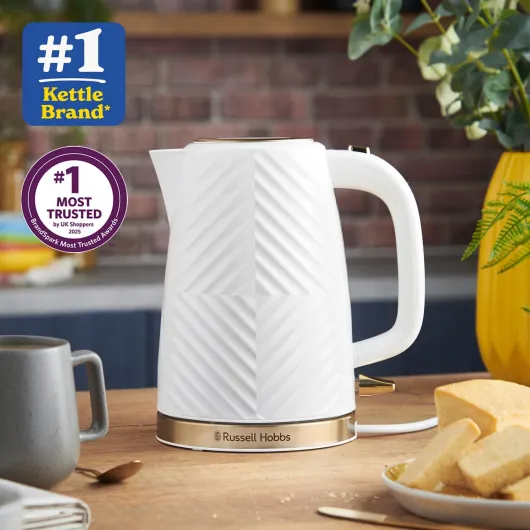
Traditional jug shaped electric kettles from brands like Hamilton Beach focus more on capacity and speed than on ultra precise pouring. They usually offer larger kettle sizes, straightforward auto shut systems and clear water level indicators, which suit families who mainly brew tea or prepare instant meals. When these models include removable filters, they tend to sit just behind the spout, catching limescale while keeping the main interior easy to wipe.
Glass and steel each have trade offs in noise, heat retention and perceived quality. Glass kettles sometimes sound louder because the hard surface reflects boiling noise, while double walled stainless steel designs can keep warm water for longer without relying heavily on powered warm modes. Whatever the material, the most user friendly electric kettles share three traits: reliable boil dry protection, a removable filter that slides out without tools and a handle that stays cool enough for safe, steady pouring.
How to read reviews, lab tests and kettle amazon listings
Online reviews and lab reports are essential tools when you compare the best electric kettles with removable filter. On large marketplaces such as Amazon, start by filtering for electric kettles with at least several hundred ratings, then read the most recent comments that mention filters, auto shut reliability and keep warm accuracy. Pay attention to photos that show the filter after months of use, because they reveal how glass and stainless steel surfaces age in real kitchens.
Independent testing organisations often run kettles tested side by side, timing how long each model takes to boil one litre of water and measuring how hot the exterior becomes. These tests highlight whether a kettle with a stated capacity of 1.7 litres actually performs efficiently at partial fills, which is how many people really use them. They also check whether boil dry protection triggers correctly when the kettle is empty, a crucial safeguard that you cannot easily test at home without risking damage.
When you read a kettle Amazon listing, look beyond marketing phrases and focus on concrete specifications. Confirm that the product description mentions a removable or washable filter, a visible water level gauge, temperature control options and clear wording about dry protection or boil dry safety. Cross check those claims against user reviews that mention long term reliability, especially for models like the Oxo Brew gooseneck kettle, the Hamilton Beach glass kettle series or premium designs such as the Stagg EKG electric kettle.
Price should be the final filter rather than the first, because a slightly higher upfront cost often buys better materials and safer electronics. A mid range electric kettle with a robust stainless steel body, precise temperature presets and a durable filter can outlast two or three cheap kettles, which improves long term value. When you balance price, performance and safety, you are more likely to end up with a tea kettle or coffee focused model that genuinely suits your habits rather than just looking good in a product photo.
Energy efficiency, safety standards and long term value
Energy efficiency has become a central factor in how experts evaluate the best electric kettles with removable filter. Because kettles are among the most power hungry small appliances, even small gains in how quickly they boil water or how well they keep warm without constant reheating can cut household electricity use. Policy analysts have described this shift in detail in discussions of the so called 85 percent efficiency rule, which you can explore in depth in this analysis of how an energy mandate is reshaping kettles worldwide.
Safety standards work hand in hand with efficiency, especially around auto shut systems and insulation. A well designed electric kettle should cut power as soon as the water reaches boiling temperature, then rely on insulated walls or a low power keep warm mode rather than repeated full power cycles. Features such as boil dry protection, non slip bases and secure lids reduce the risk of accidents, which matters in busy households where several people may handle the kettle with different levels of care.
Long term value depends on how all these elements interact in daily use. A glass kettle with a removable filter and clear water level markings might encourage you to heat only the water you need, which saves energy and reduces limescale, while a stainless steel model with a robust handle and precise temperature control might better suit a heavy coffee drinker who uses a gooseneck kettle every morning. In both cases, regular cleaning of the filter and interior, combined with avoiding repeated boil dry incidents, will extend the life of the appliance and protect your investment.
Key statistics about electric kettles and hot drink habits
- In the United Kingdom, electric kettles account for around 4 to 5 percent of household electricity use, according to government energy surveys such as the UK Department for Business, Energy & Industrial Strategy’s household electricity studies, which makes efficiency and keep warm settings significant for overall bills.
- Laboratory tests by consumer organisations, including Which? in the UK and Consumer Reports in the US, have found that variable temperature control kettles can use up to 20 percent less energy for green tea and coffee brewing compared with always boiling water to 100 °C and letting it cool.
- Studies of limescale formation in hard water regions, reported in water utility guidance and appliance manufacturer white papers, show that regular descaling can improve heating efficiency in glass and stainless steel kettles by roughly 10 percent, which shortens boiling time and reduces energy waste.
- Market research on small appliances from firms such as Euromonitor and NPD indicates that gooseneck kettle sales have grown several times faster than traditional jug kettles in speciality coffee focused markets, driven by demand for precise pour coffee techniques.
- Consumer complaint data from safety regulators, including the UK Office for Product Safety and Standards and the US Consumer Product Safety Commission, highlight that kettles without reliable boil dry protection are disproportionately represented in overheating incidents, underlining the importance of certified auto shut systems.