Choosing between gooseneck and classic spouts for pour over coffee
For pour over coffee, the shape of the kettle spout matters as much as the heating element. A gooseneck kettle gives you slow, steady control over the water flow, while a classic electric kettle spout pours faster and suits bulk brewing or quick tea rounds. Many coffee lovers now keep both types of kettles, using a compact gooseneck electric model for precision and a larger standard kettle for everyday boiling.
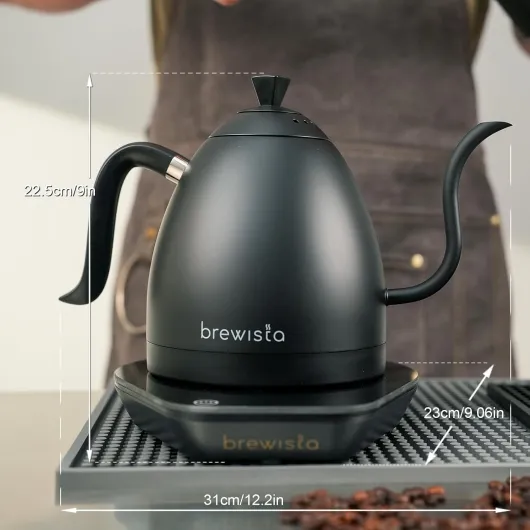
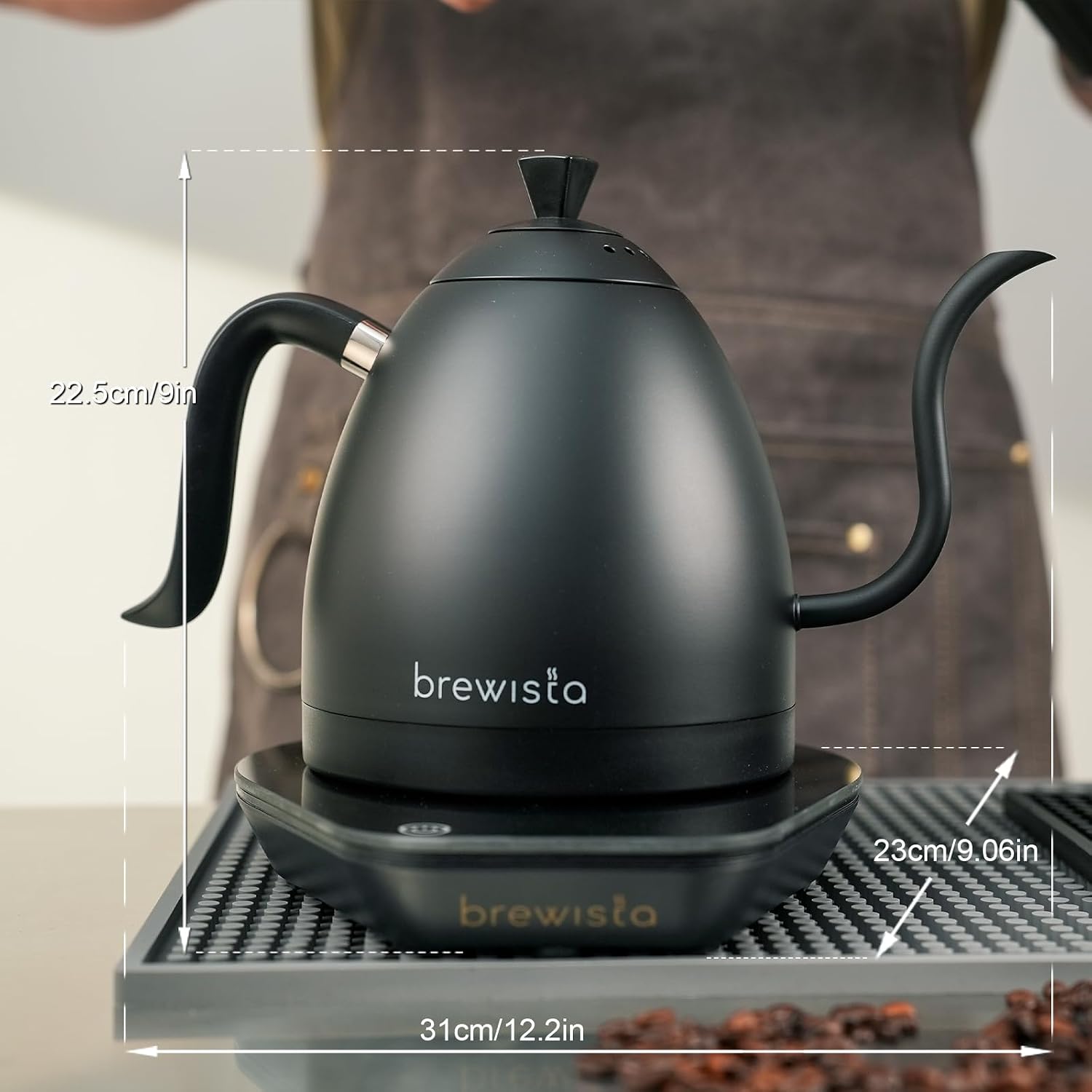
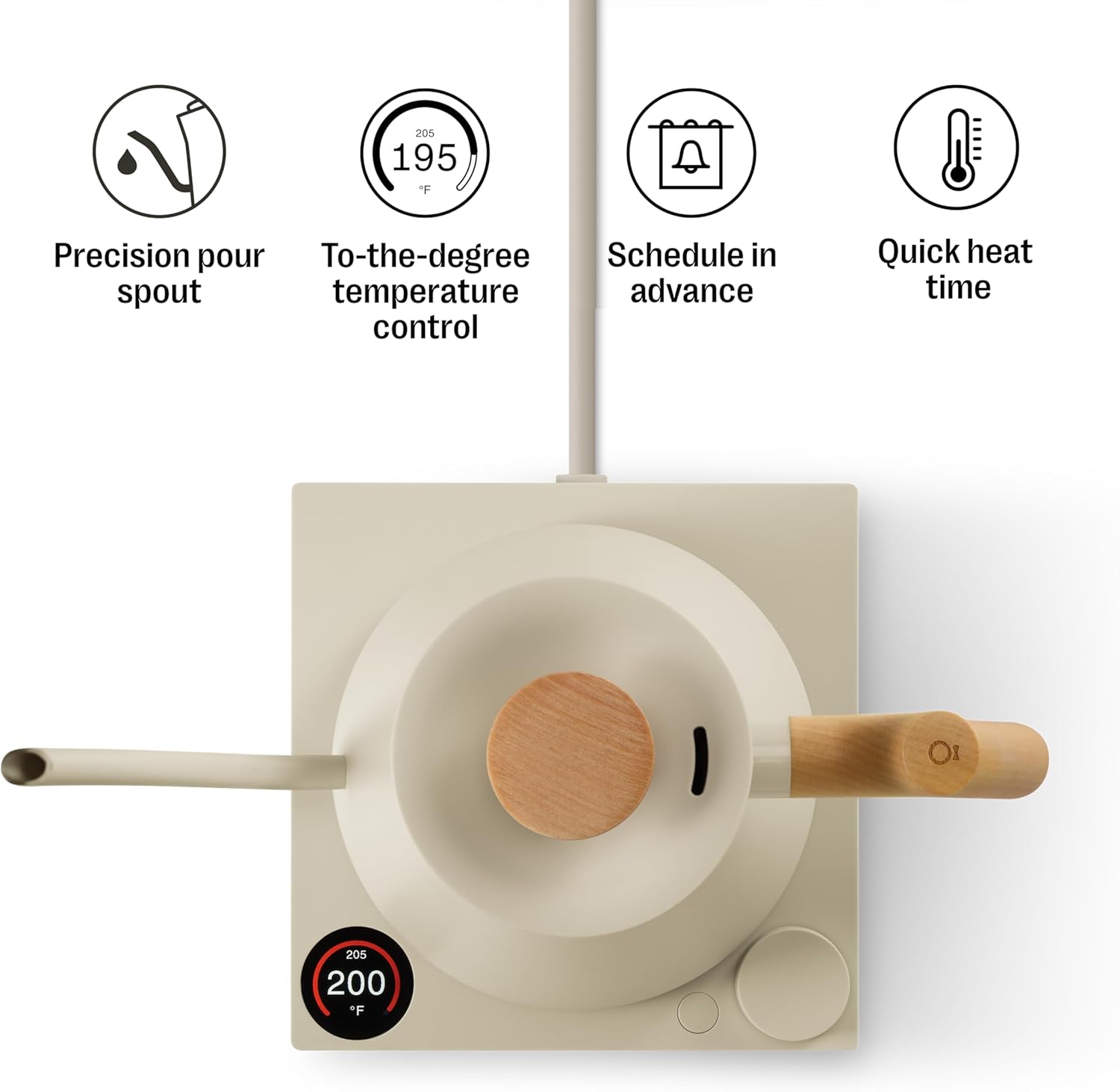
A well designed gooseneck spout lets you pour coffee in tight spirals, saturating every gram of ground coffee evenly. This level of control is difficult with wide spouts, which is why so many kettles tested by coffee professionals feature slim, curved necks and balanced handles that feel easy to hold even when full of hot water. One home user described their first gooseneck session as “the moment my V60 finally tasted like the café version,” simply because they could slow the pour and hit the coffee bed evenly.
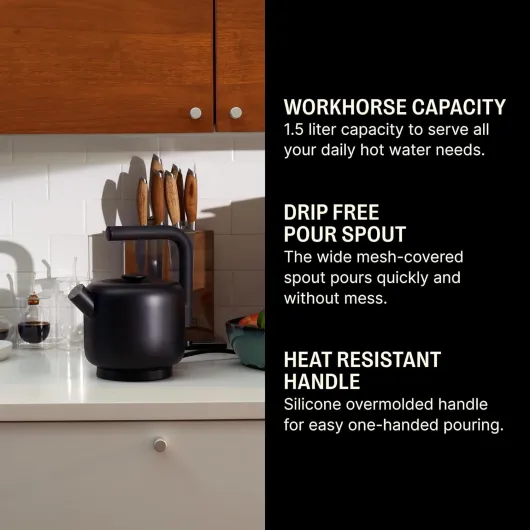
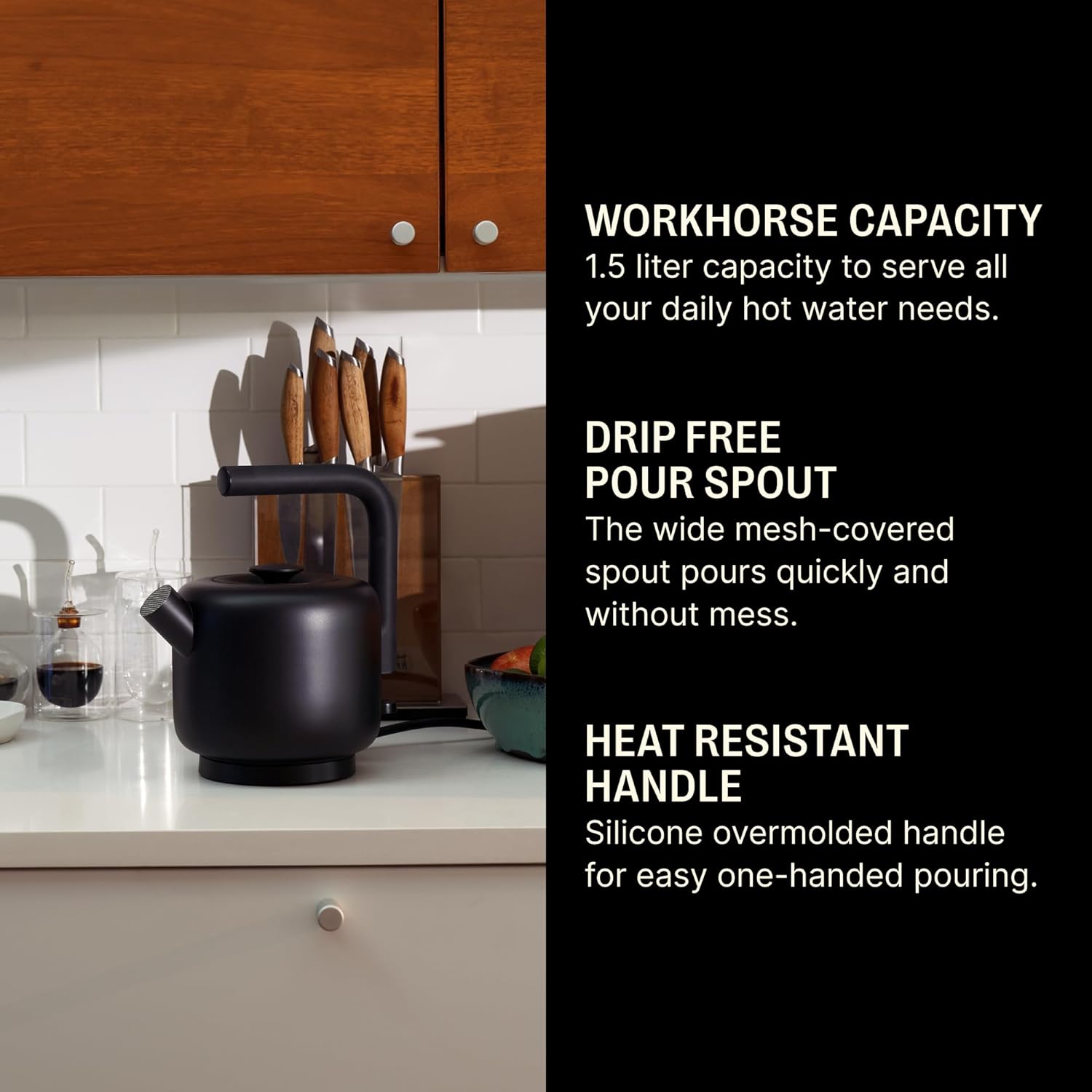
Classic electric kettles remain the best choice when you mainly brew tea or instant coffee. Their wider spouts pour faster, which suits large mugs and family teapots, and many stainless steel designs hide the heating element for easier cleaning. When you compare gooseneck electric kettles with traditional kettles, think about whether you mostly pour coffee slowly over a dripper or simply need boiling water quickly for mixed coffee tea habits. If you brew several large French press pots or big teapots every day, a classic 1.7 litre jug kettle with a powerful element may feel more practical than a smaller precision gooseneck.
Materials, build quality, and why stainless steel still leads
Material choice shapes both flavour and durability in every kettle. Stainless steel remains the most trusted option for an electric kettle because it resists rust, cleans easily, and does not retain odours from coffee or tea. Many of the best electric kettles for coffee lovers use brushed stainless steel on the exterior and a seamless stainless interior to keep water tasting neutral.
Plastic housings can keep an electric kettle light and affordable, yet frequent coffee drinkers often prefer full stainless steel bodies for long term reliability. When you read about kettles tested by independent reviewers, you will notice that premium models use thicker steel, tighter lid seals, and insulated handles that stay cool even when the kettle temperature reaches a rolling boil. Some brands, such as Cuisinart and Hamilton Beach, also add double wall construction to keep warm performance high while the outside remains safe to touch.
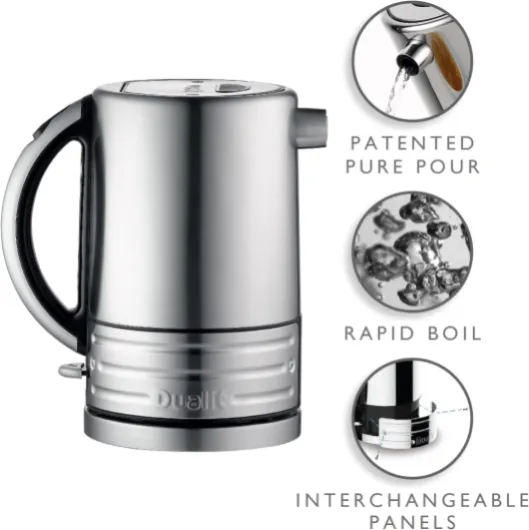
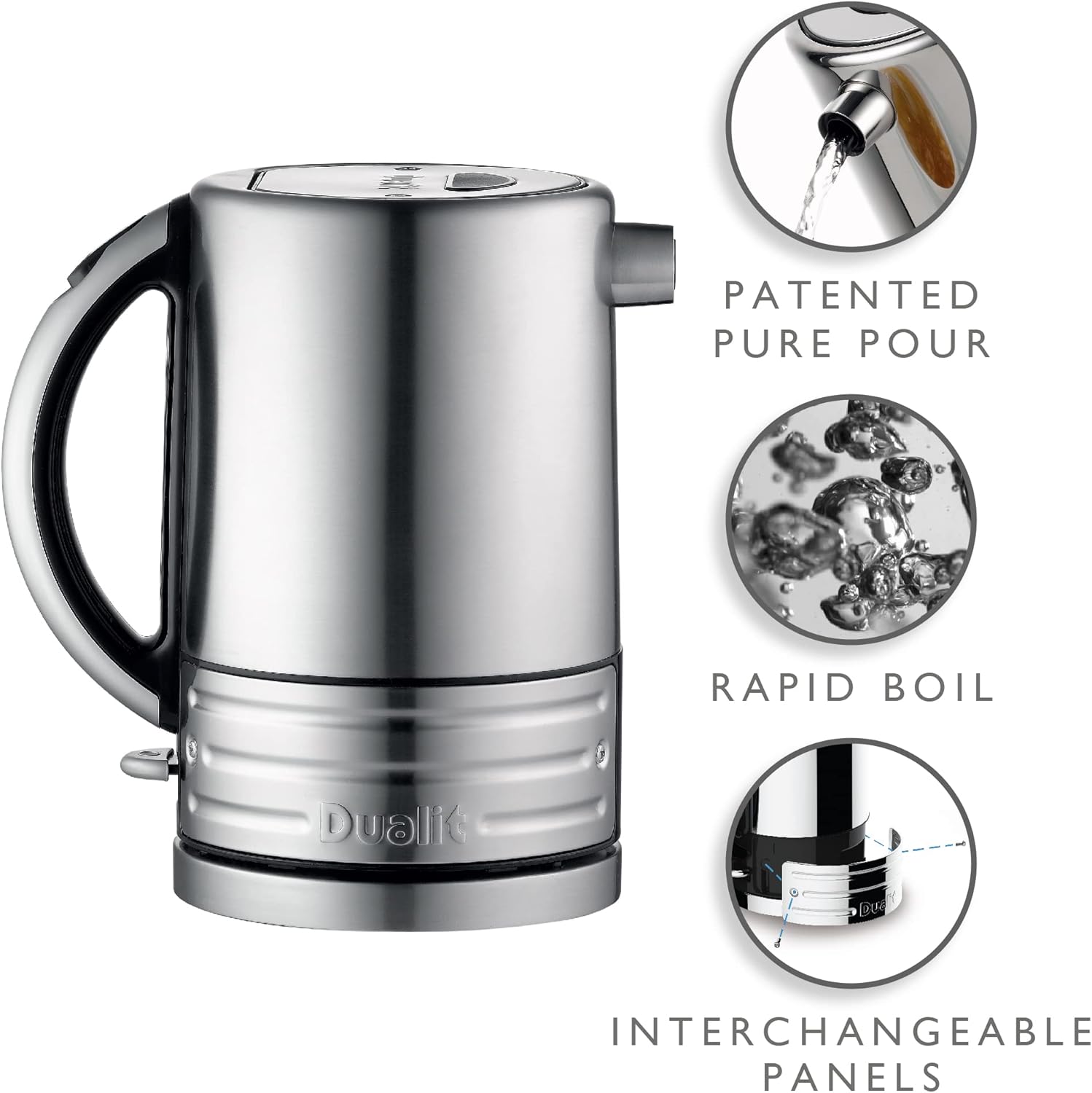
Build quality extends beyond the shell to the spout and base. A well engineered gooseneck spout should pour coffee without dripping, and a sturdy 360 degree base should feel stable when you place the electric kettle down after a long pour. If you want to understand how thoughtful design affects daily use, reviews of rapid boil stainless steel models such as the Dualit Architect, available through a detailed stainless steel rapid boil test, highlight how premium construction can justify a higher price. In those tests, the 1.5 litre Dualit typically boils a full load in around four minutes at 2.3–2.4 kW while keeping noise levels moderate and showing very little scale build up on the concealed element.
Key features that separate basic kettles from barista level tools
Not every electric kettle suits the same brewing style or household rhythm. Entry level kettles simply boil water and switch off, while the best electric kettles for coffee lovers add variable temperature, keep warm modes, and precise digital displays. When you compare features, think about how often you brew coffee tea drinks and how much control you genuinely want over every pour.
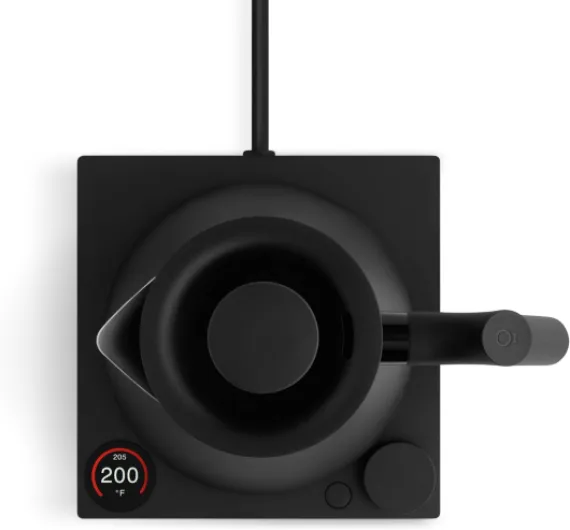
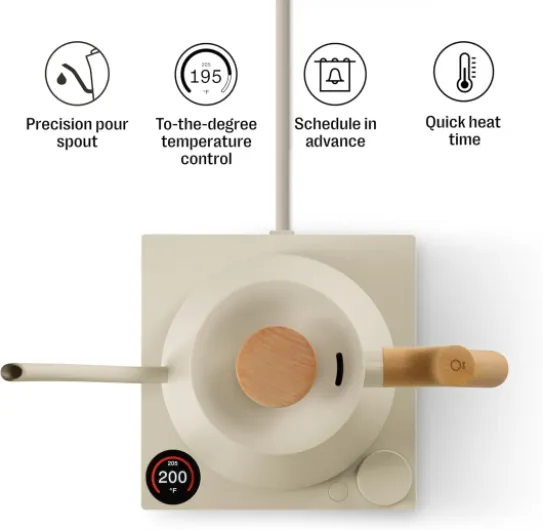
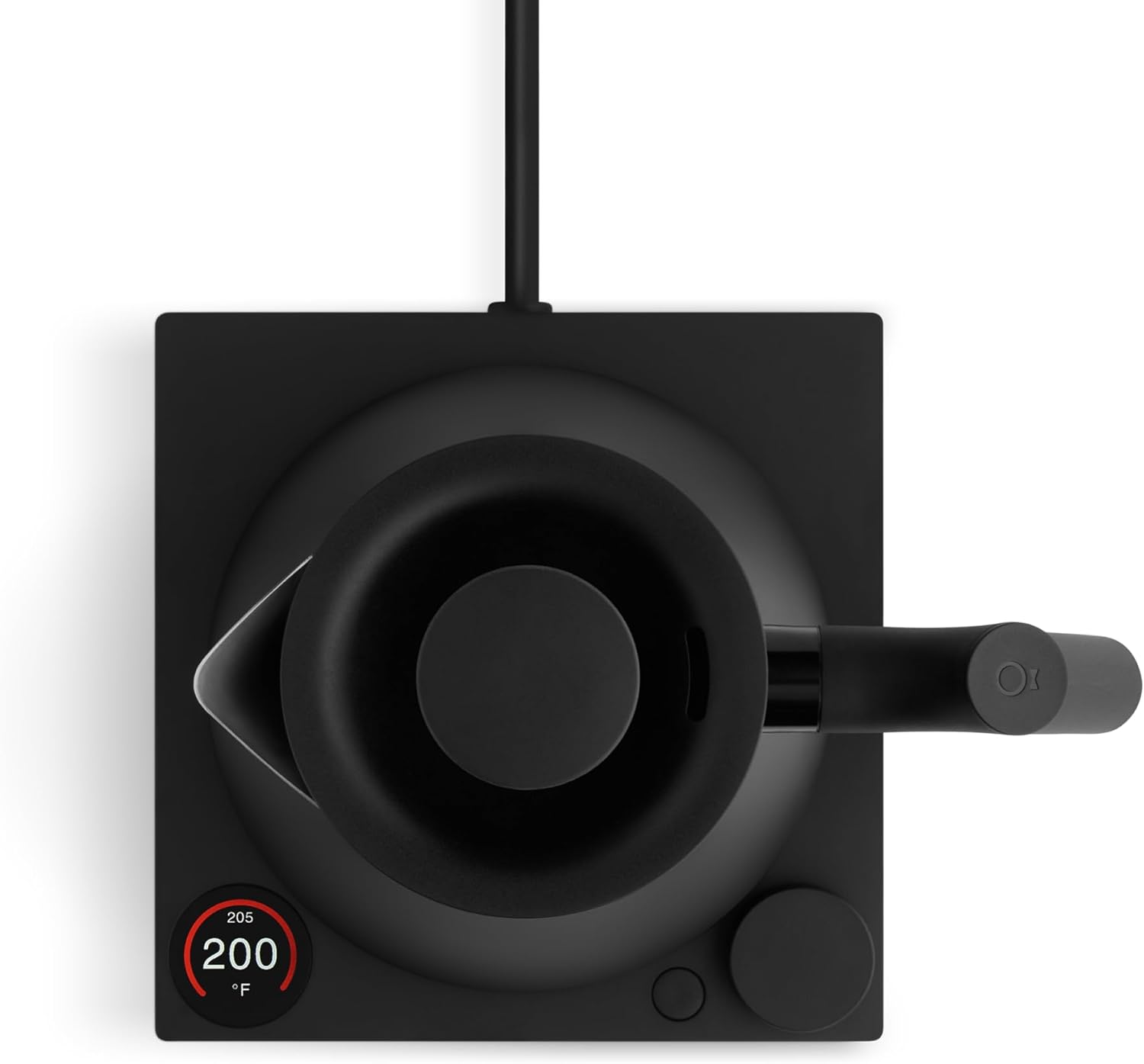
Temperature control is the first major upgrade, allowing you to set the kettle temperature in small degree increments rather than guessing by eye. A precise temperature readout helps you repeat your favourite pour coffee recipe, and a warm function keeps water ready for a second cup without another full boil. Some gooseneck electric kettles even remember your last setting, which makes it easy to maintain a consistent morning routine. Others add timers, gentle beeps, or auto shut off after a set period, which can be useful if you tend to multitask while brewing.
Brand ecosystems also matter when you choose between models. A kettle Cuisinart design might integrate with matching coffee makers, while a Hamilton Beach electric kettle could prioritise simple buttons and an easy to clean interior. Whether you buy a kettle on the high street or through kettle Amazon listings, look for a comfortable handle, a lid that opens smoothly, and clear markings that show minimum and maximum water levels at a glance.
Real world performance of popular brands like Cuisinart and Hamilton Beach
Laboratory data tells only part of the story about electric kettles. In real kitchens, people care about how fast kettles tested can boil water, how quietly they run, and whether the handle feels secure when they pour coffee over a fragile glass dripper. A typical 1.7 litre stainless steel kettle rated around 2,400 W can bring a full load to the boil in roughly four to five minutes, while smaller one litre gooseneck models often heat in closer to three.
Cuisinart electric kettles tend to focus on precise temperature control, with some kettle Cuisinart models offering multiple presets for green tea, oolong, French press, and pour over coffee. Hamilton Beach kettles, by contrast, usually emphasise value and straightforward operation, which suits households that want an electric kettle mainly for quick tea and instant meals. When you browse kettle Amazon reviews, pay attention to comments about how easy the lid is to open, whether the gooseneck spout drips, and how well the keep warm feature maintains a precise temperature without over boiling.
Gooseneck electric designs from specialist brands often win praise from baristas for their balance and control. A well tuned gooseneck kettle lets you adjust the flow rate mid pour, which helps you manage bloom phases and extraction curves in manual coffee brewing. If you prioritise speed instead, you might prefer a fast boil model from a curated list of top fast boil electric kettles, trading some finesse for rapid heating when several people want hot drinks at once.
| Model |
Type |
Capacity |
Power |
Temperature control |
Quoted accuracy |
Typical price range* |
| Cuisinart CPK-17 |
Classic jug |
1.7 L |
1500 W (US) |
6 presets + manual |
±2 °C in tests |
£80–£110 / $80–$100 |
| Hamilton Beach 41020 |
Classic jug |
1.7 L |
1500 W (US) |
Adjustable settings |
±3 °C in tests |
£40–£60 / $40–$60 |
| Fellow Stagg EKG |
Gooseneck |
0.9 L |
1200 W (US) |
Variable 57–100 °C |
±1 °C in tests |
£130–£170 / $150–$195 |
| Dualit Architect |
Classic jug |
1.5 L |
2300–2400 W (UK) |
Boil only |
N/A |
£90–£120 |
*Price bands are approximate and based on recent retail listings; they may vary by region and retailer.
How to match kettle size, speed, and ergonomics to your routine
Capacity, speed, and comfort shape how satisfying an electric kettle feels day after day. A one litre gooseneck kettle suits single coffee drinkers, while families often prefer larger kettles that can boil enough water for several mugs of coffee tea at once. Think carefully about how many cups you brew, how quickly you need them, and how much counter space you can spare.
Boil time depends on wattage and water volume, so a powerful stainless steel kettle can heat a full load in a few minutes. However, higher wattage also means more steam and noise, which may bother light sleepers if you brew early, so some people choose slightly slower electric kettles that run more quietly. When you read about kettles tested by consumer organisations, look for data on both speed and energy use, because an efficient warm function can reduce repeated reheating.
Ergonomics often receive less attention than temperature control, yet they matter every time you pour coffee. A comfortable handle with a secure grip reduces strain on your wrist, especially with a full gooseneck electric kettle held at shoulder height over a scale. Before you commit to any model, check that the lid opens wide for easy cleaning, the base cord stores neatly, and the overall weight feels manageable when filled to the maximum water line.
Statistics and key figures about electric kettles for coffee lovers
- Industry surveys of home brewers suggest that a significant share of people using pour over methods now own at least one gooseneck kettle, showing how strongly manual coffee trends influence kettle design.
- Energy efficiency advice from organisations such as the UK’s Energy Saving Trust notes that boiling only the water you need in an electric kettle can reduce electricity use for hot drinks, which makes precise capacity markings and fast boil elements financially relevant.
- Independent consumer testing has found that premium stainless steel kettles often outlast low cost plastic models, underlining the value of investing in durable materials for daily coffee tea preparation. Some long term tests report that higher end stainless designs can survive thousands of boil cycles with minimal performance loss.
- Market research firms report that electric kettles with variable temperature settings now account for a growing share of kettle sales in coffee focused markets, reflecting rising interest in precise temperature control at home.
Trusted sources for further reading
Specialty Coffee Association (SCA)
Consumer Reports
Energy Saving Trust