What sets a glass electric kettle apart in daily use
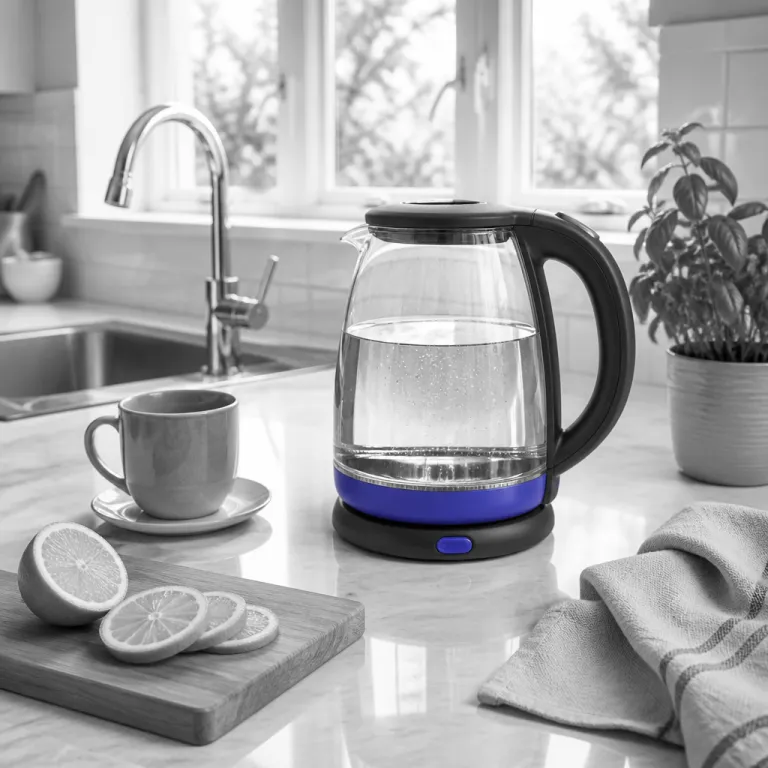
A glass electric kettle changes how you see boiling water. The transparent glass body reveals every stage of heating, so users gain a clear visual check on temperature and boiling progress. This simple visual feedback makes it easy to stop the kettle when it heats water enough for delicate tea or when hot water is needed just below a full rolling boil.
Unlike an opaque metal water kettle, a transparent glass appliance lets you monitor scale, residue, and overall cleanliness. That visibility reassures people who want good hygiene, especially when the kettle heats water several times a day for tea, herbal infusions, or pour over coffee. Many buyers appreciate that high quality borosilicate glass resists thermal shock, so the kettle endures rapid boil cycles without cracking while still looking great on the counter.
Modern electric kettle designs combine glass with a concealed stainless steel heating element for efficient heating. This pairing keeps water away from complex parts, which supports easy cleaning routines and reduces limescale buildup around the heating element. When the glass body, stainless steel base, and plastic handle are well engineered, the kettle remains easy to lift, easy to pour, and safe to handle even when the electric power has driven the water to a vigorous boiling state.
Safety, dry protection, and build quality in glass models
Safety features define whether a glass electric kettle is merely convenient or genuinely reliable. Automatic shutoff and dry protection, often called boil dry protection, cut the electric power when the kettle boils water or when no water is detected inside. This prevents the heating element from overheating, protects the borosilicate glass body, and reassures users who may step away while the kettle heats water for tea or coffee.
High quality glass models usually combine borosilicate glass with stainless steel accents and a stable swivel base. The swivel base allows the kettle to rotate through 360 degrees, which makes easy filling and precise pour control more practical for both left handed and right handed users. When the base, handle, and lid mechanism are well aligned, the tea kettle remains easy to lift, easy to set down, and less likely to slip even when the product is used on a crowded kitchen counter.
Many premium designs integrate a washable filter, a secure lid button, and a spout engineered for a controlled pour. In some tested models, such as those described in independent reviews of illuminating cordless glass kettles with brushed stainless steel accents and fast boil performance, the focus is on combining rapid boil speed with safe handling. Buyers appreciate when these engineering choices translate into a kettle that heats water fast, stays stable on its swivel base, and offers good protection against accidental boil dry events.
Temperature control, tea infusers, and taste of hot drinks
Temperature control is where a glass electric kettle can truly refine the taste of hot drinks. Different tea varieties, from green tea to oolong, require water below a full boil, while black tea and strong breakfast blends often benefit from water close to 100 degrees Celsius. When a kettle offers selectable temperature presets, it becomes easy to choose the right temperature and avoid scalding delicate leaves or coffee grounds.
Some glass electric kettles integrate a removable tea infuser basket, turning the appliance into a full tea brewing system. With a built in tea infuser, users can steep loose leaf tea directly in the hot water, watching the color develop through the glass while the heating element maintains the chosen temperature. This approach keeps the process simple and free from extra teapots, while the transparent borosilicate glass makes it straightforward to judge strength at a glance.
For coffee drinkers, a precise pour and stable temperature matter just as much. While a gooseneck kettle remains the specialist choice for pour over methods, many people pair a glass electric kettle with a separate gooseneck jug to balance fast electric heating and controlled pouring. Guides to budget gooseneck kettles that maintain pour control show how a glass electric model can serve as the rapid boil water source, while the gooseneck handles the final pour over extraction.
Speed, energy use, and the role of rapid boil performance
Speed is one of the main reasons people move from a stovetop kettle to an electric kettle. A well designed glass electric kettle with a powerful stainless steel heating element can reach rapid boil in a few minutes, often faster than a typical induction or gas hob. Because the heating element sits directly beneath the water, less heat is lost to the surrounding air, which can improve energy efficiency over time.
Rapid boil performance is not only about convenience, it also shapes daily routines. When a kettle boils water fast, households are more likely to make tea, herbal drinks, or pour over coffee at home instead of buying hot drinks outside, which can reduce long term spending. Users appreciate when the product balances fast boiling with good insulation in the handle and lid, so the kettle remains safe to touch and easy to pour even immediately after a full boil.
Some glass models use blue LED lighting to signal when the water is heating and when boiling is complete. This LED ring is more than a decorative feature, because it provides a quick visual cue that the electric heating cycle is active or finished. Combined with automatic shutoff and dry protection, the LED indicator helps prevent accidental reboiling of already hot water, which can waste energy and slightly flatten the taste of delicate tea.
Cleaning, maintenance, and long term durability of glass kettles
Cleaning habits strongly influence how long a glass electric kettle will last. The transparent borosilicate glass body makes it easy to see limescale deposits, tea stains, or other residue that might affect taste or slow heating. Because users can see inside the kettle, they are more likely to descale regularly, which protects the stainless steel heating element and keeps boiling performance consistent.
Most glass kettles are designed for straightforward cleaning routines using simple household products. A mixture of white vinegar and water, boiled and then left to soak, usually removes limescale from both the glass and the heating element area without harsh scrubbing. After a thorough rinse with fresh water, the kettle is ready to heat water again, and many owners appreciate that the process is fast, low cost, and free from complicated cleaning chemicals.
Durability depends on both material quality and user care. High quality borosilicate glass resists cracking from rapid temperature changes, but it still needs protection from hard knocks on stone countertops or sinks. When users avoid sudden impacts, keep the water level between the minimum and maximum marks, and respect the boil dry protection limits, a glass electric kettle can provide great daily service for many years while maintaining clear walls and reliable rapid boil performance.
How to choose the right glass electric kettle for your needs
Selecting the right glass electric kettle starts with understanding your drinking habits. If you mainly prepare black tea or instant drinks, a simple on off model with rapid boil and strong dry protection may be enough. For people who brew green tea, herbal infusions, or pour over coffee, a kettle with adjustable temperature settings and a compatible tea infuser or separate pour over gear will offer better control.
Capacity, price, and ergonomics also matter in everyday use. A family that frequently heats water for multiple mugs of tea will benefit from a larger water kettle, while a single person in a small kitchen may prefer a compact product with a smaller footprint and a light body for easy filling. Users appreciate when the handle remains cool, the lid opens wide for easy filling, and the spout shape supports a smooth pour without splashing.
Finally, consider build quality and warranty support. Look for high quality borosilicate glass, a sturdy swivel base, and stainless steel contact surfaces where the water touches the kettle interior. When these elements come together in a well engineered design, the glass electric kettle heats water efficiently, boils water fast, and offers good value for its price while fitting seamlessly into your daily tea and coffee routine.
Key figures and statistics about electric and glass kettles
- Market research from the United Kingdom has shown that electric kettles are present in more than 90 percent of households, reflecting how central fast boiling appliances have become in daily tea and coffee preparation (for example, data reported by the UK Office for National Statistics and industry groups such as the UK Tea & Infusions Association in their household appliance and tea consumption reports).
- Studies comparing stovetop and electric kettles indicate that a modern electric kettle can use up to 30 percent less energy to heat the same volume of water, because the heating element is in direct contact with the water and reduces heat loss (as reported in comparative tests by national energy agencies and consumer laboratories that measure time to boil and electricity use under standardized conditions).
- Consumer surveys in Europe have reported that transparent or glass bodied kettles account for roughly one fifth of new kettle purchases, as buyers increasingly value visual control over boiling and cleanliness (figures cited in small appliance market reports from research firms such as GfK and Euromonitor that track kettle sales by material and design segment).
- Testing by independent consumer organizations has found that many rapid boil electric kettles can bring 1 liter of water from room temperature to boiling in around 2 and a half to 3 minutes, while older models may take 4 minutes or more (for instance, time to boil measurements published by Which?, Stiftung Warentest, and similar testing bodies in their comparative kettle reviews).
- In regions with hard water, limescale buildup can reduce kettle efficiency by several percent over a year, which is why regular descaling is recommended to maintain both fast boiling times and consistent energy use (a conclusion echoed in guidance from water utilities and appliance manufacturers that monitor scale formation and its impact on heating elements).
FAQ about glass electric kettles
Is a glass electric kettle safe for daily use
A glass electric kettle made from borosilicate glass and equipped with automatic shutoff and dry protection is safe for daily use when operated according to the manual. The glass is engineered to handle rapid temperature changes, and the heating element is designed to switch off when the water reaches boiling or when no water is detected. Users should still avoid impacts, respect minimum and maximum fill lines, and keep the base dry.
Does a glass kettle change the taste of water
Borosilicate glass is non reactive, so it does not impart flavors to water, tea, or coffee. Many people feel that a glass electric kettle preserves a neutral taste, especially compared with older plastic kettles that could release odors when new. The main taste improvements come from regular descaling and cleaning, which are easier to manage because the transparent body reveals any buildup.
How often should I descale a glass electric kettle
The ideal descaling frequency depends on local water hardness and how often you use the kettle. In hard water areas, descaling once every two to four weeks keeps the heating element efficient and prevents visible limescale on the glass walls. In soft water regions, a monthly or even less frequent routine may be enough, as long as you monitor the interior and act when deposits appear.
Can I use a glass electric kettle for pour over coffee
You can use a glass electric kettle to heat water for pour over coffee, but you may want a separate gooseneck jug for precise pouring. The electric kettle provides fast, controlled heating to the right temperature, while the gooseneck spout manages flow rate and direction over the coffee bed. This two step method combines speed with accuracy without requiring a dedicated electric gooseneck kettle.
What capacity glass kettle should I buy
Capacity should match how many hot drinks you prepare at once. For one or two people who mainly make single mugs of tea or coffee, a kettle around 1 to 1.2 liters is usually sufficient and easier to handle. Larger households or frequent hosts may prefer a 1.5 to 1.7 liter model to avoid repeated boiling cycles when serving several cups.