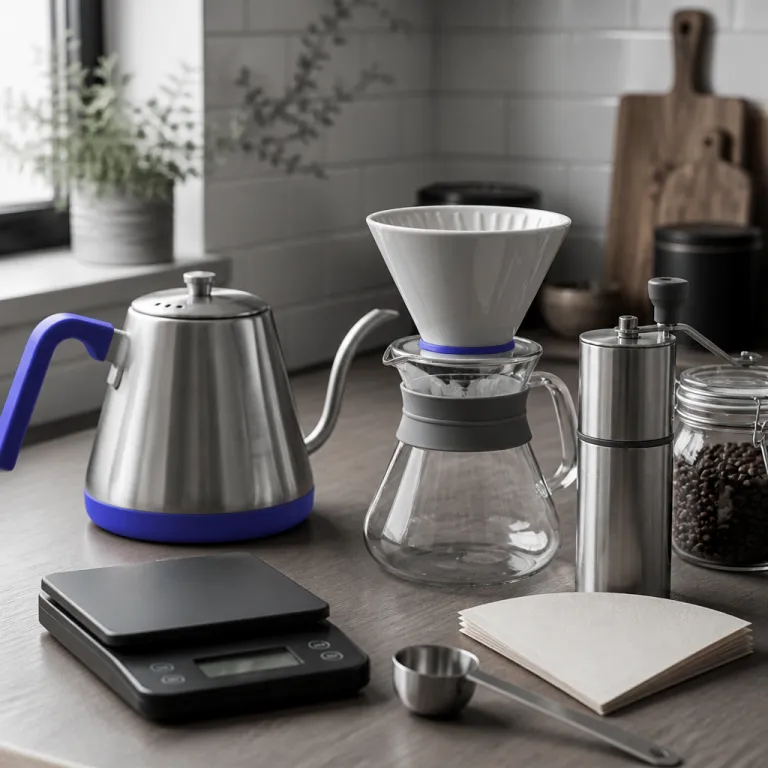
Why a pour over carafe belongs next to your electric kettle
A dedicated pour over carafe turns boiled water from any electric kettle into café level coffee. When you pair a precise gooseneck kettle with a well designed glass coffee carafe, you gain control over every second of the brew. This combination lets you move beyond regular drip coffee and taste what your beans can really offer, especially when you follow a simple recipe such as 30 grams of coffee to 500 millilitres of water.
For many home coffee makers, the first upgrade is a manual dripper and a simple carafe rather than a new electric coffee maker. The pour over method slows the contact between water and ground coffee, and a transparent borosilicate glass vessel shows the extraction color as it develops. Watching the drip pattern over the filter gives immediate feedback about grind size, pouring speed, and whether your coffee dripper is distributing water evenly, so you can adjust before the next cup instead of guessing.
A good pour over carafe usually replaces the glass jug that comes with an automatic coffee brewer. Instead of relying on a machine to decide the flow, you use a gooseneck spout to pour over coffee in controlled spirals. This manual control, combined with quality paper filters and a heat resistant glass body or insulated stainless steel server, is what makes pour over carafes the best partner for modern electric kettles.
How gooseneck electric kettles change pour over control
Gooseneck electric kettles were created to solve one problem in pour over brewing, which is precise water flow. A narrow stainless steel spout lets you direct every drip over the coffee bed, instead of dumping water too fast and flooding the filter. When you aim for the best extraction, this level of control matters more than the brand of coffee maker you own, because it directly affects how evenly the grounds are saturated.
Models such as the Dualit fast boil gooseneck kettle, often reviewed as a highly energy efficient pour over kettle, show how electric designs now match barista tools. With digital temperature control, you can heat water to around ninety four degrees Celsius and keep it stable while you move the stream in circles over coffee grounds. That stability protects delicate flavors, especially when you brew lighter roasts directly into a glass coffee carafe or a stainless carafe set, and helps you repeat the same profile day after day.
Compared with a regular electric kettle, a gooseneck version slows the pour and keeps your wrist relaxed. This helps you maintain a steady drip pattern across the entire dripper, whether you use a flat bottom Kalita style coffee dripper or a classic cone. When your kettle, dripper set, and pour over carafe work together, every cup becomes more repeatable and every price you paid for quality beans feels justified, because fewer brews end up over extracted or weak.
Choosing the right pour over carafe material and shape
The material of your pour over carafe affects both flavor and durability. Borosilicate glass is popular because it is heat resistant, does not retain odors, and lets you see the coffee level in the carafe at a glance. Stainless steel carafes insulate better and resist knocks, but they hide the brew color and can feel heavier in the hand, so the choice often comes down to whether you value visual feedback or maximum heat retention.
When you use a precise gooseneck kettle such as the Stagg EKG Pro, which offers quick heating and a built in brew timer, the carafe must match that level of control. A narrow neck concentrates aromas, while a wide base stabilizes the coffee carafe on the scale as you track every gram of water. Some classic series designs even integrate a glass handle that stays cool, so you can serve each cup without worrying about heat transfer from the brew or awkward grip angles.
Shape also influences how the drip coffee lands in the vessel during extraction. A taller carafe reduces splashing and keeps the stream from the dripper closer to the center, which helps maintain a consistent temperature over the full brew. Shorter, wider glass coffee servers cool slightly faster, which can be pleasant when you pour over smaller batches for a single cup or want the coffee ready to drink without a long wait.
Kalita wave, drippers, and how they pair with carafes
The Kalita Wave dripper changed home brewing by using a flat bottom with three small holes. This design slows the drip and spreads water more evenly over coffee grounds, which makes it forgiving for beginners learning to pour over with a gooseneck kettle. When you place a Kalita Wave over a matching glass coffee carafe, you get a stable, balanced extraction that suits most medium roasts and helps reduce channeling.
Kalita offers both stainless steel and glass versions of the Wave dripper, and each material behaves slightly differently during the brew. The stainless steel dripper holds heat longer, which can help when your kitchen is cold and the water cools quickly between kettle and filter. Glass drippers, especially those made from borosilicate glass, show how the coffee bed swells and deflates as you pour, giving visual cues about whether your grind or pour pattern needs adjustment, such as when the bloom collapses too quickly.
Many manufacturers sell a complete dripper set that includes a pour over carafe, a Kalita style dripper, and a starter pack of paper filters. These sets often cost less than buying each coffee maker component separately, and the regular price sometimes drops to a lower sale price during promotions. When you compare options, look at the stated capacity in millilitres, the type of filters required, and whether the carafe is compatible with other coffee makers you might already own, such as a cone dripper or small immersion brewer.
Understanding price, value, and what you really pay for
Price often becomes the deciding factor when choosing between a glass pour over carafe and a stainless steel alternative. On large marketplaces such as Amazon, you will see a wide range of price in USD for similar looking carafes, drippers, and coffee makers. The difference usually comes from material quality, heat resistant treatments, and how precisely the parts fit together during a brew, including how well the dripper seats on the carafe rim.
A basic borosilicate glass coffee carafe with a simple dripper can sit at an accessible regular price, while premium brands charge a higher price for thicker glass and better finishing. Many listings show both a regular price and a lower price sale, which can make it tempting to choose only by discount percentage. Instead, consider whether the carafe walls feel sturdy, whether the handle stays cool, and whether the set includes paper filters that match the dripper shape so you do not need to trim or fold them.
Stainless steel carafes and gooseneck kettles usually cost more upfront but last longer under daily use. When you calculate value over several years of brewing, a durable stainless steel kettle and a reliable pour over carafe can reduce waste from broken glass or warped plastic. In that sense, the sale price on a classic series glass set might look attractive, yet a slightly higher price for a better built coffee brewer often pays off in every cup you enjoy and in fewer replacements.
Integrating a pour over carafe into your electric kettle routine
Once you own both an electric gooseneck kettle and a pour over carafe, the daily routine becomes simple. Fill the kettle with fresh water, heat it to your chosen temperature, and place the dripper with a rinsed filter over the carafe on a scale. Then pour over coffee in stages, for example a thirty second bloom followed by two or three slow pulses, watching the drip rate and adjusting your wrist to keep the stream steady.
If you already use a glass electric kettle, pairing it with a dedicated pour over setup can be a logical next step for your kitchen. Resources that explain why a glass electric kettle is becoming a smart choice often highlight how transparent materials help you monitor both water and coffee. The same principle applies when you brew directly into a glass coffee carafe, because you can see how the color deepens and decide when the brew looks strong enough for your taste, even before you take a sip.
Many home coffee makers keep their automatic coffee brewer for busy mornings and reserve the pour over carafe for slower moments. This flexible approach lets you enjoy the convenience of a standard coffee maker while still exploring the nuanced flavors that manual drip coffee can offer. Over time, you may find that the control, ritual, and clarity of flavor from pour over brewing become the standard by which you judge every other cup, whether it comes from a pod machine or a café.
Key statistics on pour over brewing, kettles, and carafes
- According to the Specialty Coffee Association’s 2023 market research summaries, manual brewing devices such as pour over drippers and carafes account for a single digit share of home coffee equipment sales in major European markets, typically in the range of five to nine percent, with manual methods showing steady growth compared with traditional drip machines. Always consult the latest SCA publications for current figures and detailed breakdowns.
- The National Coffee Association’s 2023 National Coffee Data Trends report for the United States notes that roughly four in ten specialty coffee drinkers own at least one manual brewing device, which often includes a pour over dripper paired with a glass or stainless steel carafe. Exact percentages vary by year and demographic group, so checking the most recent NCA report is recommended when you want precise numbers.
- Independent lab tests on borosilicate glass used in coffee carafes generally show that it can withstand thermal shocks in the range of about 120 to 150 degrees Celsius, which helps explain why heat resistant glass carafes rarely crack when exposed to boiling water from an electric kettle. Specific thermal shock ratings depend on the manufacturer and should be verified in the product specifications or technical data sheets.
- Energy efficiency studies on electric gooseneck kettles indicate that models with precise temperature control can reduce electricity use by avoiding repeated full boils, with measured savings of around ten to twenty percent compared with repeatedly boiling water in a basic kettle when brewing multiple small batches of pour over coffee. Actual savings depend on kettle design, insulation, and user habits, so manufacturer data and independent tests should be reviewed for exact numbers.
- Consumer reviews across large online retailers consistently rate pour over carafe and dripper sets highly, often between four and five stars out of five, with the highest scores going to kits that combine a stable carafe base, reliable paper filters, and a comfortable handle for serving. Ratings change over time, so checking recent reviews is the best way to assess current performance and real world durability.
FAQ about pour over carafes and gooseneck kettles
Is a pour over carafe better than the jug from my drip coffee maker ?
A pour over carafe is designed specifically for manual brewing, with shapes that reduce splashing and materials that handle repeated thermal shocks. The jug from a standard drip coffee maker often focuses on low manufacturing cost rather than optimal extraction. If you plan to brew manually with a dripper, a dedicated carafe usually offers better control and durability.
Should I choose borosilicate glass or stainless steel for my carafe ?
Borosilicate glass carafes are transparent, neutral in taste, and relatively light, which makes them ideal for monitoring brew color and volume. Stainless steel carafes insulate better and resist impacts, but they hide the coffee and can feel heavier when serving several cups. Your choice depends on whether you value visual feedback and elegance or maximum heat retention and toughness.
Do I really need a gooseneck electric kettle for pour over coffee ?
A gooseneck electric kettle is not strictly required, but it makes precise pouring much easier. The narrow spout allows you to control flow rate and direction, which improves extraction consistency across the coffee bed. If you brew pour over coffee regularly, the upgrade from a standard kettle to a gooseneck model usually brings a noticeable improvement in flavor.
What size pour over carafe should I buy for home use ?
For one or two people, a carafe with a capacity of around 400 to 600 millilitres is usually sufficient. Households that often serve guests may prefer a larger carafe of 800 to 1 000 millilitres to avoid brewing multiple batches. Always check that your chosen dripper fits securely on top of the carafe size you select.
How do paper filters affect the taste of pour over coffee ?
Paper filters remove most oils and fine particles from the brew, which produces a cleaner cup with more clarity and less sediment. Different brands and thicknesses of paper filters can slightly change flow rate and flavor balance, especially with drippers such as the Kalita Wave. Rinsing the filter with hot water before brewing helps remove any paper taste and preheats the carafe.