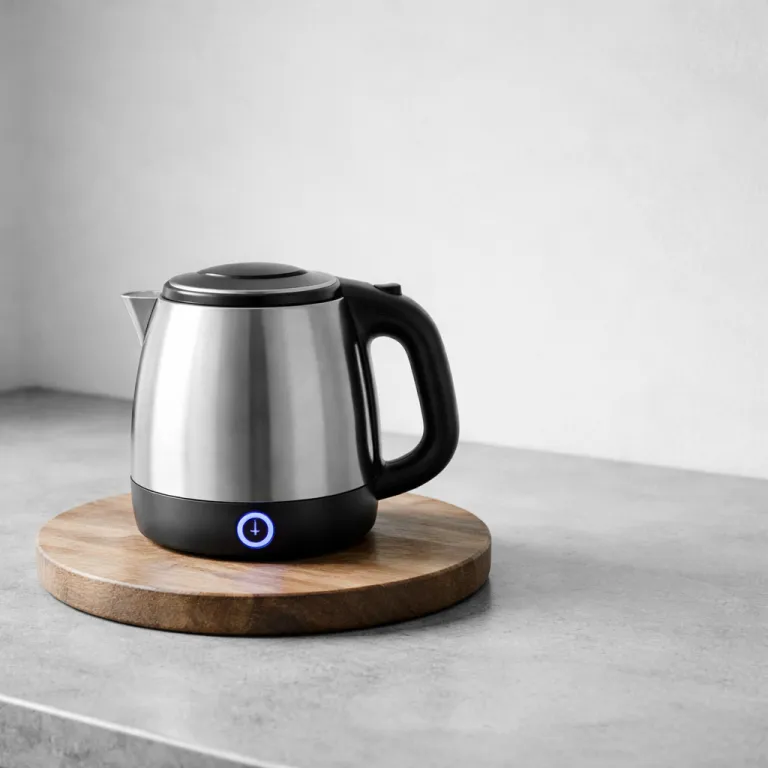
Why a compact electric kettle beats a big jug in a small flat
A compact electric kettle exists for one main reason, space. In a first flat or dorm kitchen, a 0.5 to 1 litre kettle gives you enough boiling water for tea coffee without stealing your only clear corner of worktop. A smaller body also means less water to heat, so the kettle reaches boiling water faster and wastes less energy.
Most students start with the cheapest plastic electric kettles they can find, often from a supermarket or amazon listing. Those basic kettles will boil water, but the plastic interior, loose lid fit and noisy boiler element usually mean a strong plastic taste during the first boils and a shorter life overall. A compact electric kettle with a concealed steel element, a tight fitting lid and proper dry protection costs a little more, yet it usually lasts longer and feels safer when you pour hot water in a crowded shared kitchen.
Think about how you actually drink coffee tea during a normal week. If you mostly make one mug of electric tea or instant coffee at a time, a small electric kettle with a 300 to 500 millilitre minimum fill is ideal and avoids heating spare water you never use. If you often brew coffee tea for friends, a one litre compact water boiler balances capacity and footprint better than a mini electric travel model that needs refilling twice for three mugs.
The minimum viable features on a compact electric kettle
For a first compact electric kettle, four safety features are non negotiable. You want auto shut off, reliable boil dry protection, a concealed boiler element and a 360 degree base that lets you drop the kettle back from any angle. Without those, a cheap tea kettle can keep heating when empty, scorch the stainless steel base and eventually trip a socket or worse.
Auto shut and boil dry protection work together to stop the electric kettle once the water hits boiling temperature or the kettle runs empty. On very cheap kettles, the boil dry switch sometimes clicks late, so the base overheats and the plastic around the steel plate discolours or smells. Spending a little more for a compact stainless steel model with a proven thermostat is usually the best pick for a shared house where people forget they even turned the kettle on.
Temperature control is the next feature to weigh, especially if you drink green tea or pour over coffee. Variable temperature control lets you set the water between about 60 and 100 degrees Celsius, so you avoid burning delicate tea coffee leaves or ruining a gooseneck pour over with water that is too hot. If you want a compact tea kettle that handles both coffee tea and black electric tea, a one litre model with several presets, like the kind used in a smart tea maker with variable temperature, offers a good balance between precision and size.
Size, capacity and energy draw in a tiny kitchen
Capacity numbers on electric kettles rarely match real life use. A 1.7 litre jug kettle sounds generous, yet once you factor in the minimum fill line and safe pouring, you rarely get more than four decent mugs of hot water without refilling. For a single person or couple in a small flat, a compact electric kettle between 0.8 and 1 litre usually covers morning tea coffee and late night instant noodles without hogging space.
Look at both the footprint and the height when you compare small electric kettles. A tall narrow kettle stainless body might fit between a microwave and a wall cabinet, while a squat retro style mini electric kettle can slide under a low shelf but needs more depth on the worktop. If your shared kitchen is already crowded with a toaster and a rice cooker, a compact water boiler with a narrow base and a simple stainless steel finish will be easier to live with than a wide, flashy retro style design.
Power rating matters more than most first time buyers realise. Many compact electric kettles still draw around 2 to 3 kilowatts, which can stress old wiring in student houses when someone runs a microwave and a water boiler on the same double socket. If your landlord warns you about fragile electrics, a slightly lower wattage compact electric kettle will boil water a little slower but is less likely to shut off the whole circuit mid brew.
Materials, taste and the reality of “plastic flavour”
The first thing you notice with a new kettle is not the speed, it is the taste. Cheap plastic kettles often give the first three to five boils a faint chemical note, especially when you use the full capacity for boiling water. Stainless steel interiors, or at least a steel base around the concealed element, usually reduce that problem and make the compact electric kettle easier to descale.
If you choose a plastic bodied compact electric kettle for budget reasons, rinse it properly before your first tea coffee. Fill it to the maximum line with cold water, boil, then pour the hot water away and repeat this cycle three or four times before you drink from it. A squeeze of lemon in the water or a spoon of bicarbonate of soda during one boil can help strip manufacturing residues from the lid, spout and boiler plate.
Full stainless steel kettles, including the inner walls and lid, tend to feel more solid and resist knocks in a shared kitchen. A kettle stainless interior also hides limescale better than clear plastic, though the scale still builds up on the steel and needs regular cleaning. If you want a compact electric kettle that looks smart on the counter, a brushed stainless steel finish ages more gracefully than polished chrome, which shows every fingerprint and water spot after each use.
Shapes, spouts and which compact electric kettle suits your drinks
Not all compact electric kettles pour the same way. Standard jug shapes work well for filling mugs of tea coffee or topping up instant noodles, but they can splash when you try to pour slowly into a narrow coffee dripper. A compact gooseneck kettle, with its long curved spout, gives you precise control over the flow of hot water for pour over coffee and delicate green tea.
If you mostly drink coffee tea made with a V60 or similar dripper, a small electric gooseneck kettle around 0.8 litre is usually the best pick. The narrow spout lets you spiral hot water over the coffee bed without flooding it, and many gooseneck kettles now include temperature control so you can hold the water at around 92 to 96 degrees Celsius. For shared houses where people just want fast boiling water for tea bags and instant soup, a simpler compact electric kettle with a wide spout and no gooseneck is easier for everyone to use.
Pay attention to the lid design and handle comfort as well. A loose lid that rattles while you pour boiling water is more than annoying, it is unsafe when someone bumps you in a crowded kitchen. A compact electric kettle with a firm hinged lid, a heat resistant handle and a balanced weight when full will feel safer whether you are making a single cup of electric tea or carrying hot water across the room to a desk.
Price tiers, lifespan and when to buy second hand
Budget shapes what kind of compact electric kettle you can realistically buy. Under about twenty pounds, you are looking at basic small electric kettles with plastic bodies, simple auto shut off and minimal dry protection, and you should expect around eighteen months of regular use before switches or lids start to fail. Between twenty and forty pounds, compact stainless steel kettles with better thermostats, more reliable boil dry protection and neater finishes become common, and many of these last three years or more in a student kitchen.
Spending forty to seventy pounds on a compact electric kettle usually buys you stronger stainless steel construction, smoother lids, quieter boiling and sometimes temperature control or a keep warm function. For a first flat, that higher price only makes sense if you care about precise coffee tea brewing or you know you will move the same kettle between several homes. If you just need a reliable water boiler for tea coffee and instant meals, a mid range compact electric kettle with a solid kettle stainless interior is usually the best balance of price and durability.
Second hand kettles can be tempting when money is tight, but check them carefully. Avoid any used compact electric kettle with heavy limescale, rust on the steel base, a loose lid or a damaged power cord, because those faults can affect both taste and safety. If you do buy a second hand stainless steel kettle, descale it thoroughly, run several boils of clean water and test that auto shut off and boil dry protection still work before trusting it in a shared kitchen.
FAQ
Is a compact electric kettle big enough for everyday use ?
For one or two people, a compact electric kettle between 0.8 and 1 litre is usually enough for morning tea coffee and occasional cooking. You can boil water twice in a row if guests arrive, but you avoid wasting energy on unused hot water. The key is choosing a model with a low minimum fill so you can heat a single mug efficiently.
Do I really need temperature control on a small electric kettle ?
Temperature control is most useful if you brew green tea, herbal infusions or pour over coffee that benefit from water below boiling. If you mainly make black tea coffee or instant drinks, a simple compact electric kettle that just boils water is usually fine. Paying extra for variable temperature makes sense only when you consistently use those lower settings.
How can I stop plastic taste in a new kettle ?
Rinse a new compact electric kettle by filling it to the maximum line, boiling, then discarding the hot water several times. Adding a little lemon juice or bicarbonate of soda to one boil can help remove manufacturing residues from the lid, spout and boiler plate. After three to five full boils, most plastic taste should fade, especially if the kettle has a stainless steel interior base.
Is stainless steel always better than plastic for kettles ?
Stainless steel kettles usually feel sturdier, resist knocks and avoid strong plastic flavours, which makes them popular in shared kitchens. Plastic bodied compact electric kettles are lighter and cheaper, but they can scratch and stain more easily over time. If your budget allows, a compact stainless steel kettle with a concealed element is often the most durable choice.
Can a compact electric kettle trip the electrics in an old flat ?
Any powerful water boiler, even a compact electric kettle, can overload old wiring if used on the same socket as a microwave or heater. Many kettles draw around 2 to 3 kilowatts, which is close to the limit of some older circuits. To reduce the risk of tripping a breaker, avoid running other high power appliances on the same outlet while the kettle boils.