How to judge the best electric kettle in the UK for hard water
Choosing the best electric kettle in the UK starts with your tap water, not the colour of the casing. If you live in London, the South East or the Midlands with very hard water, the right kettle will keep limescale at bay for years instead of months. A good electric kettle should feel like a quiet, fast boil workhorse rather than a fragile design object.
For hard water households, a fully concealed element and a tight fitting limescale filter are non negotiable features. The best kettle for this kind of water also needs a wide lid opening so you can scrub the stainless steel interior and reach the pour spout where scale flakes often hide. When brands talk about stainless steel, always check whether the base, element guard and interior walls are actually stainless or just a thin cosmetic shell around plastic.
Capacity matters, but not in the way product marketing suggests. A 1.7 litre capacity electric kettle rarely gives you four big mugs of tea once you respect the minimum fill line and allow for safe pouring. Think about how many people you serve and whether a smaller 1 litre or 1.5 litre kettle would reduce wasted water and energy with every boil.
Variable temperature features are now common, yet not every household needs a full temperature kettle with granular temperature control. If you mostly drink black tea and instant coffee, a simple fast boil model with a basic keep warm function may be the best fit. People who brew green tea, herbal infusions or pour over coffee will benefit more from precise temperature settings and a smart kettle that can hold water at 80 to 94 degrees Celsius.
In the UK, brands such as Russell Hobbs, Breville, Sage and Dualit dominate reviews on Amazon and at retailers like John Lewis. Hard water users repeatedly praise kettles with a removable washable limescale filter and a robust hinge that survives years of daily use. When you read reviews, focus less on star ratings and more on comments about scale build up, noise and how quickly the lid or pour spout starts to leak.
Warranty terms are another quiet indicator of build quality in kettles. A two or three year warranty on a stainless steel temperature kettle suggests the brand expects it to survive heavy use in hard water areas. Shorter warranty coverage on a premium priced smart kettle should make you question whether the product is really the best long term choice.
Hard water, limescale and why your kettle keeps getting slower
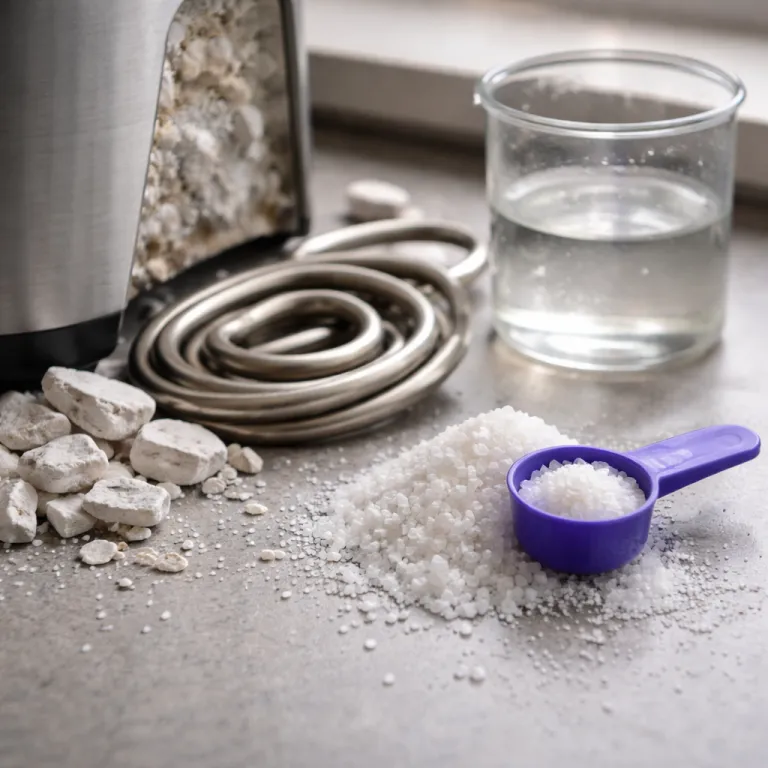
Hard water is simply water with a high concentration of dissolved minerals, mainly calcium and magnesium. Over time, repeated boil cycles cause these minerals to precipitate out and form limescale on the concealed element, base plate and limescale filter of your electric kettle. In the UK, many households live with hard or very hard water, which is why so many kettles fail early.
That chalky white crust on the stainless steel interior is not just cosmetic. Limescale acts as an insulating layer, so the element has to work harder to boil the same volume of water, which lengthens boil time and wastes energy. In extreme cases, flakes break off and collect around the pour spout or filter, so the first pour of tea can contain gritty particles and taste flat or metallic.
Without regular descaling, a fast boil kettle can become noticeably slower within three to six months in a hard water region. The minimum fill line becomes less accurate as scale builds up, because the effective capacity of the kettle shrinks slightly. People often respond by overfilling with water, which further increases energy use and puts more stress on the lid, handle and spout when pouring.
Design details make a huge difference to how easy a kettle is to keep clean. A wide lid opening and a removable washable limescale filter let you scrub the interior and rinse the filter mesh under the tap in seconds. Narrow lids, fixed filters and awkward matching handles that block access turn every descale into a wrestling match with a bottle brush.
Some of the best kettle designs for hard water hide their strengths behind very ordinary styling. Look for a solid stainless steel base around the concealed element, a sturdy hinge and a filter that slides out without bending. When you compare kettles on Amazon or at John Lewis, zoom in on product photos of the spout and interior rather than the glossy exterior finish.
Water level visibility also matters more than you might think in hard water areas. A clear window or internal markings help you respect the minimum fill requirement and avoid boiling more water than you need, which slows limescale build up over the years. For more detail on models that make this easy, see this guide to electric kettles with a clear water level window and compare how different brands handle capacity markings.
Variable temperature, smart features and when they are worth paying for
Variable temperature control has moved from niche coffee gear into mainstream UK kettles. On paper, a temperature kettle with multiple temperature settings sounds like the best electric kettle in the UK for every drinker. In practice, you should only pay for variable temperature if your daily routine genuinely needs it.
Black tea and most instant coffee are forgiving and brew well with a standard fast boil followed by a short rest. Green tea, white tea and many herbal blends taste noticeably better when brewed with water between 70 and 85 degrees, which is where a variable temperature kettle shines. Serious filter coffee drinkers often prefer 92 to 96 degrees, so they benefit from precise temperature control and a keep warm or hold feature that maintains that range.
Smart kettle features add another layer of complexity and cost. App control, scheduling and remote start can be convenient, but they also introduce more electronics that can fail in steamy, hard water environments. When you read reviews, pay close attention to how smart features cope after a couple of years of limescale and daily use.
Sage Smart models, such as the Sage Smart Kettle and Sage Smart Kettle Luxe, are often praised for their robust stainless steel build and thoughtful temperature presets. These kettles combine variable temperature buttons with a clear keep warm function, which is useful if several people want tea in quick succession. However, even a Sage Smart kettle still needs regular descaling and careful cleaning of the limescale filter to maintain performance in hard water.
Not every household needs a fully fledged smart kettle with app integration. If you mostly want quieter boiling, a comfortable handle and a precise pour spout, a simpler electric kettle with a single fast boil setting may be the best product for you. The money saved can go towards better coffee beans or loose leaf tea, which arguably improves taste more than any temperature settings ever will.
Design minimalism can also be a practical choice in hard water regions. Fewer seams, fewer plastic inserts and a straightforward stainless steel interior mean fewer places for limescale to hide and fewer parts to fail. If that appeals, look at this overview of top minimalist electric kettles and focus on models that balance clean lines with accessible filters and lids.
Brand by brand: what UK reviews reveal about hard water performance
Reading hundreds of reviews is the only way to cut through marketing claims about the best kettle for hard water. Patterns emerge quickly when you scan Amazon feedback, John Lewis customer comments and independent tests from Which? or Trusted Reviews. Certain brands handle limescale, lids and pour spouts better than others over several years of use.
Russell Hobbs kettles are a staple in UK kitchens, especially in the budget and mid range. Many Russell Hobbs models offer a fast boil element and a decent capacity, but their performance in hard water depends heavily on the quality of the limescale filter and hinge. Look for Russell Hobbs designs with a removable washable filter and a stainless steel interior rather than plastic lined walls.
John Lewis own brand kettles tend to prioritise understated styling and matching toaster sets. While a matching toaster and kettle combination looks tidy on the counter, you should still inspect the interior metalwork and filter design before buying. John Lewis often secures exclusive colours or finishes on popular models, but the underlying product may share strengths and weaknesses with other branded kettles.
Sage Smart kettles occupy the premium end of the market with strong emphasis on variable temperature and temperature control. Reviews frequently praise their solid stainless steel construction, clear temperature settings and reliable keep warm functions. In hard water areas, owners still report limescale build up, yet they also note that the wide lids and robust filters make cleaning less of a chore.
Some lesser known brands on Amazon advertise impressive specifications at very low prices. These kettles may claim a large capacity, fast boil performance and multiple temperature settings, but often cut corners on the quality of the filter, hinge and base. When warranty years are limited to a single year and spare parts are hard to source, the apparent bargain can become expensive once limescale and leaks appear.
Matching sets can be tempting, especially when a kettle and matching toaster share the same lewis inspired design language. However, the best electric kettle in the UK for hard water is rarely the one that simply matches your toaster. Prioritise a solid stainless steel interior, a removable washable limescale filter and a comfortable pour spout over any matching colour or finish.
Design details that actually matter in a hard water kitchen
When you handle kettles side by side, small design choices suddenly feel significant. The shape of the handle, the balance of the body and the angle of the pour spout all influence how safe and pleasant the kettle feels in daily use. In a hard water kitchen, those same details also affect how easy it is to clean and maintain the product.
A wide, flat base with a concealed element is essential for both safety and limescale management. Exposed elements collect scale faster and are harder to descale thoroughly, especially when the minimum fill line sits above part of the coil. A flat stainless steel base plate with clear internal markings lets you see where limescale is forming and scrub it away before it becomes a thick crust.
The lid mechanism deserves as much attention as the element. Hinged lids that open fully give you better access for cleaning and make it easier to fill the kettle without splashing water onto the handle or base. Detachable lids can be fine, but they are easier to misplace and more likely to crack or warp after repeated exposure to steam.
Filters are the unsung heroes of the best electric kettle in the UK for hard water. A good limescale filter sits snugly in the spout, catches flakes without throttling the flow and slides out easily for rinsing. Poor filters either clog quickly, which slows pouring, or fit loosely so scale bypasses them and ends up in your tea.
Minimum fill markings should be clear and honest. Some kettles set the minimum fill so high that you are forced to boil more water than you need for a single mug, which wastes energy and accelerates limescale build up. Others allow a low minimum fill, which is ideal if you often make one cup of tea and want to keep both bills and scale under control.
Exterior styling still matters, but it should come after function. A stainless steel shell is more durable than thin plastic, yet it can run hotter to the touch, so handle design and insulation become critical. If you care about aesthetics, you can still choose a model that pairs nicely with a matching toaster, but let the interior engineering and filter design lead your decision.
How to maintain your kettle so it stays the best for years
Even the best electric kettle in the UK will suffer in hard water if you never descale it. Regular maintenance is the difference between a kettle that feels sluggish after a year and one that still boils quickly after several years of service. A simple routine can keep your water tasting clean and your energy use in check.
Start by emptying the kettle fully after each use instead of letting water sit. Standing water encourages mineral deposits on the stainless steel walls, base and limescale filter, especially around the pour spout where droplets linger. Leaving water overnight also dulls the taste of tea and coffee, so you end up boiling stale water again the next morning.
Descale at least once a month in hard water regions, or more often if you see flakes. Use a dedicated kettle descaler or a food safe acid like citric acid, following the product instructions carefully and respecting the minimum fill line. After descaling, rinse thoroughly, remove the filter and run a full boil with fresh water to flush any residue from the filter mesh and spout.
Pay attention to how the kettle sounds and behaves over time. A fast boil that gradually becomes louder or takes noticeably longer is often a sign of limescale on the concealed element or base plate. If the keep warm or temperature control functions start to behave erratically, check for scale around the sensor area and clean it gently.
Warranty coverage can support you when design flaws appear early. Keep your receipt or order confirmation from Amazon, John Lewis or any other retailer, and note the warranty years offered for your specific model. If the lid hinge, handle or base connection fails within that period, contact the manufacturer rather than living with a compromised kettle that could become unsafe.
For those who care about both performance and ritual, material choice can also shape maintenance. Copper, for example, conducts heat efficiently and offers a distinctive aesthetic, but it still relies on a well designed interior and filter system to handle hard water. If you are curious about how materials influence both taste and longevity, this guide on why a copper electric kettle can elevate tea and coffee rituals offers useful context.
Choosing the right kettle for your household routine
Every household has a different rhythm, which is why there is no single best kettle for everyone. A family that boils water ten times a day for tea, instant coffee and cooking needs a different electric kettle from a couple who brew one careful pour over each morning. Matching the kettle to your routine is the final step in finding the best electric kettle in the UK for your home.
Heavy use households should prioritise durability, capacity and ease of cleaning. A robust stainless steel body, a comfortable handle and a wide lid opening will matter more than advanced temperature settings you rarely touch. In hard water areas, a removable washable limescale filter and a solid concealed element are non negotiable if you want the kettle to last several years.
Smaller households or people who mainly drink black tea can choose a simpler fast boil model. Look for honest capacity markings, a sensible minimum fill level and a spout that pours cleanly without dribbling. If you sometimes host guests, a 1.5 to 1.7 litre capacity strikes a good balance between everyday efficiency and occasional entertaining.
Coffee enthusiasts and green tea drinkers should lean towards a temperature kettle with reliable temperature control. Models like the Fellow Stagg EKG, Breville IQ and Cuisinart CPK 17, while not all UK specific, illustrate how precise variable temperature and a stable keep warm function can transform brewing consistency. The key is to ensure that these features sit on top of a solid hard water friendly design with a good filter and accessible interior.
If you care about a coordinated kitchen, you can still enjoy a matching toaster and kettle set without compromising on function. Focus first on the engineering details that matter in hard water, then shortlist models that also offer a finish you love. A kettle you love to use will be cleaned more often, which quietly extends its life and keeps your water tasting fresh.
In the end, the best electric kettle in the UK for hard water homes is defined less by wattage and more by how it handles the tenth kettle of limescale. Choose a design that respects your water, your routine and your patience for cleaning. Your tea, coffee and energy bills will all reflect that choice over the coming years.
Key figures on kettles, hard water and UK households
- Industry and water company summaries indicate that a majority of UK households receive hard or very hard water, which helps explain why limescale is such a common cause of kettle failure.
- Independent testing by consumer organisations, including Which? and similar review bodies, has reported that a heavily scaled kettle can take significantly longer to boil one litre of water than a clean kettle, increasing both waiting time and electricity use.
- Consumer surveys from UK review sites and retailers show that many households replace their kettles every two to three years, yet models with robust stainless steel interiors and removable filters often last noticeably longer with regular descaling.
- Energy calculations from government and energy supplier advice pages suggest that boiling only the water you need can save money on electricity bills for a typical household that uses the kettle multiple times a day.
- Comparative reviews from UK outlets such as Which?, Ideal Home and other testing sites regularly identify Best Buy kettles starting around twenty pounds, demonstrating that good hard water performance does not always require a premium budget.
FAQ
How often should I descale a kettle in a hard water area?
In a hard water region, descaling once a month is a sensible minimum. If you notice flakes, cloudy water or slower boiling, increase that to every two weeks. Regular descaling protects the concealed element, keeps boil times short and improves the taste of tea and coffee.
Is stainless steel always better than plastic for kettles?
Stainless steel is generally more durable and less likely to absorb odours than plastic. However, you still need to check that the interior, base and element guard are truly stainless, not just the outer shell. A well designed plastic kettle with a good filter can outperform a poorly engineered stainless model in hard water.
Do I really need variable temperature for everyday tea and coffee?
Most black tea and instant coffee drinkers can manage perfectly well with a standard fast boil kettle. Variable temperature becomes valuable if you brew green tea, delicate herbal blends or manual filter coffee that benefit from specific temperatures. If you rarely change your brewing method, a simpler kettle may be a better use of your budget.
What capacity kettle is best for a family?
For a family that makes several hot drinks at once, a 1.5 to 1.7 litre capacity usually works well. This size can handle four average mugs without forcing you to overfill beyond the safe maximum. If you mostly make one or two drinks at a time, a smaller kettle can reduce wasted water and energy.
How can I tell if a kettle will cope well with hard water?
Look for a concealed element, a wide lid opening and a removable washable limescale filter as starting points. Check reviews for comments about scale build up, filter access and how the kettle performs after a year or more in hard water areas. Longer warranty years and solid stainless steel interiors are also good signs of a kettle designed to handle challenging water conditions.