Why most “bpa free kettles” still put plastic in your hot water
When people search for a bpa free kettle, they usually want boiling water that never touches plastic. The industry’s reply is a wave of “BPA free” logos on every electric kettle box, yet most of these kettles still hide plastic parts in the lid, spout or base where hot water lingers. That gap between the promise of a plastic free water kettle and the reality of mixed materials is exactly where everyday tea and coffee drinkers need clearer, evidence based information.
BPA, or bisphenol A, is only one chemical in a family of bisphenols used to harden plastic and line food containers. When a product is sold as a bpa free electric kettle, manufacturers often replace BPA with cousins like BPS or BPF. Peer reviewed studies have reported that BPS and BPF can also show estrogenic activity and migrate from food contact plastics into liquids at elevated temperatures close to 100 °C. Regulatory bodies such as the European Food Safety Authority (EFSA) set specific migration limits for BPA in food contact materials, and the EU Framework Regulation (EC) No 1935/2004 requires that any material in contact with food must not transfer substances in amounts that could endanger health. However, a label that says “BPA free” on a tea kettle or on electric kettles in general tells you what is absent, not whether other bisphenols or additives in the plastic window, lid gasket or handle trim have been tested against comparable toxicological benchmarks.
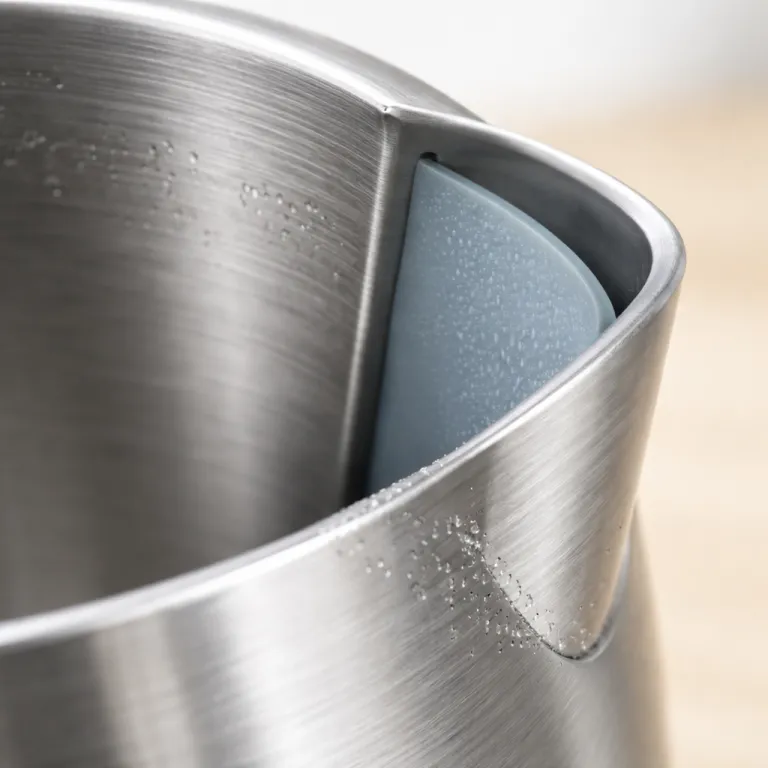
Look closely at many stainless steel kettles marketed as healthy options and you will still find a plastic water level gauge, a plastic shroud around the concealed element and a plastic ring at the base. These components sit in the path of hot water and steam, which means your supposedly plastic free bpa free kettle is not truly free of polymer contact when you pour tea or coffee. The same pattern appears in some glass electric tea kettles, where borosilicate glass walls are paired with a plastic lid underside that drips condensation back into your mug.
For a person boiling hot water several times a day, that design detail matters more than a marketing badge. Market research from European appliance associations has reported that electric kettles are commonly used around four to five times per day in many households, which means more than 1 500 boiling cycles per year for a single appliance. Each cycle of an electric kettle exposes the same plastic surfaces to near boiling temperatures, and over time micro scratches and limescale can increase the surface area where leaching occurs, especially if the plastic has not been tested under repeated use conditions using migration protocols such as the EN 1186 series for food contact materials or equivalent test methods.
Health focused buyers often assume that a higher price guarantees safer materials, yet premium branding can still hide plastic in the spout filter or lid hinge. A polished steel electric kettle might look like pure stainless steel from the outside, but the internal lid seal can still be made from plastic that touches steam and condensed water. Independent teardown photos of popular models frequently show a stainless inner wall combined with a plastic spout filter frame or plastic lid insert, illustrating how easily these details can be missed in glossy product shots.
When you read user reviews for kettles, pay attention to comments about taste and smell in the first weeks of use. Reports of “plastic taste” or “chemical smell” after several boil cycles are a red flag that the bpa free label did not eliminate all problematic materials in the water path. A genuinely plastic free electric kettle should not need dozens of flushes before tea and coffee taste clean and neutral, and independent tests that follow standardised sensory evaluation methods, such as triangle tests or controlled panel tastings, can be especially helpful in confirming this.
Stainless steel, glass or mixed materials: what really touches your tea
Among people who care about a bpa free kettle, stainless steel models are usually the first choice. Food grade 304 stainless steel is highly resistant to corrosion, does not impart flavours into hot water and withstands daily boil dry protection events better than cheaper alloys. When a manufacturer uses 304 stainless steel for the inner wall, spout and lid underside, the result is a water kettle that keeps tea and coffee tasting consistent for years.
The problem is that “stainless steel electric kettle” has become a marketing shorthand rather than a precise description of the water path. Many so called stainless steel kettles still include a plastic water window, a plastic filter frame at the spout and a plastic base ring around the concealed element where hot water pools. If you want a truly bpa free stainless steel interior, you need to confirm that the inner lid, spout and base are all metal, and that any seals are silicone rather than generic plastic.
Glass kettles, especially those made from borosilicate glass, appeal to buyers who like to see the rolling boil and check water levels visually. A borosilicate glass electric kettle can be an excellent bpa free option if the lid underside, spout and filter are also metal or silicone, because the glass itself is inert at boiling temperatures. However, many glass kettles on Amazon pair the transparent body with a plastic lid insert or plastic spout filter, which means your supposedly plastic free design still exposes hot water to polymers at every pour.
Retro style models such as the Smeg KLF03, often reviewed as a design led retro style kettle, show how aesthetics can distract from material questions. The outer shell may be colourful steel, but you still need to check whether the inner lid and spout filter are stainless steel or plastic, especially if you are chasing a bpa free kettle for daily tea. When you read a detailed test of a retro style kettle, look for explicit confirmation that hot water only touches stainless steel, glass or silicone, not just vague claims about a “premium finish”.
Mixed material kettles that combine stainless steel and plastic can still be reasonable choices if you understand where the plastic sits. For example, a cool touch handle or an external temperature control dial on an electric tea kettle does not affect water purity because it never meets steam or liquid. The risk comes from plastic parts inside the lid, around the element or in the path of hot water, where repeated heating and cooling cycles can accelerate wear and potential leaching.
When you compare prices, remember that a higher price often reflects features like temperature control, keep warm functions and automatic shut safety rather than better materials. A basic stainless steel electric kettle with a fully metal interior can be cheaper than a feature rich model that still uses plastic in the water path. For a household that mainly wants clean hot water for tea and coffee, prioritising a simple, well built stainless interior over extra electronics is often the smarter buying decision.
How to read specs, reviews and marketing claims without being misled
Choosing a bpa free kettle is less about chasing the newest product and more about learning to decode vague language on boxes and listings. When a manufacturer writes “stainless steel electric kettle” or “premium glass water kettle”, you should immediately ask which exact parts touch hot water and steam. That means looking beyond the hero photo and scanning the fine print for mentions of plastic, silicone and metal in the lid, spout and base.
On large marketplaces where many people shop Amazon for electric kettles, listings often repeat the same phrases about bpa free materials and boil dry protection. You will see claims about auto shut safety, cool touch handles and fast delivery, but far fewer details about whether the internal lid is stainless steel or plastic. Treat these omissions as signals and prioritise brands that publish clear diagrams of the water path, including the spout filter and element housing.
Some models, such as the Cosori GK172 C, explicitly state that there is zero plastic contact with water, and that is the level of detail you should expect. When a brand is willing to specify that only stainless steel, borosilicate glass and silicone touch hot water, and to reference compliance with food contact regulations such as EU Framework Regulation (EC) No 1935/2004 or FDA 21 CFR standards, it shows a higher level of material transparency than a generic “BPA free” badge. In contrast, if a tea kettle description only mentions a stainless steel exterior and says nothing about the interior lid or spout, assume that plastic is present until proven otherwise.
Independent tests of specific kettles, such as a detailed review of a Dualit Lite Dome kettle with a polished stainless body, can help you see where marketing and reality diverge. A good test will mention whether the spout filter is metal, how the automatic shut mechanism behaves during a shut boil event and whether any plastic sits inside the lid. Teardown photos that show the underside of the lid, the element housing and the spout filter frame are especially useful, because they make it clear which components actually meet hot water and steam.
When you read user reviews, filter for people who mention taste, smell and long term use rather than only commenting on delivery speed or colour. Reports of plastic odour after several weeks, or of scale flakes collecting around a plastic base ring, suggest that the bpa free promise is not matched by a truly plastic free interior. Conversely, consistent comments about neutral taste and easy descaling in stainless steel interiors are strong indicators that hot water only meets metal and perhaps silicone seals.
Safety features like boil dry protection, auto shut and automatic shut after a certain time are important, but they do not guarantee material quality. A kettle can have excellent dry protection and still rely on plastic parts in the water path, which matters if you boil water many times a day for tea and coffee. When you weigh the price of a kettle, consider whether you are paying for real improvements in materials and design, or just for extra lights, buttons and a more aggressive marketing story.
Practical buying checklist for a genuinely safer electric kettle
For a household that boils an electric kettle five to ten times daily, a clear checklist is more useful than another glossy advert. Start by deciding whether you want a stainless steel interior, a borosilicate glass body or a combination, and then verify that all internal surfaces touching hot water are either metal, glass or silicone. If any part of the lid underside, spout or base is plastic, the kettle is not truly plastic free, even if it is sold as a bpa free product.
Next, match features to your actual routine rather than to marketing hype. If you mainly make black tea and instant coffee, a simple stainless steel electric kettle with a single temperature and reliable auto shut will serve you better than a complex electric tea maker with advanced temperature control presets. People who brew green tea or delicate coffee may benefit from variable temperature control, but only if the water path is still free from plastic contact.
Look closely at the handle, lid mechanism and base to understand how the kettle will age. A cool touch handle and a firm lid hinge make daily use safer, while a robust 360 degree base with clear contacts supports consistent automatic shut behaviour during every shut boil cycle. Check whether the manufacturer explains how to descale the interior, because limescale build up around the spout and base can hide cracks in plastic parts and make any existing material weaknesses worse.
When you compare prices, remember that a higher price does not always buy better health protection. Some mid range stainless steel kettles with fully metal interiors and simple controls offer better long term value than premium models that still use plastic in the lid or spout. Focus on the parts you cannot easily replace, such as the inner wall and lid underside, rather than on accessories like removable tea baskets or illuminated bases.
Finally, treat your kettle as a piece of food contact equipment, not just another appliance. Regular descaling, careful cleaning of the spout and avoiding repeated boil dry events will extend the life of both stainless steel and glass interiors, while also keeping tea and coffee tasting clean. The safest bpa free kettle is not only the one with the right materials on day one, but the one you maintain well enough that those materials keep performing after thousands of boils.
Key figures on kettles, materials and usage
- In many European households, electric kettles are used an average of four to five times per day, which means more than 1 500 boiling cycles per year for a single appliance.
- Food grade 304 stainless steel is widely used in kettles because its chromium and nickel content improves corrosion resistance compared with lower grades, helping the metal withstand repeated exposure to boiling water and limescale.
- Borosilicate glass used in glass kettles has a lower coefficient of thermal expansion than ordinary glass, which reduces the risk of cracking when exposed to rapid temperature changes during boiling and cooling.
- Boil dry protection and auto shut features are now standard on most modern electric kettles sold in major markets, significantly reducing the risk of overheating when the kettle is switched on without enough water.
- Regular descaling of stainless steel and glass kettles, typically every four to eight weeks in hard water areas, helps maintain heating efficiency and prevents limescale from masking early signs of wear or damage.