Temperature control vs standard kettles for everyday use
When comparing temperature control models with standard kettles, start with your daily habits. If you mostly make black tea or just need a quick boil for pasta, a simple electric kettle that only reaches a rolling boil may feel sufficient. However, once you read how different temperature levels change extraction, many people realise that electric kettles with presets suit their routines far better.
Standard kettles, including many budget electric kettles on Amazon, usually have a single switch and no keep warm function. They heat water to 100 degrees Celsius, then cool down, which means you must reboil every time you want more tea or coffee and that repeated boiling can slightly flatten flavours over time. A temperature control kettle with a keep warm feature holds water at a stable temperature, so you can refill a tea infuser or pour coffee again without waiting for another full boil.
Handle comfort and build quality also separate the best electric kettles with temperature presets from cheaper models. A well balanced handle on a stainless steel kettle with clear markings for each set temperature makes it easy to use even when full. If you are also considering a larger hot pot or countertop boiler, guides on how to choose the right electric pot for hot pot at home can help you think about capacity and keep warm performance in a similar way to an advanced tea kettle.
How temperature presets improve tea, coffee, and cooking
Different drinks need different water temperatures, which is why presets matter so much. Green tea usually tastes best between 70 and 80 degrees Celsius, while oolong tea prefers around 85 to 90 degrees Celsius, and black tea or herbal blends handle a full boiling point very well. When an electric kettle lets you set temperature precisely, you avoid the guesswork of waiting for water to cool in the kettle with the lid open.
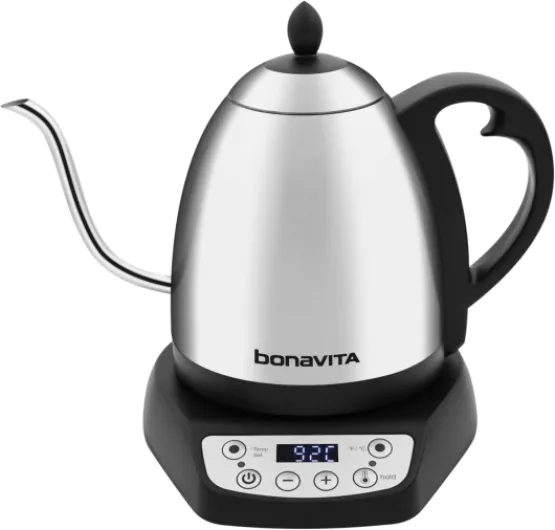
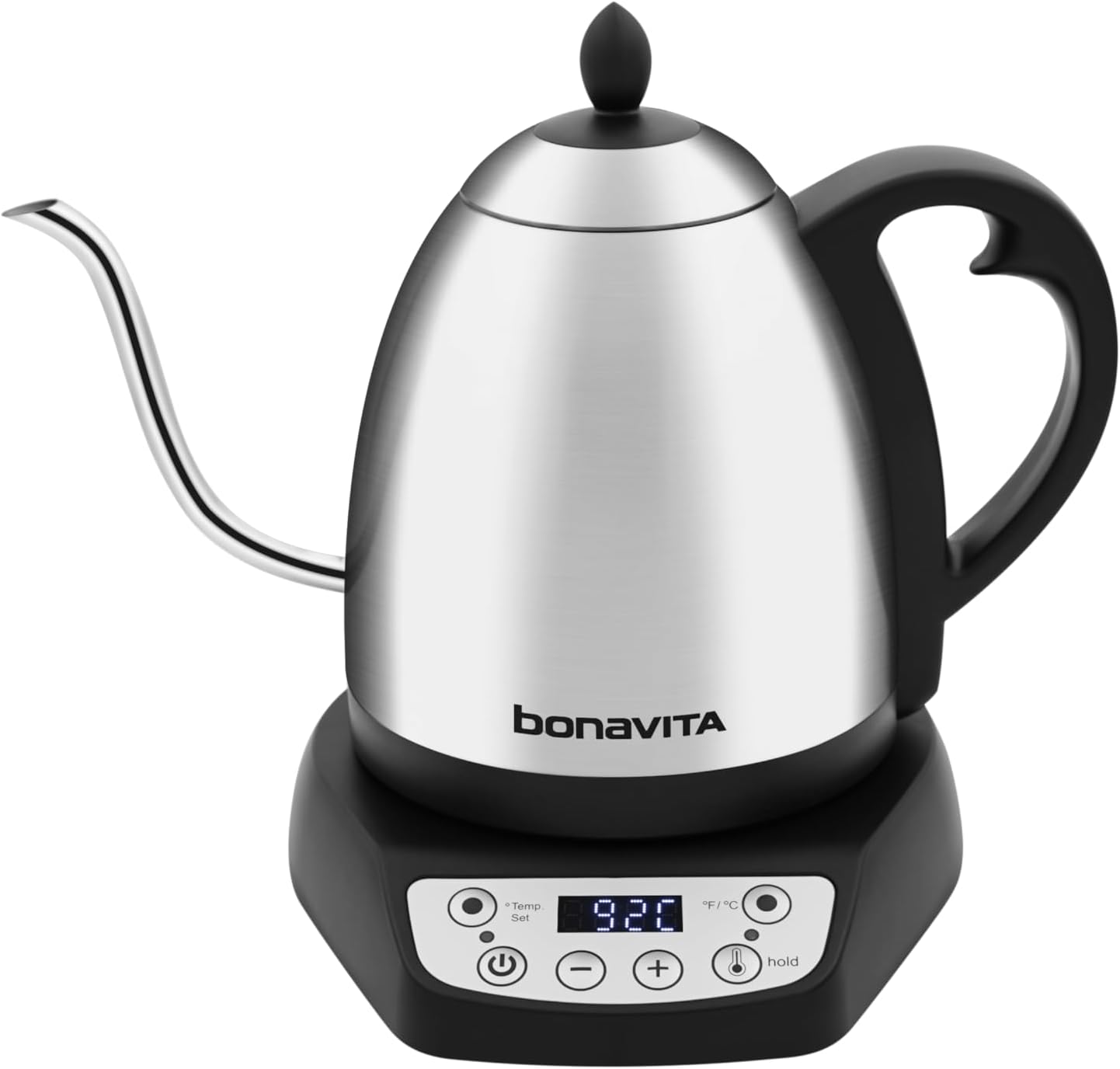
For coffee lovers, a gooseneck kettle with variable temperature control is especially useful. Many pour over coffee methods such as V60 or Chemex work best with water between 92 and 96 degrees Celsius, and gooseneck kettles give you a narrow spout for slow, even pouring. A stainless steel electric gooseneck kettle that holds its set temperature for a long time helps you maintain a steady flow rate and extraction, which leads to more consistent cups.
Temperature presets also help with cooking tasks beyond tea and electric tea drinks. You can use a precise electric kettle to warm water for yeast dough, prepare baby formula at a safe temperature, or speed up pasta water without waiting for a full stovetop boil. For a broader view of how a hot water boiler transforms everyday tea, coffee, and cooking, specialist analyses of how a hot water boiler transforms everyday tea, coffee, and cooking show how much time and energy controlled boiling can save in a busy kitchen.
Key features that define the best electric kettles with temperature presets
Several design details separate average kettles from the best electric kettles with temperature presets. First, look at the temperature control interface and how clearly you can read each setting on the base or handle. A kettle with large, backlit buttons and a legible display makes it easy to set temperature quickly, even when you are half awake and just want tea.
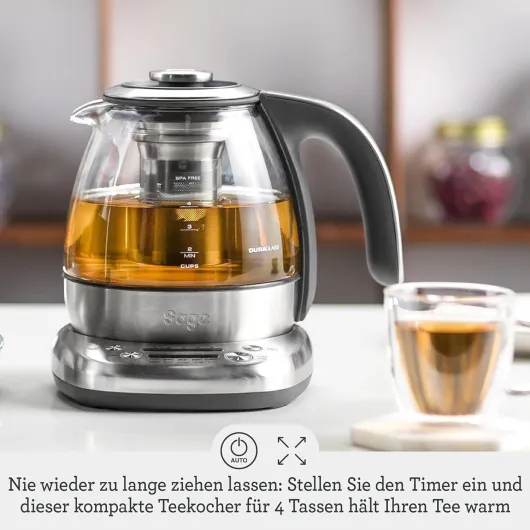
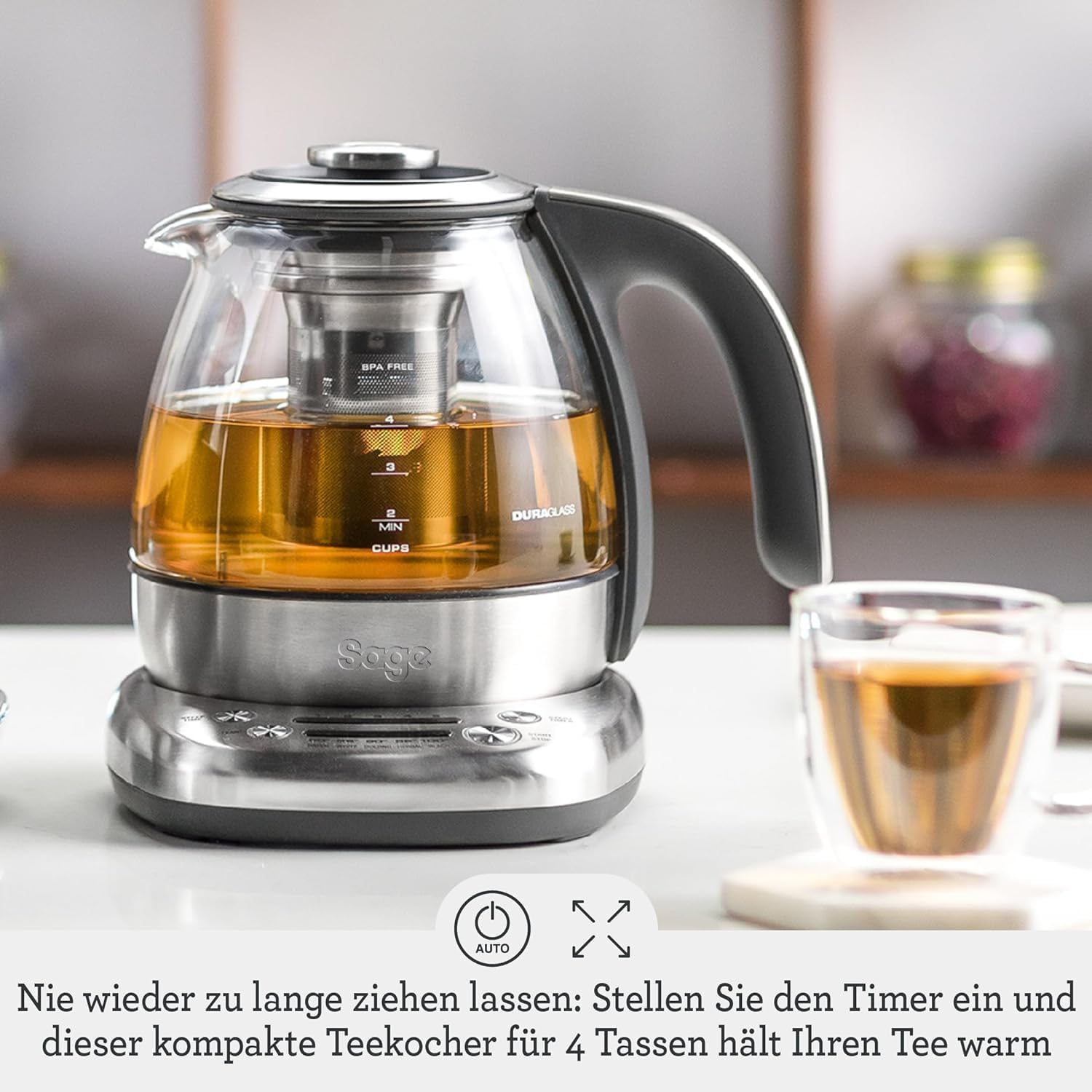
Material quality matters as much as electronics in any electric kettle. Many buyers prefer stainless steel bodies because they resist stains, feel solid in the hand, and do not retain flavours when you boil water repeatedly over time. Glass kettles can look elegant and let you watch the water heat, but they may feel hotter on the handle and sometimes lack the robust keep warm function found in premium stainless steel electric kettles.
Capacity and footprint also deserve attention when you compare price and performance. A compact 0.8 litre gooseneck kettle suits single users who mainly pour coffee, while a 1.7 litre tea kettle with a wide handle works better for families who drink tea all day. If you are unsure how much water you really need, guidance on getting kettle capacity right to save energy and time explains why matching volume to your habits prevents unnecessary boiling and keeps electricity bills under control.
Real world examples: Cuisinart CPK, Hamilton Beach, and gooseneck kettles
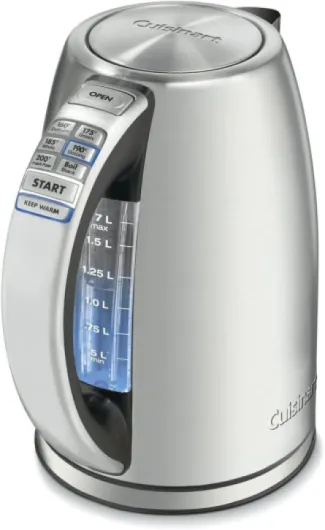
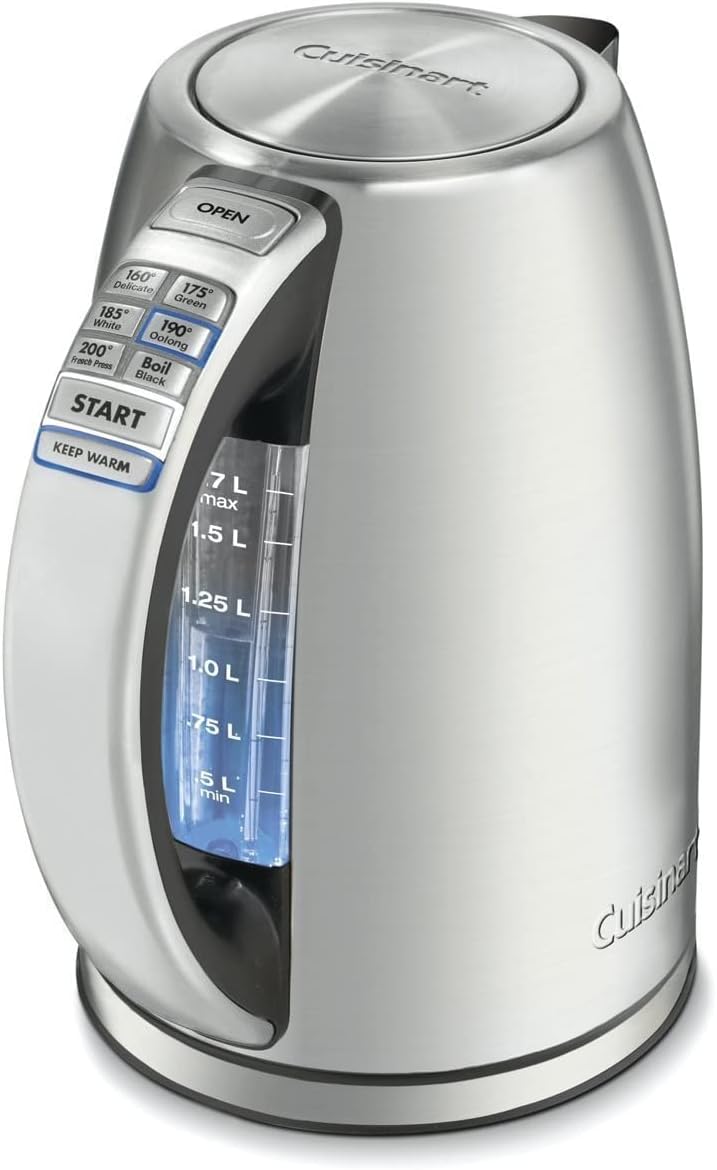
Several well known models illustrate how temperature presets work in practice. The Cuisinart CPK series of electric kettles, for example, typically offers multiple one touch settings for different tea types, along with a keep warm function that maintains the chosen temperature for a generous time. Representative models in this line use heating elements around 1500 watts, capacities close to 1.7 litres, and digital sensors that aim to keep readings within a few degrees of the target, so the kettle boils water quickly yet still allows gentle temperature control for green tea and electric tea infusions.
Hamilton Beach produces a range of electric kettles that balance price and performance for budget conscious buyers. While some Hamilton Beach models focus on fast boiling with simple 1500 watt elements and basic on or off switches, others add variable temperature presets and a keep warm function, which makes them more competitive with premium kettles that offer finer control. Typical capacities run from about 1.0 to 1.7 litres, and product descriptions often quote temperature steps of 5 degrees Celsius, so when you read product pages on Amazon, pay close attention to whether the kettle with presets truly holds temperature accurately or simply stops just before a full boil.
Gooseneck kettles form a separate category aimed at pour over coffee enthusiasts and precise tea brewing. A stainless steel gooseneck kettle with a slim spout and comfortable handle lets you direct the flow exactly where you want, which is vital for manual brewing methods. High quality electric gooseneck kettles commonly pair 800 to 1200 watt elements with capacities around 0.8 to 1.0 litres and claim sensor accuracy of roughly plus or minus 1 to 3 degrees Celsius, combining this control with accurate set temperature options so you can move from delicate tea to robust coffee without guessing how hot the water really is.
How to choose the right model and avoid common mistakes
Choosing among the best electric kettles with temperature presets starts with a clear budget. Entry level electric kettles with basic temperature control often cost only slightly more than standard kettles, while premium stainless steel models with advanced keep warm functions and multiple presets command a higher price. Decide how often you will use each feature, then match the kettle with your real habits rather than paying for functions you rarely touch.
Pay attention to ergonomics, because a kettle that feels awkward in the hand will not age well. The handle should stay cool, balance the weight of the water, and allow you to pour coffee or tea without strain, even when the kettle is full. Check that the lid opens wide enough for easy cleaning, since limescale from repeated boiling cycles can build up over time and affect both taste and performance.
Finally, consider reliability and after sales support when comparing electric kettles online. Read user reviews carefully, looking for repeated comments about inaccurate temperature readings, weak keep warm performance, or plastic odours when the kettle boils water. A well built tea kettle or electric kettle with solid temperature control should last for years, maintain heat reliably, and make every cup of tea or coffee feel effortless rather than like a daily compromise.
Key figures on electric kettles and temperature control
- In many European households, electric kettles are used several times per day, and monitoring by national energy agencies has suggested that matching kettle capacity to actual use can cut electricity consumption for boiling water by roughly 10 to 20 percent compared with routinely filling to the maximum line. These indicative figures come from home trials where participants logged kettle volumes and energy use rather than from a single, universally cited study.
- Tests by consumer organisations and appliance reviewers commonly report that variable temperature kettles can reach a preset such as 80 degrees Celsius noticeably faster than bringing water to a full boil and then letting it cool, depending on starting temperature and model. Reviewers typically compare timed boils with identical water volumes and record both time and wattage draw, but exact percentages vary between brands and test protocols.
- Market analyses of small kitchen appliances from industry research firms indicate that electric kettles with temperature control now represent a substantial share of premium kettle sales, reflecting growing interest in specialty tea and pour over coffee that require precise water temperatures. These reports usually group kettles by price band and feature set to track adoption, so numbers can differ between regions and research providers.
- Independent testing by product review labs has shown that keep warm functions on high quality stainless steel electric kettles can often maintain water within a narrow band of a few degrees Celsius for up to about 30 minutes, which is sufficient for most home tea and coffee routines. Testers measure this by logging temperature at regular intervals with calibrated probes, but performance still depends on room temperature, lid design, and how often the kettle is opened.