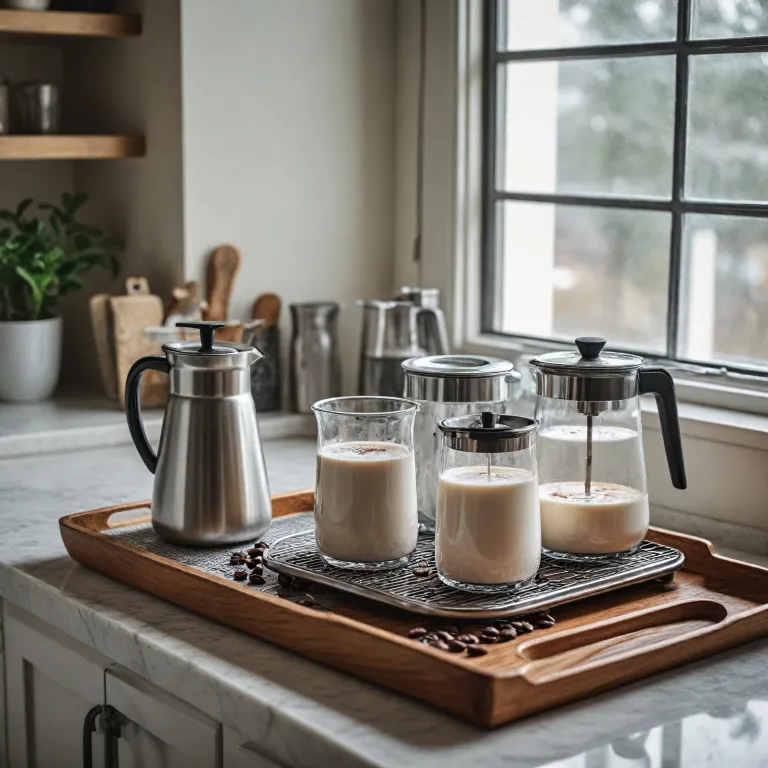
Understanding what makes the best milk frother for home use
The search for the best milk frother often begins with frustration over flat cappuccinos. A well designed frother transforms simple milk into stable foam, and it does so with the right balance of power, temperature and control. When you compare different milk frothers, you quickly see how design, capacity and foam settings shape everyday coffee rituals.
Any serious coffee drinker should first think about the type of milk and frother they prefer. Some people enjoy a compact handheld milk frother with a slim whisk for quick hot foam, while others want a countertop milk cafe style appliance with larger capacity for family breakfasts. The best milk frothers handle both hot milk and cold foam, giving you flexibility for lattes, iced coffee and even hot chocolate.
Electric models with temperature control offer a clear advantage over basic handheld frothers. By heating milk to an ideal temperature between about 60 and 65 °C, they protect sweetness while avoiding scalding, which is essential for latte art and consistent foam. Manual and handheld frother designs still have a place, especially when you want a lightweight whisk that is easy to store in a small kitchen drawer.
Brand reputation also matters when evaluating what truly is the best milk frother. Well known names such as Breville, Nespresso Aeroccino, Smeg mini and Zulay Kitchen have been tested and reviewed by thousands of users across different coffee styles. Reading how each frother performs with oat milk, dairy milk and other alternatives helps you judge whether the price reflects real world performance.
Comparing electric, handheld and automatic milk frothers
Choosing the best milk frother means understanding how each category behaves in daily use. Electric jug style milk frothers with integrated temperature control are ideal for people who want consistent hot milk and hot foam with minimal effort. Handheld frothers, by contrast, rely on a small whisk and your own technique, but they are affordable, portable and easy to store beside other kitchen tools.
Automatic frothers such as the Nespresso Aeroccino or Breville milk cafe units usually offer several foam settings. These foam settings adjust speed and duration to create either dense hot foam for cappuccino or silkier microfoam for latte art, and some models even support hot cold cycles for iced drinks. Many of these automatic milk frothers are dishwasher safe, which reduces cleaning time and encourages more frequent use.
Handheld milk frother designs from brands like Zulay and Zulay Kitchen excel when you want quick results without a large appliance. A simple handheld frother can whip both hot and cold milk directly in your mug, and some include interchangeable whisk attachments for different textures. However, they do not heat milk, so you must manage temperature separately, often with an electric kettle or stovetop pan.
Capacity is another key factor when comparing frothers and frother sale offers online. Larger jug style units, including some Breville milk frothers, can prepare enough hot milk for several coffees at once, which suits families or frequent hosts. If you already use a high volume kettle such as those highlighted in guides to top 1.7 liter electric kettles, matching frother capacity to kettle output keeps your workflow efficient.
How milk type, temperature and foam texture influence coffee quality
The best milk frother does more than spin liquid ; it shapes flavour, mouthfeel and visual appeal. Milk proteins and fats respond differently to temperature, so precise temperature control is essential for consistent foam. When milk is heated too high, it tastes flat and loses sweetness, while milk that is too cold will not create stable hot foam or cold foam.
Dairy milk, especially whole milk, usually produces the best foam for latte art. However, many people now prefer oat milk for environmental or dietary reasons, and modern milk frothers are increasingly tested with these alternatives. Some Breville milk and Nespresso Aeroccino models handle oat milk particularly well, creating foam that holds its shape long enough for careful pouring.
When you evaluate milk frothers, pay attention to how they perform with both hot and cold drinks. A versatile milk frother should create silky hot milk for flat whites and also produce light cold foam for iced coffee or cold brew. Frothers with multiple foam settings and whisk attachments give you more control over bubble size, which directly affects how coffee tastes on the palate.
Kitchen workflow also matters, especially if you already rely on an electric kettle or steamer. Coordinating your kettle, frother and any additional appliances such as the best kitchen steamers can streamline breakfast routines, and resources like this guide on how to choose the best kitchen steamers for your home show how to think about multi appliance setups. By aligning kettle temperature, frother capacity and coffee brew time, you can serve drinks at the perfect temperature without rushing.
Design, materials and safety features that define a serious milk frother
Behind every best milk frother label lies a set of design decisions that affect safety, durability and taste. The interior material, whether stainless steel or non stick coating, influences both cleaning and how milk flavours develop over time. Many serious coffee enthusiasts prefer stainless steel interiors, especially when they already use stainless steel electric kettles with minimal plastic contact.
For readers attentive to materials, it is worth exploring guidance on choosing an electric kettle with no plastic, because similar principles apply to milk frothers. A well built milk frother should have a solid base, secure lid and insulated walls to keep hot milk stable and reduce burn risks. Automatic shut off, overheat protection and clear maximum fill lines are essential safety features, particularly when frothers reach high temperature quickly.
Brands like Breville, Smeg mini and Zulay Kitchen often highlight dishwasher safe components, which is important for hygiene. Removable whisk attachments and lids that can be rinsed or placed on the top rack prevent milk residue from building up, and this protects both flavour and foam quality. Handheld frothers usually are not fully waterproof, so only the whisk end should be cleaned under running water.
Ergonomics also influence how often you use a milk frother in a busy kitchen. A comfortable handle, intuitive buttons and clearly marked foam settings make it easier to switch between hot foam and cold foam without checking the manual every time. When a frother feels natural to hold and operate, it becomes part of a daily coffee ritual rather than another gadget gathering dust.
Evaluating performance, testing methods and real world reviews
To judge the best milk frother fairly, you need more than marketing claims. Independent tested comparisons that measure foam volume, stability and temperature accuracy provide a clearer picture of performance. Reviewers often prepare multiple coffees in succession, using both dairy milk and oat milk, to see whether the frother maintains consistent results.
When a frother is carefully tested, several metrics stand out as especially important. Time to reach serving temperature, noise level, foam density and how long hot foam remains stable all influence user satisfaction. Capacity also matters, because a frother that can only handle one small drink at a time may frustrate households that regularly prepare several coffees.
Online platforms such as Amazon host thousands of reviewed products, including many milk frothers from Breville, Zulay, Smeg mini and other brands. Reading both positive and critical reviewed comments helps you understand whether issues relate to design, misuse or unrealistic expectations. Pay attention to repeated notes about temperature control, whisk durability and whether the stated capacity matches real world use.
Price should always be weighed against performance, especially when frother sale promotions appear attractive. A slightly higher price for a robust, dishwasher safe milk frother with reliable temperature control can offer better long term value than a cheaper handheld frother that fails quickly. Serious coffee drinkers often keep a shortlist of best milk candidates, then choose the model whose tested results and user feedback align with their priorities.
Matching a milk frother to your coffee style and kitchen routine
The best milk frother for one person may be unsuitable for another, because coffee habits differ widely. Espresso lovers who practice latte art need precise microfoam and stable temperature, while casual drinkers may simply want quick hot milk for morning coffee. Understanding your own routine helps narrow the field from dozens of milk frothers to a few realistic options.
If you mainly drink cappuccinos or flat whites, prioritise frothers with multiple foam settings and strong whisk attachments. Models like the Breville milk cafe or certain Nespresso Aeroccino units can create both dense hot foam and smoother textures for latte art, which suits people who alternate between drink styles. Those who prefer iced coffee or cold brew should ensure their chosen milk frother can produce cold foam as well as hot milk.
Kitchen space and existing appliances also shape the decision. A compact handheld milk frother may be ideal in a small apartment, especially when paired with a reliable electric kettle for heating water and milk separately. Larger kitchens can accommodate jug style frothers with greater capacity, which integrate neatly beside coffee machines and other countertop equipment.
Maintenance requirements should not be overlooked when comparing best milk options. Dishwasher safe parts, simple rinsing routines and accessible crevices reduce the time spent cleaning and encourage consistent use. When a frother fits your coffee preferences, kitchen layout and tolerance for maintenance, it becomes a serious long term partner rather than an impulse purchase.
Balancing budget, value and long term reliability
Price is often the final filter when choosing the best milk frother, but it should not be the only one. A very low price may indicate weaker motors, fragile whisk attachments or limited temperature control, which can compromise both hot milk and foam quality. Higher priced frothers from brands like Breville, Nespresso Aeroccino, Smeg mini or Zulay Kitchen usually invest more in materials, safety features and tested performance.
When comparing prices, consider how often you prepare coffee and what you currently spend at cafés. A reliable milk frother that produces café level hot foam and cold foam can quickly offset its cost if it replaces several takeaway drinks each week. Look for frother sale events on platforms such as Amazon, but always read reviewed feedback carefully before committing.
Long term reliability depends on build quality, motor strength and how well the frother handles repeated heating cycles. Models with robust stainless steel bodies, secure lids and clearly marked capacity lines tend to last longer under daily use. Dishwasher safe components and easily replaceable whisk attachments also extend lifespan, because they make it easier to keep the frother clean and functioning.
Ultimately, the best milk frother is the one that aligns budget, performance and durability without compromising safety. By weighing factors such as temperature accuracy, foam consistency, capacity and user reviews, you can select a milk frother or several milk frothers that genuinely enhance your home coffee experience. This thoughtful approach respects both your wallet and your desire for serious, barista level drinks in your own kitchen.
Key statistics about milk frothers and home coffee habits
- Global sales of electric and handheld milk frothers have grown steadily as more people prepare café style coffee at home.
- Consumer surveys show that temperature control and dishwasher safe parts rank among the top requested features in modern milk frothers.
- Usage data indicates that many households use their milk frother multiple times per day when it is stored conveniently on the kitchen counter.
- Market analyses highlight that premium brands such as Breville and Nespresso capture a significant share of the automatic frother segment.
Common questions about choosing the best milk frother
How important is temperature control in a milk frother ?
Temperature control is crucial because it protects milk sweetness and foam stability. A good frother heats milk to a range that is hot enough for comfort but not so high that it scorches proteins. This balance is especially important for latte art, where texture and taste must both be precise.
Can one milk frother handle both dairy milk and plant based options ?
Many modern milk frothers are designed to work with dairy milk and alternatives such as oat milk. Performance can vary, so it is wise to check whether the manufacturer has tested specific liquids. Models with adjustable foam settings usually adapt better to different protein and fat structures.
Is a handheld milk frother enough for serious coffee drinkers ?
A handheld milk frother can be sufficient if you already have a way to heat milk and you value portability. However, serious coffee enthusiasts often prefer electric jug style frothers with integrated heating and temperature control. These units provide more consistent foam and free you from managing separate pans or kettles.
What capacity should I choose for my household ?
Capacity depends on how many coffees you prepare at once and how much foam you prefer. Single users may be satisfied with compact frothers, while families or frequent hosts benefit from larger jugs. Always remember that maximum capacity for frothing is lower than for simple heating, because milk expands as it foams.
Are more expensive brands like Breville and Nespresso worth the price ?
Premium brands often justify their higher price with better materials, stronger motors and more reliable temperature control. They also tend to offer clearer instructions, longer warranties and better tested performance with different milks. For people who make coffee daily, this reliability can provide better long term value than cheaper, less durable alternatives.