Key features that define the best gooseneck electric kettles
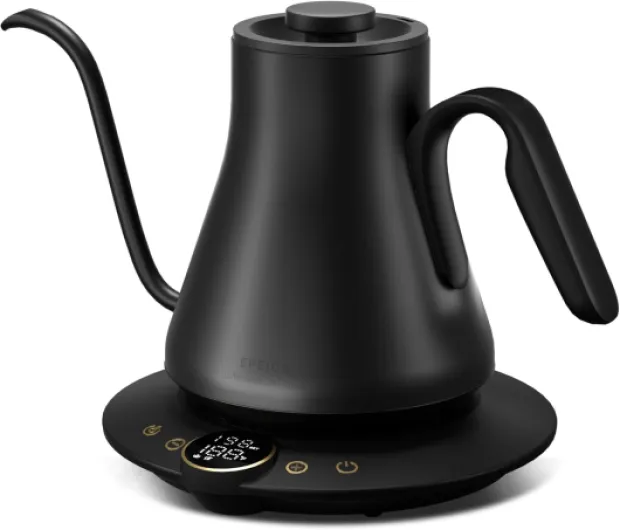
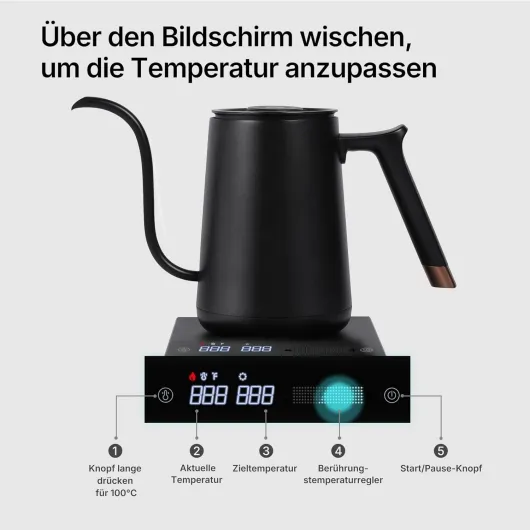
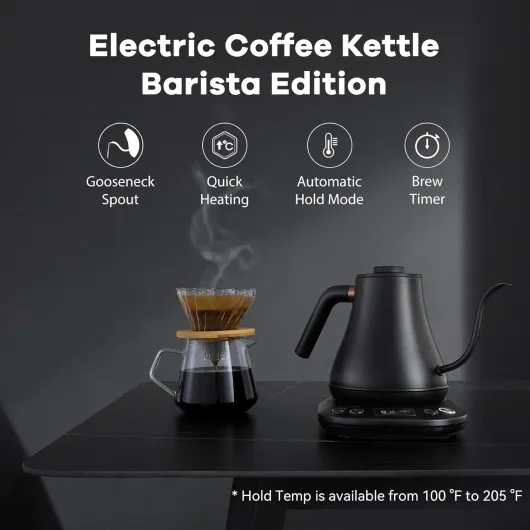
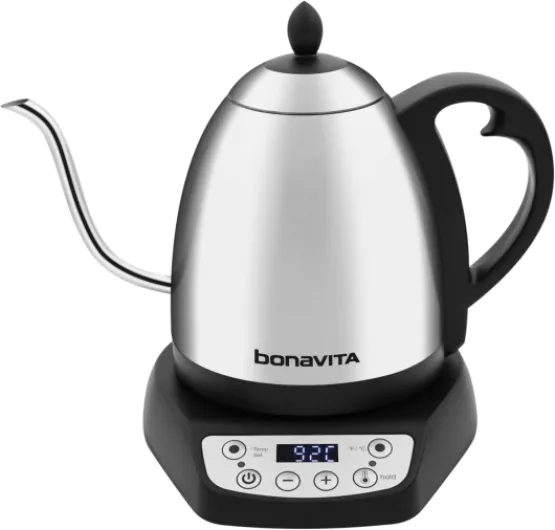
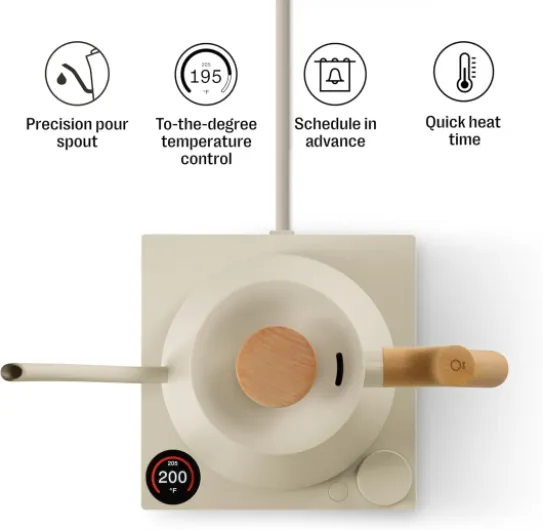
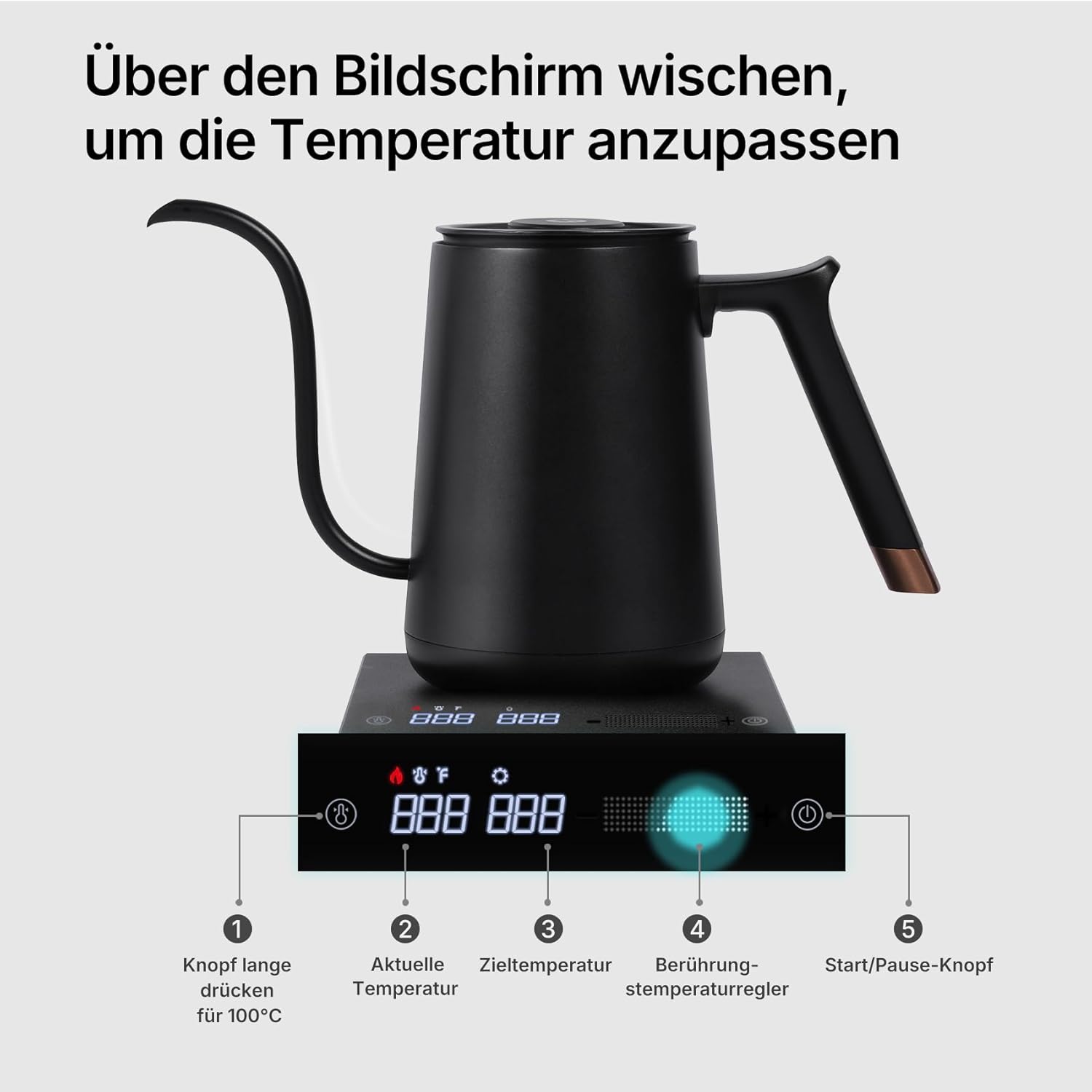
Several core features separate the best gooseneck electric kettles from basic electric kettles. First, temperature control is non negotiable for serious brewing, because coffee and tea each extract best within narrow temperature windows that affect flavor clarity and sweetness. A premium electric kettle with variable temperature control lets you set water anywhere from roughly 57 to 100 degrees Celsius, often in single degree increments, then hold that temperature with a keep warm mode.
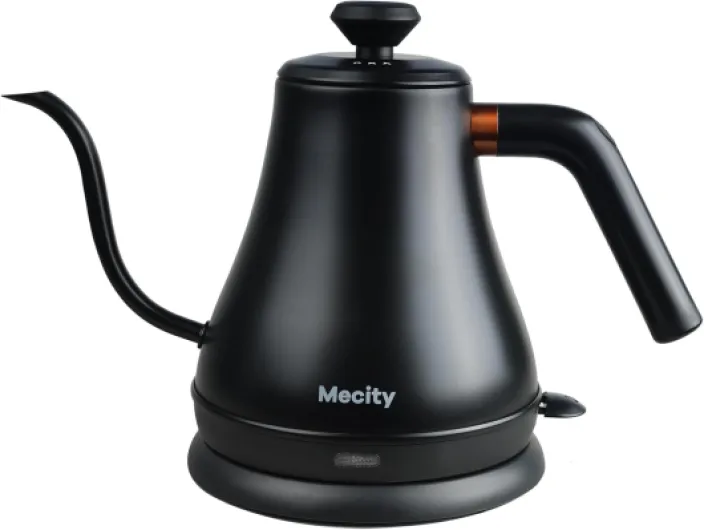
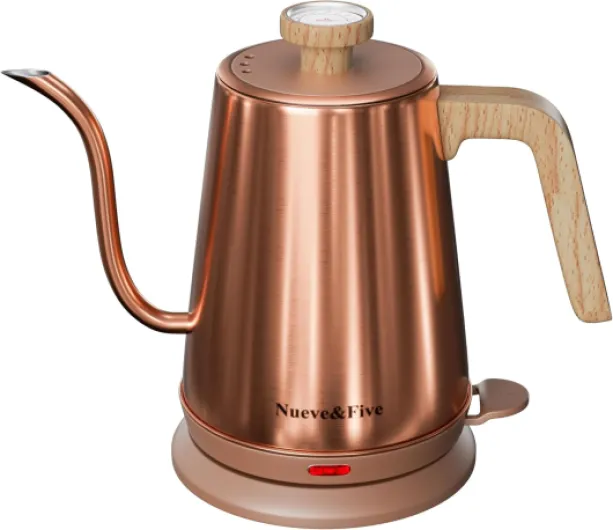
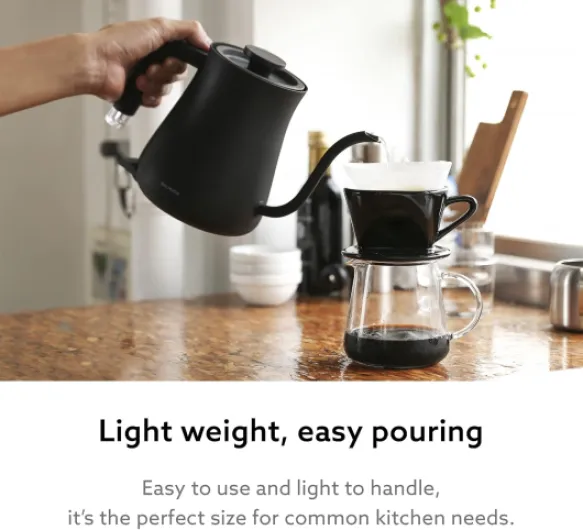
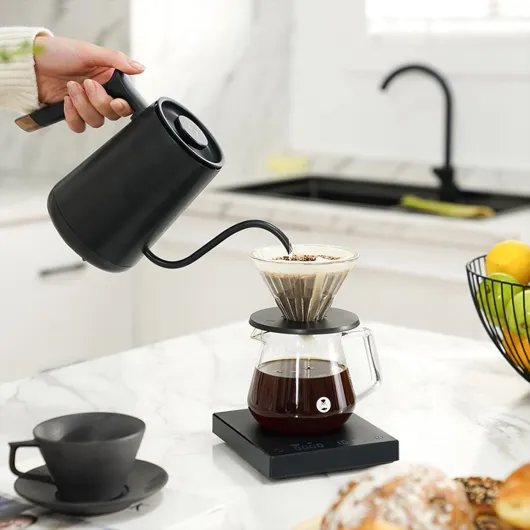
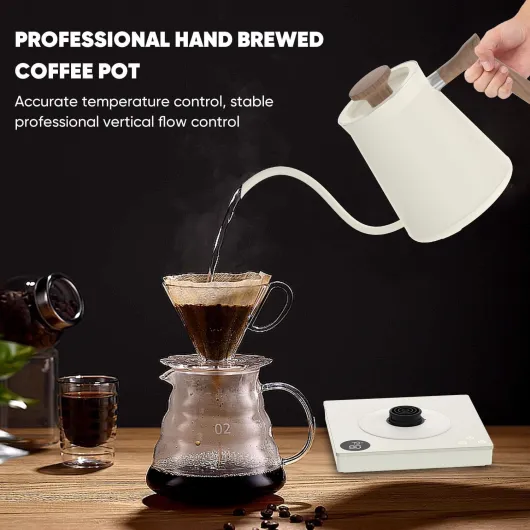
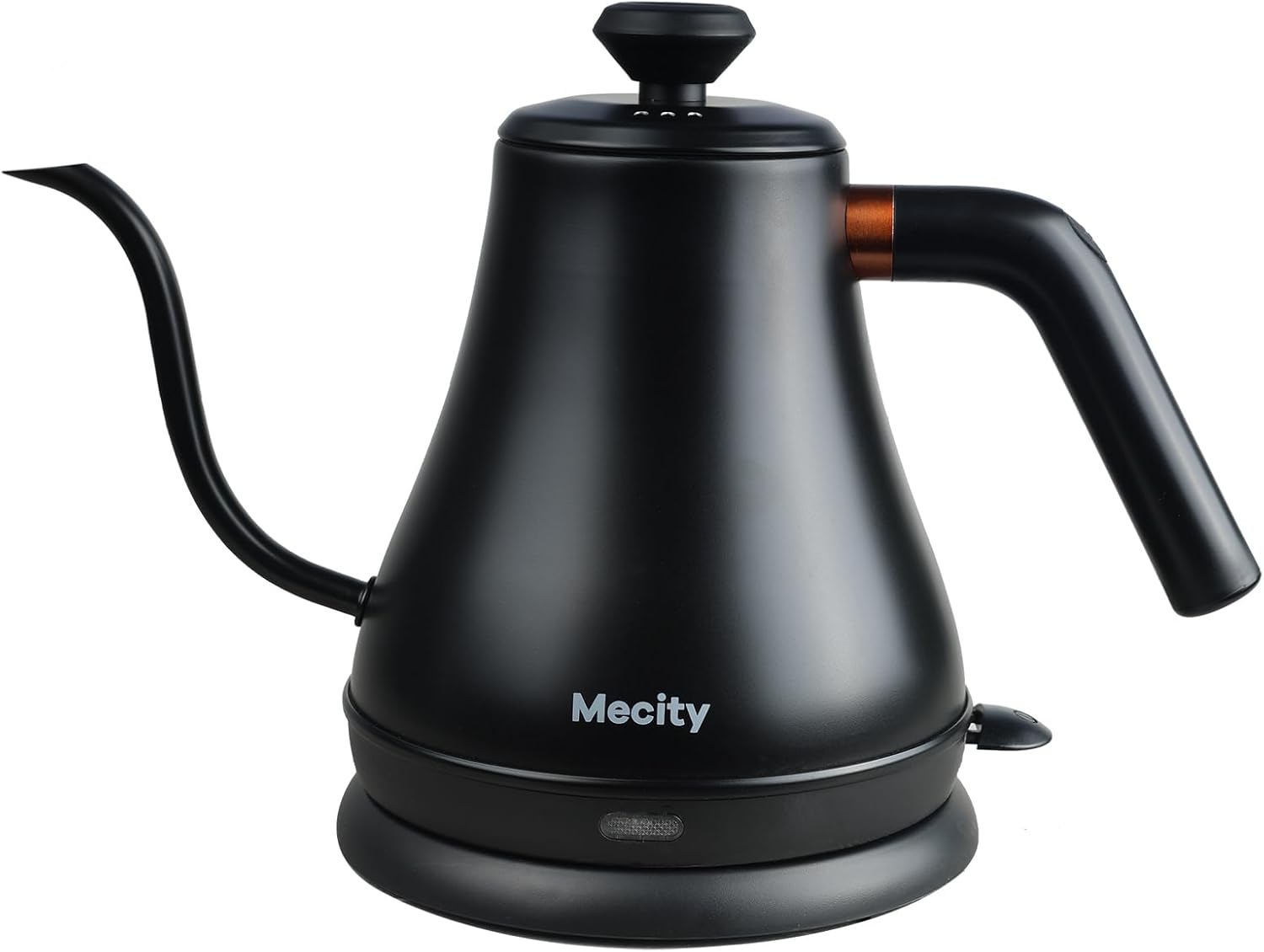
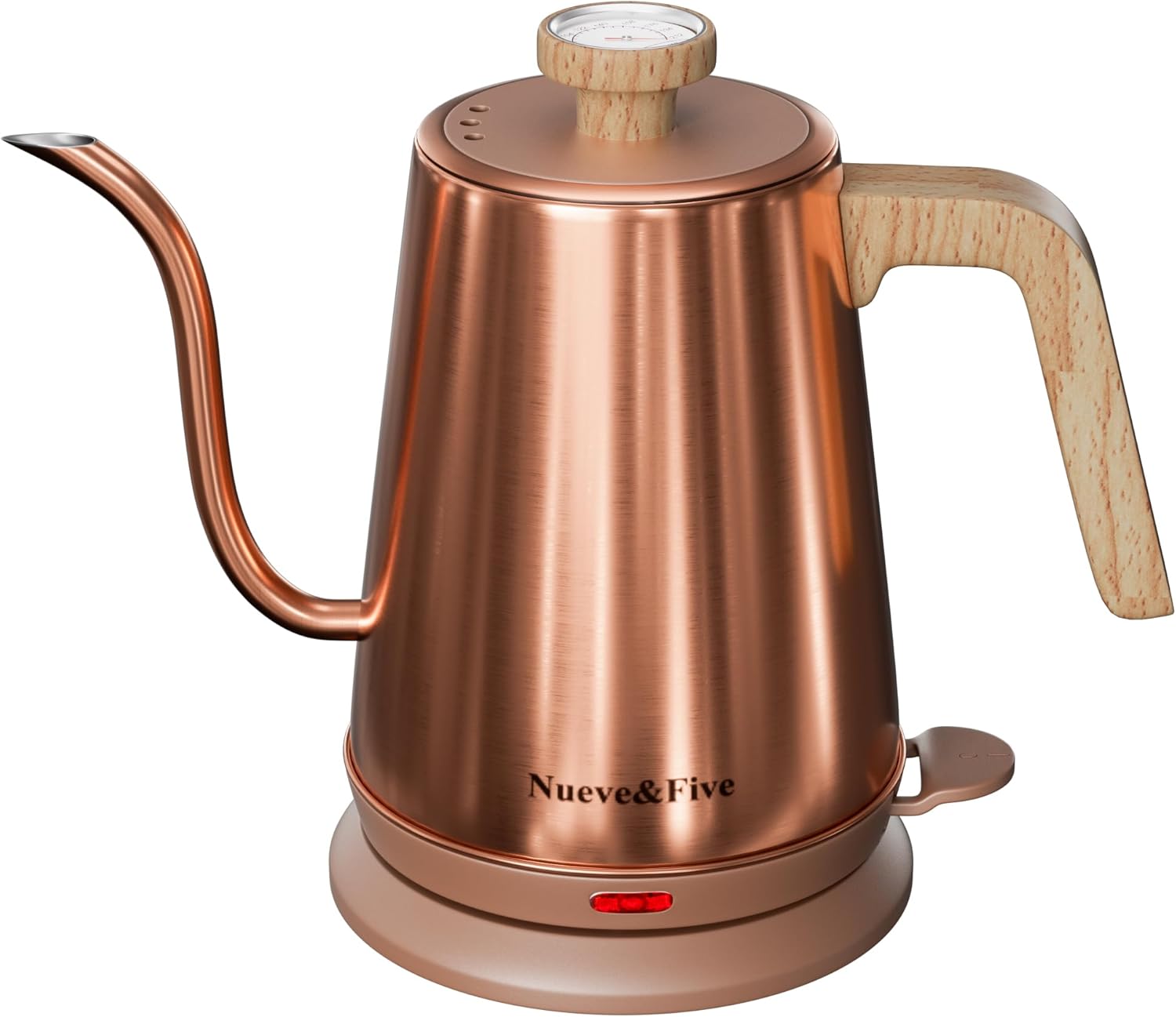
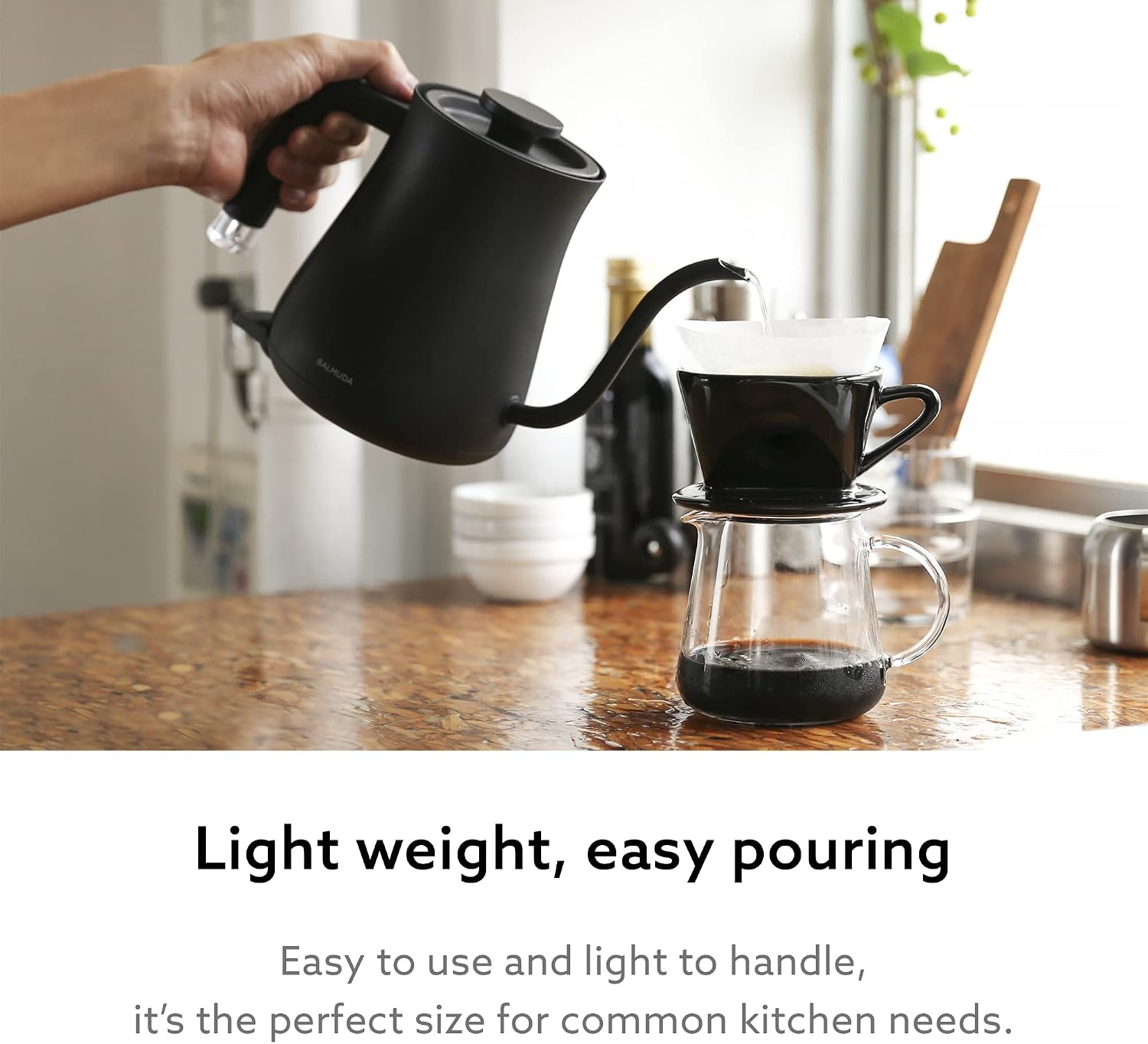
Second, the gooseneck spout itself must provide a stable, predictable flow rate that responds smoothly to wrist movement. A well engineered gooseneck kettle allows you to pour coffee in thin, even streams, which helps manage bloom, agitation, and overall extraction in pour over brewing. Poorly designed gooseneck kettles, by contrast, can feel either sluggish or too fast, forcing you to fight the pour instead of focusing on grind size, coffee dose, and brewing time.
Third, build quality and materials matter, especially the use of stainless steel for both interior and exterior surfaces. High grade stainless steel resists corrosion, cleans easily, and supports rapid heating, which shortens the minutes seconds needed to reach a boil. When you combine stainless steel construction with thoughtful safety features such as auto shut and boil dry protection, an electric gooseneck kettle becomes safer and more efficient for daily use, even when multiple people share the same tea kettle or coffee station.
Performance, speed, and energy use in gooseneck electric kettles
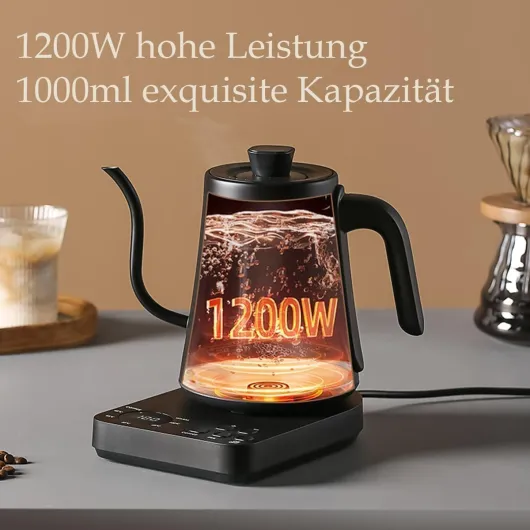
Performance in the best gooseneck electric kettles is measured by how quickly and consistently they heat water, and how precisely they maintain temperature. Many leading electric kettles in this category operate between roughly 900 and 1250 watts, which allows them to bring about 0.9 litres of water to a boil in just a few minutes seconds. While a standard electric kettle can sometimes be the fastest option for raw boiling speed, a well designed electric gooseneck model narrows that gap while adding far superior control.
Energy consumption for gooseneck kettles typically averages around 0.1 kilowatt hours per boil, slightly higher than some standard electric kettles due to their specialized design. However, manufacturers increasingly use efficient heating elements and insulated stainless steel bodies to reduce wasted heat and shorten boil times. Because many models include keep warm functions, it is wise to use that feature thoughtfully, balancing convenience with energy use, especially if you re only brewing a single cup of coffee tea.
Safety and reliability also define performance, particularly when hot water and electric components share a compact footprint. Quality gooseneck electric kettles include auto shut features that cut power once the water reaches the set temperature or when the kettle is empty. Certifications such as UL and CE indicate that a stainless steel electric kettle has passed basic electrical and safety standards, which is important when you rely on it daily for pour coffee, tea, and general kitchen tasks.
Standout models and what they offer to home baristas
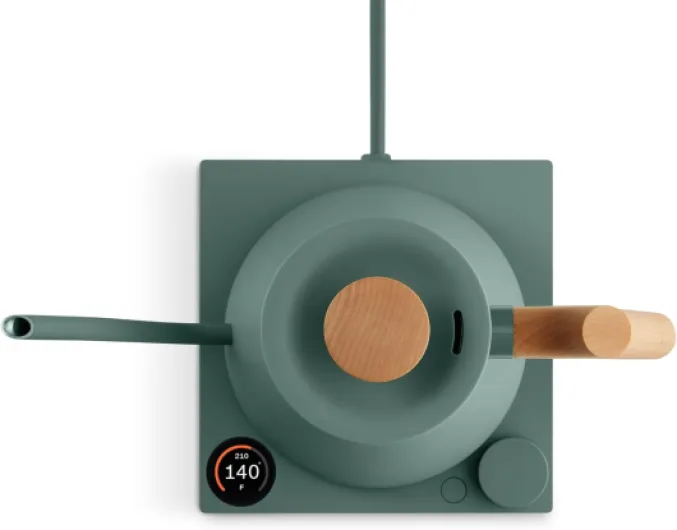
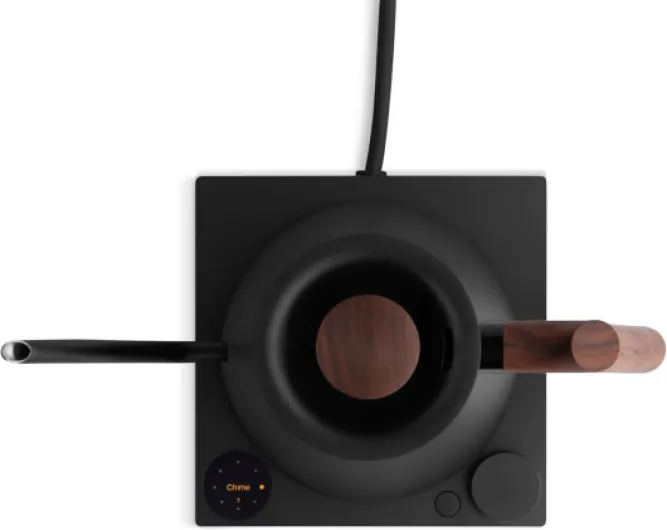
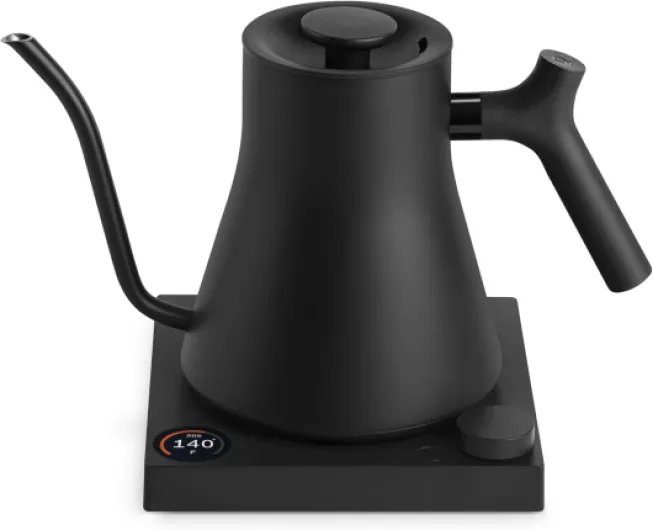
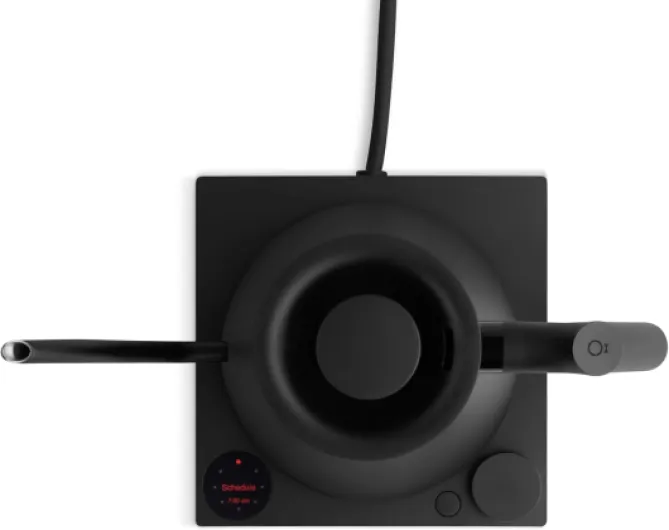
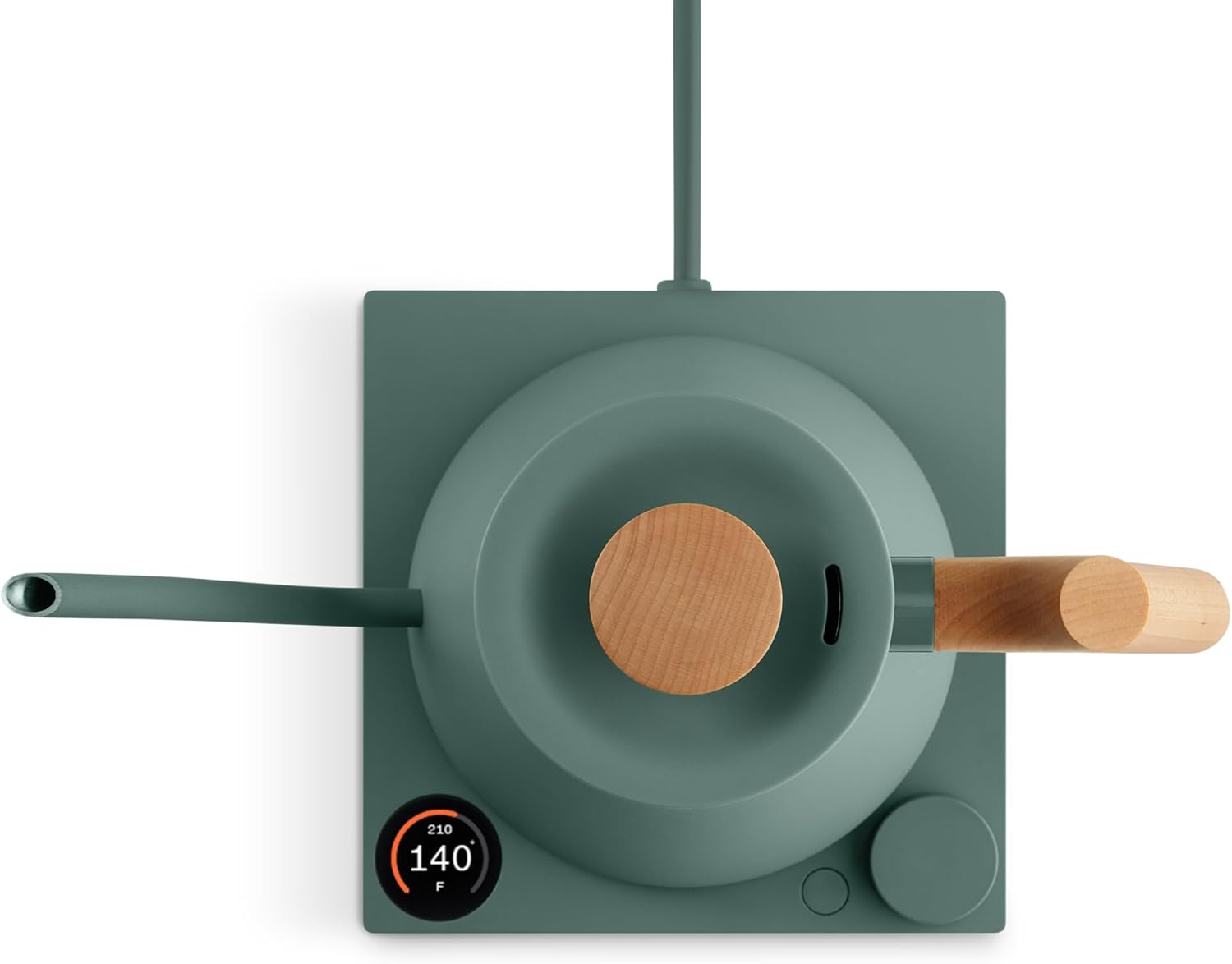
Among the best gooseneck electric kettles, a few models consistently earn praise from home baristas and reviewers. The Fellow Stagg EKG has become a reference point, thanks to its precise temperature control, sleek steel profile, and balanced gooseneck spout that makes every pour feel deliberate. As one reviewer put it, “The Fellow Stagg EKG Electric Kettle's steep price tag is definitely worth its sleek industrial design, durability, and functionality.”
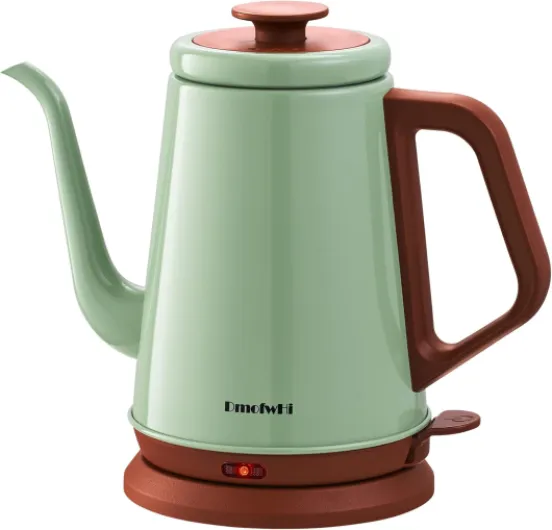
The ekg pro variant builds on the original Stagg EKG platform by adding more advanced control options, including finer temperature adjustments and sometimes smart features. These Fellow Stagg designs show how a gooseneck electric kettle can combine aesthetics with performance, turning a simple water heater into a centerpiece for coffee tea rituals. Other brands, such as COSORI and SAKI, offer electric gooseneck kettles that emphasize value, pairing stainless steel construction with accurate temperature control at a more accessible price.
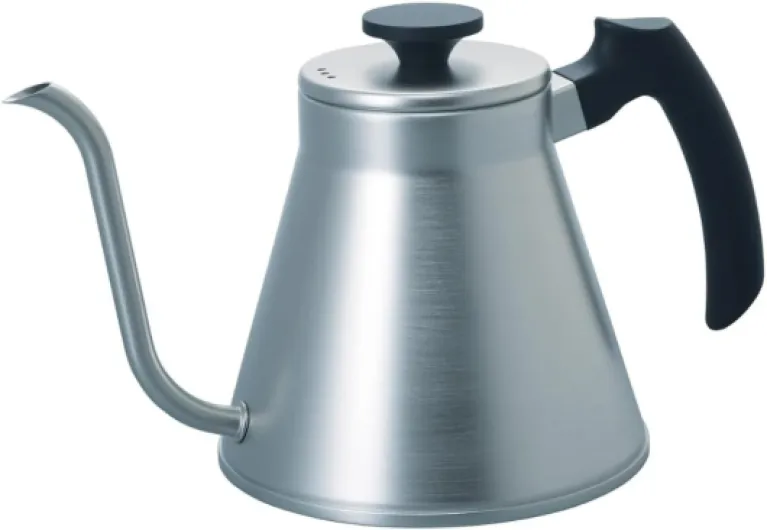
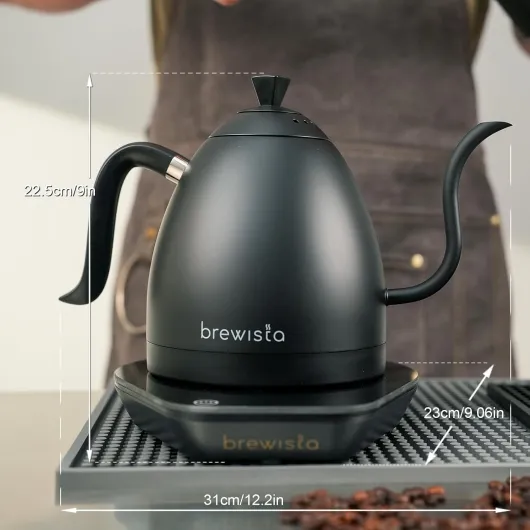
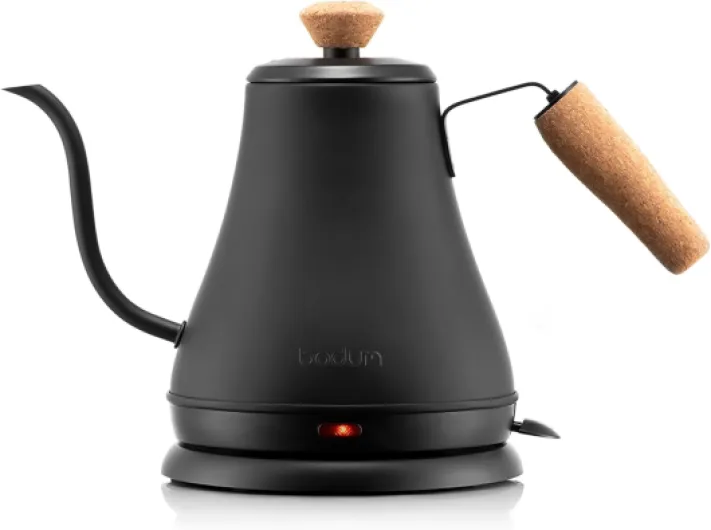
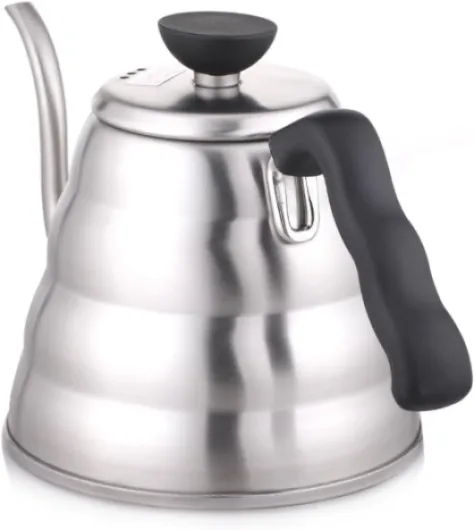
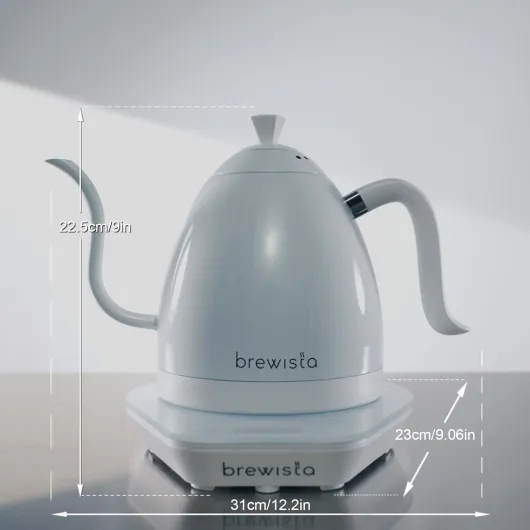
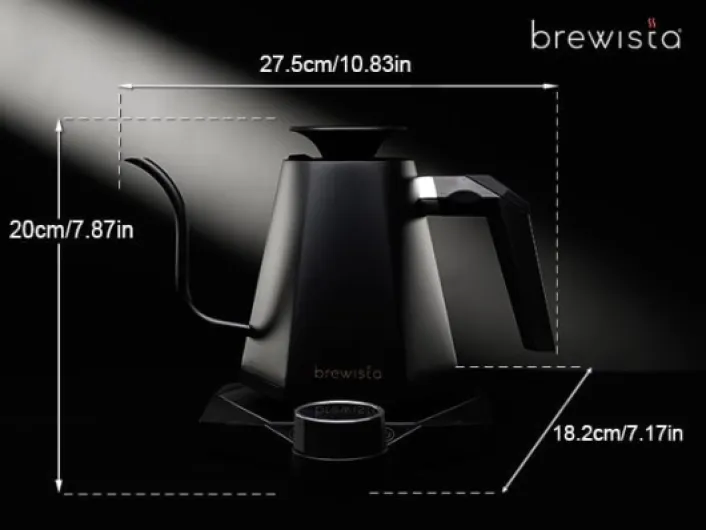
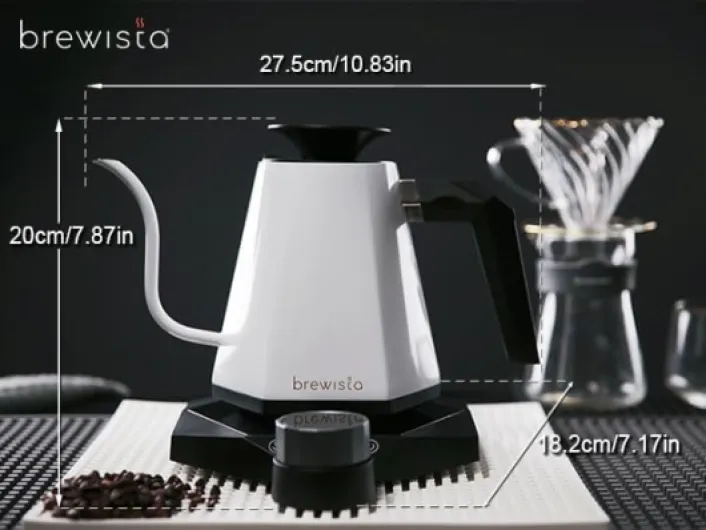
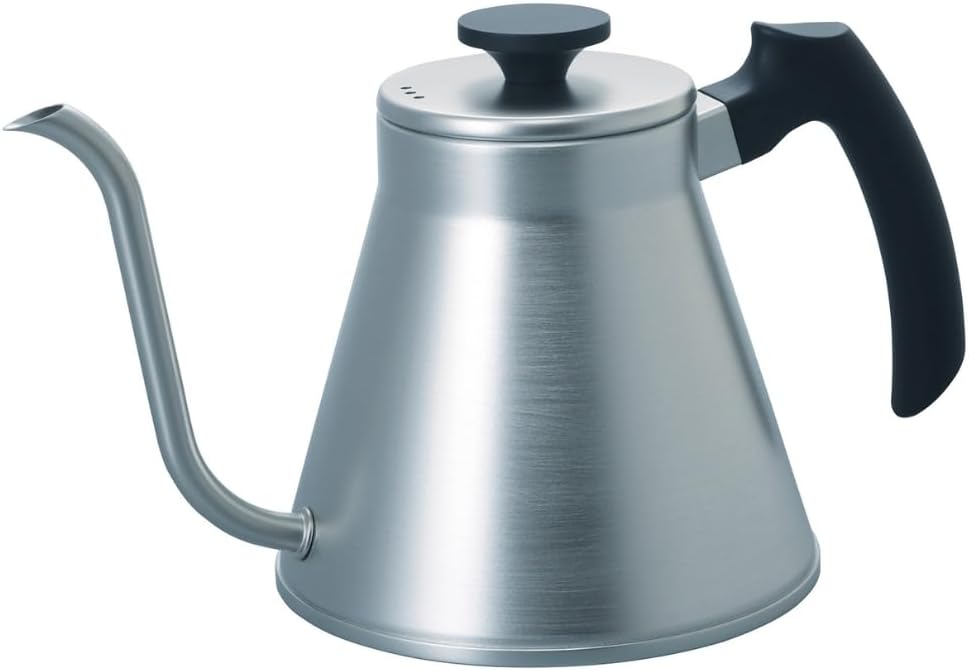
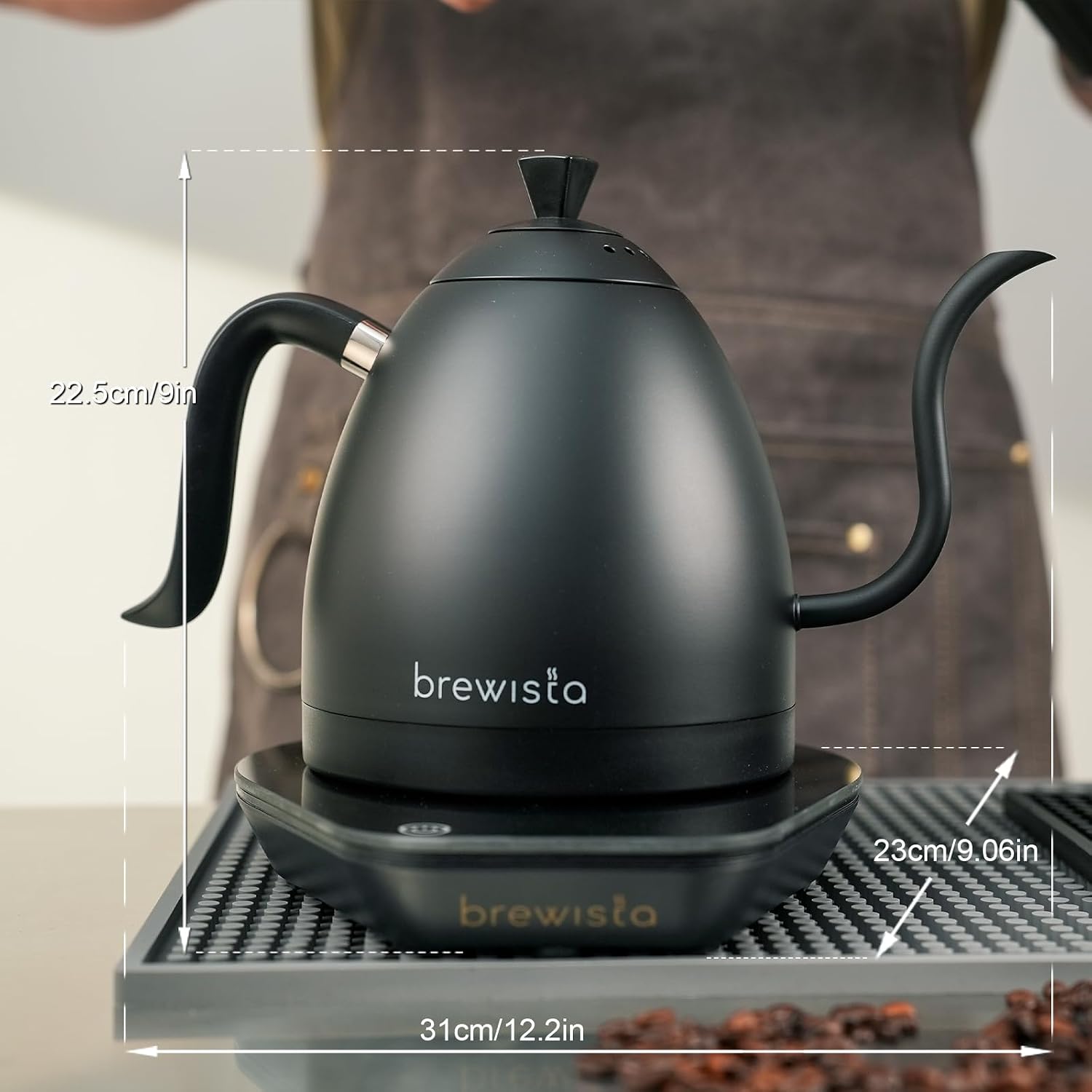
Classic gooseneck kettles like the Hario Buono started as stovetop icons, but electric versions now bring that familiar pour kettle silhouette to the electric market. When comparing models, look closely at capacity, because many gooseneck kettles hold around 0.8 to 1 litre, which suits two to four cups of pour coffee. Also evaluate the handle ergonomics, lid fit, and how clearly the base displays temperature, timer, and keep warm status, since these details shape everyday brewing comfort.
Choosing the right gooseneck electric kettle for your routine
Selecting the best gooseneck electric kettles for your home starts with clarifying how you brew and how many people you serve. If you mainly prepare single cup pour coffee, a compact electric kettle with a 0.6 to 0.8 litre capacity may feel nimble and efficient. For households where several people drink coffee tea or share a tea kettle, a larger capacity around 1 litre or slightly more reduces the number of heating cycles each morning.
Budget also plays a central role, because the price range for gooseneck electric kettles stretches from entry level models to premium designs like the Stagg EKG and ekg pro. When you compare price and rate value, consider not only the initial cost but also durability, warranty, and how often you brew. Stainless steel construction, solid welds on the gooseneck spout, and a stable base can justify a higher price if they prevent leaks, wobble, or early failure.
Think about how the kettle fits into your broader beverage habits, including whether you also use a traditional teapot with infuser for loose leaf tea. For readers exploring that side of their ritual, a dedicated guide on choosing the right teapot with infuser can complement your gooseneck electric purchase. Finally, pay attention to cleaning and maintenance, especially if you live in a hard water area, because regular descaling keeps stainless steel interiors efficient and prevents off flavors in both coffee and tea.
Care, maintenance, and long term value of stainless steel kettles
Proper care extends the life of even the best gooseneck electric kettles and preserves flavor clarity in every cup. Stainless steel interiors resist staining, but mineral deposits from hard water gradually form scale that insulates the heating surface and slows the boil. Regular descaling with a kettle safe solution or a mild acid mixture restores efficient heat transfer, shortens minutes seconds to reach temperature, and protects the electric element.
Exterior maintenance matters as well, especially for brushed or polished stainless steel finishes that define many premium electric kettles. Gentle cleaning with non abrasive cloths keeps the steel looking sharp, while avoiding harsh chemicals preserves logos and temperature markings on the base. Enthusiasts interested in broader metal care practices may appreciate resources on the art of polishing metal surfaces, such as this guide to polishing aluminum for kettle enthusiasts, which shares transferable principles for careful cleaning.
From a safety perspective, always respect the auto shut and boil dry protection built into modern electric kettles, rather than overriding them. Never fill above the maximum capacity line, because overfilling can cause boiling water to surge through the gooseneck spout during a pour. By pairing mindful use with routine cleaning, your electric gooseneck kettle, whether a Fellow Stagg, Hario Buono inspired design, or another stainless steel model, will continue to deliver controlled flow rate and accurate temperature control for years of coffee tea brewing.
Market trends, smart features, and what comes next for gooseneck kettles
The market for gooseneck electric kettles has grown into a significant segment within the broader electric kettle category. With an estimated market size in the tens of millions of dollars and a rising share of overall electric kettles sales, these specialized kettles have moved from niche coffee shops into mainstream kitchens. Consumers increasingly value precise temperature control, ergonomic gooseneck spouts, and stainless steel construction, even if the price is higher than a basic plastic electric kettle.
Smart features are beginning to reshape expectations, as some gooseneck electric models integrate app based control, scheduling, and firmware updates. These electric gooseneck kettles allow you to set temperature, monitor boil progress, and adjust keep warm settings from a phone, which appeals to tech oriented home baristas. At the same time, many users still prioritize simple, tactile dials and switches, especially when they want to pour coffee without navigating menus or screens.
Looking ahead, manufacturers are likely to refine energy efficiency, expand design options, and experiment with new materials while retaining stainless steel as a core component. We can expect more compact footprints, improved insulation, and perhaps modular accessories that support both coffee and tea rituals with a single pour kettle. For now, the best gooseneck electric kettles already offer a compelling blend of speed, control, and style, turning the act of heating water into a precise, repeatable step in every brewing routine.
Key statistics about gooseneck electric kettles
- The global market for gooseneck electric kettles is valued at approximately 50 000 000 USD, reflecting strong demand among home baristas and tea drinkers.
- Electric kettles, including gooseneck models, account for about 30 % of the overall kettle market by unit sales.
- The average price for a gooseneck electric kettle in mainstream retail channels is around 150 USD, with budget models near 50 USD and premium designs closer to 200 USD.
- Gooseneck electric kettles typically consume about 0.1 kilowatt hours of electricity per boil, slightly higher than some standard electric kettles but offset by rapid heating elements.
- Accessory spending for items such as descaling solutions and protective mats averages about 20 USD per customer over the life of a kettle.