Key features that define the best variable temperature electric kettles
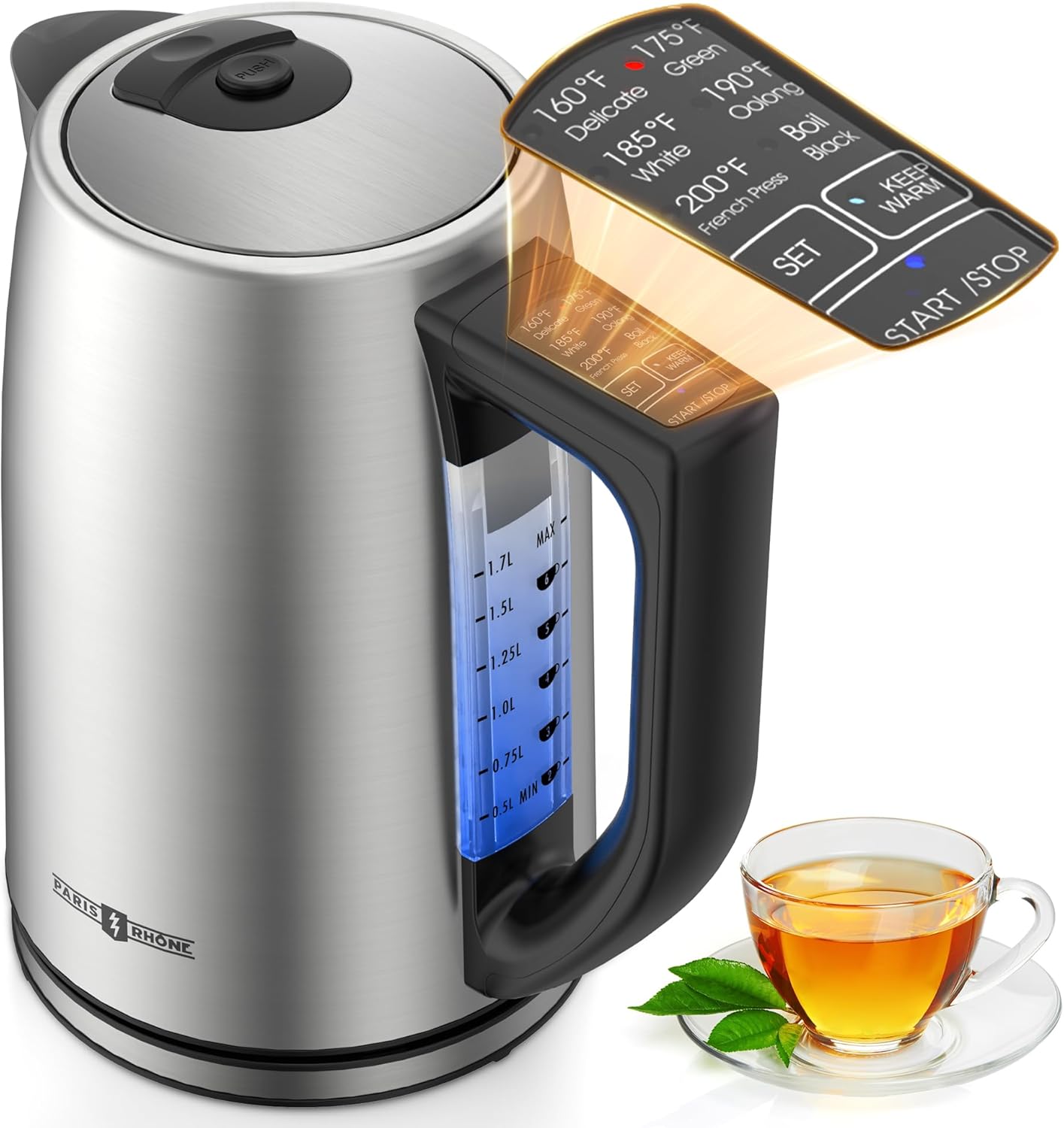
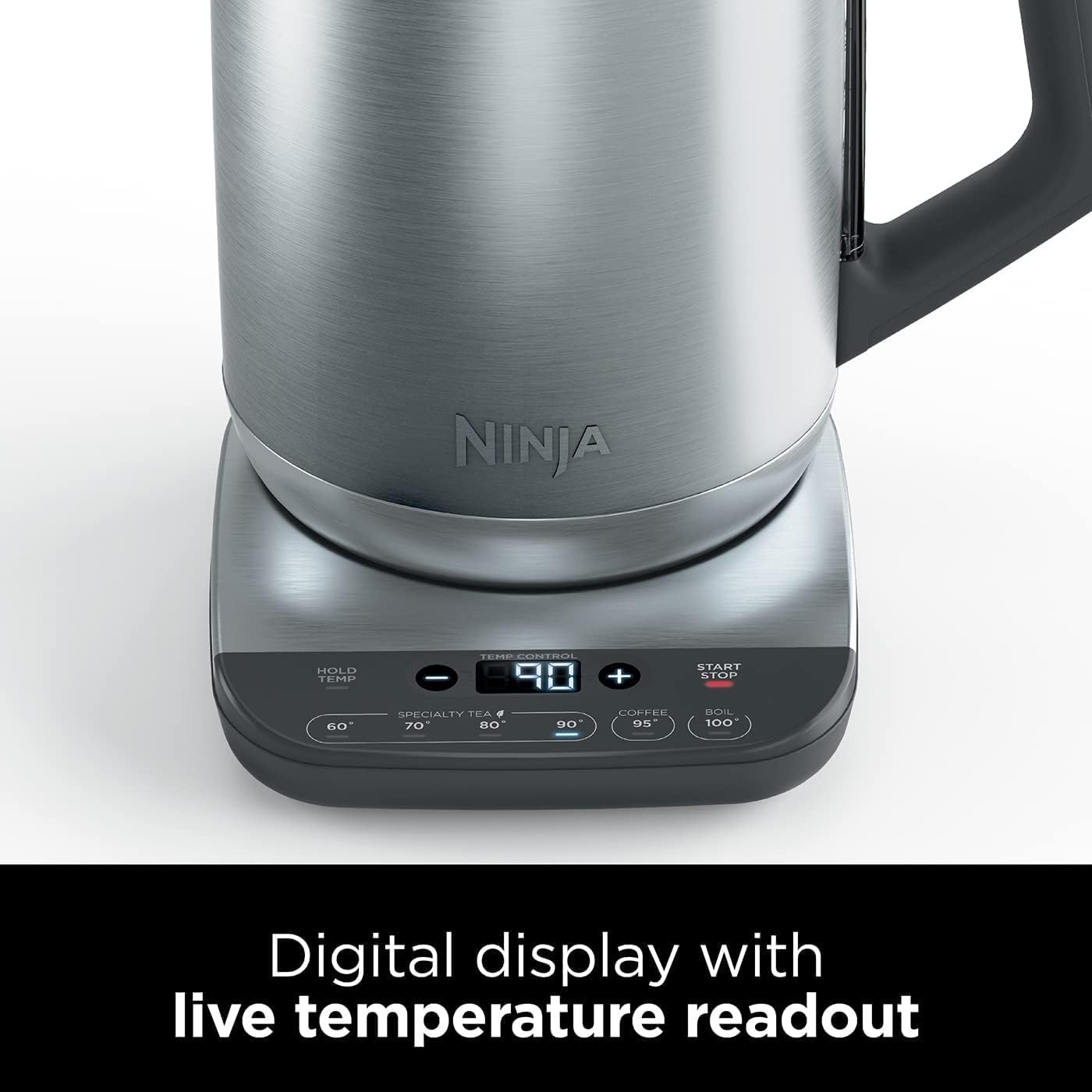
Several core features separate the best variable temperature electric kettles from basic models. First, temperature control must be accurate, with temperature settings that usually range from about 60 °C to 100 °C to cover green tea, oolong, black tea, herbal infusions, and pour over coffee. Look for an electric kettle that allows you to set temperature in small increments, because a 5 °C difference can change how your coffee or tea tastes.
Second, the keep warm function is crucial for real world use. Many electric kettles offer a keep warm period of 20 to 60 minutes, which lets you step away without reheating water repeatedly and wasting minutes and energy. When comparing kettles tested by reviewers, models with flexible warm function durations often rank higher, since they adapt better to slow tea ceremonies or busy mornings.
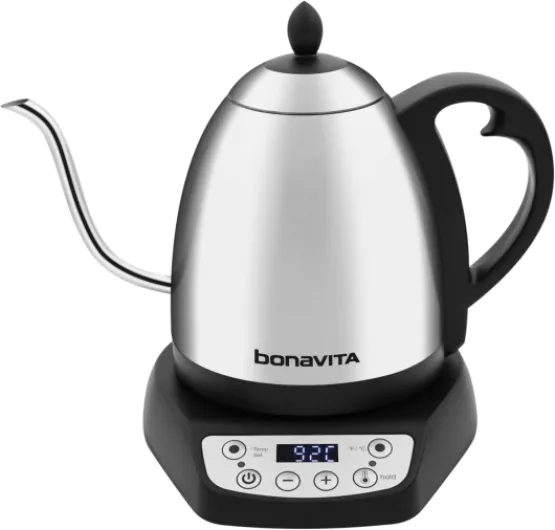
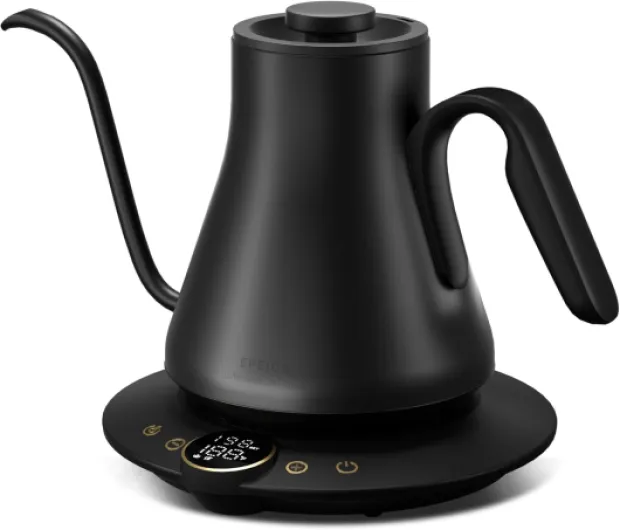
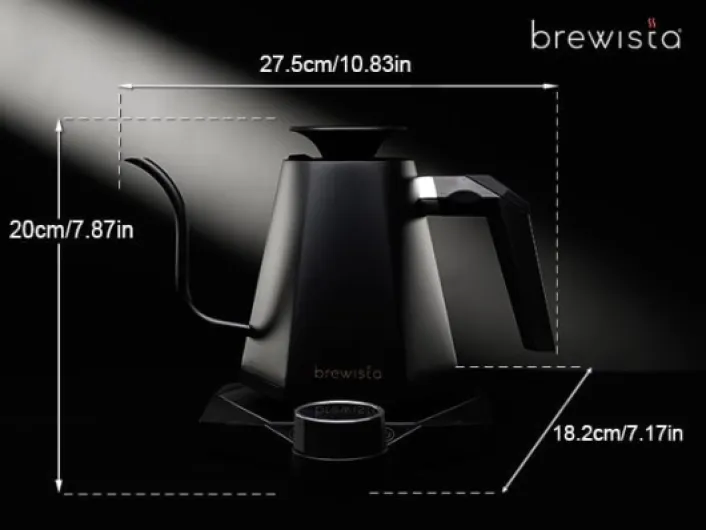
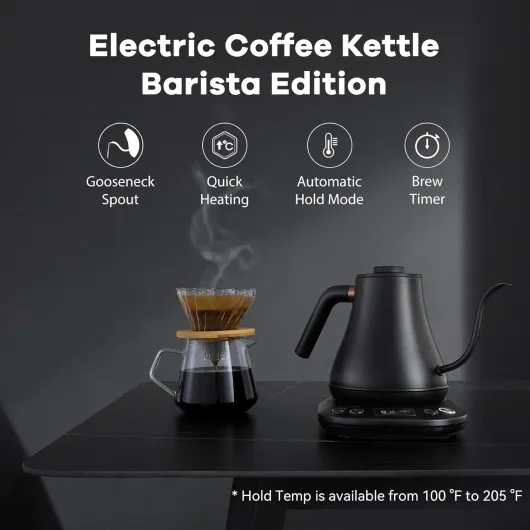
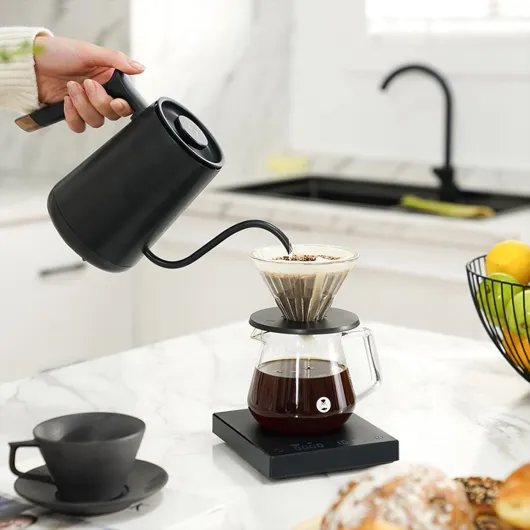
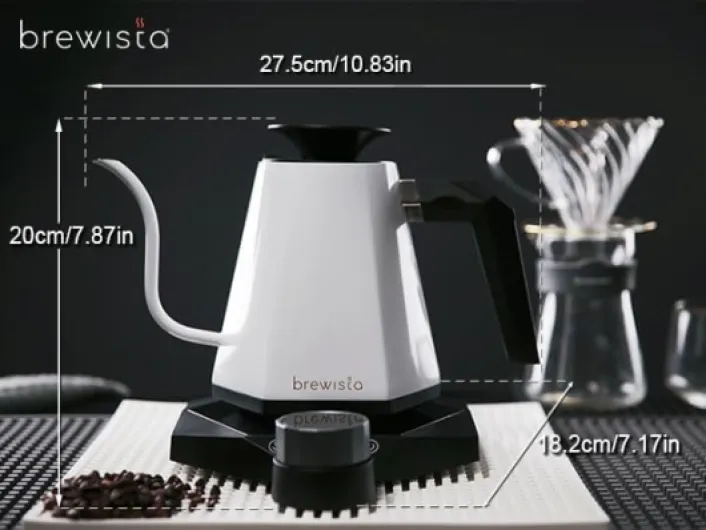
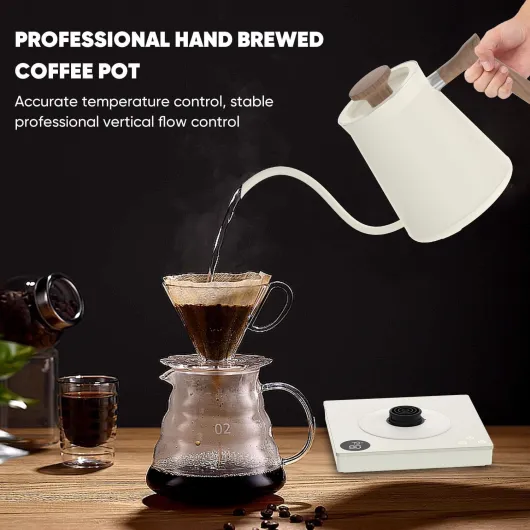
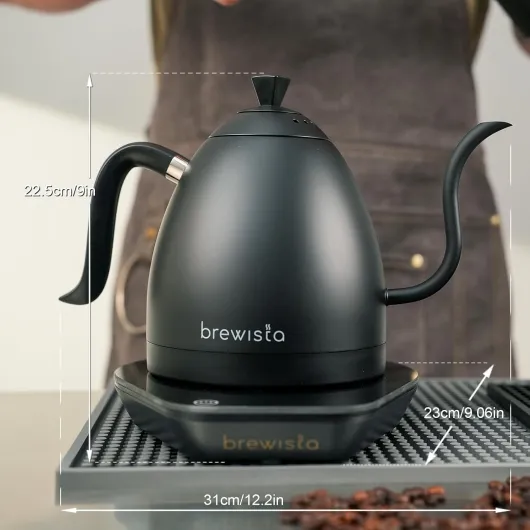
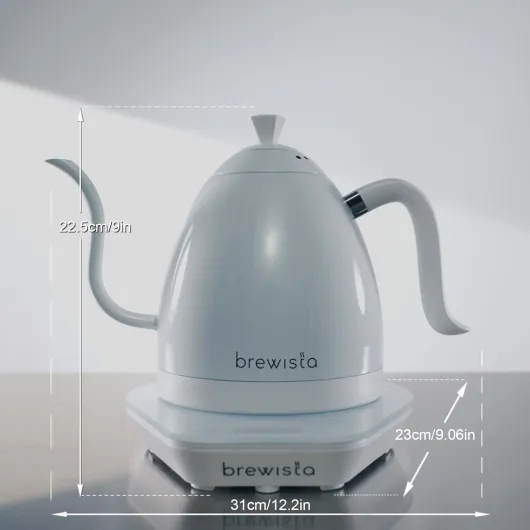
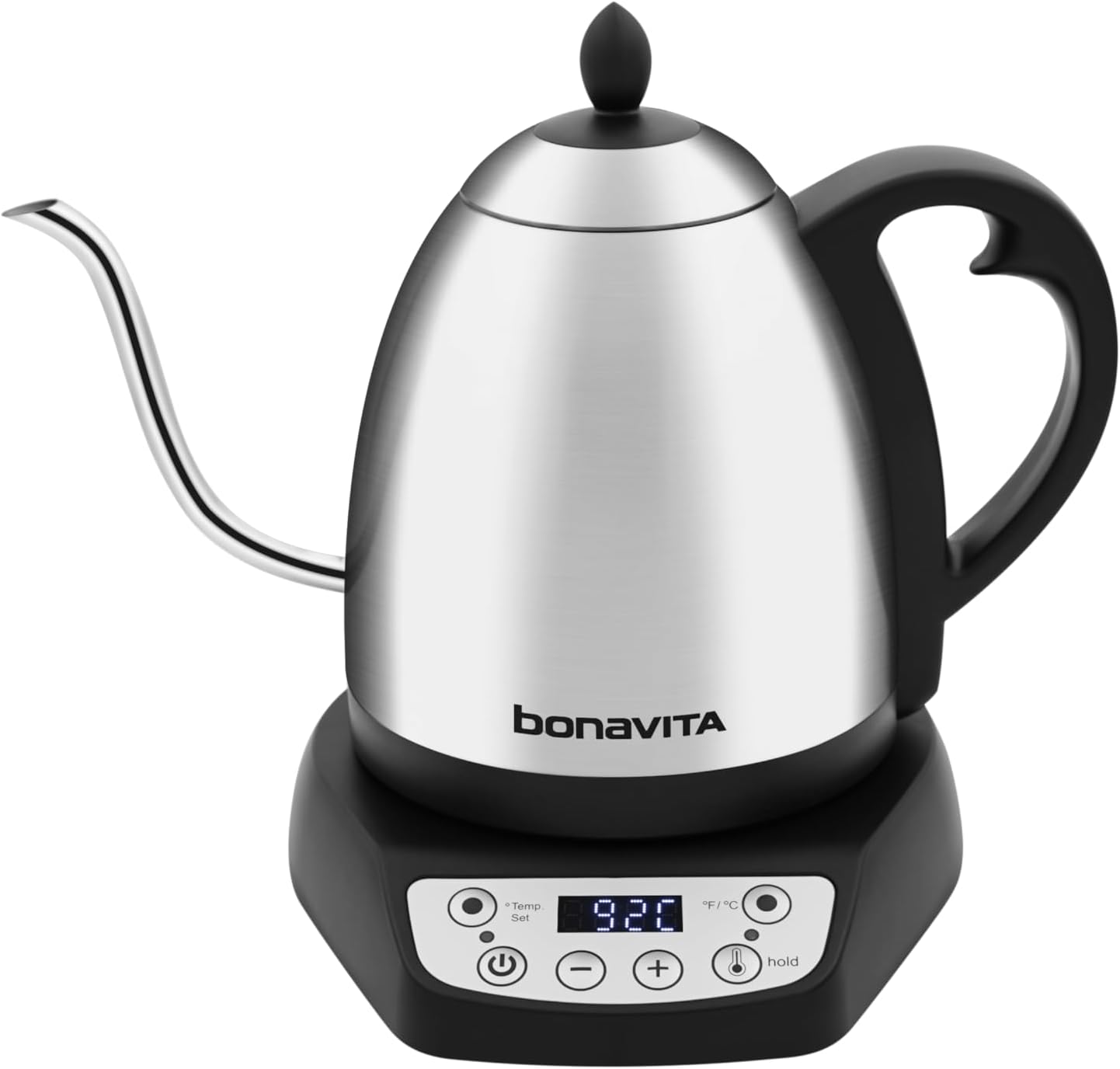
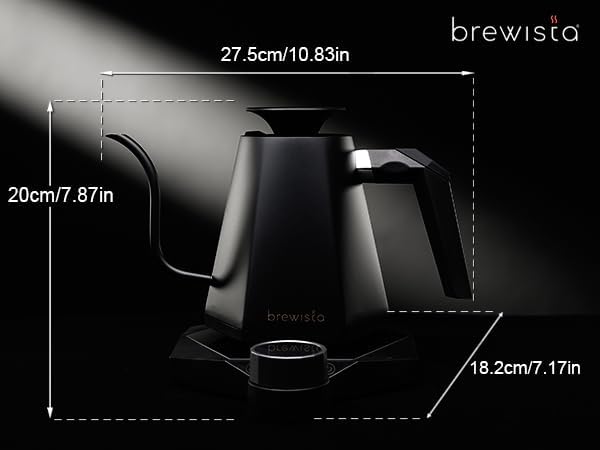
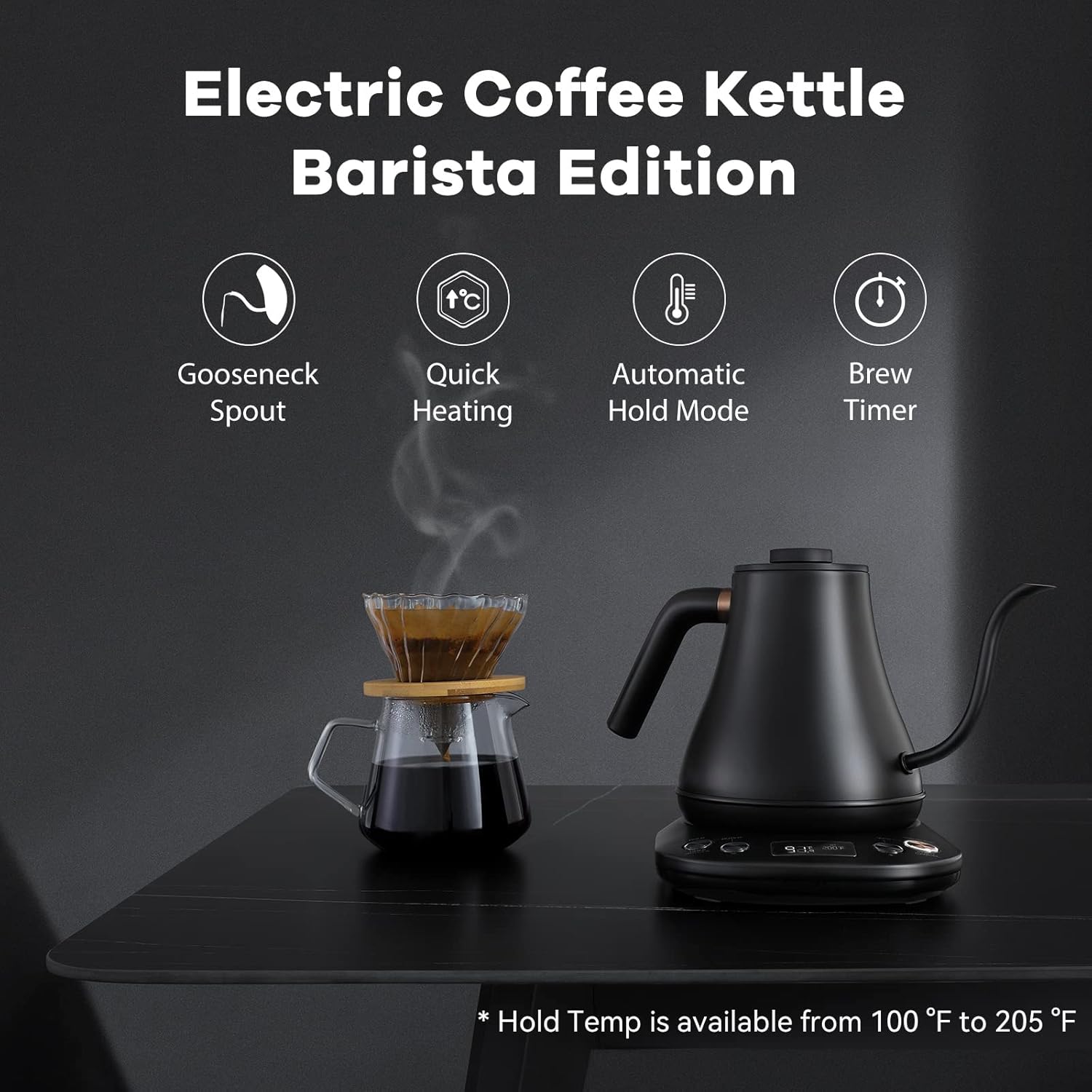
Third, pay close attention to the handle, lid, and spout ergonomics on each electric kettle. A comfortable handle with good grip keeps the kettle stable when full of hot water, while a well designed spout prevents splashing that could cause scalding. For pour over coffee, a gooseneck kettle with fine control over flow rate is ideal, and reviews of the classic Hario V60 Buono show how a shaped spout can transform your electric tea or coffee routine.
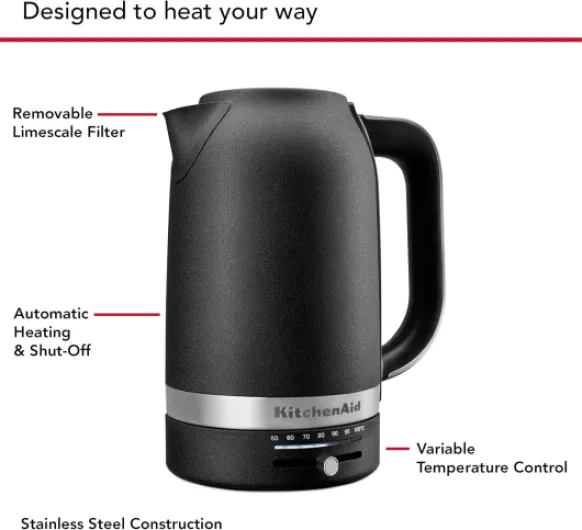
Finally, safety certifications and build quality should never be ignored. Reputable electric kettles comply with standards such as UL 1082 or IEC 60335 2 15, include auto shut off, and feature boil dry protection that cuts power when water runs low. These protections, combined with robust stainless steel or glass construction, ensure that variable temperature performance does not compromise user safety.
Comparing materials, capacities, and designs for different households
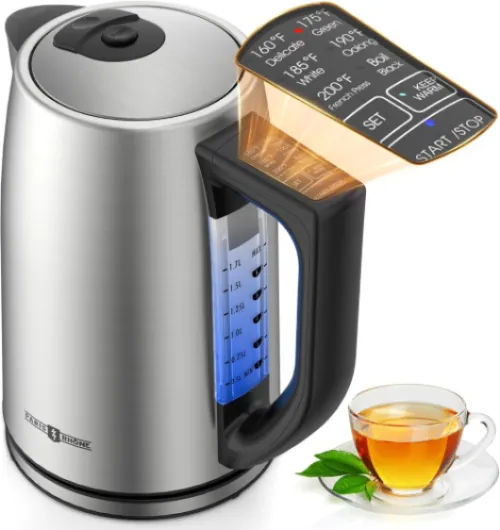
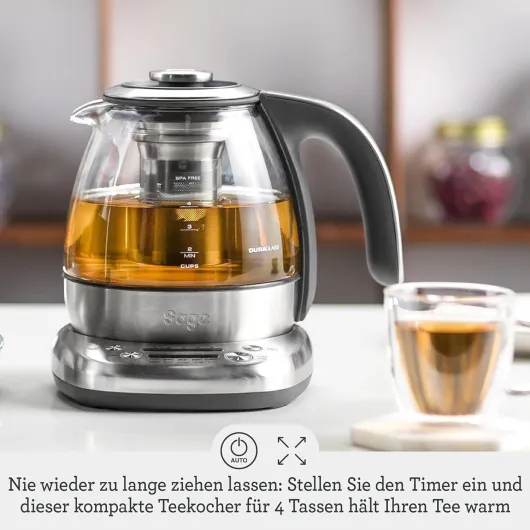
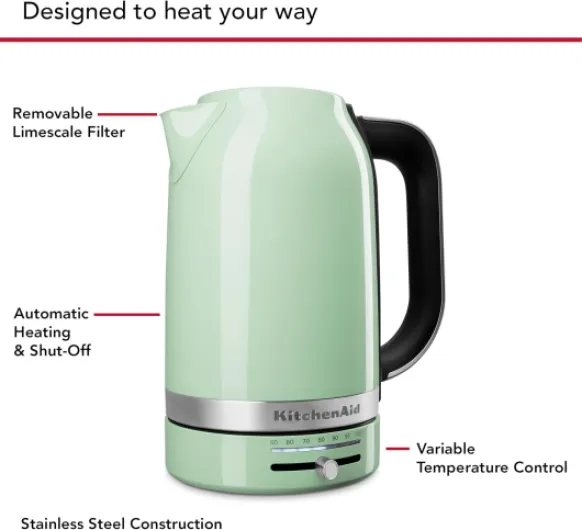
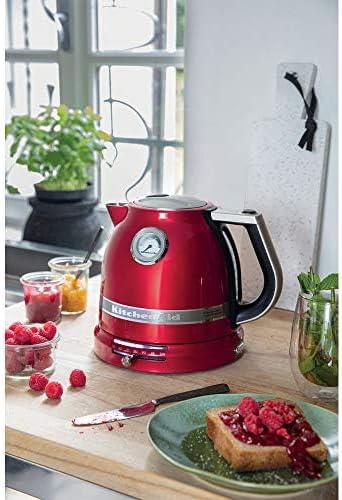
Material choice is one of the most visible differences among the best variable temperature electric kettles. Stainless steel kettles feel solid, resist dents, and usually insulate heat better, while glass kettles showcase the water boil and appeal to users who like a minimalist kitchen aesthetic. Some hybrid designs combine stainless steel bases with glass bodies, offering both durability and visual clarity.
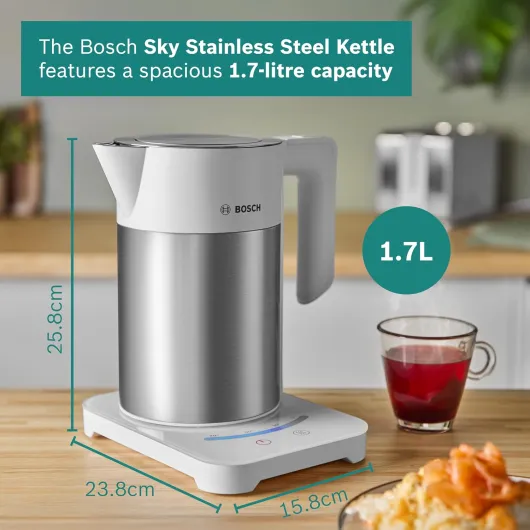
Capacity also shapes how an electric kettle fits into your routine. A 1 liter gooseneck kettle suits single coffee drinkers who value precise pouring, whereas a 1.7 liter stainless steel tea kettle better serves families or shared offices. When you compare kettles tested by experts, you will notice that larger capacities can slightly increase boil time by a few minutes, but the difference is often acceptable for most households.
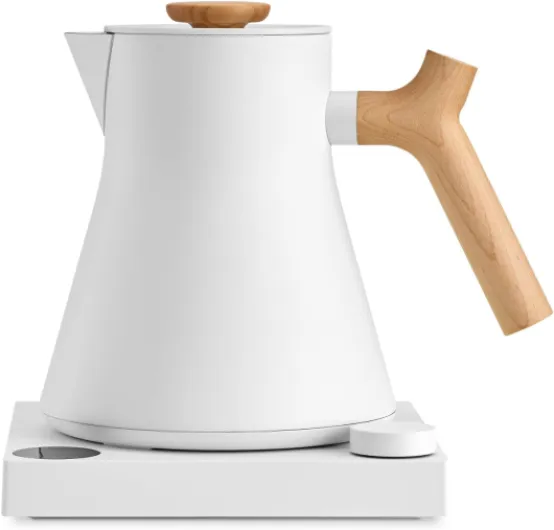
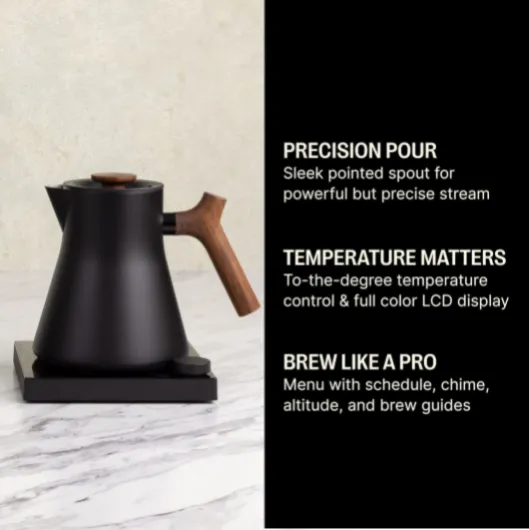
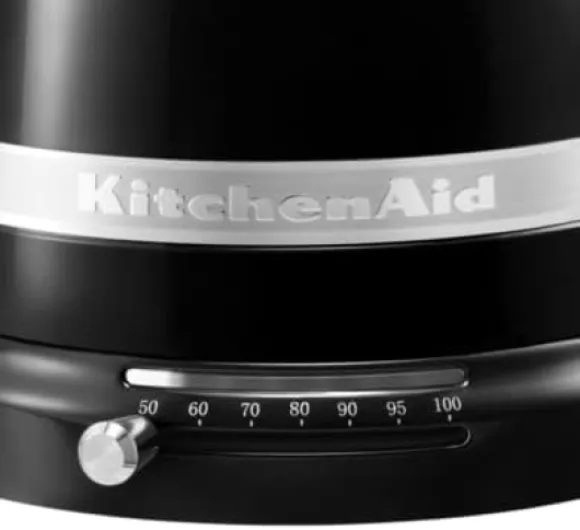
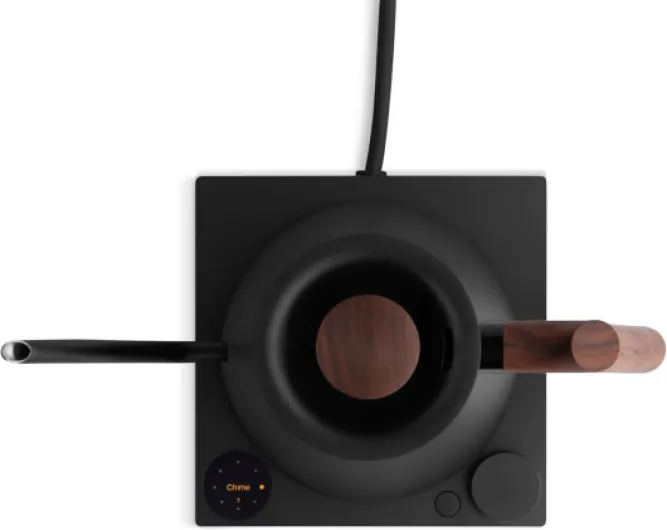
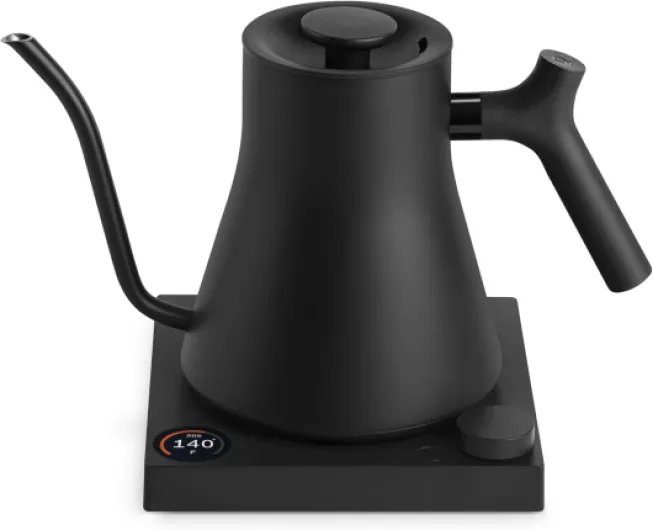
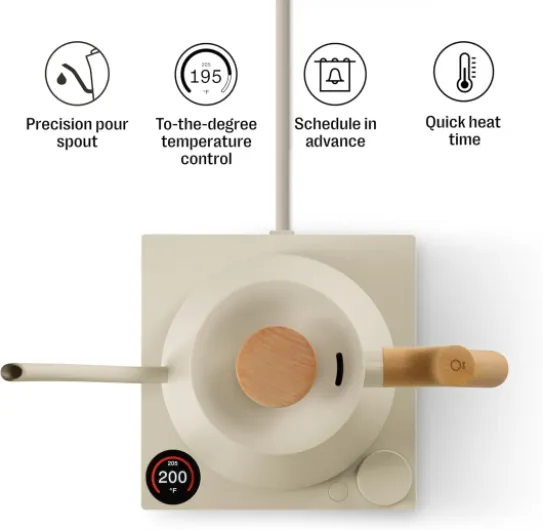
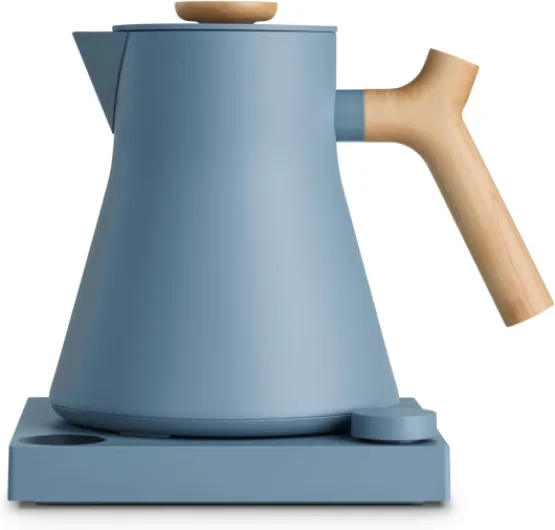
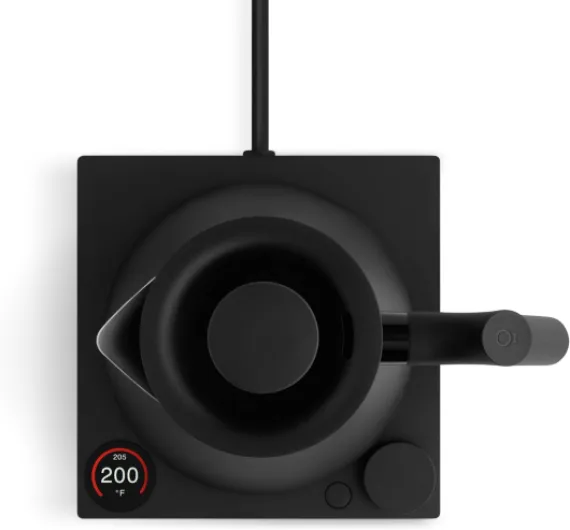
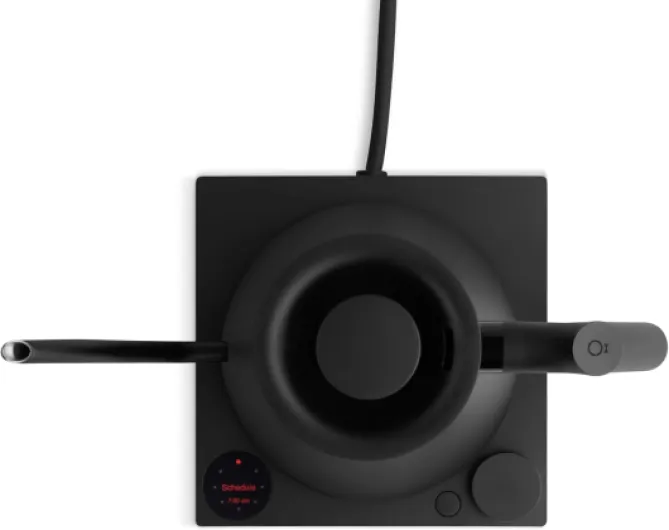
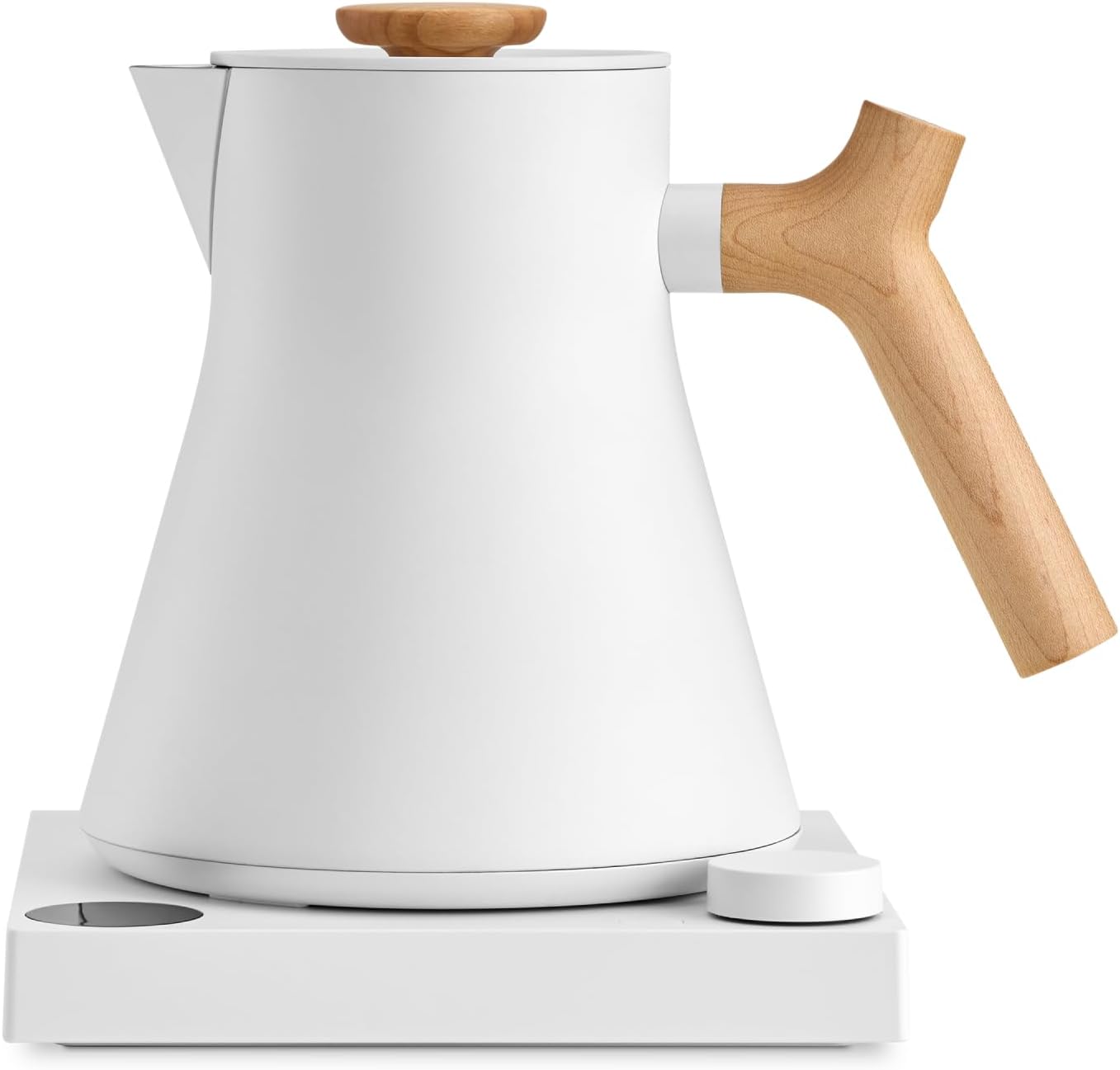
Design details such as the handle angle, lid mechanism, and base footprint influence daily comfort. A well balanced handle keeps the wrist neutral when the electric kettle is full, and a wide lid opening makes it easy to clean mineral deposits from hard water. Many premium models, including icons like the Fellow Stagg EKG, integrate temperature control dials and clear displays into compact bases that save counter space.
Brand specific features can further refine the experience for tea and coffee enthusiasts. The Fellow Stagg line, for example, is known for its gooseneck kettle profile and precise set temperature control that baristas appreciate. Other brands like Hamilton Beach focus on accessible pricing while still offering variable temperature settings, stainless steel interiors, and reliable keep warm functions for everyday users.
How temperature control changes tea and coffee quality
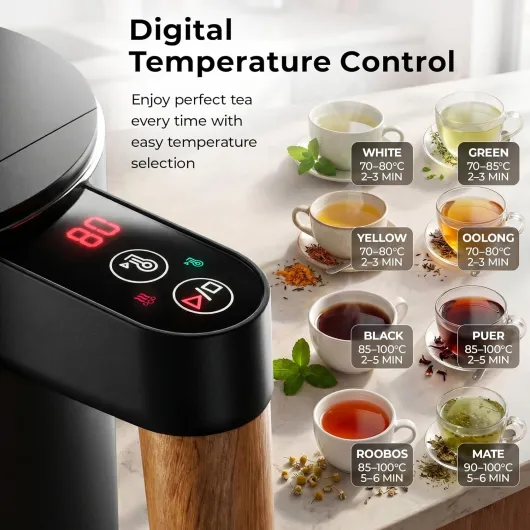
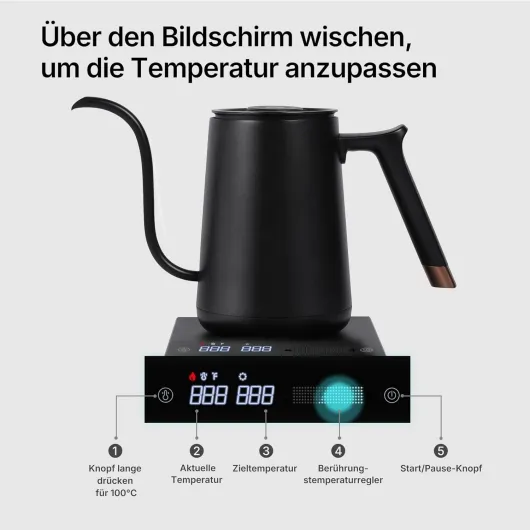
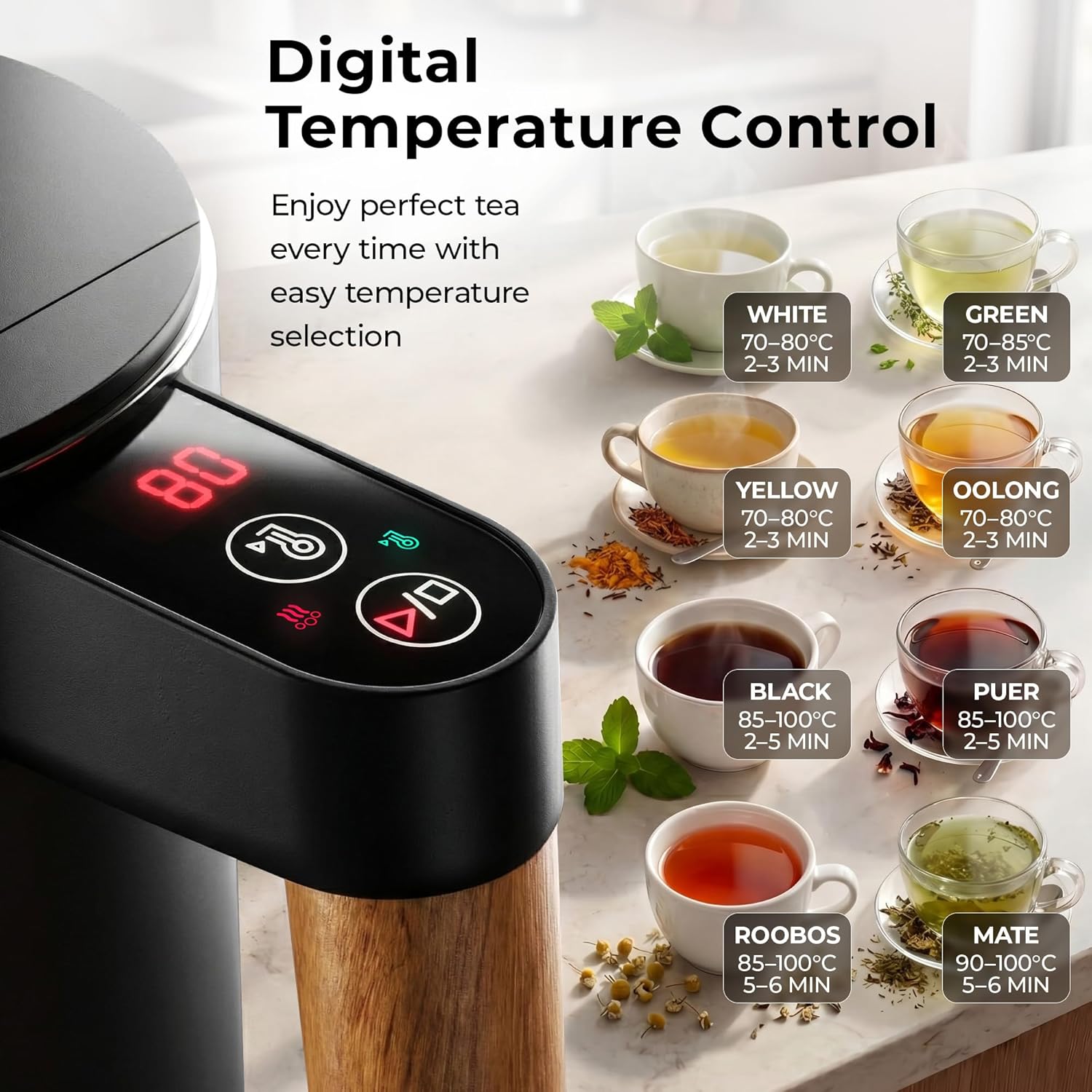
Precise temperature control is the heart of the best variable temperature electric kettles. Green tea usually prefers water around 70 to 80 °C, while oolong and black tea often shine closer to 90 to 100 °C, and pour over coffee typically extracts best near 93 °C. When an electric kettle overshoots these ranges, delicate aromatics burn off, leaving bitterness or flat flavors in your cup.
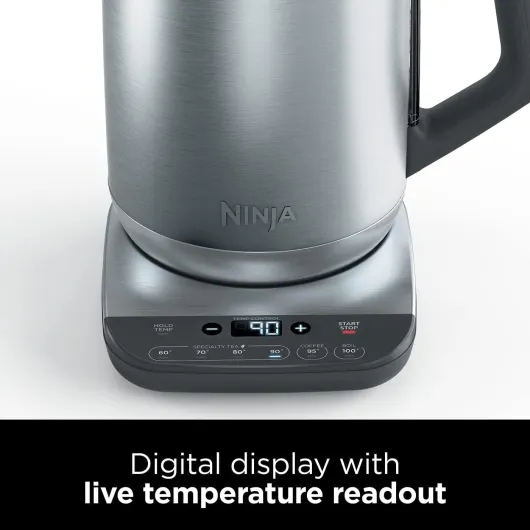
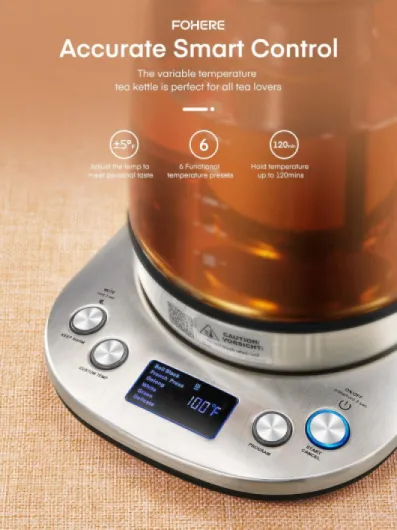
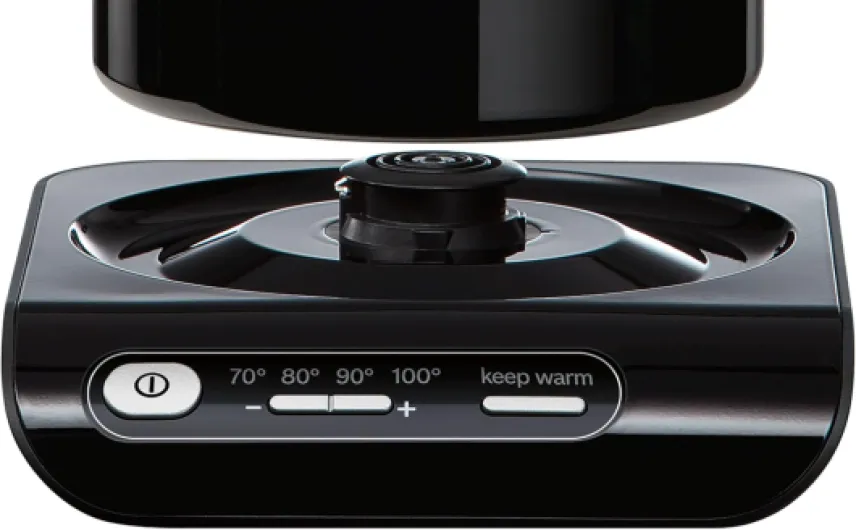
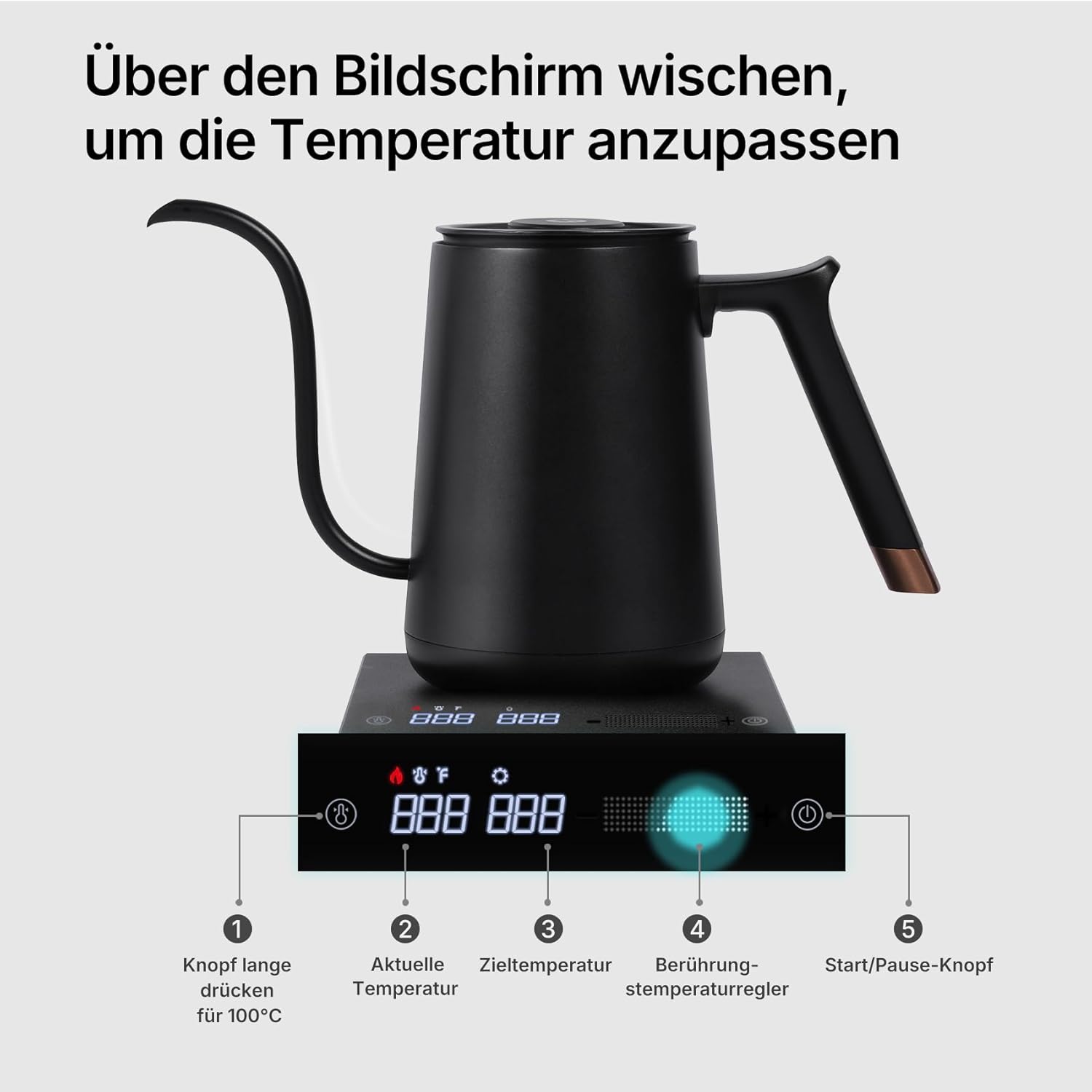
Modern electric kettles with digital temperature settings let you program exact values for each beverage. You might set temperature to 75 °C for a Japanese sencha, then use the keep warm function so the water stays stable while you prepare multiple infusions. For coffee, a gooseneck kettle with accurate kettle temperature readouts helps you maintain a steady pour, which supports even extraction across the coffee bed.
Independent tests show that variable temperature kettles can improve perceived flavor by a notable margin. In comparative tastings, tasters often rate tea brewed at its recommended kettle temperature as more aromatic, balanced, and sweet than tea brewed with boiling water. This effect is especially clear with electric tea routines that involve high quality loose leaves, where small changes in water temperature and steeping minutes become very noticeable.
Energy efficiency also benefits from not always driving water to a full boil. Heating water only to the set temperature you need reduces electricity use, which matters when you brew several times per day. Some advanced models even pair with apps to log how often you use each temperature setting, though many users still prefer simple manual dials and clear stainless steel or glass bodies over complex smart features.
Buying channels, pricing, and how to read real world reviews
Most shoppers now compare the best variable temperature electric kettles online before buying. Large platforms such as Amazon list hundreds of electric kettles, from budget Hamilton Beach models to premium designs like the Fellow Clyde or Stagg EKG, each with thousands of user reviews. When you search for a tea kettle or electric tea device, filter by verified purchases and focus on comments about temperature control accuracy, handle comfort, and long term reliability.
Price ranges reflect differences in materials, capacity, and feature sets. Budget electric kettles often cost around the equivalent of 45 to 60 euros, using basic stainless steel and offering a few preset temperature settings without advanced keep warm options. Premium variable temperature models, especially those with gooseneck kettle designs, glass accents, or smart connectivity, can reach three times that price but usually provide tighter temperature control and more refined warm function behavior.
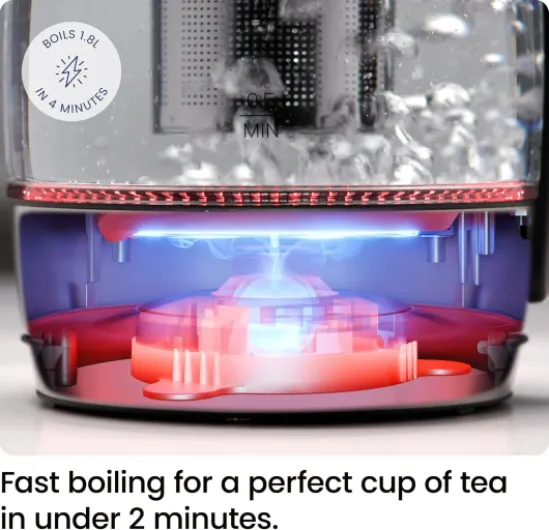
Specialist review sites and independent tests add another layer of insight beyond Amazon star ratings. Detailed reviews may measure how many minutes each electric kettle takes to reach a specific kettle temperature, or how closely the actual water heat matches the set temperature on the display. Some testers also evaluate how easy it is to descale stainless steel and glass interiors, which directly affects taste and kettle lifespan.
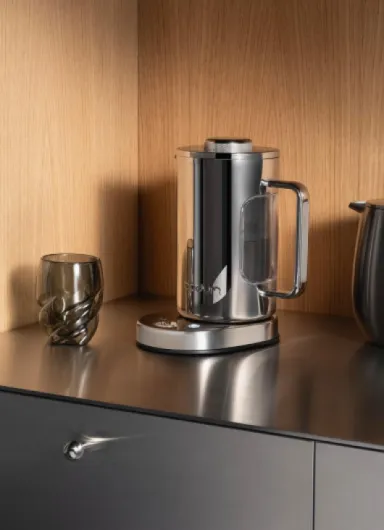
Do not overlook niche blogs that focus on electric kettle performance. For example, an in depth test of an illuminating cordless glass kettle with stainless steel accents can reveal how design choices affect both aesthetics and usability over time. Cross referencing such reports with user feedback on kettle Amazon listings helps you identify patterns, such as recurring issues with lids, handles, or unreliable keep warm functions.
Safety, maintenance, and sustainability for long lasting kettles
Safety should be a primary filter when evaluating the best variable temperature electric kettles. Look for clear labeling of capacity in liters, power in watts, and safety marks that show compliance with recognized electrical standards. Features such as auto shut off, boil dry protection, and cool touch handle designs significantly reduce the risk of electric shock or scalding from hot water.
Regular maintenance keeps any electric kettle performing at its best. Hard water leaves mineral deposits on stainless steel and glass surfaces, which can slow the water boil, interfere with temperature sensors, and dull flavors in tea and coffee. Using a dedicated descaling solution every few weeks, or more often in very hard water regions, helps maintain accurate temperature control and extends the life of both budget and premium electric kettles.
Cleaning routines should also include the exterior, lid, and spout. Wiping the handle and base prevents grime buildup that might affect grip, while checking the spout on a gooseneck kettle ensures the flow remains smooth for precise pouring. Many users appreciate wide lid openings that make it easy to reach inside the kettle with a soft brush, especially on glass models where any residue is immediately visible.
Sustainability considerations increasingly influence which electric kettles people choose. Models that use recyclable stainless steel, BPA free plastics, and efficient heating elements reduce environmental impact over their lifetime. Some manufacturers now offer take back programs for old kettles, and as smart features evolve, there is growing interest in designs that minimize standby power while still supporting convenient keep warm and variable temperature settings.
Key statistics about variable temperature electric kettles
- Average capacity for variable temperature electric kettles is about 1.5 liters, which suits most households that brew multiple cups at once.
- Typical power ratings cluster around 1500 watts, balancing rapid water boil times with reasonable energy consumption.
- Standard electric kettles use about 0.12 kWh per boil, while variable temperature kettles average closer to 0.1 kWh per boil.
- Assuming one boil per day, annual electricity use can reach roughly 36.5 kWh, depending on local tariffs and kettle efficiency.
- Consumer surveys indicate that around 60 % of users purchase descaling solutions to maintain their electric kettles over time.
Common questions about the best variable temperature electric kettles
How do variable temperature electric kettles improve tea and coffee taste ?
Variable temperature electric kettles let you match water heat to each beverage style, which protects delicate aromatics and avoids bitterness. Green tea, oolong, black tea, and pour over coffee all respond differently to water temperature, so precise control leads to more balanced and nuanced flavors. By using accurate temperature settings instead of always boiling, you also reduce energy use and extend the life of your beans and leaves.
What features should I prioritize when choosing an electric kettle ?
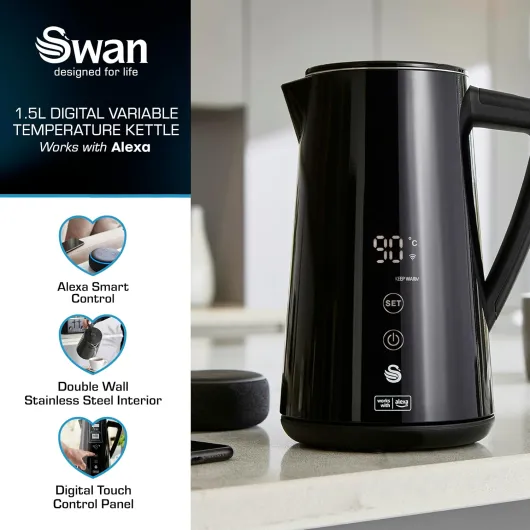
Focus on accurate temperature control, a reliable keep warm function, and clear temperature settings that cover your favorite drinks. Check that the handle feels comfortable, the lid opens wide for cleaning, and the materials are high quality stainless steel or durable glass. Safety features such as auto shut off, boil dry protection, and recognized certifications are essential for everyday peace of mind.
Are gooseneck kettles only for coffee enthusiasts ?
Gooseneck kettles are especially popular with pour over coffee fans, because the narrow spout allows precise control over flow rate and direction. However, tea drinkers also benefit from the gentle pour, which helps avoid splashing delicate leaves or overfilling small teapots. If you value accuracy and a calm brewing ritual, a gooseneck kettle can enhance both tea and coffee preparation.
How often should I descale my electric kettle ?
The ideal descaling frequency depends on your local water hardness and how often you use the kettle. In areas with hard water, many experts recommend descaling every two to four weeks to maintain fast water boil times and accurate kettle temperature readings. Softer water regions may allow longer intervals, but regular checks for visible scale on stainless steel or glass surfaces remain important.
Do smart features add real value to variable temperature kettles ?
Smart features such as app control, timers, and personalized temperature presets can add convenience for heavy users. They allow you to start heating water remotely, log how often you use each set temperature, and fine tune keep warm behavior to match your routine. That said, many people still prefer simple, well built electric kettles with intuitive dials and displays over more complex connected devices.