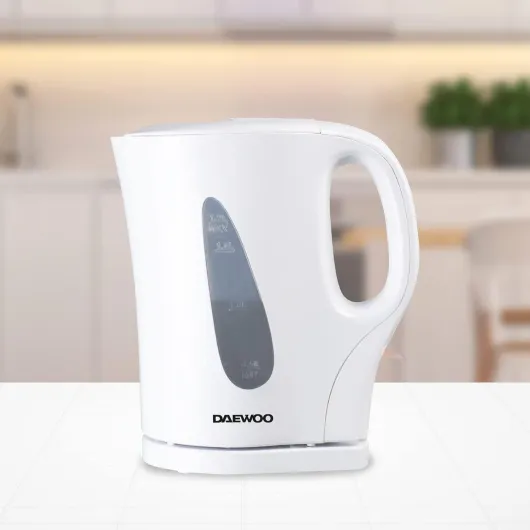
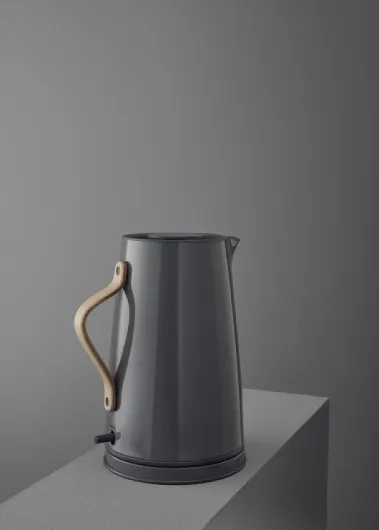
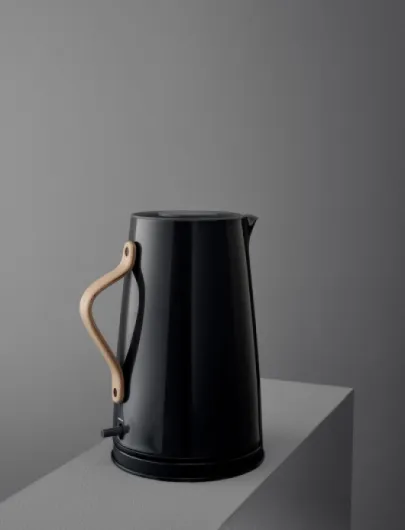
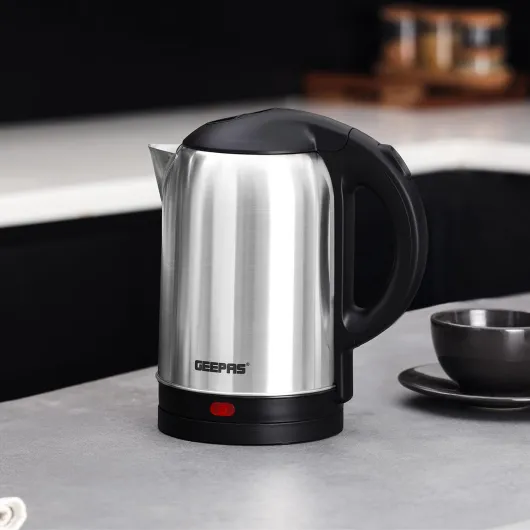
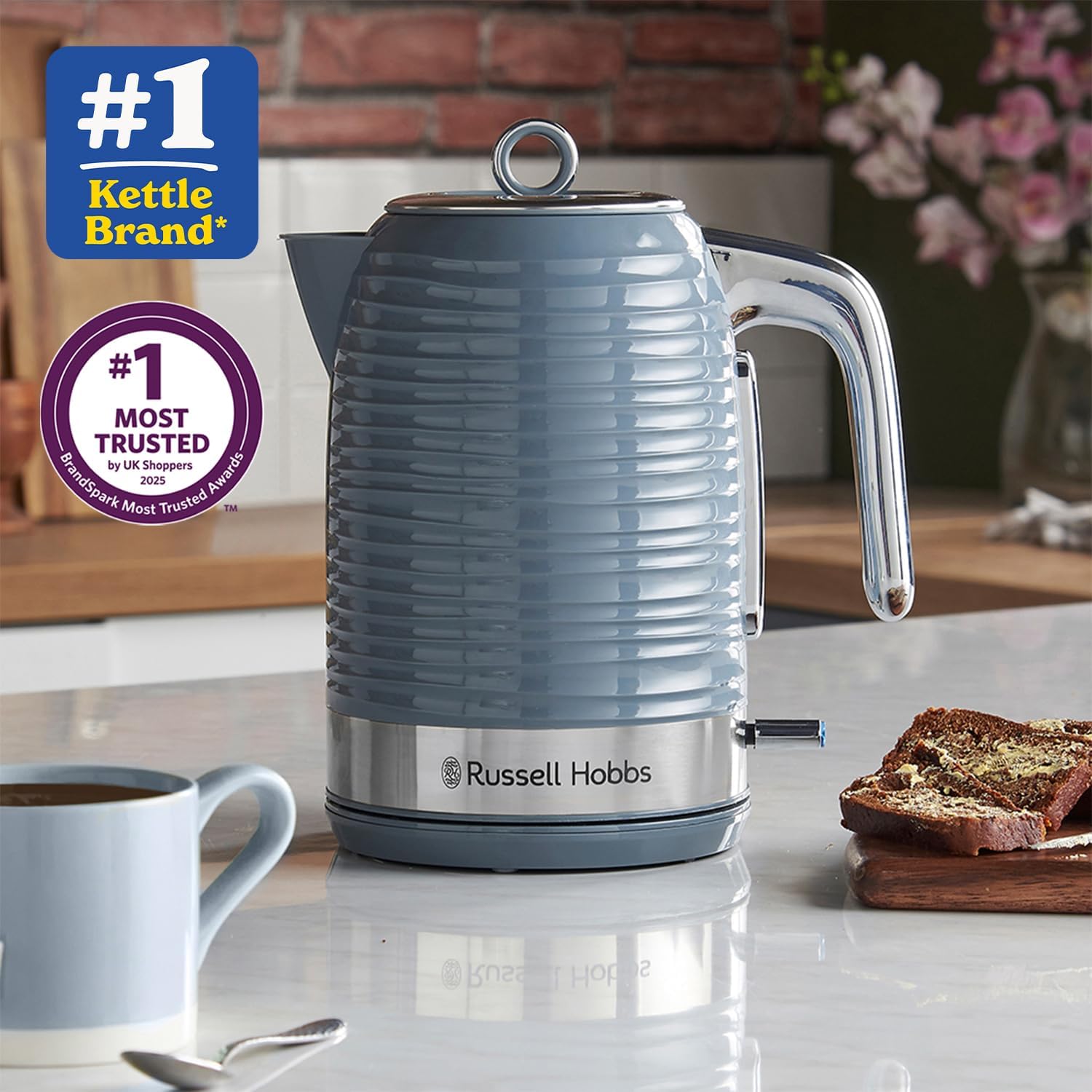
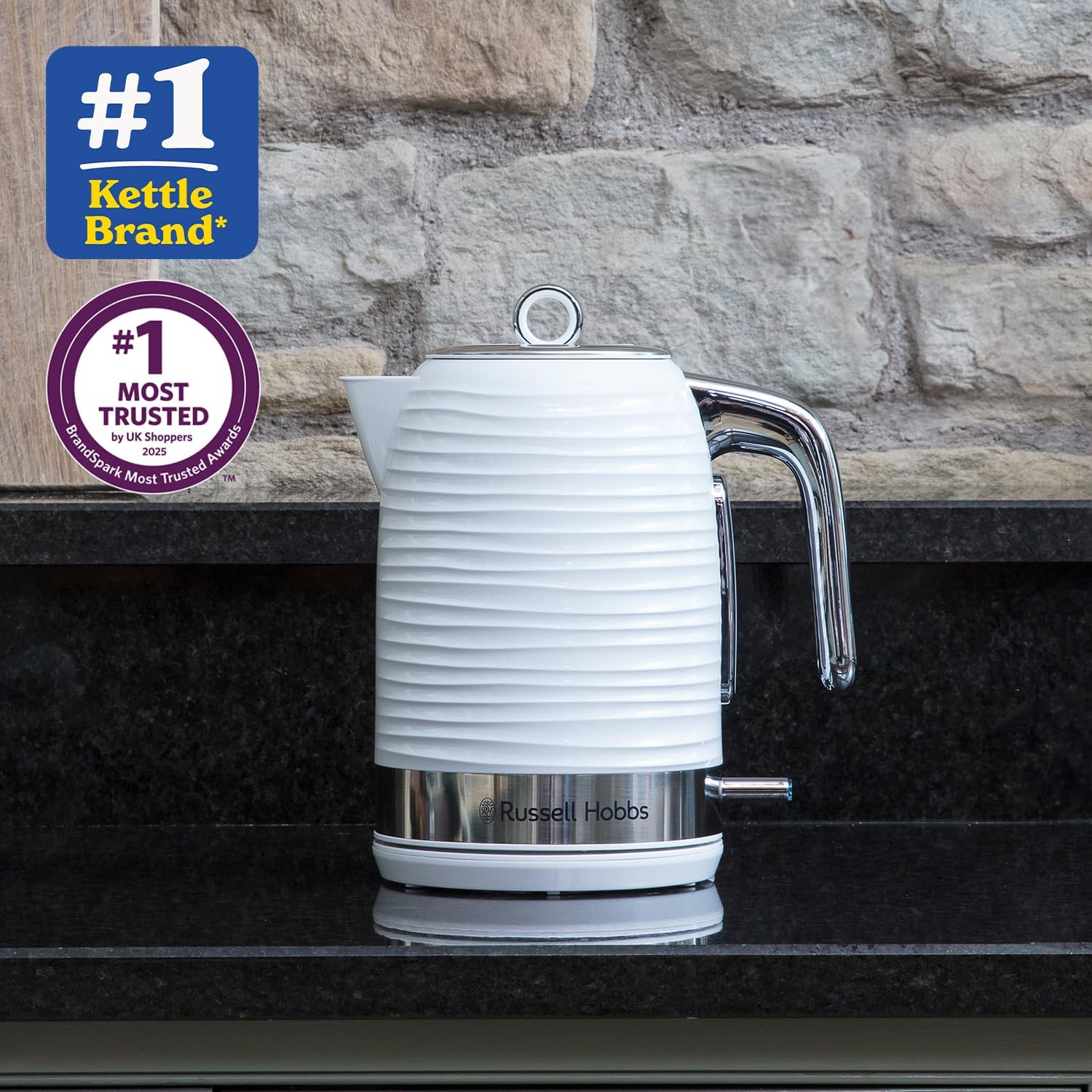
Key features that define the best cordless electric kettles
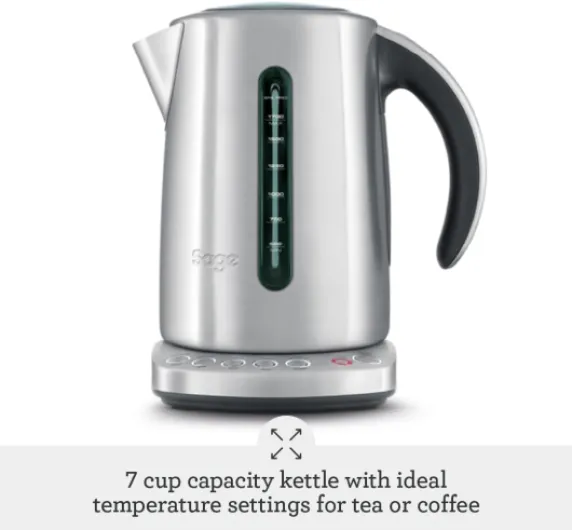
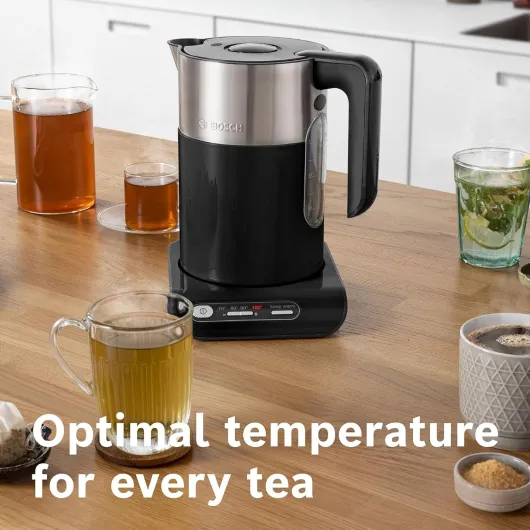
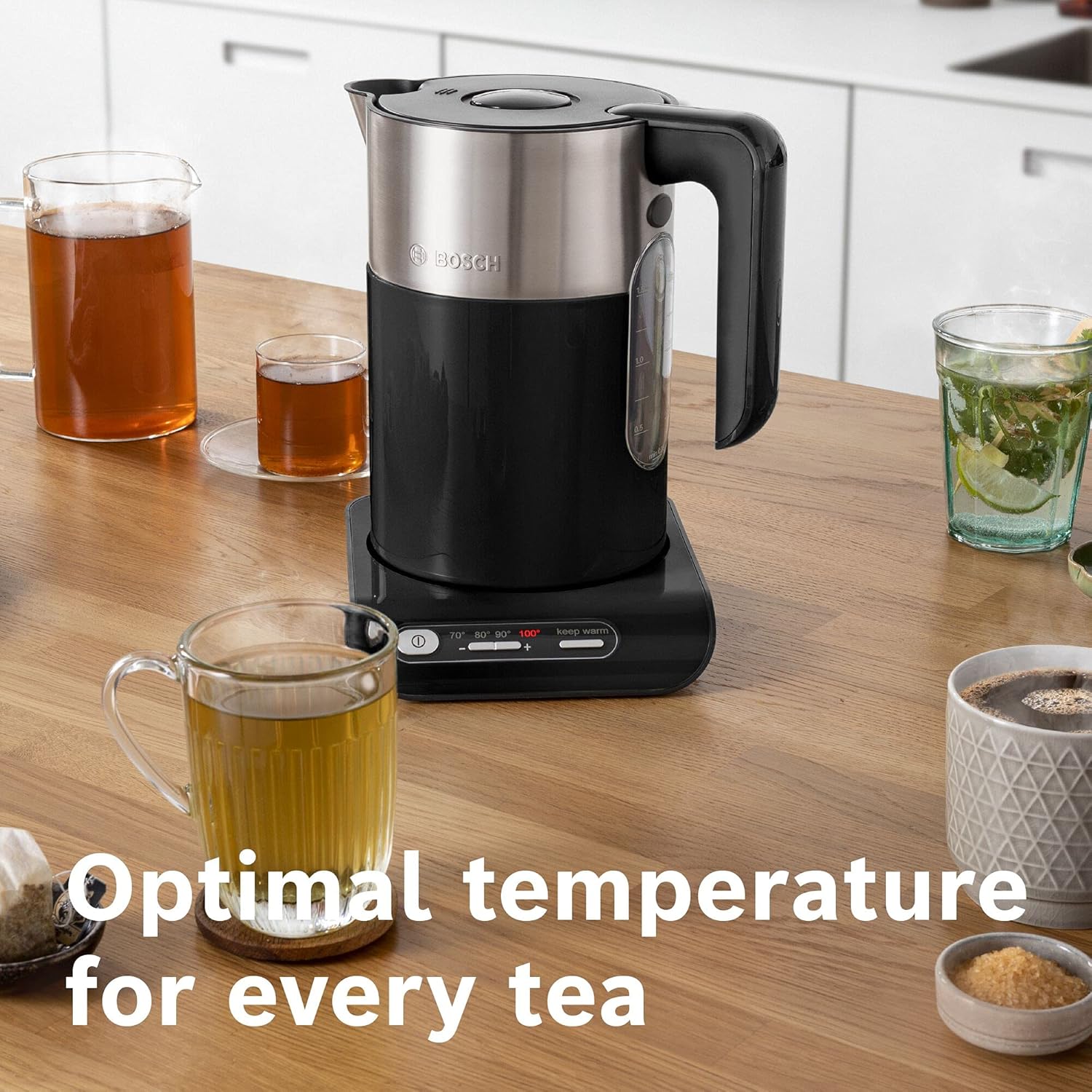
When evaluating the best cordless electric kettles, three pillars stand out ; speed, control, and safety. Speed is measured in minutes to boil a full kettle of water, and leading electric kettles typically hit that four minute benchmark. Control comes from temperature settings that let you choose precise heat levels for coffee, tea, or instant meals, avoiding the bitterness that boiling water can bring to delicate leaves.
Safety features now define serious contenders in this category, especially auto shut off and boil dry protection. Boil dry protection, sometimes called dry protection, cuts power when the electric kettle senses there is no water left, reducing the risk of overheating or electrical faults. Many stainless steel and glass kettles also add cool touch handles and lids, making it easier to pour safely when the body is hot.
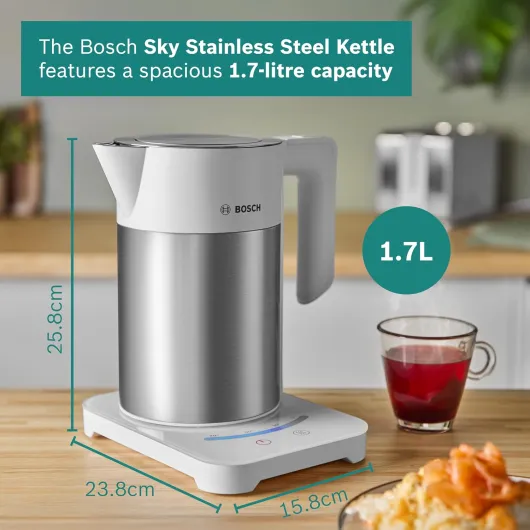
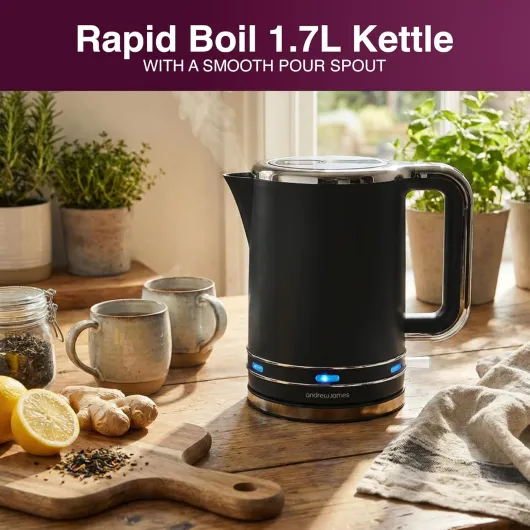
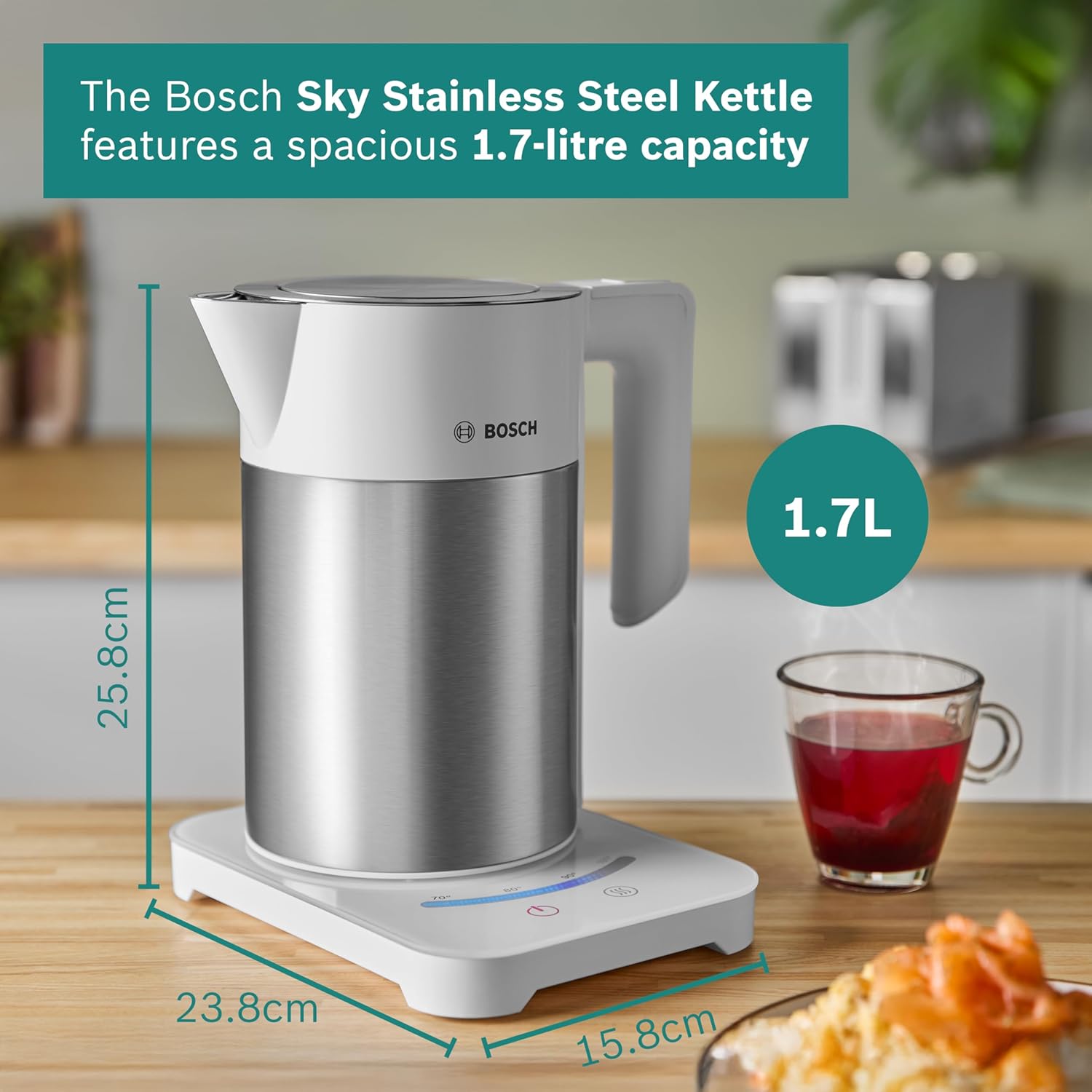
Material choice is another crucial factor for people comparing electric kettles and tea kettles. Stainless steel models offer durability and a clean, modern look, while glass kettles let you watch the water boil and check scale buildup at a glance. For those focused on capacity, guides to top 1.7 liter electric kettles highlight how much cups water you can heat at once without sacrificing performance.
Design details also influence daily satisfaction with the best cordless electric kettles. A well balanced handle and spout make it easy to pour slowly for coffee tea or quickly for pasta, while a wide lid opening simplifies cleaning. Gooseneck electric kettles, often used for pour over coffee, trade raw speed for precision control, but they still rely on the same core technologies that power mainstream electric kettles and electric tea kettles.
Performance, testing, and what real users notice first
From a performance standpoint, the best cordless electric kettles are defined less by marketing claims and more by how they behave after months of daily use. Independent labs and consumer organizations have tested kettles for boil time, temperature accuracy, and energy consumption, often confirming that a typical boil uses about 0.1 kWh. Over a year, that translates into roughly 36.5 kWh for one daily boil, a modest cost that still rewards energy efficient designs.
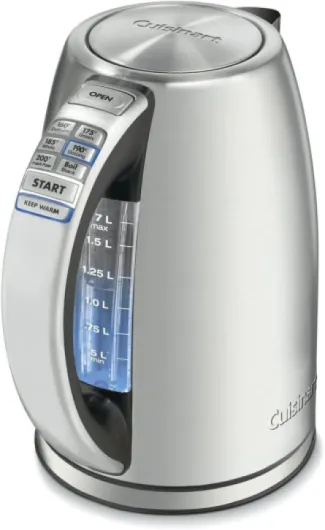
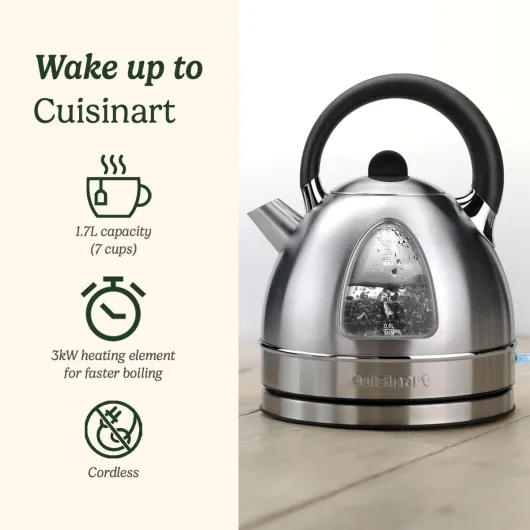
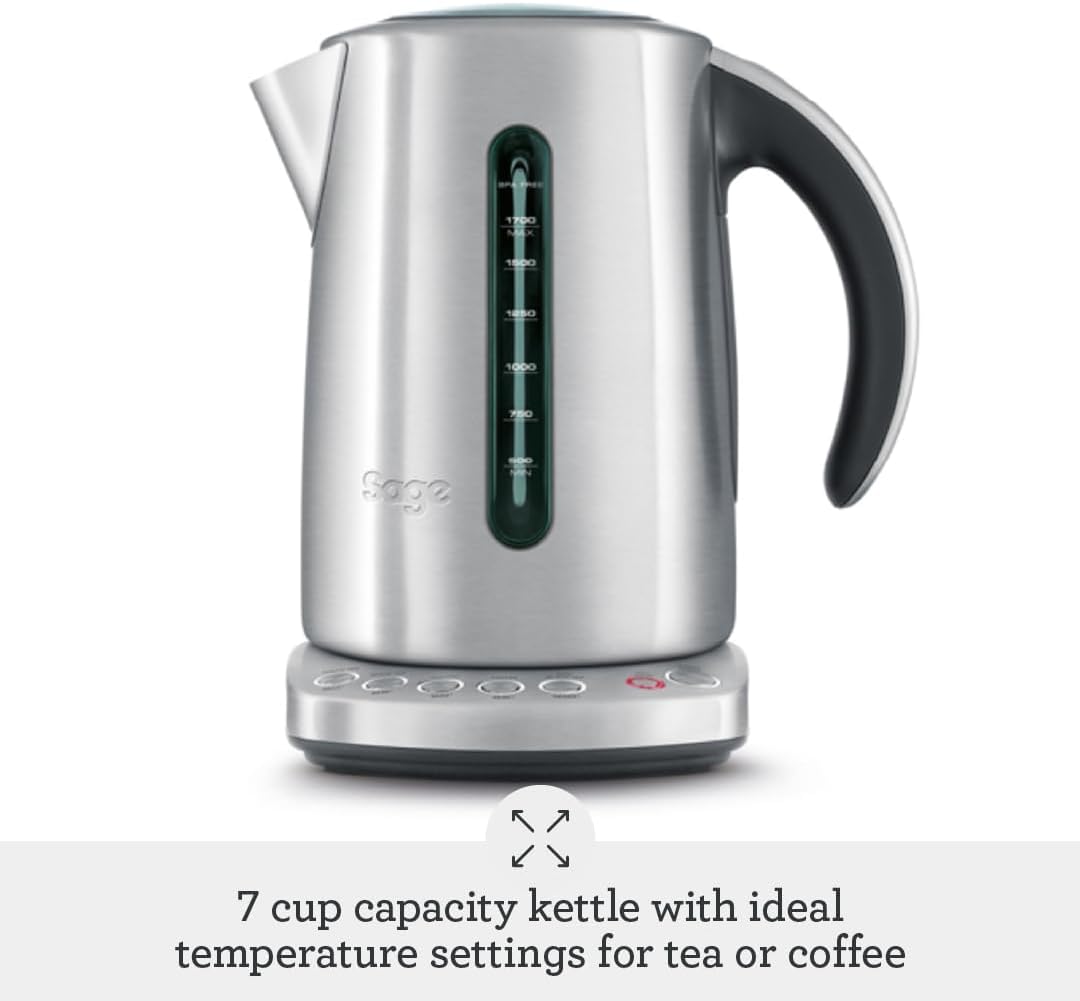
In comparative tests, models from Breville, Cuisinart, and OXO frequently appear among the best cordless electric kettles. The Breville BKE820XL, for example, built its reputation on variable temperature settings that suit both coffee and tea, while the Cuisinart CPK 17 emphasizes multiple presets and a reliable keep warm function. OXO Brew glass kettles, including the OXO Brew cordless glass electric kettle, appeal to users who like to see the water boil and appreciate minimalist styling.
Real world users often comment first on noise, speed, and how easy the kettle is to handle when full. A well designed stainless steel or glass electric kettle should pour smoothly without drips, and the base should allow the kettle to rotate freely for left or right handed use. For readers comparing a kettle cooker or multi use appliance, resources on choosing the right kettle cooker can clarify when a dedicated electric kettle is still the better option.
Journalistic reviews also highlight how safety certifications and build quality influence trust. Kettles that meet standards such as UL 1082 or IEC 60335 2 15, and that clearly state their stainless steel grade or glass type, tend to earn higher long term satisfaction. In this context, the best cordless electric kettles are those that combine tested performance, thoughtful ergonomics, and transparent safety information rather than relying solely on glossy marketing images.
Materials, design choices, and the rise of gooseneck kettles
Material selection shapes not only how the best cordless electric kettles look, but also how they age. Stainless steel kettles resist dents and often hide minor limescale marks, while glass kettles showcase every bubble as the water begins to boil. Some consumers prefer a full stainless steel interior with no plastic contact, and guides on choosing an electric kettle with no plastic have become increasingly popular among health conscious buyers.
Design also extends to the shape of the spout and handle, especially in gooseneck electric kettles aimed at coffee enthusiasts. A gooseneck electric kettle allows a slow, controlled pour that is ideal for pour over coffee, where the flow rate and direction influence extraction. Many of these gooseneck kettles still offer variable temperature settings, keep warm modes, and boil dry protection, aligning them with mainstream electric kettles while serving a more specialized audience.
For tea drinkers, the line between a traditional tea kettle and an electric tea kettle has blurred. Modern electric tea kettles often mimic the silhouette of classic stovetop kettles while hiding heating elements beneath a stainless steel base. Whether you choose glass or stainless steel, the best cordless electric kettles aim to keep water tasting neutral, avoid metallic flavors, and maintain a stable temperature for several minutes.
Thoughtful design also means easy cleaning and maintenance, which directly affects performance over time. Wide lids, removable filters, and clear maximum fill lines help prevent overfilling and reduce the risk of boil dry incidents. In this way, the materials and design details of electric kettles, tea kettles, and gooseneck models all contribute to a safer, more predictable daily boiling routine.
Buying channels, pricing, and how to read online reviews
Most people now encounter the best cordless electric kettles first through online listings and reviews. Large platforms such as Amazon and specialty retailers like Williams Sonoma dominate search results, each presenting electric kettles, tea kettles, and gooseneck models with star ratings and user comments. Understanding how to interpret those reviews is crucial, because not every jump review or review best label reflects careful testing.
On Amazon, for example, you may see phrases like “amazon jump” or “credit amazon” in promotional sections that link directly to highlighted products. Some kettle amazon listings also mention “kettle credit” or store credit offers, which can make a premium stainless steel or glass electric kettle feel more affordable. As a reader, it helps to separate these marketing cues from the underlying performance data, focusing instead on verified reviews that mention boil time, temperature accuracy, and keep warm reliability.
Williams Sonoma, by contrast, tends to curate a smaller range of electric kettles and tea kettles, often emphasizing stainless steel finishes and design forward brands. Prices there can be higher than on Amazon, but the selection usually leans toward models that have already been tested by in house buyers. Whether you shop through kettle amazon pages or a Williams Sonoma catalog, look for clear descriptions of boil dry protection, cool touch features, and temperature settings.
Price wise, budget electric kettles often start around the cost of a few bags of premium coffee, while high end models can reach several times that amount. The best cordless electric kettles justify their price with durable stainless steel or glass construction, reliable safety systems, and consistent performance over thousands of boiling cycles. Reading beyond the first jump review and comparing multiple review best summaries will help you identify which kettles truly earn their ratings rather than relying on short term promotional credit.
Practical tips for choosing and using the best cordless electric kettles
Choosing among the best cordless electric kettles starts with an honest look at your daily habits. Count how many cups water you typically boil at once, then match that to a kettle capacity that will not feel oversized or underpowered. For most households, a 1.5 to 1.7 liter stainless steel or glass electric kettle balances speed, efficiency, and counter space.
If you drink both coffee and tea, prioritize electric kettles with multiple temperature settings and a dependable keep warm function. These features let you heat water for green tea at a lower temperature, then quickly reheat for coffee tea blends or herbal infusions without waiting several extra minutes. Gooseneck electric kettles are ideal if you brew pour over coffee regularly, but a standard spout may be more versatile for instant meals and general cooking.
Safety and durability should guide your final decision, especially when comparing electric kettles and tea kettles at similar prices. Look for models that clearly state they include boil dry protection or dry protection, auto shut off, and cool touch handles or bases. A well designed electric kettle will keep operating safely even after thousands of cycles, provided you descale it regularly and avoid running it empty.
Once you bring a new electric kettle home, a few habits will extend its life and maintain performance. Empty leftover water between uses, wipe the exterior of stainless steel or glass surfaces, and descale according to the manufacturer’s instructions. With this care, the best cordless electric kettles will continue to boil water quickly, pour smoothly, and support your daily coffee, tea, and cooking routines for many years.
Key statistics on cordless electric kettles
- Average boiling time for a full cordless electric kettle is about four minutes for 1.7 liters of water.
- Typical capacity for mainstream cordless electric kettles is approximately 1.7 liters, enough for several cups water.
- Standard kettles use around 0.1 kWh per boil, while energy efficient kettles can reduce this to about 0.08 kWh.
- Assuming one boil per day at 0.1 kWh, annual energy use is roughly 36.5 kWh per kettle.
- Premium cordless electric kettles average around 150 USD, while budget models cluster near 50 USD.
- About 60 % of kettle owners purchase accessories such as tea infusers, descaling solutions, or protective covers.