Key features that define the best glass electric kettles
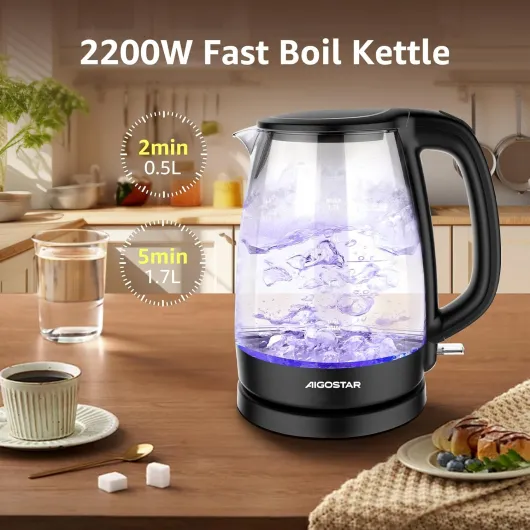
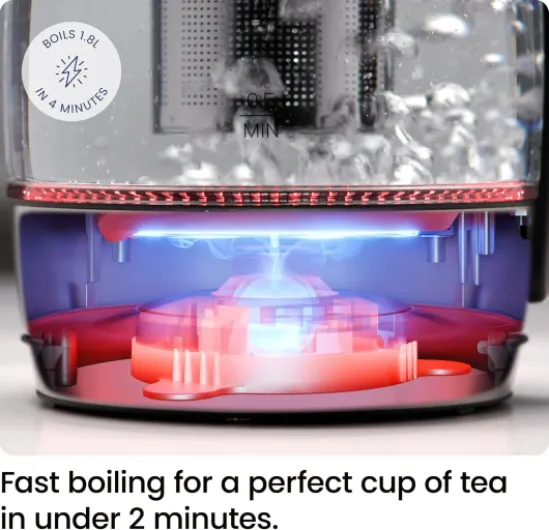
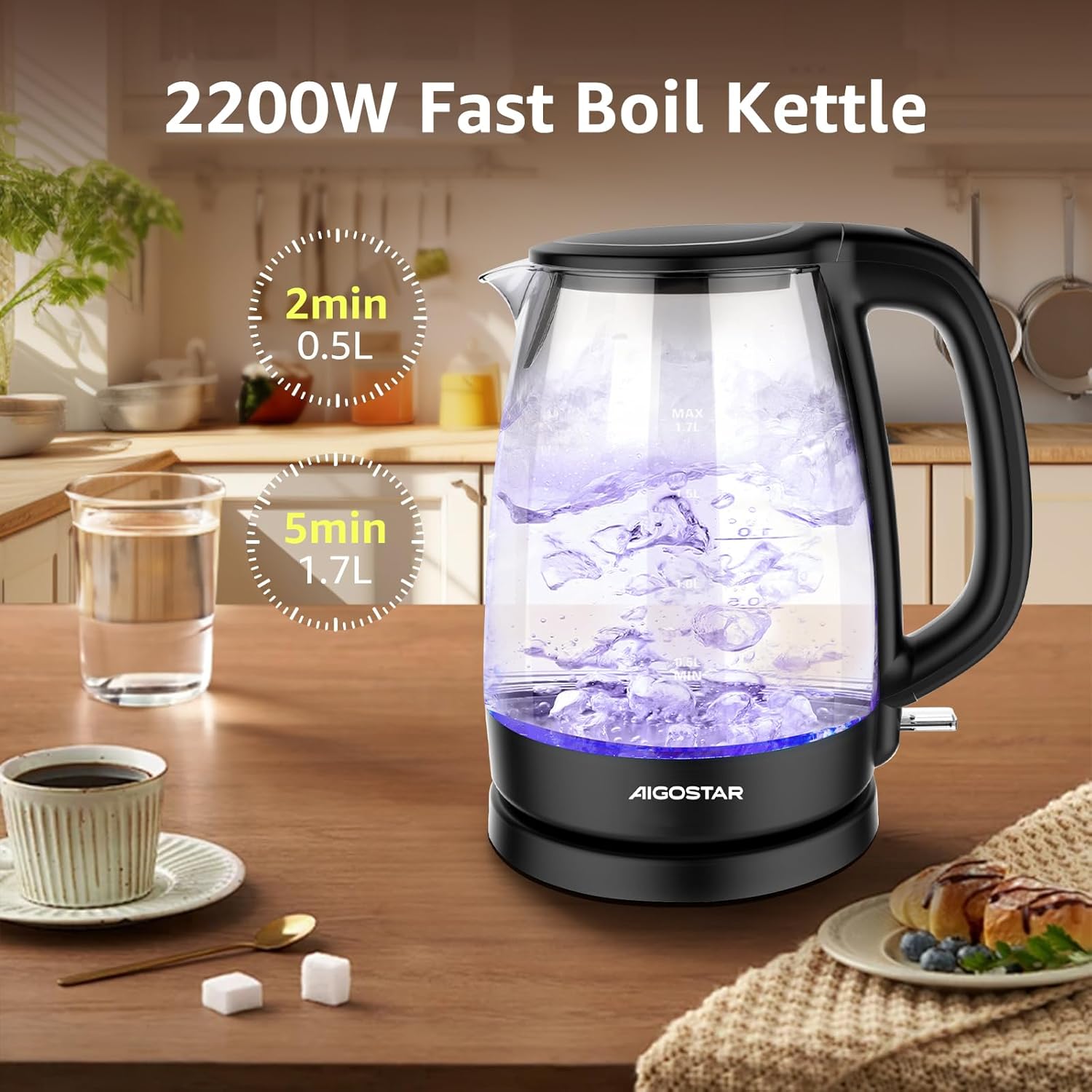
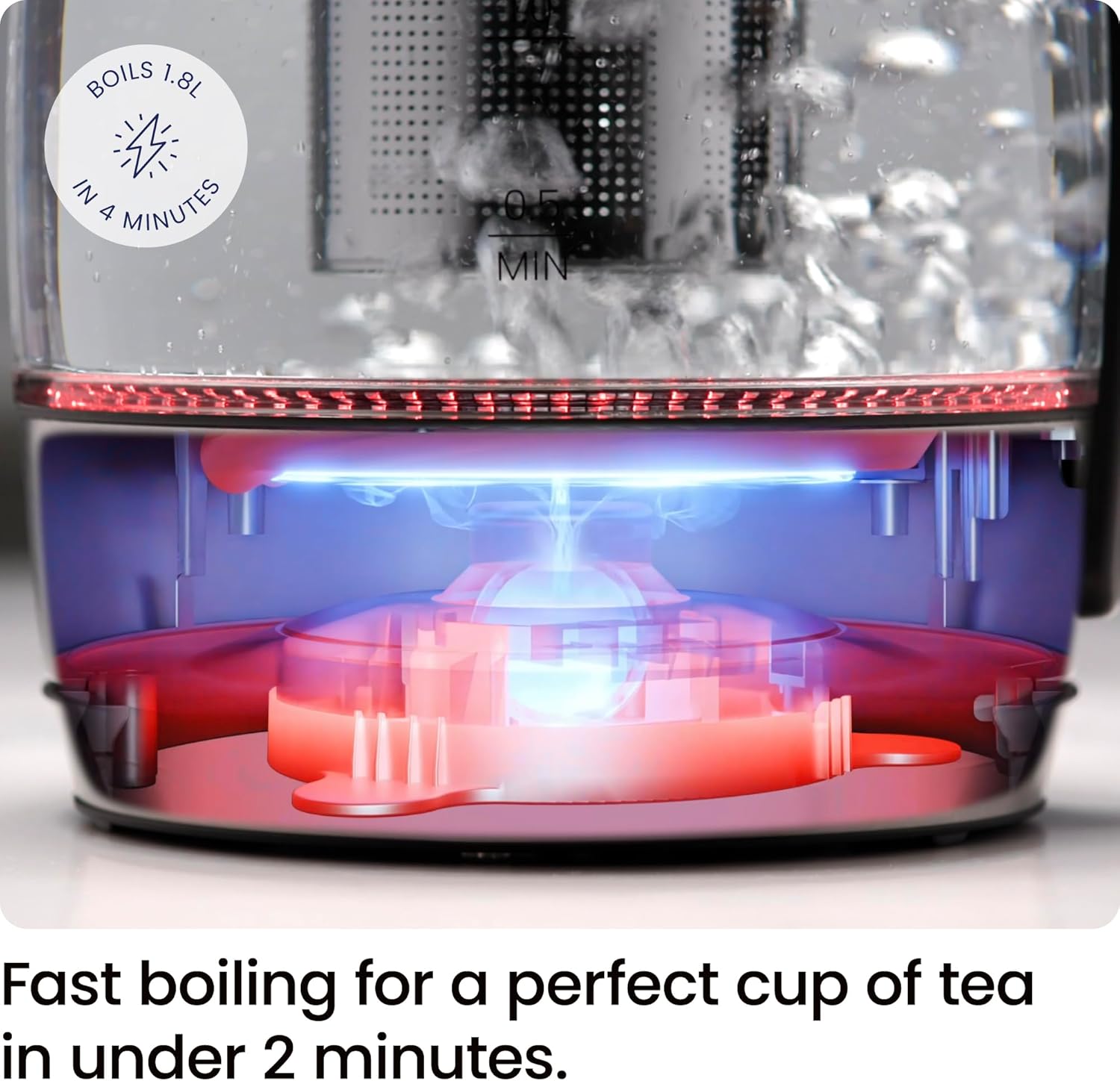
Several technical details separate an average electric kettle from the best electric glass models. The first is power, because a 2 200 watt electric kettle can bring one litre of water to a full boil in roughly three to four minutes, while weaker kettles take more time and waste more energy. Fast boiling matters when you brew tea before work or prepare coffee for several guests at once.
Temperature control is the second decisive feature for serious tea kettle buyers. Variable temperature settings allow you to heat water to around 70 °C for delicate green tea, 85 °C for pour over coffee, or 96 °C for a robust French press, instead of always reaching a rolling boiling point. When temperature control is paired with a two hour keep warm function, a glass kettle becomes a precise tool rather than just another electric appliance.
Construction quality also deserves close attention, especially where glass meets stainless steel. Look for a glass kettle with a stainless steel base, a steel spout, and minimal plastic inside the water chamber, because these details influence taste and long term safety. For readers interested in a detailed lab style assessment of a glass and stainless steel hot water kettle with temperature control and a tea infuser, an in depth test is available under this electric kettle with temperature control review.
Glass gooseneck kettles for precision coffee and tea
While many glass electric kettles use a standard spout, a glass electric gooseneck kettle targets a different audience. The long curved gooseneck spout gives you slow, accurate pour control, which is essential when you pour coffee over a filter cone or bloom freshly ground beans. For manual brewing fans, a gooseneck kettle is not a luxury but a basic requirement for repeatable results.
The Fellow Stagg EKG is the most cited example of a premium gooseneck kettle with advanced temperature settings and tight temperature control. Although the classic Fellow Stagg EKG uses a stainless steel body rather than full glass, its design principles now influence many glass gooseneck electric kettles that combine a transparent chamber with a steel gooseneck spout. These hybrid designs let you see the water boiling while still enjoying the precise pour that made the original Fellow Stagg kettle famous among baristas.
When you compare a glass gooseneck kettle with a standard glass kettle, think about how you actually brew hot drinks at home. If you mainly fill a French press or a large teapot, a regular spout is easy and fast, but if you pour coffee slowly over a dripper, the gooseneck shape gives you superior flow control. For a curated list of top rated models that balance glass aesthetics with practical features, you can consult this specialist guide to top glass electric kettles that focuses on performance rather than marketing claims.
Buying glass electric kettles on Amazon and beyond
Online marketplaces changed how people choose the best glass electric kettles for their kitchens. When you search for a glass kettle on Amazon, you can filter by capacity, power, temperature settings, and customer ratings in a few seconds. That makes it easier to compare the advertised boil time, the stated keep warm duration, and the real world experiences of thousands of buyers.
Price remains a central factor, but it should not be the only one guiding your decision when you buy on Amazon or in a local store. A very low price on a no name electric kettle can signal thin glass, weak stainless steel fittings, or unreliable temperature control electronics, which may fail after a short period of daily boiling. Paying a moderate premium for a reputable brand often buys better safety features, clearer water level markings, and more accurate electric temperature sensors.
When you evaluate any kettle on Amazon, read the negative reviews as carefully as the positive ones. Repeated complaints about cloudy glass, rust on stainless steel parts, or inaccurate temperature readings suggest that the electric kettles in that range may not justify even a modest price. If you prefer to buy Amazon products that qualify for extended returns, check the seller information and warranty terms before adding a glass electric kettle to your basket.
Safety, maintenance, and travel use for glass electric kettles
Safety is a non negotiable aspect when you bring boiling water into a busy kitchen. Quality glass electric kettles include automatic shut off, boil dry protection, and cool touch handles, which together reduce the risk of accidents around children or pets. You should still keep the kettle cord short and avoid placing any electric kettle near the edge of a counter where it could be pulled down.
Maintenance also affects both taste and longevity, especially in hard water regions where limescale builds up quickly. Regular descaling with a mild citric acid solution keeps the glass walls clear, protects the stainless steel heating plate, and helps the kettle reach boiling temperature faster by improving heat transfer. Wiping the exterior glass with a soft cloth after each use prevents mineral streaks and keeps the kettle looking as clean as the water inside.
Some readers want a glass kettle that can travel, whether for hotel rooms or student housing. While full size glass electric kettles are not ideal for suitcases, compact travel kettles with robust steel bodies can complement a fragile glass model at home. For a detailed comparison of which travel kettles survive luggage impacts yet still boil safely on foreign voltages, see this independent test of travel kettles put through their paces that focuses on durability and safe boiling abroad.
How to match a glass electric kettle to your daily routine
Choosing among the best glass electric kettles starts with an honest look at your habits. If you mainly prepare one or two mugs of tea or instant coffee, a compact 1 litre glass electric kettle with simple on off control may be the most efficient option. Large households that boil water repeatedly for cooking, tea, and pour over coffee will benefit from a 1.7 litre kettle with higher power and a robust stainless steel base.
Think carefully about which temperature settings you will actually use in daily life. Enthusiasts who brew green tea, oolong, and specialty pour over coffee will appreciate a tea kettle or gooseneck kettle that offers precise temperature control in 5 °C steps, while casual users may only need presets for 80 °C, 90 °C, and full boiling. A programmable keep warm function can be helpful if several people drink hot drinks over an extended breakfast, but it also consumes extra electric power if left on unnecessarily.
Finally, consider how the kettle fits into your kitchen design and workflow. A glass electric kettle with a clear water level window, a smooth pour spout, and a balanced handle will feel easy to use even when it is full, while a poorly designed kettle can drip or strain your wrist. Matching the glass, steel, and plastic accents to your existing appliances also helps the kettle feel like a natural part of your space rather than an awkward afterthought.
Price, value, and when premium features are worth paying for
Price differences between basic and premium glass electric kettles can be significant. Entry level models often focus on simple boiling with a single switch, while higher priced kettles add variable temperature control, multiple temperature settings, and advanced safety sensors. The challenge is to decide which features genuinely improve your daily experience and which ones are marketing extras you will rarely use.
For many households, the best electric value sits in the middle of the market. A mid range glass kettle with a stainless steel base, clear water level markings, and at least three temperature presets usually offers a strong balance between performance and durability, without reaching the cost of a barista grade gooseneck kettle such as the Fellow Stagg EKG. If you brew pour over coffee every morning and care deeply about extraction, investing in a premium electric gooseneck kettle with precise control can make sense, but casual tea drinkers may never notice the difference.
When you compare prices across electric kettles, always factor in expected lifespan and energy efficiency. A reliable glass electric kettle that boils quickly and resists limescale can outlast several cheaper kettles, reducing waste and long term cost, while also using less electric power over time. In that sense, the best glass electric kettles are not simply the cheapest options on a kettle Amazon search page, but the models that combine safe boiling, accurate temperature control, and durable glass and stainless steel construction at a fair overall price.
Key figures about glass electric kettles
- In a comparative test by a major consumer organization, fast boiling glass electric kettles using around 2 200 watts heated one litre of water in about three minutes, while lower power kettles needed up to five minutes, which represents roughly 40 % more waiting time and higher energy use. Exact times vary by model and are documented in individual product test reports.
- Market research on small kitchen appliances shows that electric kettles with visible water level markings reduce average overfilling by about 20 %, which directly cuts wasted energy because users boil only the water they need. These findings are typically based on panel surveys and usage diaries published in annual appliance studies.
- Surveys of tea and coffee drinkers indicate that more than half of buyers now prefer kettles with at least three temperature settings, reflecting a shift from simple boiling toward more precise temperature control for different drinks. Methodology and sample sizes are usually detailed in the original survey documentation.
- In product safety reports, automatic shut off and boil dry protection are cited as preventing a large majority of kettle overheating incidents, highlighting why these features are essential in any modern glass electric kettle. National consumer safety agencies publish the underlying incident statistics and testing protocols.