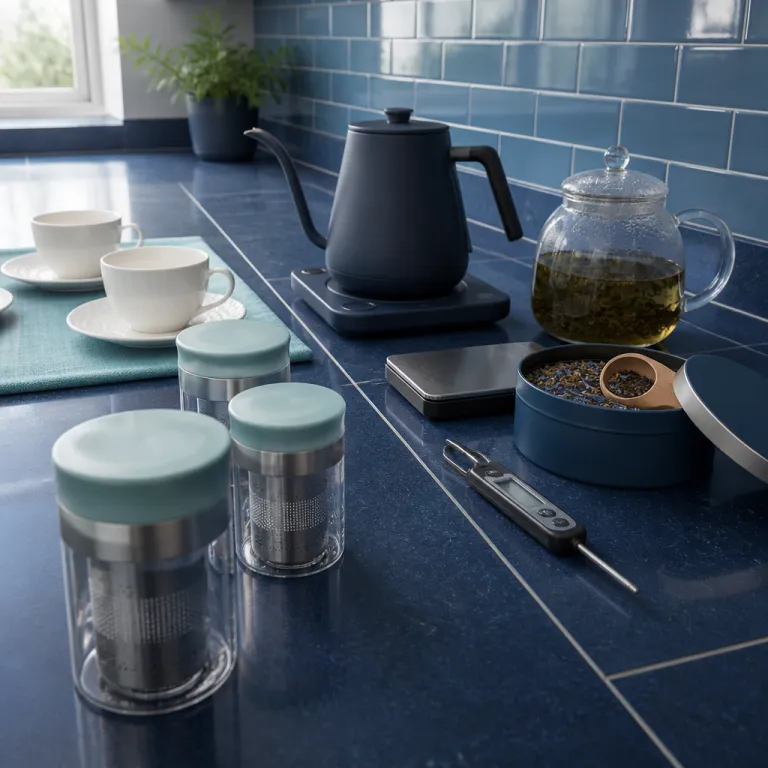
Why the best tea starts with precise electric kettle control
For anyone chasing the best tea at home, the electric kettle is more than a convenience appliance. It is the silent partner that decides whether your green tea tastes vibrant and sweet or flat and bitter, and whether a prized black tea shows its chocolate depth or turns harsh. When you pair accurate temperature control with the right tea infusers and strainers, every cup can move from pretty good to consistently exceptional.
Most people start with tea bags and a basic kettle, which is a reasonable way to learn what teas they enjoy. Yet as soon as you move to loose leaf tea, water temperature and timing become critical, because delicate leaf structures react differently to heat and steeping time. Electric kettles with variable settings let you select 70–80 °C for green tea, around 90 °C for oolong, and a full boil for robust black tea, which is the foundation for any serious search for the best tea experience.
Online communities such as Steepster and similar forums are full of tasting notes where users compare how the same tea behaves at different temperatures. You will often see someone start discussion posts about a specific earl grey or a tao tea blend, then update their impressions after trying a lower temperature with an electric kettle. That kind of careful experimentation, supported by precise heating, is what separates good teas from truly great ones in everyday kitchens.
Choosing tea infusers and strainers that respect loose leaf quality
Once your kettle is under control, the next step toward the best tea is choosing the right accessories for loose leaf brewing. A cramped metal ball infuser may look charming, yet it often prevents the leaf from expanding fully, which leads to a brew that is only pretty good instead of genuinely expressive. Modern basket style tea infusers and fine mesh strainers give the leaf room to open, allowing complex black green blends or single origin green tea to release their full aroma.
When you select a tea infuser, focus on mesh size, volume, and how well it fits your mug or teapot. Fine mesh is essential for small leaf styles and broken leaf black tea, while a slightly wider mesh works for large whole leaf oolong or certain herbal teas. A deep basket that hangs in the center of the vessel, rather than sitting shallow at the top, keeps the infusion even and helps every type of tea taste better, whether you brew classic earl grey or a floral tao tea blend.
People who are serious about loose leaf often read guides on how to choose a loose leaf tea infuser for precise electric kettle brewing, because the interaction between water flow and mesh design matters. If you browse a site like Amazon and search for tea infusers, you will see thousands of options, so it helps to read user reviews where people sign into their accounts, post updates, and revise their earlier comments after months of use. Look for repeated praise about good quality welds, handles that stay cool, and lids that double as drip trays, since these details make daily tea preparation smoother and more enjoyable.
Electric kettles, milk jugs, and how they shape black tea and green tea
Electric kettles influence not only the best tea brewed straight, but also how you prepare milk based drinks built on black tea. A strong breakfast black tea or a bergamot scented earl grey often tastes better when paired with milk steamed in a dedicated metal milk jug, rather than heated directly in a mug. Using a separate jug lets you control texture and temperature, which keeps the tea liquor bright instead of dull.
Many tea drinkers now use the same stainless steel milk jugs that baristas rely on for coffee, because they pour cleanly and withstand repeated heating. Articles that explore the versatility of metal milk jugs show how these tools help you create café style tea lattes at home, especially when your electric kettle delivers water at the exact temperature for black tea or green tea bases. With this setup, you can brew a concentrated black green blend, then add micro foamed milk for a drink that rivals anything sold in a chain café.
Green tea rarely pairs with milk, yet it still benefits from careful pouring using a spouted jug when you want to cool water quickly before brewing. Pouring boiled water into a cool metal jug can drop the temperature by several degrees, which protects delicate loose leaf teas from scalding. Whether you drink your tea straight or with milk, the combination of a precise kettle, a well designed infuser, and a quality jug turns a simple kitchen into a focused tea station where every detail supports good teas rather than compromising them.
From tea bags to loose leaf: when electric kettles reveal the best tea
Many people first meet tea through supermarket tea bags, brewed with water that has just reached a rolling boil. That method works reasonably well for sturdy black tea blends, yet it often flattens the nuance in more delicate teas and can make green tea taste harsh. An electric kettle with temperature presets lets you move beyond this one size fits all approach and treat each style with the respect it deserves.
When you shift from tea bags to loose leaf, you gain control over leaf quantity, steeping time, and infusion strength. A scale or measuring spoon helps you add the right amount of leaf, while a timer ensures that you do not over extract tannins, which can make even the best tea taste rough. With practice, you will learn that a lightly packed infuser and slightly cooler water can make a tao tea jasmine green feel softer, while a higher dose and full boil bring out the malt in an Assam black tea.
Online retailers such as Amazon make it easy to compare loose teas, tea bags, and electric kettles in one place, though you should always read beyond the star ratings. Look for reviews where users clearly describe their brewing parameters, update their impressions after several months, and answer questions about kettle durability or temperature accuracy. Those detailed notes, often shared by people who also participate in Steepster style communities, help you separate marketing claims from real world performance and guide you toward equipment that consistently supports better tea outcomes.
Digital tea communities, logging tastings, and using electric kettles wisely
Serious tea drinkers often treat their electric kettle as part of a broader system that includes digital tasting logs and community feedback. Platforms similar to Steepster encourage users to log in, add tasting notes, and post message threads about how different kettles and infusers affect flavor. Over time, these logs become a personal archive that shows which parameters reliably produce the best tea for your palate.
When you read these discussions, pay attention to how people describe the relationship between water temperature, leaf quantity, and infusion time. Someone might start discussion posts about a new rishi tea, then later revise their review after trying a lower temperature with the same electric kettle. Patterns emerge, such as green tea tasting better at 75–80 °C, while robust black tea blends remain forgiving even at a full boil.
Many communities also share practical tips about kettle maintenance, such as descaling frequency and how to avoid plastic flavors leaching into hot water. Users often sign their posts with details about their setup, including kettle brand, preferred tea bags for travel, and favorite loose leaf suppliers like rishi tea or tao tea. By reading these concise summaries and comparing them with your own experience, you can refine your technique and ensure that every upgrade, from a new kettle to a different infuser, genuinely leads to good quality improvements rather than change for its own sake.
Safety, temperature rules, and electric kettles for every household
Electric kettles designed for tea must balance performance with safety, especially in homes with children or older adults. Features such as automatic shutoff, cool touch exteriors, and secure lids are not marketing extras, they are essential safeguards when boiling water several times a day. When you evaluate models, think about who will use the kettle and how often, because the best tea is never worth a safety compromise.
Households with infants or toddlers face additional challenges, since they may use the same kettle for both tea and baby formula. Guides on kettles for baby formula and temperature rules explain why precise control matters when preparing bottles, and those lessons carry over directly to brewing green tea or delicate white teas. A kettle that can hold water at 70 °C for formula can just as easily maintain the ideal range for a gentle sencha or a lightly oxidized oolong, giving you confidence in both roles.
People who care about health often ask whether repeated boiling affects water quality or the taste of good teas. While reboiling does not inherently make water unsafe, it can concentrate dissolved minerals slightly, which may change how certain teas taste, especially very soft green tea styles. Using fresh water for each session, descaling the kettle regularly, and pairing it with high quality loose leaf from producers such as rishi tea or tao tea ensures that your search for the best tea remains grounded in both flavor and wellbeing.
Key figures that shape electric kettle and tea habits
- Global tea production was about 6.5 billion kilograms in 2022 according to the Food and Agriculture Organization, which means even small improvements in electric kettle efficiency can influence energy use on a meaningful scale.
- Variable temperature electric kettles typically consume the same peak power as basic models, yet they can reduce overboiling and unnecessary reheating by a noticeable margin when used thoughtfully.
- Consumer surveys from national tea associations indicate that a substantial share of regular tea drinkers now use loose leaf at least once a week, a shift that increases the importance of good quality infusers and precise kettles.
- Research on water hardness and tea extraction from organizations such as the UK Tea & Infusions Association suggests that moderately hard water, around 50–100 mg/L of calcium carbonate, often produces better perceived flavor in black tea than very soft water, which can taste flat.
- Retail data from large online platforms such as Amazon show that electric kettles with multiple temperature presets frequently outsell single temperature models in tea focused markets, reflecting growing awareness of how heat control affects the best tea experience.
FAQ about electric kettles, infusers, and brewing the best tea
Does an electric kettle really improve tea flavor compared with a stovetop kettle ?
An electric kettle with variable temperature control can significantly improve tea flavor because it lets you match water heat to each style. Green tea and white tea are sensitive to boiling water, while most black tea blends tolerate higher temperatures. By avoiding overheating, you reduce bitterness and allow more nuanced aromas to emerge.
What temperature settings should I use for different teas ?
As a practical guide, aim for 70–80 °C for delicate green tea, 80–90 °C for many oolongs, and close to 100 °C for robust black tea and most herbal infusions. Some specialty teas, such as high grade Japanese sencha, may benefit from even lower temperatures around 60–70 °C. When in doubt, start cooler and adjust upward in small steps until the flavor feels balanced.
Are tea bags always worse than loose leaf tea ?
Tea bags are not automatically worse, but they often contain smaller leaf particles that infuse quickly and can become harsh if oversteeped. Loose leaf tea usually offers more complexity and can be adjusted more precisely with an electric kettle and a good infuser. For everyday convenience, high quality tea bags can be pretty good, while loose leaf shines when you want the best tea experience.
How often should I descale my electric kettle ?
The ideal descaling frequency depends on your water hardness and how often you boil water. In areas with hard water, many manufacturers recommend descaling every 4–8 weeks, while softer water may allow longer intervals. Regular descaling keeps heating efficient and prevents mineral buildup from dulling the taste of delicate teas.
What type of tea infuser works best with an electric kettle ?
A spacious basket style infuser made from stainless steel or fine mesh is usually the best match for electric kettle brewing. It allows loose leaf tea to expand fully and ensures even contact with water poured at the correct temperature. Small ball infusers can work for quick cups, but they often restrict leaf movement and limit flavor compared with larger baskets.
Is there a simple checklist for brewing better tea with an electric kettle ?
For most teas, use about 2–3 grams of loose leaf (roughly one teaspoon) per 240 ml of water, adjust temperature to the tea type, and steep for 2–3 minutes for green tea, 3–4 minutes for many oolongs, and 3–5 minutes for black tea. Taste and fine tune one variable at a time so you can reliably repeat your favorite results.
