Why descaling your electric kettle matters more than you think
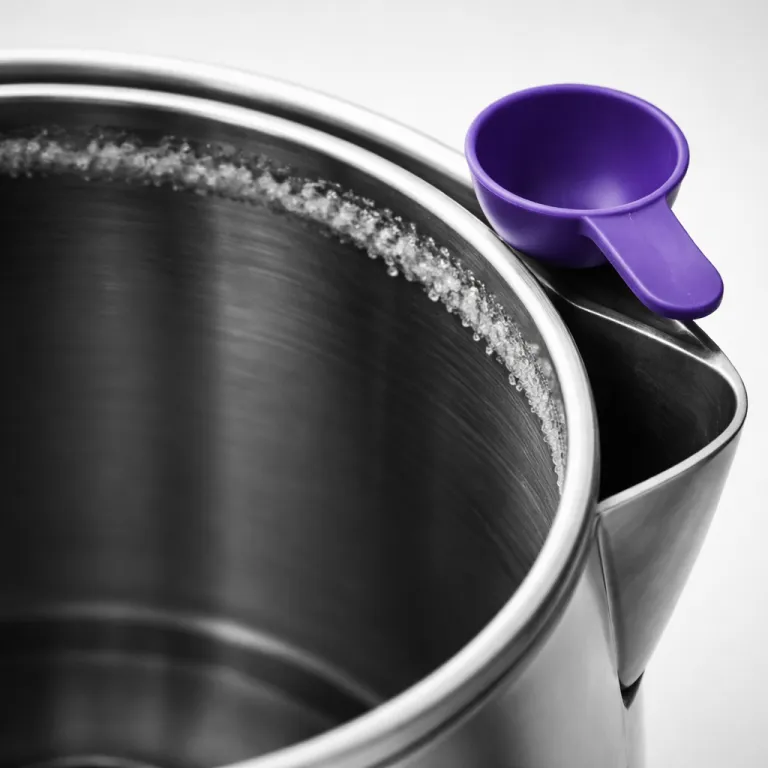
Every time you fill a kettle with tap water, you add invisible minerals. Over repeated boils those mineral particles harden into limescale buildup that clings to the inside of the electric kettle and slowly strangles its performance. Clean metal heats efficiently, but a crust of scale acts like insulation and forces the element to work harder.
In hard water regions, that mineral buildup can double boil times and leave white flakes in your tea or coffee. Owners of stainless steel models such as the Breville IQ or Cuisinart CPK-17 often notice a chalky ring at the bottom long before the outside looks dirty, which is why a regular cleaning step for the inside kettle is non negotiable. Ignore it and you shorten the life of the concealed element, stress the boil dry safety switch, and end up replacing equipment years earlier than necessary.
Water hardness is the real driver of how often you should descale electric kettles, not a generic calendar reminder. If your local supplier publishes hardness in parts per million, anything above roughly 300 ppm counts as very hard water and demands a descale every two weeks. Softer water below about 150 ppm lets you stretch that interval to six or even eight weeks, but only if you still inspect the inside with a torch for early limescale buildup.
How to check water hardness and set your descaling schedule
Before you decide how to descale electric kettle models in your home, you need to know what kind of water they face. In many regions you can enter your postcode on your water supplier’s website and see hardness data expressed as milligrams of calcium carbonate per litre of water, which is the same as ppm. That simple check tells you whether your tea kettle lives in an easy environment or a hostile one.
If your reading shows very hard water above about 300 ppm, treat descaling as a fortnightly cleaning step rather than an occasional chore. Hard water between roughly 200 and 300 ppm usually means a monthly descale electric routine is enough, while medium hardness around 150 to 200 ppm lets you push to every six weeks if you still monitor for mineral buildup. Soft water below 100 ppm is kinder to electric kettles, but even then an eight week cycle is the maximum if you want reliably clean electric performance and neutral tasting tea.
Your own kettle will also send signals when the schedule needs tightening. When you start seeing white specks in the first pour, hearing a harsher boiling noise, or noticing that the appliance takes longer to bring boil a full water load, limescale buildup has already thickened on the element. At that point you should both descale and then learn how to wash an electric kettle for perfectly clean boiling every time so that future cleaning becomes quicker and less abrasive.
Step by step: a complete guide to descaling with household acids
Once you know your water hardness, the actual process of how to descale electric kettle interiors is straightforward. You are essentially using a mild acid solution to dissolve alkaline mineral deposits, then flushing the inside until no taste or smell remains. The key is choosing the right acid and respecting a careful rinse protocol so your next tea tastes like tea, not salad dressing.
White vinegar is the classic option because it is cheap, available, and effective on stubborn limescale. Mix equal parts white vinegar and fresh water to create a water mixture strong enough to attack mineral buildup without damaging stainless steel or plastic, then pour it into the clean kettle until the element is fully covered. Switch on the electric kettle, bring boil the mixture once, then turn it off and let that mixture boil residue sit for 30 to 60 minutes so the acetic acid can fully descale the inside kettle surfaces.
Citric acid crystals offer a more neutral smelling alternative that many coffee and tea drinkers prefer. Dissolve one to two tablespoons of food grade citric acid in about one litre of warm water, pour this citric solution into the tea kettle, and repeat the same boil and soak step as with vinegar to descale electric buildup. After either method, empty the kettle, wipe the inside with a soft cloth, then perform at least three full cleaning cycles where you fill with plain water, bring boil, discard, and repeat, which is far more effective than a single rinse and pairs well with simple steps to effectively clean your electric kettle in daily use.
Comparing vinegar, citric acid, lemon juice and baking soda
Different acids attack limescale in slightly different ways, and that matters when you care about both taste and longevity. For most households, white vinegar and citric acid form the backbone of a sensible cleaning strategy because they balance strength, safety, and cost. Lemon juice and baking soda still have roles, but they work better as supporting players than as the main descale electric tools.
White vinegar at a one to one ratio with water is strong enough to dissolve heavy limescale buildup in older electric kettles, especially around the concealed element and spout. The downside is a lingering smell if you rush the rinse, which is why those three post cleaning boils with fresh water are non negotiable for anyone sensitive to flavour in tea or coffee. Citric acid, by contrast, is almost scent free, leaves fewer residues on stainless steel, and tends to rinse out faster, which makes it ideal for premium models like the Fellow Stagg EKG where owners are picky about off notes.
Lemon juice contains natural citric compounds but at a lower concentration, so it works best for light maintenance rather than a deep descale of thick mineral layers. You can add a small amount of lemon juice to a water mixture for a quick freshening boil between full descaling sessions, especially if you want a pleasant aroma. Baking soda is alkaline, so it does not dissolve limescale by itself, but it can help neutralise remaining acid after descaling and assist with cleaning the outside of the equipment when used as a gentle paste with a damp cloth.
Rinsing, prevention and smart habits for long kettle life
The most overlooked part of how to descale electric kettle interiors is what happens after the acid soak. Emptying the solution is only half the job, because microscopic traces of vinegar or citric acid cling to seams, filters, and the mesh at the spout. If you skip a thorough rinse, your next few drinks will taste off and you may slowly corrode delicate components.
After every descale, fill the clean kettle with fresh cold water, bring boil once, then discard and repeat that water cycle at least two more times. Swirl the hot water inside between boils to help flush any remaining solution from corners and around the thermostat, and wipe the rim and lid with a clean cloth so no white residue dries there. For stubborn odours after a heavy vinegar treatment, a final boil with a mild baking soda water mixture followed by another plain water boil can neutralise smells without leaving its own flavour behind.
Prevention is where you really extend the life of electric kettles that see five to ten boils a day. Using filtered water from a jug system such as Brita, or from an inline softener, reduces mineral content and slows limescale buildup so each descale electric session removes less material and stresses the metal less. If you rely on digital timers or keep warm features, pairing them with good maintenance and understanding how digital timers elevate everyday use of your electric kettle will keep both convenience and performance high, because in the end it is not the wattage, but the tenth kettle of limescale that decides how long your appliance lasts.
FAQ
How often should I descale an electric kettle in hard water areas ?
If you live with hard water above roughly 200 ppm, plan to descale every two to four weeks depending on how many times you boil water each day. Very hard water above about 300 ppm usually demands a full cleaning and descaling routine every two weeks to keep mineral buildup under control. Softer supplies let you stretch the interval, but you should still inspect the inside regularly for early limescale.
Is white vinegar safe for stainless steel electric kettles ?
White vinegar diluted one to one with water is generally safe for stainless steel electric kettles when used occasionally and rinsed thoroughly. The acetic acid concentration in household vinegar is mild enough to dissolve limescale without etching the metal during a short soak. You should avoid leaving the solution inside overnight and always follow with several full boils of fresh water.
Does citric acid work better than lemon juice for descaling ?
Food grade citric acid is more concentrated and consistent than lemon juice, so it usually works faster on stubborn limescale. A measured tablespoon of citric acid in a litre of water gives you a predictable solution strength, while lemons vary widely in acidity. Lemon juice still helps for light maintenance, but it is less efficient for a deep descale of thick deposits.
Can I use baking soda alone to descale my kettle ?
Baking soda by itself does not dissolve limescale effectively because it is alkaline rather than acidic. You can use it after an acid descale to help neutralise any remaining vinegar or citric solution and to clean the exterior surfaces. For actual scale removal inside, you still need an acid such as white vinegar, citric acid, or a dedicated commercial descaler.
What are the signs that my kettle urgently needs descaling ?
Common warning signs include white flakes floating in your tea, a rough chalky ring on the bottom, and noticeably longer times to reach boiling. You might also hear a harsher crackling sound as the element fights through limescale buildup. When those symptoms appear, you should descale immediately and then tighten your regular maintenance schedule.