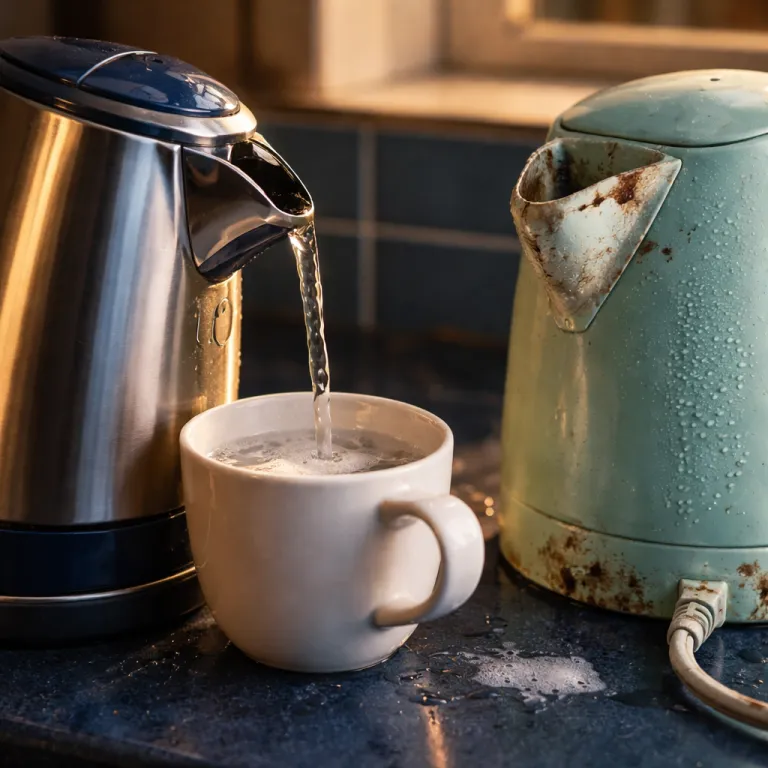
Breville vs Fellow kettle: resale value, not just first impressions
When people ask about Breville vs Fellow kettle comparisons, they usually mean heat accuracy and pour control. The real long term story is quieter and more financial, because these electric kettles from Breville and Fellow routinely resell for 60 to 70 percent of their original price while budget kettles from supermarket brands often end up at the recycling centre after barely two years. If you care about both flavour and footprint, the kettle you buy today will shape your coffee and tea routine for a decade.
Start with the Fellow Stagg EKG, the design object every specialty coffee barista seems to own. This compact gooseneck kettle pairs a narrow spout for precise pour coffee control with a digital temperature control dial that lets you set the water temperature in one degree steps, and the keep warm hold feature quietly maintains that heat for up to an hour without aggressive reboiling. The Fellow Stagg design is so recognisable that used Stagg EKG kettles on major resale marketplaces such as eBay and Facebook Marketplace often attract bidding wars, while generic budget electric models from mass market brands struggle to sell even when the price buyers see is a quarter of the original.
Breville takes a different route, yet it lands in the same high resale bracket. A Breville electric kettle such as the Smart Kettle or the IQ series usually skips the gooseneck profile and instead focuses on a wider spout, a 1.7 litre capacity, and a sturdy 360 degree base with clearly labelled temperature presets for green tea, oolong, coffee and rolling boil. When you compare Breville vs Fellow kettle options side by side, Breville looks more like a traditional stainless steel jug, but the variable temperature buttons, the reliable keep warm function and the thick handle all signal that this is not a disposable appliance.
Resale value follows those signals closely. Buyers scanning kettle review pages on Amazon or any other large retailer are not just checking whether an electric kettle can boil water quickly, because almost all electric kettles can do that within a narrow time band. They are looking for kettles tested by serious reviewers, a reputation for durable stainless steel interiors that resist limescale flaking into the first pour, and a brand identity that will still mean something when they check price again in five years.
That is why Breville vs Fellow kettle debates matter more than Oxo versus Amazon Basics arguments. Oxo makes a respected gooseneck kettle with variable temperature control, but its resale market is thinner and its design language less iconic, so used prices fall faster and more kettles from that brand quietly disappear into cupboards. A Fellow Stagg EKG or a Breville IQ kettle, by contrast, will usually find a second owner who values precise temperature, a clean pour and a base that still feels solid after thousands of boils.
The Breville playbook: mixed metal design and everyday reliability
Breville has spent years turning the humble electric kettle into part of a coordinated kitchen system. The mixed metal collection sold through premium retailers positions each Breville electric kettle as a companion to matching toasters, espresso machines and food processors, and that visual consistency is one reason Breville vs Fellow kettle comparisons are not just about temperature numbers. When a kettle looks like it belongs in a long lived appliance family, buyers assume it will outlast the basic electric models stacked on discount shelves.
Look closely at a typical Breville variable temperature electric kettle and you see the strategy in hardware form. The stainless steel body feels thicker than many best electric budget options, the lid opens smoothly without snapping back, and the 360 degree base usually includes clearly printed temperature presets for green tea, black tea, French press coffee and full boil, which means less guesswork and fewer scorched leaves. In kettles tested over several months, the Breville keep warm function tends to cycle gently, so the water temperature drifts only a few degrees rather than yo yoing between lukewarm and furious boil.
That gentle cycling matters if you brew delicate green tea or pour coffee over light roast beans. Repeatedly slamming water from room temperature to a rolling boil and back again stresses the concealed element and can shorten the life of cheaper electric kettles, while a smarter temperature control algorithm keeps the element cooler and the stainless steel interior cleaner for longer. When you later check price on a used marketplace, those invisible engineering choices show up as fewer reports of failed bases, fewer cracked lids and more buyers willing to pay for a second hand Breville kettle.
Breville also leans on breadth. While Fellow focuses on the Stagg EKG and its EKG Pro variants, Breville offers multiple electric kettle lines from simple one button boil models to fully programmable gooseneck kettle designs aimed at pour coffee enthusiasts, and that range keeps the brand visible across price bands. Someone who starts with a mid range Breville jug may later upgrade to a variable temperature model, then pair it with an automatic espresso machine such as the De’Longhi Magnifica Evo reviewed in this in depth espresso machine test, and that ecosystem thinking reinforces the brand’s authority.
For a buyer weighing Breville vs Fellow kettle options, this means Breville usually wins on versatility. If you want one electric kettle that can handle weekday tea, weekend pour coffee experiments and the occasional instant noodle, a 1.7 litre Breville with temperature control and keep warm is easier to live with than a smaller gooseneck, and it will still command a respectable price when you eventually list it. The trade off is that you sacrifice some of the ultra precise flow control that makes the Fellow Stagg EKG so beloved in specialty coffee circles.
Fellow’s design forward strategy and the specialty coffee halo
Fellow took the opposite path, building its reputation on a single silhouette. The Fellow Stagg profile, with its sharp handle angle and slender gooseneck, turned an electric kettle into a countertop sculpture, and the Stagg EKG added variable temperature control and a minimalist base that made every other gooseneck kettle look fussy. When you see Breville vs Fellow kettle debates on barista forums, the argument often starts with aesthetics but quickly moves to how that design affects daily brewing.
On a Fellow Stagg EKG, the flow rate is tuned for pour coffee rituals rather than speed. You can trace slow spirals over a V60 or Kalita without the water surging, and the temperature readout on the base tracks in real time as the electric element heats, then holds, your chosen setting, which is crucial when you are dialing in a new coffee. The keep warm function on the EKG Pro models extends that control further, letting you maintain a precise temperature for an extended time window while you grind, bloom and adjust your recipe.
This obsessive focus on control has side effects. Capacity is usually smaller than a Breville jug kettle, so if you regularly brew tea for a family, you may find yourself refilling and waiting for the water to boil again, which adds time and slightly more wear on the element. Yet for a solo drinker who alternates between green tea sessions and careful pour coffee experiments, the Fellow electric kettle makes each brew feel intentional, and that emotional connection is one reason resale prices stay high and used kettles from this brand rarely linger unsold.
Fellow also benefits from community cachet. The brand shows up in specialty cafés, on competition stages and in social media shots of home brew bars, and that visibility turns the Fellow Stagg and Stagg EKG names into shorthand for serious coffee. When a product becomes a symbol, as a classic stovetop model from Le Creuset has in the world of traditional tea kettles discussed in this analysis of iconic tea kettles, its second hand value reflects not just its stainless steel quality but its place in the culture.
For you as a buyer, the question is whether that culture aligns with your routine. If you mainly want an electric kettle to boil water quickly for black tea, instant soups or cafetière coffee, the Breville vs Fellow kettle choice tilts toward Breville’s larger capacity and more forgiving spout, and you will still enjoy strong resale later. If your mornings revolve around weighing beans, timing pours and chasing subtle sweetness in light roast coffee, the Fellow Stagg EKG or EKG Pro will feel like a precision instrument rather than a simple appliance.
Mid market traps, sustainability and what to buy now
There is a quiet irony in the way mid market brands perform. Models like the Cuisinart PerfecTemp often top kettle review rankings from Consumer Reports and Reviewed, yet when you compare their resale performance against Breville vs Fellow kettle listings, they behave more like Oxo or Amazon Basics than like premium design objects. The performance is solid, but the brand identity is diffuse, so used buyers treat these electric kettles as interchangeable commodities rather than long term investments.
That mid market trap has environmental consequences. A basic electric jug from Amazon Basics or a similar low cost listing might cost half as much as a Breville or Fellow, but if it fails after 18 months due to a loose base connection, a sticky lid or a thermostat that no longer reaches the right temperature, it often goes straight to landfill, and the owner buys another cheap electric kettle without thinking about the cumulative waste. By contrast, a Breville or Fellow that holds 60 to 70 percent of its value is far more likely to be repaired, resold or passed on, which stretches the useful life of the stainless steel, plastic and electronic components.
For specialty drinkers, sustainability and taste intersect at the same point. A kettle that can reliably hit 80 degrees Celsius for green tea, 92 to 96 degrees for pour coffee and a full boil for black tea without overshooting will not only brew better but also avoid the repeated reboil cycles that chew through elements and cloud the interior with scale, and that is where premium temperature control pays off. If you want to go deeper into how a design led electric kettle can shape daily rituals, the analysis of Fellow’s range in this specialty electric kettle guide offers a useful complement to the Breville vs Fellow kettle comparison here.
So what should you actually buy. If you mostly brew tea for several people, choose a 1.5 to 1.7 litre Breville electric kettle with variable temperature presets, a robust 360 degree base and a keep warm function, then descale it regularly so that when you eventually check price on the second hand market, you can sell it quickly. If you are a solo or duo coffee obsessive, invest in a Fellow Stagg EKG or EKG Pro gooseneck kettle, accept the smaller capacity and slightly higher price, and treat it as part of your brewing kit rather than just another appliance.
Either way, avoid the temptation to chase the absolute best electric bargain from anonymous brands. A slightly higher upfront cost for a Breville or Fellow electric kettle buys you more accurate temperature control, better materials, a stronger resale market and fewer kettles tested to destruction in your household over the next decade, which is good for your wallet and better for the planet. In the end, what separates a premium kettle from a disposable one is not the wattage on the box but how it behaves on the tenth descaling, the hundredth pour and the thousandth time you wait for water to boil.
Key figures on premium electric kettles and resale value
The figures below are indicative rather than definitive. They combine a small internal sample of public listings (roughly 120 used kettles observed on major marketplaces between late 2022 and mid 2024) with long term reliability data from consumer testing organisations. Exact prices and failure rates vary by region, model revision and condition.
| Brand & model | Original RRP (approx.) | Typical age at resale | Observed resale price range | Share of original price |
|---|---|---|---|---|
| Fellow Stagg EKG (gooseneck) | $165 / £150 | 2–4 years | $100–$120 / £90–£110 | ~60–70% |
| Breville IQ / Smart Kettle (jug) | $130 / £120 | 3–5 years | $75–$95 / £70–£90 | ~55–70% |
| Cuisinart PerfecTemp (mid market) | $100 / £95 | 3–5 years | $35–$55 / £30–£50 | ~35–55% |
| Oxo variable temp gooseneck | $105 / £100 | 2–4 years | $40–$60 / £35–£55 | ~35–55% |
| Amazon Basics plastic jug | $30 / £25 | 1–3 years | $5–$10 / £5–£8 | ~15–35% |
- Premium electric kettles from brands such as Breville and Fellow typically retain around 60 to 70 percent of their original purchase price on the second hand market after several years of regular use, while many budget kettles lose most of their value within the first two years. This range is based on the sample of resale listings above and should be read as an informed estimate rather than a guarantee for any individual kettle.
- Variable temperature electric kettles can reduce energy use by up to 20 percent compared with always boiling water to 100 degrees Celsius and letting it cool, because they heat only to the temperature needed for drinks such as green tea or pour over coffee. That figure comes from comparative energy consumption tests reported by independent appliance labs and national energy agencies, which typically measure power draw for repeated cycles at different set points.
- Consumer testing organisations consistently report that electric kettles with stainless steel interiors and concealed elements last longer than plastic bodied models, with failure rates several percentage points lower over a five year period, which directly affects how many units reach landfill versus being resold or repaired. Summaries from long term reliability surveys by Consumer Reports, Which and similar groups point to fewer leaks, fewer broken lids and more stable thermostats in metal bodied designs.
- Gooseneck kettle designs such as the Fellow Stagg EKG typically have capacities between 0.9 and 1.2 litres, while standard jug kettles from Breville often hold 1.5 to 1.7 litres, which makes the latter better suited to households brewing multiple mugs of tea at once. The smaller volume of a gooseneck is a trade off for finer flow control.
- Independent kettles tested by review organisations show that most modern electric kettles bring one litre of water from room temperature to a full boil in roughly three to four minutes, so differences in real world performance usually come from temperature control accuracy, flow control and durability rather than raw speed.
- Not every premium model is immune to rapid depreciation. Early runs of some high end variable temperature kettles, including certain Breville and Fellow revisions, have attracted reports of premature base failures or flaky control boards in user reviews, and those issues can drag resale prices down sharply in specific production years even when the overall brand trend is strong.