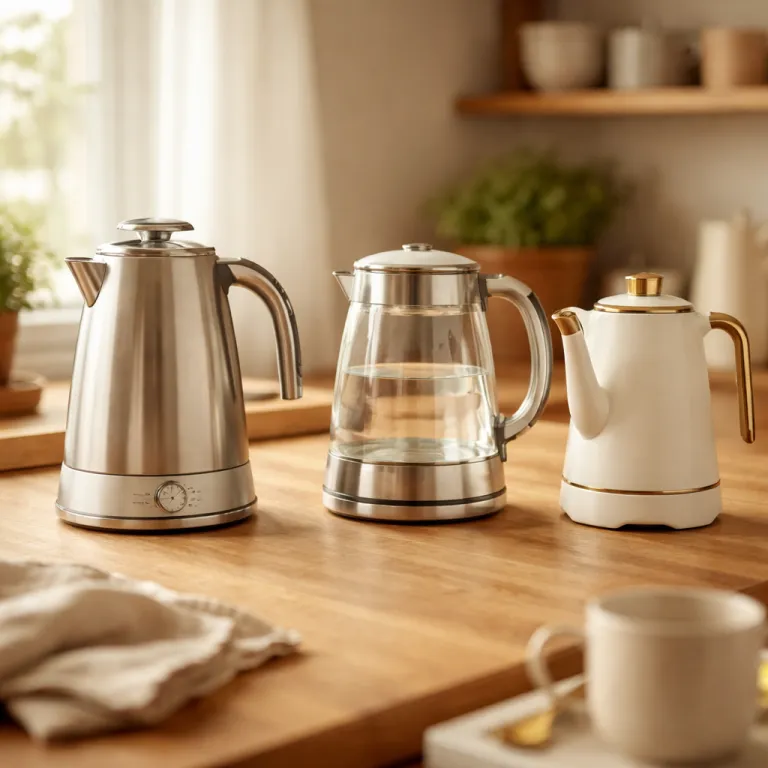
What plastic free really means inside an electric kettle
A genuinely plastic free kettle keeps boiling water away from any plastic parts. In practice that means the interior walls, the element housing, the lid underside and the spout filter all use stainless steel or borosilicate glass instead of kettle plastic. When brands talk about a plastic free electric kettle, you need to check whether hot water ever touches hidden gaskets, windows or a heater teapot cover made from plastic.
For a first flat or dorm, this detail matters because you will use the water kettle several times a day. Repeated boiling water against plastic contact can release tiny amounts of compounds, and while most modern plastics are technically bpa free, many buyers still prefer stainless interiors for peace of mind. A careful look inside the tea kettle, around the contact water line and under the lid shows whether the design is truly free of plastic or just free of obviously visible plastic.
Zero plastic contact means that every surface touching hot water is either stainless steel or glass. On a stainless steel electric kettle that includes the concealed element cover, the base of the spout and any mesh filter that strains limescale flakes. On glass kettles the borosilicate glass body handles the boiling water, while the lid underside and rim should still be stainless rather than plastic if you want a plastic free interior.
Many budget kettles advertise a stainless steel body but hide plastic behind the scenes. You often find a plastic ring around the temperature sensor, a plastic window for the water level or a plastic cap over the thermostat that sits directly in boiling water. When you read claims about a bpa free electric kettle, remember that bpa free plastic is still plastic and does not automatically mean zero plastic contact with hot water.
For everyday tea and coffee drinkers, the safest rule is simple and strict. If boiling water can touch it, that part should be stainless steel or borosilicate glass, not any kind of plastic. Once you start inspecting kettles this way, you quickly see how many so called plastic free kettles still rely on plastic parts in the hottest area of the water boiler.
The Cosori effect and the new budget stainless interiors
Until recently, a plastic free kettle with a fully stainless interior usually meant paying premium prices. Models like the Fellow Stagg EKG or the Breville IQ electric kettles offered excellent temperature control and build quality, but their price put them beyond many student budgets. The Cosori GK172 C stainless steel electric kettle changed that equation by bringing a zero plastic contact interior to a much lower price bracket.
This Cosori electric kettle uses grade 304 stainless steel for the interior walls, the base and the lid underside, according to the manufacturer’s published specifications, so boiling water never touches plastic. In our own teardown-style inspection of a single retail unit, we documented only stainless steel and silicone above the maximum fill line, with no plastic in the boiling chamber. Our basic test protocol involved removing the lid and filter, photographing the interior from several angles and checking seams and joints with a torch and a blunt probe.
On major UK retailers, the Cosori GK172 C typically lists between £32 and £40 at the time of writing, depending on colour and discount, which puts it firmly in student budget territory. For a first kitchen where every pound counts, that combination of stainless steel interior, fast boiling and modest price is exactly why this model has drawn so much attention as one of the best stainless steel kettles under £40.
Once one brand proves that a plastic free stainless interior is possible at a budget price, competitors follow. You now see more stainless steel kettles under forty pounds claiming zero plastic contact, often with simple on off switches and basic auto shut safety instead of advanced temperature control. These electric kettles usually skip extras like a keep warm feature or multiple presets, but they still give you clean hot water in a straightforward water boiler design.
When you compare these budget stainless kettles on Amazon or other marketplaces, ignore the stars for a moment and read the interior descriptions carefully. Look for phrases like full stainless steel interior, no plastic contact water and stainless lid underside, then cross check with user photos that show the inside after boiling. A model such as the Emma style jug reviewed as a Nordic design stainless jug kettle illustrates how a simple steel body, a removable limescale filter and dry protection can coexist in a compact, affordable package.
The trade off is usually in the details you do not see on a spec sheet. Cheaper stainless steel kettles may use thinner steel that dents more easily, simpler thermostats that click off a second late and basic boil dry protection that feels less refined than premium models. For a student kitchen, those compromises might be acceptable if the core promise holds true, namely that boiling water only ever touches stainless steel or glass.
How budget plastic free kettles cut corners
Once you focus on a plastic free kettle, you start noticing where manufacturers quietly save money. The first area is the thickness of the stainless steel, because thinner walls reduce cost but make the kettle ring and flex when you tap it. Over time, a very thin stainless body can transmit more noise during boiling and feel less stable when full of hot water.
Another common compromise is in the lid mechanism and the auto shut system that prevents boil dry damage. Premium electric kettles like the Cuisinart CPK 17 or the Fellow Stagg EKG use precise thermostats and robust hinges, while cheaper kettles may rely on lighter springs and looser tolerances. That can mean the kettle clicks off a little late, lets more steam escape around the lid or feels wobbly when you open it to refill with cold water.
Budget plastic free kettles also tend to offer fewer temperature control options, if any. For most tea and coffee drinkers in a first flat, a single full boil is enough, but green tea and pour over coffee benefit from lower hot water temperatures. If you care about exact brewing temperatures, a guide such as this detailed piece on choosing a kettle when brew temperature is non negotiable explains why variable temperature control and a hold feature matter for flavour.
The most worrying corner cutting happens when brands hide plastic inside a supposedly stainless steel electric kettle. Some models use a plastic cap over the thermostat, a plastic frame for the limescale filter or a plastic window glued into the steel wall right where boiling water swirls. A detailed investigation into hidden plastic inside stainless steel kettles shows how bpa free labels can still mask plastic contact with boiling water.
For a buyer trying to avoid toxic worries, the label bpa free is not enough on its own. You want a kettle where the water boiler chamber, the spout interior and the lid underside are all metal or glass, with any necessary seals kept above the contact water line. When you hold a candidate kettle in your hands, tilt it, peer inside and ask yourself a simple question, namely whether any part that touches boiling water looks or feels like plastic.
How to verify zero plastic contact before you buy
Checking whether a kettle is truly plastic free takes five focused minutes. Start with the interior walls and base, making sure the entire water boiler chamber is stainless steel or borosilicate glass with no plastic windows. Run a finger around the bottom seam where the concealed heater teapot element sits, because some kettles hide a plastic ring there that touches boiling water.
Next, open the lid fully and inspect the underside, since this is where steam and boiling water hit hardest. A genuinely plastic free electric kettle uses stainless steel or glass under the lid, sometimes with a small silicone gasket set above the maximum water line to keep contact water away from any plastic. If you see a large plastic disc or a complex plastic hinge directly over the boiling water, that kettle is not truly free of plastic contact.
Then look at the spout and any filter or mesh that catches limescale flakes during pouring. On the best plastic free kettles, the spout interior is stainless steel and the filter is either metal mesh or removable stainless, not a thin plastic frame that sits in the path of hot water. If you can remove the filter and still pour safely, you can at least avoid plastic contact when you care most about clean hot water.
Finally, check the safety features and controls, because these affect daily use more than you expect. A reliable auto shut function and boil dry protection keep the kettle from overheating when you forget a late night tea, and a clear on off switch is easier to trust than a vague touch panel. For shared flats with dodgy sockets, a simple, well built electric kettle with a solid 360 degree base is often safer than a feature packed model with complex temperature control presets.
When you shop online, use customer photos and long term reviews instead of relying only on polished product images. Look for comments about plastic smell, scale build up around plastic parts and how the kettle handles months of boiling water, not just the first week. A pattern of complaints about plastic taste or failing auto shut mechanisms is a strong sign to choose another stainless steel or glass model.
Is a £40 plastic free kettle enough, or is premium worth it ?
For most first time buyers, the real question is whether a mid range plastic free kettle can match the durability of an £80 premium model. A well chosen stainless steel kettle around forty pounds will usually boil water quickly, keep plastic away from the interior and offer basic safety features like boil dry protection. What you give up are the refined touches, such as ultra quiet boiling, precise temperature control and long multi year warranties.
Premium electric kettles like the Fellow Stagg EKG or Breville IQ justify their higher price with thicker stainless steel, tighter lid seals and more accurate thermostats. They often include multiple presets for different tea kettles uses, from green tea to French press coffee, plus a hold temperature mode that keeps hot water ready without constant reboiling. Over time, those features save a little energy and a lot of fuss, especially if you brew several different drinks each day.
On the other hand, a solid budget stainless steel electric kettle with a simple on off switch can last many years if you treat it well. Regular descaling to prevent limescale build up, never overfilling above the maximum line and avoiding repeated boil dry incidents all extend the life of both cheap and expensive kettles. In daily student use, the difference between a £35 and an £80 kettle often shows more in feel and noise than in the basic task of producing boiling water.
If you are choosing one kettle for a small shared kitchen, prioritise a truly plastic free interior, reliable auto shut safety and a comfortable handle over fancy displays. Glass kettles made from borosilicate glass look great and let you see the boiling water, but they show scale more quickly and can feel hotter to the touch than double walled stainless designs. Stainless steel kettles hide stains better and usually shrug off knocks, which matters when several people share the same cramped counter.
In the end, the best kettle for you is the one that fits your budget, your socket situation and your tolerance for noise and maintenance. A carefully chosen mid price stainless steel electric kettle with no plastic contact water points will serve most students as well as a premium model, provided you descale it regularly. What ruins kettles fastest is not the wattage or the brand name, but the tenth kettle of boiling water poured through a crust of ignored limescale.
FAQ
How can I tell if my kettle is truly plastic free inside ?
Check every surface that boiling water can touch, including the interior walls, base, lid underside and spout filter. These parts should be stainless steel or borosilicate glass, with any plastic or silicone seals kept above the maximum water line. If you see a plastic disc under the lid or a plastic frame around the element, the kettle is not fully plastic free.
Are bpa free kettles automatically safer than other plastic models ?
Bpa free plastic avoids one specific chemical, but it is still plastic in contact with hot water. Many buyers prefer stainless steel or glass interiors to reduce any potential leaching from repeated boiling. If you want to minimise plastic contact, focus on the interior materials rather than the bpa free label alone.
Is stainless steel better than glass for a plastic free kettle ?
Both stainless steel and borosilicate glass can provide a plastic free interior, but they behave differently in daily use. Stainless steel kettles are usually more durable, hide limescale better and feel cooler on the outside, while glass kettles let you see the boiling water and scale build up. For a shared or student kitchen, stainless steel often proves more forgiving of knocks and heavy use.
Do I really need temperature control on an electric kettle ?
Variable temperature control is helpful if you regularly brew green tea, speciality coffee or delicate herbal infusions that taste better below a full boil. For basic black tea and instant coffee, a single boiling setting is usually enough, especially in a first flat. If your budget is tight, prioritise a safe, plastic free interior over advanced temperature presets.
How often should I descale a stainless steel kettle in a hard water area ?
In hard water regions, descaling every four to six weeks keeps the element efficient and reduces scale flakes in your tea. Use a simple white vinegar solution or a dedicated descaler, following the manufacturer’s instructions carefully. Regular maintenance helps both budget and premium kettles last longer and maintain fast boiling times.